
Table of Contents
- Quick Answer
- Why Customer Trust Matters in Fashion
- What Makes Customers Trust a Clothing Brand
- Why Many Startup Brands Struggle With Trust
- Step 1: Maintain Consistent Product Quality
- Step 2: Build a Clear and Honest Brand Identity
- Step 3: Improve Product Presentation and Photography
- Step 4: Use Better Fabrics and Materials
- Step 5: Create Consistent Sizing and Fit
- Step 6: Improve Customer Communication
- Step 7: Deliver Orders Reliably and On Time
- Step 8: Use Professional Packaging and Branding
- Step 9: Work With Reliable Manufacturing Partners
- How Bless Clothing Supports Brand Trust and Product Consistency
- Trusted vs Untrusted Brand Comparison Table
- FAQs
- Why Trust Helps Fashion Brands Grow Long-Term
Quick Answer
Modern clothing brands build customer trust through:
- Consistent product quality
- Honest branding
- Reliable sizing
- Better customer communication
- Professional packaging
- Reliable manufacturing systems
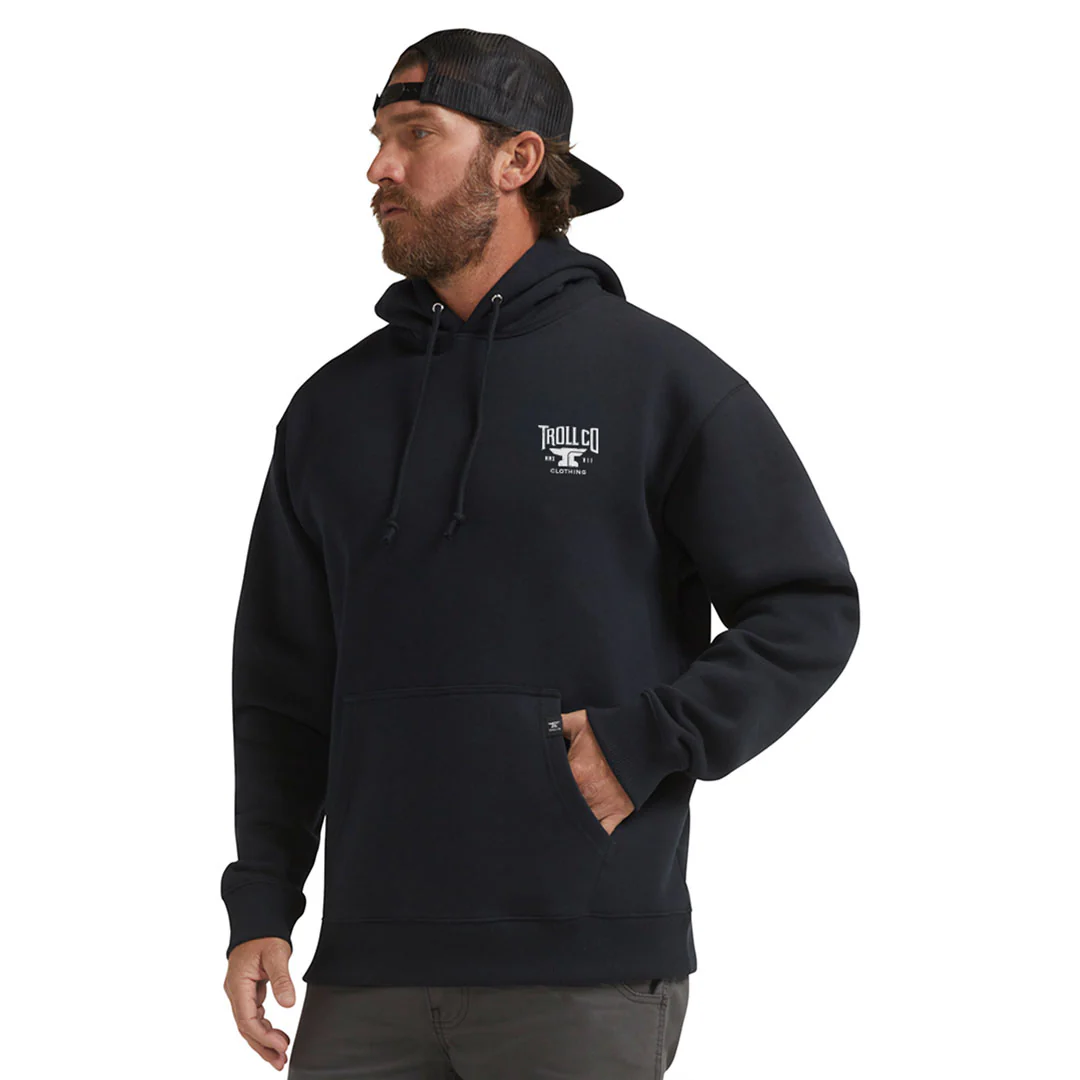
👉 Bless Clothing helps fashion brands build customer trust through scalable apparel manufacturing systems, structured quality control, organized product development, and consistent production workflows.
Why Customer Trust Matters in Fashion
From my experience, trust is one of the biggest factors behind long-term fashion brand growth.
Customers usually return to brands that provide:
- Reliable quality
- Consistent fit
- Professional presentation
- Smooth customer experiences
Key Insight
Trust is often built through consistency rather than marketing alone.
What Makes Customers Trust a Clothing Brand
Customers usually trust brands that feel stable, organized, and predictable.
Important trust-building areas include:
| Brand Area | Trust Factor |
|---|---|
| Product quality | Reliability |
| Branding | Professionalism |
| Customer service | Responsiveness |
| Delivery experience | Consistency |
Practical Insight
Small details often affect customer trust more than expensive advertising campaigns.
Why Many Startup Brands Struggle With Trust
Many startups focus heavily on design while ignoring operational consistency.
Common startup problems include:
| Problem | Result |
|---|---|
| Inconsistent products | Customer complaints |
| Weak communication | Lower confidence |
| Poor packaging | Cheap appearance |
| Delayed deliveries | Negative reputation |
Key Insight
Customers lose trust quickly when brand experiences feel inconsistent.
Step 1: Maintain Consistent Product Quality
Product consistency strongly affects customer confidence.
Important quality areas include:
- Fabric consistency
- Construction quality
- Color stability
- Printing and embroidery accuracy
Product Quality Comparison
| Consistent Quality | Inconsistent Quality |
|---|---|
| Better repeat purchases | Higher return risk |
| Stronger brand loyalty | Customer frustration |
| Easier scaling | Brand instability |
Practical Insight
Customers trust brands when products consistently meet expectations.
Step 2: Build a Clear and Honest Brand Identity
Modern brands build trust by staying clear and authentic.
Important branding areas include:
- Consistent messaging
- Clear positioning
- Honest product descriptions
- Realistic expectations

Branding Comparison
| Clear Brand Identity | Weak Brand Identity |
|---|---|
| Stronger recognition | Customer confusion |
| Better customer loyalty | Generic positioning |
| Higher credibility | Lower trust |
Key Insight
Simple and honest branding usually builds stronger long-term trust.
Step 3: Improve Product Presentation and Photography
Professional presentation affects customer confidence immediately.
Important presentation areas include:
- Clear product photos
- Accurate colors
- Consistent lighting
- Detailed product pages
Presentation Comparison
| Professional Presentation | Weak Presentation |
|---|---|
| Higher perceived value | Lower trust |
| Better conversions | Customer hesitation |
| Stronger professionalism | Generic appearance |
Practical Insight
Customers often connect visual quality with product quality.
Step 4: Use Better Fabrics and Materials
Fabric quality strongly affects customer perception.
Important fabric factors include:
- Softness
- Durability
- Weight consistency
- Wash performance
Common apparel fabrics:
| Fabric | Customer Impression |
|---|---|
| Cotton jersey | Clean everyday wear |
| French Terry | Premium comfort |
| Heavy fleece | Structured premium feel |
| Modal blends | Soft luxury touch |
👉 Standards like OEKO-TEX® help improve material consistency and product reliability.
Key Insight
Customers often judge clothing quality immediately through fabric feel.
Step 5: Create Consistent Sizing and Fit
Reliable sizing improves repeat purchases and customer trust.
Important fit controls include:
- Accurate measurement charts
- Stable patterns
- Fabric shrinkage testing
- Consistent production standards
Fit Comparison
| Consistent Fit | Inconsistent Fit |
|---|---|
| Higher customer trust | More returns |
| Easier repeat purchases | Customer hesitation |
| Better brand reputation | Negative reviews |
Practical Insight
Sizing inconsistency damages trust faster than many startups realize.
Step 6: Improve Customer Communication
Strong communication builds transparency and confidence.
Better communication includes:
- Faster replies
- Clear order updates
- Honest production timelines
- Better after-sales support
Communication Comparison
| Strong Communication | Weak Communication |
|---|---|
| Higher customer trust | Frustration |
| Better loyalty | Negative reputation |
| Easier issue solving | Customer confusion |
Key Insight
Customers trust brands that communicate clearly and consistently.
Step 7: Deliver Orders Reliably and On Time
Reliable delivery strongly affects brand credibility.
Important delivery areas include:
- Organized logistics
- Accurate timelines
- Packaging preparation
- Shipping coordination
Delivery Comparison
| Reliable Delivery | Unreliable Delivery |
|---|---|
| Better customer loyalty | Negative reviews |
| Stronger reputation | Lower trust |
| Easier scaling | Customer complaints |
Practical Insight
Late deliveries often damage customer trust even when products are good.
Step 8: Use Professional Packaging and Branding
Packaging affects customer perception significantly.
Important branding areas include:
- Woven labels
- Hangtags
- Packaging consistency
- Unboxing experience
Packaging Comparison
| Professional Packaging | Weak Packaging |
|---|---|
| Higher perceived value | Cheap appearance |
| Better customer experience | Forgettable branding |
| Stronger professionalism | Lower trust |
Key Insight
Professional packaging helps reinforce brand quality and consistency.
Step 9: Work With Reliable Manufacturing Partners
Manufacturing quality strongly affects customer trust long-term.
Reliable manufacturing improves:
- Product consistency
- Quality stability
- Faster reorders
- Better scalability
Manufacturing Comparison
| Reliable Manufacturing | Weak Manufacturing |
|---|---|
| Better consistency | Product variation |
| Stronger QC systems | Higher defect rates |
| Easier scaling | Brand instability |
👉 Ethical systems like BSCI help improve manufacturing organization and operational reliability.
Practical Insight
Reliable factories help brands maintain trust as production volume increases.
How Bless Clothing Supports Brand Trust and Product Consistency
Bless Clothing supports fashion brands through:
- Structured QC systems
- Organized product development
- Fabric sourcing support
- Scalable apparel manufacturing systems
- Consistent production workflows
Bless Clothing Support Table
| Support Area | Trust-Building Benefit |
|---|---|
| Product development | Better consistency |
| QC systems | Lower defect risk |
| Manufacturing systems | Reliable quality |
| Fabric sourcing | Stable materials |
Trusted vs Untrusted Brand Comparison Table
| Trusted Brand | Untrusted Brand |
|---|---|
| Consistent products | Product variation |
| Reliable communication | Slow responses |
| Better packaging | Cheap presentation |
| Organized delivery | Shipping problems |
| Strong manufacturing systems | Quality instability |
FAQs
1. What helps clothing brands build customer trust?
Consistent quality, reliable communication, professional branding, and organized customer experiences.
2. Why is product consistency important?
Customers trust brands that deliver predictable quality and fit across every order.
3. Does packaging affect customer trust?
Yes. Packaging strongly affects perceived professionalism and product value.
4. Why is communication important for fashion brands?
Clear communication improves transparency and customer confidence.
5. How does Bless Clothing help brands build customer trust?
Through scalable manufacturing systems, structured QC processes, organized product development, and consistent production workflows.
Why Trust Helps Fashion Brands Grow Long-Term
The strongest clothing brands usually grow because customers trust them repeatedly over time.
Long-term customer trust depends on:
- Consistent products
- Better communication
- Reliable delivery
- Professional branding
- Strong manufacturing systems
👉 Work with Bless Clothing to improve brand consistency and customer trust through scalable apparel manufacturing systems, organized product development workflows, and reliable clothing production support.
Final Insight
Modern fashion brands rarely build customer trust through marketing alone. The brands that grow successfully are usually the ones that create reliable experiences across products, communication, delivery, branding, and manufacturing consistency from the beginning.