
Table of Contents
- Quick Answer
- Why Brand Identity Is More Important Today
- What Brand Identity Actually Means in Fashion
- Why Many Clothing Brands Struggle With Identity
- Step 1: Define a Clear Brand Positioning
- Step 2: Create Consistent Visual Branding
- Step 3: Build Products That Match Your Identity
- Step 4: Develop a Consistent Brand Voice
- Step 5: Use Packaging to Reinforce Brand Identity
- Step 6: Maintain Product Consistency Across Collections
- Step 7: Build Emotional Connection With Customers
- Step 8: Align Manufacturing With Brand Quality Standards
- Step 9: Create a Strong Long-Term Brand Experience
- How Bless Clothing Helps Brands Strengthen Identity
- Strong vs Weak Brand Identity Comparison Table
- FAQs
- Why Brand Identity Creates Long-Term Fashion Growth
Quick Answer
Brand identity matters more than ever in fashion because modern customers buy more than products—they buy:
- Brand values
- Lifestyle positioning
- Product consistency
- Emotional connection
- Visual identity
- Customer experience
👉 Bless Clothing helps fashion brands strengthen brand identity through scalable apparel manufacturing systems, consistent product development, structured quality control, and organized production workflows.
Why Brand Identity Is More Important Today
From my experience, fashion markets are now more competitive than ever.
Customers can easily find:
- Similar products
- Similar styles
- Similar pricing
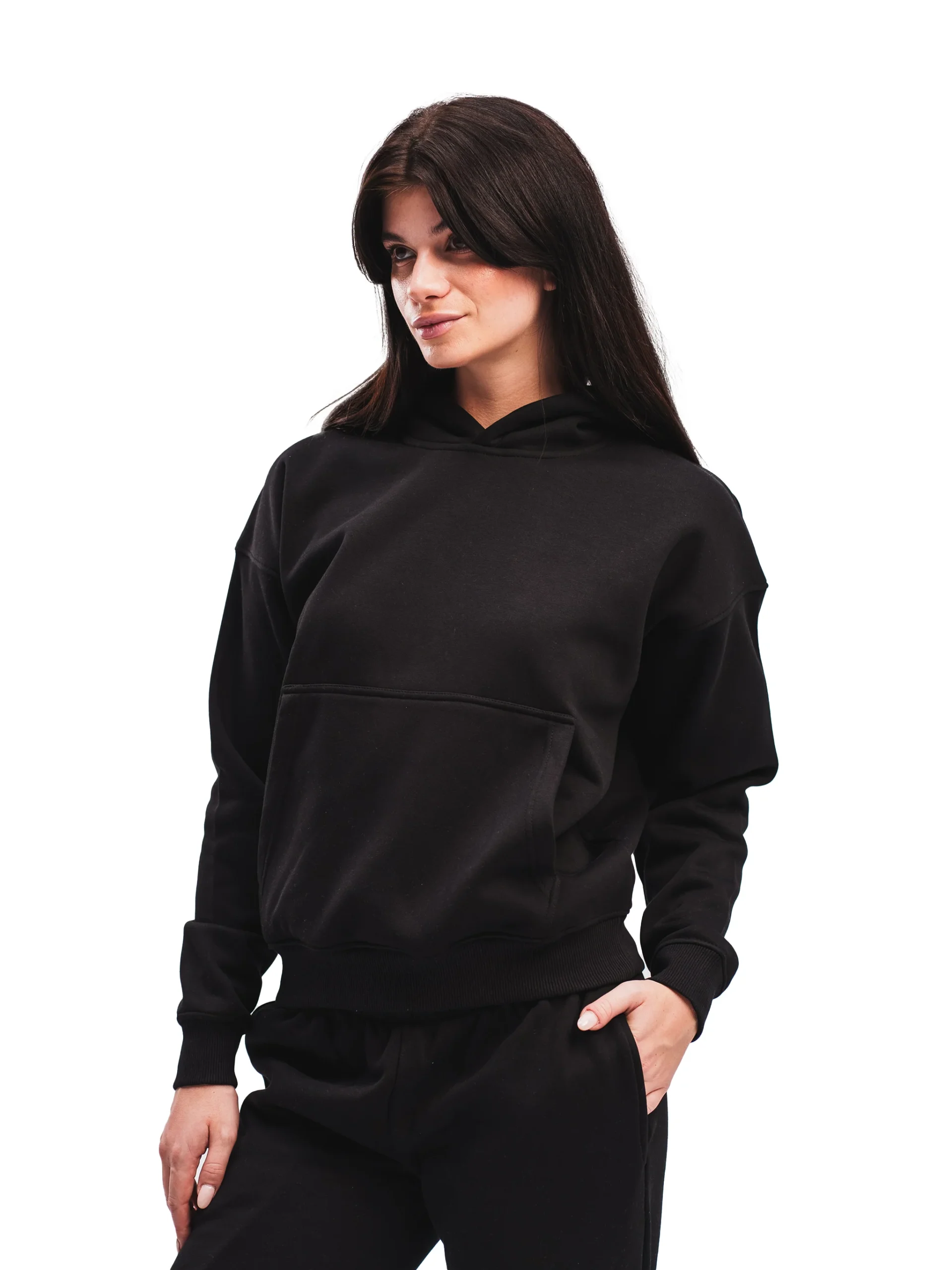
Because of this, brand identity often becomes the main reason customers choose one clothing brand over another.
Key Insight
Modern fashion brands compete through identity and consistency—not only products.
What Brand Identity Actually Means in Fashion
Brand identity is how customers recognize and emotionally connect with a fashion brand.
Important brand identity areas include:
| Brand Area | Purpose |
|---|---|
| Visual design | Recognition |
| Product style | Positioning |
| Brand messaging | Emotional connection |
| Customer experience | Long-term trust |
Practical Insight
Strong identity helps brands become memorable in crowded fashion markets.
Why Many Clothing Brands Struggle With Identity
Many startup brands focus heavily on trends without building a consistent identity.
Common identity problems include:
| Problem | Result |
|---|---|
| Inconsistent products | Weak recognition |
| Changing visual direction | Customer confusion |
| Generic branding | Low differentiation |
| Weak quality consistency | Lower trust |
Key Insight
Customers usually trust brands that feel stable and recognizable over time.
Step 1: Define a Clear Brand Positioning
Strong brands usually know exactly who they are targeting.
Important positioning areas include:
- Target audience
- Product category
- Price level
- Lifestyle direction

Positioning Comparison
| Clear Positioning | Weak Positioning |
|---|---|
| Better customer trust | Generic branding |
| Stronger recognition | Confusion |
| Easier marketing | Weak differentiation |
Practical Insight
Clear positioning makes product development and marketing much easier long-term.
Step 2: Create Consistent Visual Branding
Visual consistency strongly affects brand recognition.
Important visual branding areas include:
- Logo usage
- Color palette
- Typography
- Product photography
Visual Branding Comparison
| Consistent Visual Identity | Inconsistent Branding |
|---|---|
| Strong recognition | Weak memorability |
| Better professionalism | Generic appearance |
| Higher perceived value | Customer confusion |
Key Insight
Simple and consistent visuals usually look more premium than overly complicated designs.
Step 3: Build Products That Match Your Identity
Products should reinforce brand positioning consistently.
Important product identity areas include:
- Fabric selection
- Fit direction
- Product details
- Collection consistency
Common apparel fabrics:
| Fabric | Brand Impression |
|---|---|
| Cotton jersey | Everyday casualwear |
| French Terry | Premium comfort |
| Heavy fleece | Streetwear structure |
| Modal blends | Soft luxury feel |
👉 Standards like OEKO-TEX® help improve fabric consistency and product reliability.
Practical Insight
Customers notice when products feel disconnected from brand identity.
Step 4: Develop a Consistent Brand Voice
Brand voice helps customers emotionally connect with fashion brands.
Important communication areas include:
- Website messaging
- Product descriptions
- Social media tone
- Customer support style
Brand Voice Comparison
| Consistent Brand Voice | Weak Brand Voice |
|---|---|
| Stronger emotional connection | Generic communication |
| Better loyalty | Lower engagement |
| Easier customer trust | Weak positioning |
Key Insight
Consistent communication makes brands feel more authentic.
Step 5: Use Packaging to Reinforce Brand Identity
Packaging affects customer perception significantly.
Important packaging areas include:
- Woven labels
- Hangtags
- Poly bags
- Unboxing experience
Packaging Comparison
| Professional Packaging | Weak Packaging |
|---|---|
| Better perceived value | Cheap appearance |
| Stronger identity | Forgettable experience |
| Higher customer trust | Weak branding |
Practical Insight
Packaging often becomes part of the customer’s first emotional impression.
Step 6: Maintain Product Consistency Across Collections
Consistency is one of the biggest trust-building factors in fashion.
Important consistency areas include:
- Fit accuracy
- Fabric quality
- Color matching
- Construction quality
Product Consistency Comparison
| Strong Consistency | Weak Consistency |
|---|---|
| Better customer trust | Product confusion |
| Easier repeat purchases | Higher returns |
| Stronger brand loyalty | Brand instability |
Key Insight
Customers trust brands that consistently deliver similar quality across collections.
Step 7: Build Emotional Connection With Customers
Strong fashion brands create emotional identity, not just clothing products.
Emotional branding areas include:
- Lifestyle storytelling
- Community building
- Social media culture
- Customer experience
Emotional Branding Comparison
| Emotional Connection | Weak Connection |
|---|---|
| Stronger loyalty | Lower engagement |
| Better retention | Generic branding |
| Easier brand growth | Weak differentiation |
Practical Insight
Customers often stay loyal to brands that reflect their identity or lifestyle.
Step 8: Align Manufacturing With Brand Quality Standards
Manufacturing quality strongly affects brand identity.
Reliable manufacturing improves:
- Product consistency
- Fabric quality
- Fit stability
- Long-term scalability
Manufacturing Comparison
| Reliable Manufacturing | Weak Manufacturing |
|---|---|
| Better consistency | Product variation |
| Stronger customer trust | More complaints |
| Easier scaling | Brand instability |
👉 Ethical systems like BSCI help improve manufacturing organization and operational reliability.
Key Insight
Strong identity becomes difficult to maintain with inconsistent production quality.
Step 9: Create a Strong Long-Term Brand Experience
Professional fashion brands focus on long-term consistency across every customer interaction.
Important experience areas include:
- Product quality
- Customer service
- Delivery experience
- Brand communication
Experience Comparison
| Strong Brand Experience | Weak Experience |
|---|---|
| Higher loyalty | Lower retention |
| Better reputation | Negative reviews |
| Easier scaling | Weak customer trust |
Practical Insight
Brand identity becomes stronger when every customer experience feels consistent.
How Bless Clothing Helps Brands Strengthen Identity
Bless Clothing supports fashion brands through:
- Organized product development
- Fabric sourcing support
- Structured QC systems
- Scalable apparel manufacturing systems
- Consistent production workflows
Bless Clothing Support Table
| Support Area | Brand Identity Benefit |
|---|---|
| Product development | Better consistency |
| Fabric sourcing | Stronger quality |
| QC systems | Reliable products |
| Manufacturing systems | Easier scaling |
Strong vs Weak Brand Identity Comparison Table
| Strong Brand Identity | Weak Brand Identity |
|---|---|
| Consistent products | Product inconsistency |
| Clear visual branding | Generic appearance |
| Better customer trust | Weak recognition |
| Emotional connection | Low engagement |
| Reliable manufacturing | Product variation |
FAQs
1. Why does brand identity matter more today?
Because fashion markets are crowded and customers often choose brands based on emotional connection and consistency.
2. What creates strong fashion brand identity?
Clear positioning, consistent products, reliable quality, and strong customer experience.
3. Why is consistency important for branding?
Customers trust brands that feel stable and recognizable over time.
4. Does manufacturing affect brand identity?
Yes. Product consistency strongly influences customer perception and trust.
5. How does Bless Clothing support brand identity?
Through scalable manufacturing systems, organized product development, structured QC systems, and consistent apparel production workflows.
Why Brand Identity Creates Long-Term Fashion Growth
The strongest fashion brands usually grow because customers recognize and trust them immediately.
Long-term brand identity depends on:
- Consistent products
- Clear positioning
- Reliable manufacturing
- Better customer experience
- Strong emotional connection
👉 Work with Bless Clothing to strengthen fashion brand identity through scalable apparel manufacturing systems, organized product development workflows, and reliable clothing production support.
Final Insight
Brand identity matters more than ever because modern customers no longer buy fashion products based on price alone. The brands that grow successfully are usually the ones that combine consistency, emotional connection, reliable quality, and recognizable customer experiences across every stage of their business.