
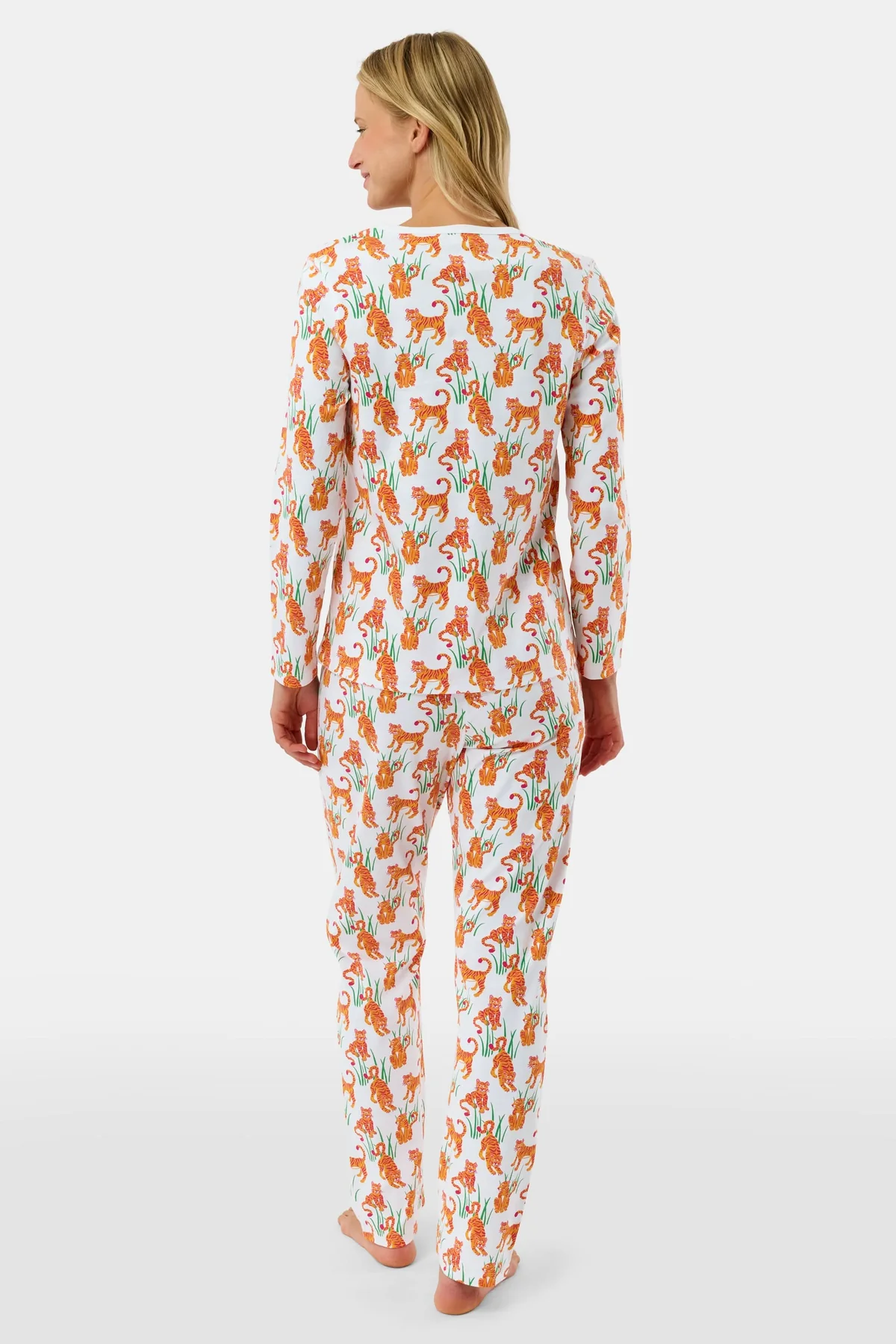
- Pajama Fabric Options: Cotton, Modal, Bamboo, and Beyond
- Pajama Styles: Classic, Contemporary, and Lounge Sets
- Fabric Weight and Seasonal Considerations
- Construction Details That Define Quality Pajamas
- Fabric Comparison Table
- Customization Options for B2B Orders
- Packaging and Presentation for Retail
- FAQ
1. Pajama Fabric Options: Cotton, Modal, Bamboo, and Beyond
Fabric selection is the single most important decision when developing custom pajamas for your brand. The fabric determines hand feel, breathability, drape, wrinkle resistance, and ultimately your customer satisfaction. Bless Clothing works with brands to source the ideal fabric for their target market and price point.
100% Cotton: The Timeless Standard
Cotton remains the most popular pajama fabric globally. Long-staple cotton varieties like Supima and Egyptian cotton produce exceptionally smooth, durable pajamas that improve with washing. Standard combed cotton offers a solid balance of comfort and cost. Cotton pajamas excel in breathability, making them ideal for warm sleepers and summer collections. The main trade-offs are moderate wrinkle tendency and slightly heavier weight compared to synthetic blends. Cotton accepts garment dyeing beautifully for vintage wash effects.
Cotton-Modal Blends: The Sweet Spot
A 60/40 or 50/50 cotton-modal blend combines cotton's breathability with modal's extraordinary softness and drape. Modal, derived from beechwood pulp, is finer than cotton fibers and produces fabric with a silky, cool-to-touch hand feel. The blend reduces cotton's wrinkle tendency while maintaining the natural fiber appeal. Cotton-modal pajamas command premium pricing (15-25% above pure cotton) and are ideal for brands positioning in the mid-to-premium loungewear segment.
Bamboo Viscose: Sustainable Softness
Bamboo-derived viscose has surged in popularity for pajamas due to its exceptionally smooth surface, natural moisture-wicking properties, and inherent antimicrobial characteristics. The fabric feels cool against skin, drapes fluidly, and resists wrinkling better than cotton. Brands marketing to eco-conscious consumers benefit from bamboo's renewable sourcing story, though OEKO-TEX certification is essential to validate safety and sustainability claims. Bamboo pajamas typically retail 20-30% higher than standard cotton pajamas.
MicroModal and TENCEL: Premium Performance
MicroModal (ultra-fine modal fibers) and TENCEL Lyocell (closed-loop production) represent the high end of pajama fabrics. MicroModal is 50% softer than standard modal, with exceptional color retention and virtually no pilling. TENCEL offers similar softness with the strongest sustainability credentials due to its closed-loop solvent recovery system. These fabrics are the choice for luxury pajama brands and command the highest wholesale prices, but deliver the premium hand feel that justifies luxury retail pricing of $80-150 per set.
2. Pajama Styles: Classic, Contemporary, and Lounge Sets
Classic Button-Up Sets
The traditional pajama set features a collared, button-front long-sleeve top with matching drawstring or elastic-waist pants. This style dominates the premium and gift-giving segments. Key design details that differentiate quality include contrast piping on lapels and cuffs, mother-of-pearl or fabric-covered buttons, chest pocket placement and proportion, and back yoke construction for improved shoulder fit. Classic sets typically use woven fabrics (poplin, sateen, flannel) rather than knits, creating a crisper silhouette.
Notch Collar Lounge Sets
The notch collar pajama with a relaxed, open-front jacket represents the evolution of sleepwear into loungewear. This style crosses over between sleep and casual home wear, expanding your customer's use case. Satin-trimmed notch collar sets with matching shorts or tapered pants are a perennial bestseller in the women's category. Expect to pay slightly more for notch collar construction due to more complex pattern-making and sewing.
Henley and Pullover Styles
Pullover pajama tops with three-button henley plackets offer a more casual, relaxed aesthetic that resonates with younger consumers and the men's sleepwear market. These styles are simpler to manufacture than button-up sets (fewer pattern pieces, simpler construction), which translates to lower production costs. Pairing a henley top with drawstring shorts creates a versatile warm-weather set with broad market appeal.
Sleep Shirts and Chemises
The sleep shirt category ranges from oversized t-shirt styles in jersey knits to elegant chemises in satin fabrics. These single-piece garments are cost-effective to produce and provide high perceived value through fabric quality and finishing details. Lace trim, picot edging, and satin ribbon details elevate basic sleep shirts into premium gift items. For B2B brands, sleep shirts offer excellent margin potential at lower production complexity.
3. Fabric Weight and Seasonal Considerations
Fabric weight, measured in GSM (grams per square meter), directly affects when and where your customers can wear your pajamas. Understanding the seasonal sweet spots lets you plan collections strategically.
| Weight Class | GSM Range | Best Season | Fabric Examples |
|---|---|---|---|
| Lightweight | 120-160 GSM | Summer | Cotton voile, bamboo jersey, lightweight modal |
| Midweight | 160-220 GSM | Spring/Autumn | Cotton jersey, cotton-modal blend, TENCEL knit |
| Heavyweight | 220-300 GSM | Winter | Brushed cotton flannel, fleece-backed knit |
For brands selling year-round, a balanced pajama collection should include lightweight options for summer drops (May-July), midweight core styles for year-round sales, and heavyweight flannel options for the October-December holiday gifting season. Bless Clothing produces pajamas across all weight classes with MOQs starting at 50 pieces per design.
4. Construction Details That Define Quality Pajamas
Quality pajama construction involves details that most consumers feel but cannot articulate. Understanding these elements helps you specify requirements accurately and justify premium pricing.
Seam Construction
Flat-felled seams on side seams and armholes prevent bulk and chafing against skin during sleep. French seams on lightweight fabrics create a clean interior finish with no exposed raw edges. For knit pajamas, coverstitch hems provide stretch and recovery without popping stitches. Piped seams on collars and cuffs are both decorative and structural, preventing edge fraying while adding visual sophistication.
Drawstring and Waistband Engineering
A properly constructed pajama waistband uses 1.5-2 inch elastic encased in self-fabric with a flat drawcord (cotton or cotton-blend, never nylon). Keyhole buttonholes at the center front allow drawcord exit without fabric tearing. Drawcord tips should be metal or molded plastic, securely attached. The waistband should sit comfortably without rolling -- a common quality failure in poorly made pajamas.
Button and Closure Quality
Premium pajamas use 4-hole buttons (not 2-hole) for secure attachment, with thread shanks that allow fabric to sit properly behind the button. Cross-stitched buttons (thread forming an X pattern) last longer than parallel stitching. Mother-of-pearl buttons signal luxury; polyester buttons with matte finish offer a premium look at lower cost. Always specify reinforced button sewing and evaluate quality on pre-production samples.
5. Fabric Comparison Table
| Property | 100% Cotton | Cotton-Modal | Bamboo Viscose | MicroModal |
|---|---|---|---|---|
| Softness | Good | Very Good | Excellent | Outstanding |
| Breathability | Excellent | Very Good | Very Good | Good |
| Wrinkle Resistance | Fair | Good | Very Good | Excellent |
| Durability | Very Good | Good | Good | Good |
| Cost Index | 100 | 115 | 125 | 140 |
| Market Position | Value to Mid | Mid to Premium | Mid to Premium | Premium to Luxury |
6. Customization Options for B2B Orders
Bless Clothing offers end-to-end customization for pajama production. Fabric options include custom blend ratios, custom GSM specifications for seasonal collections, custom dye colors matched to Pantone, and specialty treatments including enzyme wash and peach finish.
Design customization covers the full garment: custom fit blocks for your target demographic, custom pattern details (pocket configurations, collar styles, sleeve lengths), custom trims (piping, buttons, drawcords, labels), and custom packaging (branded hang tags, folding cards, belly bands, gift boxes). Every element is tailored to your brand identity. Explore custom pajamas for detailed specifications or custom loungewear for coordinated collections.
7. Packaging and Presentation for Retail
Packaging transforms pajamas from a commodity into a brand experience. For B2B brands selling through retail or direct-to-consumer channels, packaging is a critical differentiator. Gift-ready packaging with branded boxes, tissue paper, and ribbon adds significant perceived value at modest manufacturing cost. For e-commerce brands, branded poly bags with hang tags and insert cards provide brand reinforcement in the unboxing experience.
Retail-ready packaging requirements vary by channel. Department stores typically require vendor-compliant hangers, size strips, and UPC barcodes. Boutique retailers prefer individual poly bags with hang tags. Subscription box brands often request minimal packaging to reduce waste. Plan your packaging strategy before production begins. Contact us to discuss your specific packaging needs and branding requirements.
8. FAQ
What is the best fabric for premium pajamas
MicroModal and TENCEL Lyocell are the top choices for premium pajama brands due to exceptional softness, wrinkle resistance, and color retention. For brands targeting accessible premium pricing, cotton-modal blends (60/40 or 50/50) deliver excellent hand feel at more accessible price points.
Can I order pajama sets with mix-and-match sizing
Yes. Bless Clothing accommodates separate top and bottom sizing in the same set, a standard practice for premium pajama brands. We can produce split-size sets where tops and bottoms are different sizes bundled together at the factory.
What is the minimum order quantity for custom pajamas
Standard MOQ is 50 pieces per design with flexible options for sampling and small-batch testing. For brands ordering 500+ units per style, significant volume discounts apply. Color and size breakdowns are fully customizable.
How long does custom pajama production take
Sample development takes 15-20 days. Bulk production ranges from 25-35 days for 500-3000 units. Add transit time of 15-20 days for sea freight or 5-7 days for air freight. Rush production is available for time-sensitive launches.
Can Bless Clothing produce matching family pajama sets
Yes. Matching sets with coordinated fabrics across adult and children sizes is a growing category, particularly for holiday collections. We produce multiple size ranges from the same fabric batch for color consistency. Learn more about Bless Clothing and explore custom jackets for expanding your brand's product line.
Information based on publicly available data as of 2026. Verify current specifications with your account manager before production.
Sources: OEKO-TEX certification | Business of Fashion | Statista market data | Global Recycled Standard