
Table of Contents
Why Fabric Choice Defines Loungewear Success
Loungewear has evolved from an afterthought category to a dominant retail segment. The shift to remote work and health-conscious lifestyles has driven consistent double-digit annual growth, with the global loungewear market projected to exceed $30 billion by 2027. In this competitive landscape, fabric choice is the single biggest differentiator between products that command premium pricing and those that compete on price alone.
For B2B buyers sourcing about Bless Clothing and related categories, understanding fabric properties directly impacts product positioning, consumer satisfaction, and repeat purchase rates.
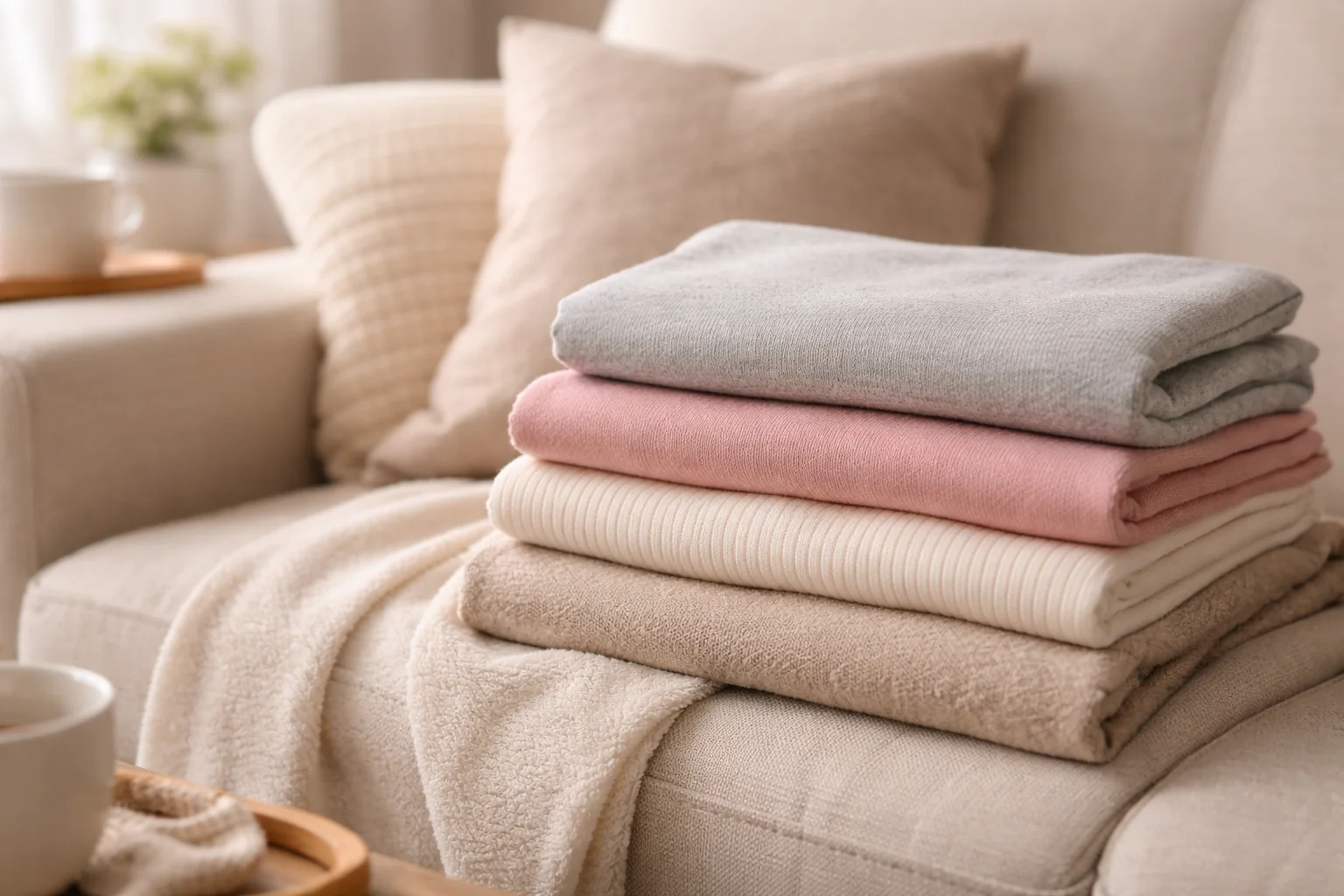
According to Textile World, loungewear consumers rank fabric softness (71%) and durability (64%) as their top two purchase criteria, ahead of price (58%).
Top 6 Loungewear Fabrics Compared
1. French Terry Cotton — The B2B Workhorse
French terry is a loop-back knit fabric where the front face is smooth and the reverse has soft looped pile. It's the most widely used loungewear fabric in B2B manufacturing for several reasons:
- GSM range: 240–340 GSM
- Composition: 80/20 or 85/15 cotton/polyester is most common
- Properties: Breathable, moisture-absorbent, holds shape well, easy to print
- Best for: Hoodies, sweatpants, sweatshirts, casual sets
- Retail positioning: Mid-range ($35–80 retail per piece)
- Care: Machine washable, minimal shrinkage in pre-shrunk versions
French terry's versatility and cost-effectiveness make it the default choice for most custom loungewear and loungewear programs targeting broad market appeal.
2. Modal — The Premium Soft Choice
Modal is a semi-synthetic fabric derived from beech tree pulp. It's significantly softer than standard cotton and retains softness through repeated washing — a key selling point for premium loungewear brands.
- GSM range: 150–220 GSM (lighter than cotton for equivalent drape)
- Composition: 100% modal or modal/cotton blends (50/50 is popular)
- Properties: Exceptional softness, silky hand feel, high moisture absorption, color-retentive
- Best for: Premium lounge sets, sleep shorts, fitted tops, underwear
- Retail positioning: Premium ($60–150 retail per piece)
- Care: Gentle machine wash; sensitive to high heat
3. Bamboo Fabric — The Sustainability Story
Bamboo-derived fabrics (typically bamboo viscose or bamboo lyocell) have grown rapidly in premium loungewear due to their sustainability narrative and excellent comfort properties.
- GSM range: 160–240 GSM
- Composition: Bamboo viscose, bamboo/cotton, bamboo/spandex
- Properties: Naturally antibacterial, temperature-regulating, ultra-soft, eco-friendly
- Best for: Eco-premium loungewear, sleepwear, yoga wear
- Retail positioning: Premium to luxury ($70–200 retail per piece)
- Care: Cool machine wash; air dry recommended
Note: Verify certifications (OEKO-TEX, FSC) for bamboo suppliers — manufacturing processes vary significantly in environmental impact.
4. Waffle Knit Cotton — The Texture Statement
Waffle knit features a distinctive grid-like texture created through a specialized knitting process. It's become a design staple in premium loungewear for its tactile appeal and thermal properties.
- GSM range: 200–280 GSM
- Composition: 100% cotton or cotton/polyester blends
- Properties: Good insulation, moisture-wicking, distinctive texture adds visual value
- Best for: Thermal sets, robes, elevated lounge separates
- Retail positioning: Mid-premium ($45–110 retail per piece)
- Care: Machine washable; retains texture well
5. Fleece (Brushed Back) — Comfort and Value Leader
Brushed-back fleece is the most cost-effective soft loungewear fabric. The brushing process creates a soft, plush interior while maintaining a clean exterior face. It's widely used for value-tier to mid-range loungewear.
- GSM range: 260–380 GSM
- Composition: 80/20 cotton/polyester is standard; 100% polyester for budget tier
- Properties: Warm, soft interior, durable, easy care, economical
- Best for: Sweats, joggers, hoodies, casual sets
- Retail positioning: Value to mid-range ($25–65 retail per piece)
- Care: Machine washable; pilling possible with lower quality versions
6. Ribbed Knit — The Fitted Silhouette Fabric
Ribbed knit fabrics feature vertical ridges created by alternating knit and purl stitches. The inherent stretch and recovery makes them ideal for body-hugging loungewear silhouettes.
- GSM range: 200–280 GSM
- Composition: Cotton/spandex (95/5 typical), modal/spandex
- Properties: Excellent stretch and recovery, form-fitting, drapes well on body
- Best for: Matching sets, lounge tank tops, fitted pants, sleep sets
- Retail positioning: Mid to premium ($40–120 retail per piece)
- Care: Machine wash cold; avoid high heat to preserve stretch
Fabric Comparison Table
| Fabric | Softness | Durability | Cost | Eco Score | Best Market |
|---|---|---|---|---|---|
| French Terry | ★★★★ | ★★★★★ | Low-Med | ★★★ | Mass to mid-market |
| Modal | ★★★★★ | ★★★★ | High | ★★★★ | Premium brands |
| Bamboo | ★★★★★ | ★★★★ | High | ★★★★★ | Eco-premium |
| Waffle Knit | ★★★★ | ★★★★ | Medium | ★★★ | Mid-premium |
| Fleece | ★★★★ | ★★★★ | Low | ★★ | Value to mid |
| Ribbed Knit | ★★★★ | ★★★★ | Medium | ★★★ | Fashion to premium |
GSM Guide for Loungewear
GSM (grams per square meter) is the primary weight indicator for knit fabrics. For loungewear, GSM selection should align with end-use and season:
| Application | Recommended GSM | Typical Fabric |
|---|---|---|
| Summer lounge sets | 150–200 GSM | Modal, ribbed cotton, bamboo |
| Year-round separates | 200–280 GSM | French terry, waffle knit |
| Winter/heavyweight sets | 280–380 GSM | Fleece, heavy French terry |
| Robes and wraps | 300–420 GSM | Terry, waffle, French terry |
Fabric Selection by Market Segment
Fast Fashion and Value Tier
For value-oriented loungewear programs, 260–300 GSM brushed fleece in cotton/polyester blends delivers acceptable softness at optimal cost. Focus on consistent weight and color fastness.
Mid-Market and Department Store Brands
240–300 GSM French terry cotton is the industry standard for mid-market custom pajamas and lounge sets. Combed cotton versions justify a 15–20% price premium through improved softness and reduced pilling.
Premium and DTC Brands
Modal, bamboo, and waffle knit fabrics command premium retail positioning. These materials support higher price points and stronger brand storytelling around comfort and quality.
Sustainable and Ethical Brands
GOTS-certified organic cotton, GRS-certified recycled polyester, and certified bamboo lyocell serve sustainability-focused brands. Certification adds $1–3 per unit to production cost but enables premium pricing and retailer access in regulated markets.
Industry data from Business of Fashion indicates sustainable loungewear grew at 18% annually from 2023–2025, outpacing the broader category growth of 11%.
Sourcing and MOQ Considerations
When sourcing loungewear from China, fabric MOQs at yarn level typically start at 500–1,000 kg. For small brands, partnering with a manufacturer who maintains fabric inventory eliminates this barrier.
- Bless Clothing maintains stock fabrics in French terry, modal/cotton, and fleece, enabling 100-piece MOQs without minimum fabric commitments
- Custom fabric development (specific GSM, blends, finishes) requires 300+ pieces and 4–6 week development lead time
- Certifications (OEKO-TEX, GOTS) add 2–4 weeks to development timelines for fabric testing
For custom pants with specific material requirements, providing a fabric swatch or detailed specification sheet to your manufacturer accelerates the sampling process.
Trade policy context from Statista market data shows that tariff changes have made Chinese-made loungewear in modal and bamboo particularly cost-competitive in Western markets compared to South Asian alternatives.
FAQ
What is the most popular fabric for premium loungewear brands
Modal and bamboo viscose lead premium loungewear for their exceptional softness and sustainability credentials. French terry remains dominant for mid-market due to its versatility and durability.
What GSM is best for year-round loungewear sets
240–280 GSM French terry or modal is optimal for year-round appeal — substantial enough for cooler temperatures but not too heavy for indoor wear in warmer seasons.
Is bamboo fabric worth the premium cost for B2B buyers
Yes, for the right market segment. Bamboo commands 20–35% higher retail prices while adding only 15–25% to manufacturing cost. The sustainability narrative resonates strongly with millennial and Gen Z consumers, making it a strong value-add for brands targeting these demographics.
How do I specify waffle knit fabric to a manufacturer
Specify GSM (typically 220–260 GSM), composition (100% cotton or cotton/spandex), waffle cell size (standard is 0.5–0.8 cm squares), and hand feel (structured vs. soft). Request physical swatches before committing to bulk production.
Can I mix fabrics across an order (e.g., modal tops with fleece bottoms)
Yes. Many brands source sets with fabric variation — premium fabric for tops that contact skin directly, more durable fabric for bottoms with higher wear friction. Bless Clothing accommodates multi-fabric orders within a single PO.
Sourcing Recommendation
For B2B brands building a loungewear line, the fabric selection framework is straightforward: match material quality to your target price point, secure certifications required by your retail partners, and partner with a manufacturer who offers the fabric range your brand needs.
Bless Clothing's catalog covers all six fabric categories in this guide — from value fleece to premium modal and bamboo — with custom pants available to discuss your specific requirements. Their 100-piece MOQ enables fabric testing without large upfront commitments, making it practical to trial premium materials before scaling.