
Choosing fabrics is one of the most important decisions a clothing brand will make. In my experience working with startup fashion brands and established apparel companies, fabric selection often has a bigger impact on product success than the design itself.
A great design made with the wrong fabric can lead to poor fit, low customer satisfaction, and high return rates. On the other hand, the right fabric can elevate a simple design into a bestselling product.
In this guide, I'll explain how to choose fabrics strategically based on your brand positioning, product category, customer expectations, and production goals.
Table of Contents
- Quick Answer
- Why Fabric Selection Matters
- Common Mistakes Brands Make When Choosing Fabrics
- Step 1: Start With Your Brand Positioning
- Step 2: Understand Your Target Customer
- Step 3: Match Fabrics to Product Categories
- Step 4: Evaluate Fabric Performance
- Step 5: Consider Fabric Weight and GSM
- Step 6: Balance Quality and Budget
- Step 7: Think About Seasonal Demand
- Step 8: Compare Natural vs Synthetic Fibers
- Step 9: Verify Fabric Certifications
- Step 10: Test Fabrics Before Production
- How Bless Clothing Helps Brands Choose Fabrics
- Fabric Selection Comparison Table
- FAQs
- Final Thoughts
Quick Answer
To choose the right fabrics for your clothing brand:
- Define your brand positioning.
- Understand your target customer.
- Match fabrics to product types.
- Evaluate comfort and durability.
- Consider fabric weight.
- Balance quality and cost.
- Test fabrics before production.
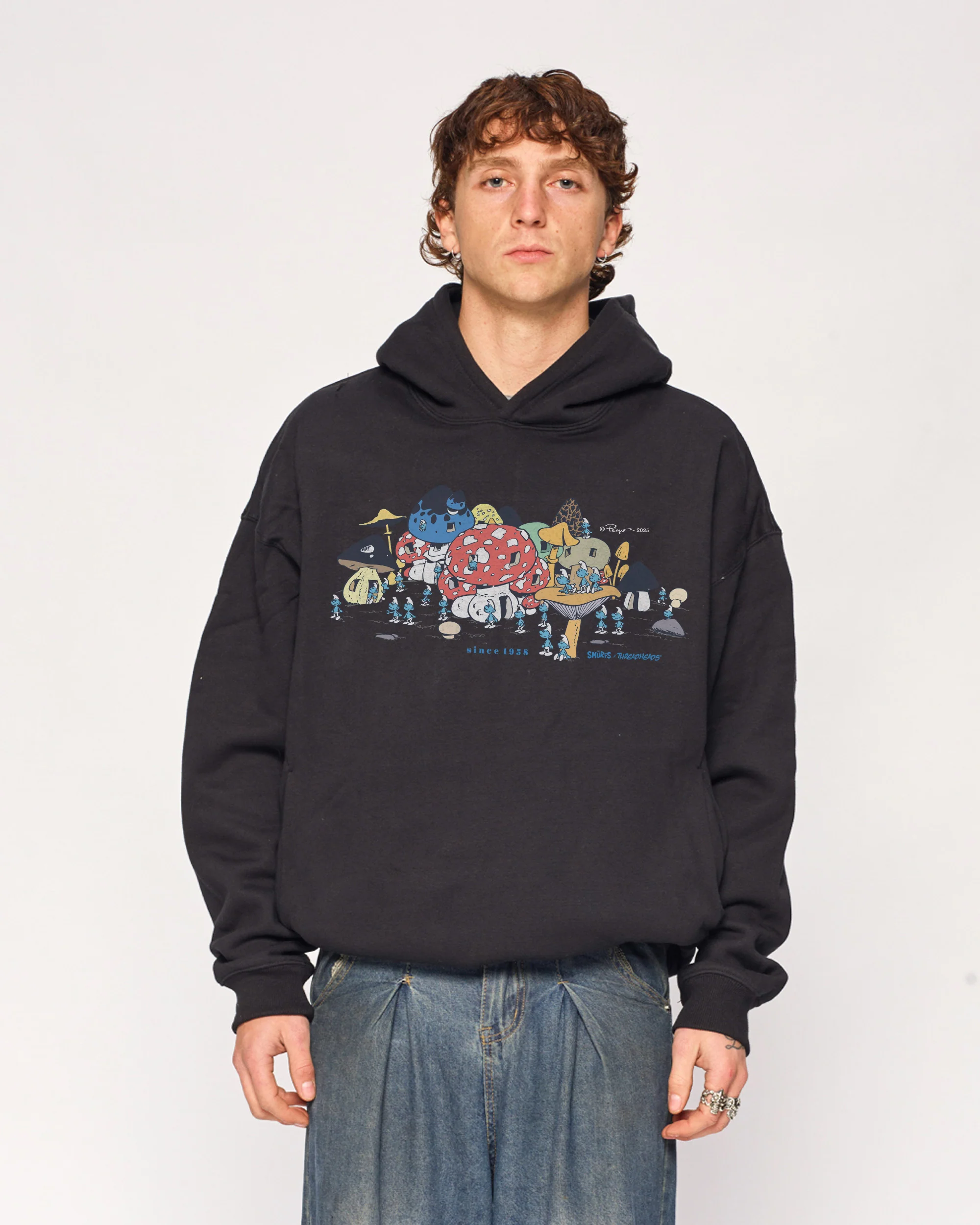
The best fabric is not necessarily the most expensive one—it is the fabric that best supports your product goals and customer expectations.
👉 Bless Clothing helps brands select fabrics through sourcing support, product development, sampling, and custom apparel manufacturing services.
Why Fabric Selection Matters
Fabric affects nearly every aspect of a garment.
Fabric Influences
- Comfort
- Fit
- Durability
- Appearance
- Production cost
- Customer satisfaction
Fabric Impact Table
| Area | Influence |
|---|---|
| Comfort | Very High |
| Product Quality | Very High |
| Brand Perception | High |
| Production Cost | High |
| Return Rate | Medium to High |
Key Insight
Customers may notice the design first, but they remember how the fabric feels.
Common Mistakes Brands Make When Choosing Fabrics
Many startup brands focus entirely on appearance.
Common Fabric Mistakes
| Mistake | Result |
|---|---|
| Choosing based only on price | Lower quality |
| Ignoring fabric performance | Customer complaints |
| Using too many fabrics | Inventory complexity |
| Skipping fabric testing | Production issues |
| Following trends blindly | Weak product-market fit |
Practical Advice
Always evaluate how the fabric performs, not just how it looks.
Step 1: Start With Your Brand Positioning
Your brand identity should guide fabric selection.
Brand Examples
| Brand Type | Fabric Direction |
|---|---|
| Casualwear | Cotton, French Terry |
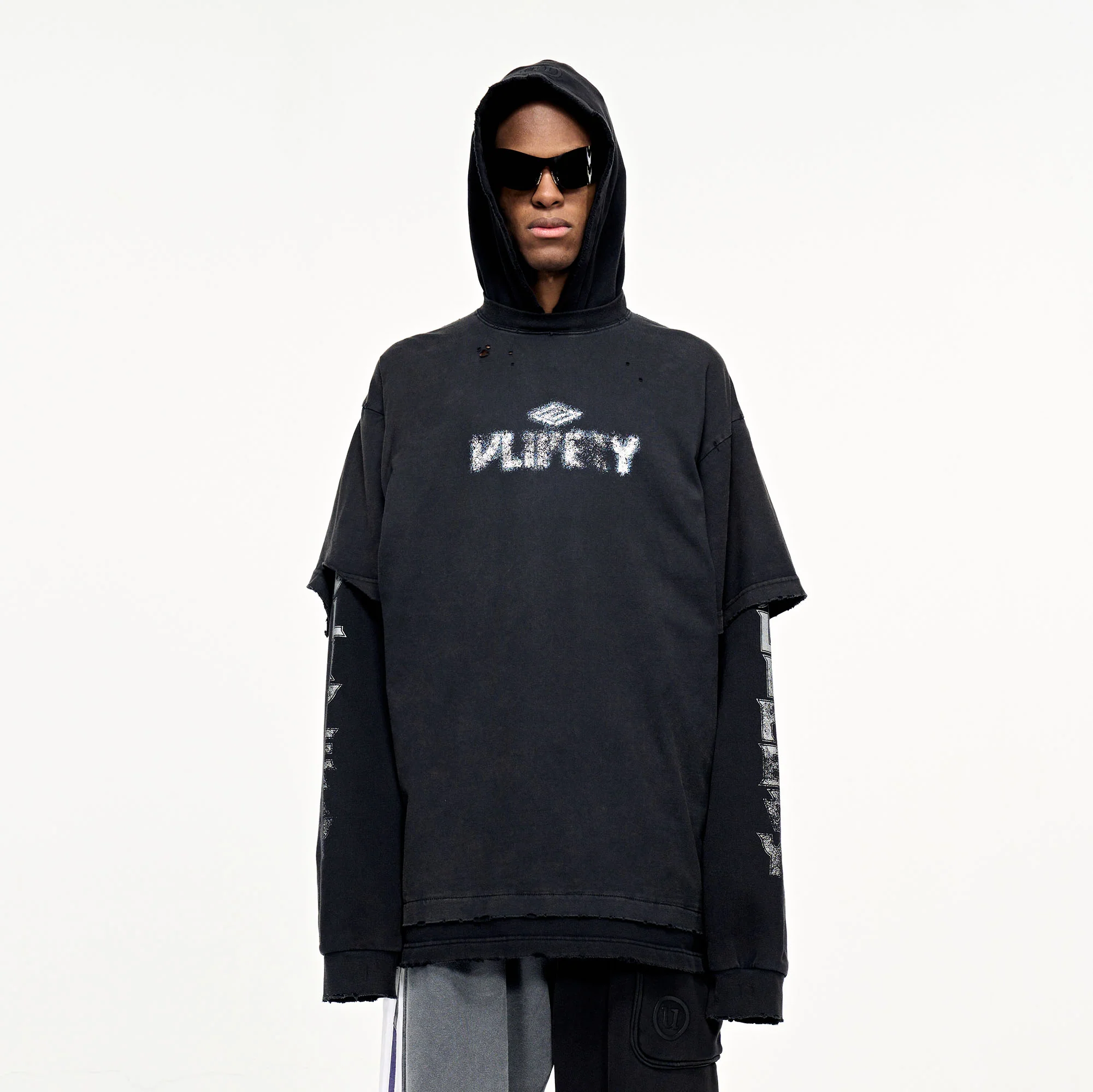
| Streetwear | Heavyweight Cotton |
| Luxury Basics | Premium Cotton, Modal |
| Athleisure | Performance Blends |
Example
A premium essentials brand may prioritize softness and drape, while a streetwear brand may focus on structure and durability.
Step 2: Understand Your Target Customer
Fabric selection should solve customer needs.
Questions to Ask
- What climate do they live in?
- What activities do they do?
- What fit do they prefer?
- What price range do they expect?
Customer Example
| Customer Type | Preferred Fabrics |
|---|---|
| Everyday Casual | Cotton Jersey |
| Active Lifestyle | Performance Blends |
| Luxury Consumers | Modal and Premium Cotton |
| Streetwear Fans | Heavyweight Cotton |
Key Insight
The best fabric is the one your customer wants to wear repeatedly.
Step 3: Match Fabrics to Product Categories
Different garments require different fabric characteristics.
Recommended Fabrics
| Product | Recommended Fabric |
|---|---|
| T-Shirt | Cotton Jersey |
| Hoodie | French Terry |
| Sweatshirt | Fleece |
| Joggers | Cotton Blend |
| Shorts | Cotton or Twill |
| Loungewear | Modal Blend |
Practical Advice
Avoid using a single fabric for every category.
Step 4: Evaluate Fabric Performance
Appearance alone is not enough.
Important Performance Factors
- Breathability
- Stretch
- Recovery
- Durability
- Pilling resistance
- Shrinkage resistance
Performance Comparison
| Performance Factor | Why It Matters |
|---|---|
| Breathability | Comfort |
| Stretch | Mobility |
| Durability | Longevity |
| Recovery | Shape retention |
Customers often notice performance problems before aesthetic problems.
Step 5: Consider Fabric Weight and GSM
Fabric weight significantly affects product feel.
GSM Guide
| GSM | Typical Use |
|---|---|
| 120–180 GSM | Lightweight T-Shirts |
| 180–220 GSM | Standard Casualwear |
| 220–300 GSM | Premium Basics |
| 300–450 GSM | Hoodies and Sweatshirts |
Example
A heavyweight 280 GSM T-shirt may feel more premium than a lightweight 160 GSM version.
Key Insight
Higher GSM does not always mean better quality—it depends on the intended use.
Step 6: Balance Quality and Budget
Every brand operates within budget constraints.
Fabric Pricing Factors
- Fiber content
- Fabric construction
- Finishing processes
- Order quantity
Quality vs Cost Comparison
| Approach | Result |
|---|---|
| Cheapest Fabric | Lower quality perception |
| Balanced Approach | Better profitability |
| Premium Fabric | Higher product value |
Practical Advice
Choose fabrics that support your brand goals, not simply the lowest cost option.
Step 7: Think About Seasonal Demand
Seasonal planning influences fabric choices.
Seasonal Fabric Recommendations
| Season | Fabric Type |
|---|---|
| Spring | Lightweight Cotton |
| Summer | Jersey and Linen Blends |
| Fall | French Terry |
| Winter | Heavy Fleece |
Why It Matters
Seasonal fabrics improve customer satisfaction and product relevance.
Step 8: Compare Natural vs Synthetic Fibers
Both categories have advantages.
Fiber Comparison
| Natural Fibers | Synthetic Fibers |
|---|---|
| Breathable | Durable |
| Soft feel | Performance focused |
| Sustainable perception | Moisture management |
| Premium image | Stretch and recovery |
Common Examples
Natural
- Cotton
- Linen
- Wool
Synthetic
- Polyester
- Nylon
- Spandex
Most modern apparel uses blended fabrics to combine benefits.
Step 9: Verify Fabric Certifications
Certifications help validate quality and safety.
Popular Certifications
| Certification | Purpose |
|---|---|
| OEKO-TEX® | Textile safety |
| GOTS | Organic textiles |
| Global Recycled Standard | Recycled materials |
Learn more at:
Practical Advice
Certifications can strengthen customer trust and support brand credibility.
Step 10: Test Fabrics Before Production
Never move directly into bulk production without testing.
Fabric Testing Areas
- Wash performance
- Shrinkage
- Color fastness
- Pilling
- Stretch recovery
Testing Benefits
| Benefit | Impact |
|---|---|
| Fewer returns | Better customer experience |
| Improved quality | Stronger reputation |
| Lower risk | Better profitability |
Key Insight
Fabric testing is often cheaper than fixing production problems later.
How Bless Clothing Helps Brands Choose Fabrics
At Bless Clothing, we help brands select fabrics that align with their products, customers, and business goals.
Our Fabric Support Includes
- Fabric sourcing
- Material recommendations
- Sampling
- Performance evaluation
- Production guidance
Benefits for Brands
| Service | Advantage |
|---|---|
| Fabric Sourcing | More options |
| Sampling | Better decisions |
| Product Development | Improved quality |
| Manufacturing | Scalable production |
Our goal is to help brands avoid costly fabric mistakes before production begins.
Fabric Selection Comparison Table
| Strategic Fabric Selection | Random Fabric Selection |
|---|---|
| Better customer satisfaction | More complaints |
| Stronger product quality | Inconsistent performance |
| Better brand positioning | Confused branding |
| Easier scaling | Production challenges |
| Higher repeat purchases | Lower retention |
FAQs
What is the most important factor when choosing fabric?
The most important factor is whether the fabric supports your product purpose and customer expectations.
Should startups use premium fabrics immediately?
Not always. A balanced approach between quality and cost is often more sustainable.
What fabric is best for casualwear brands?
Cotton Jersey, French Terry, and cotton blends are commonly used because they balance comfort and versatility.
Why is fabric testing important?
Testing helps identify shrinkage, pilling, color fastness, and durability issues before production.
How does Bless Clothing help with fabric selection?
Bless Clothing supports brands through sourcing, sampling, material recommendations, and manufacturing guidance.
Final Thoughts
Fabric selection is one of the most important decisions in apparel development.
The right fabric improves:
- Customer satisfaction
- Product performance
- Brand reputation
- Repeat purchases
The wrong fabric can undermine even the strongest design.
Instead of choosing fabrics based solely on cost or appearance, successful brands evaluate performance, customer expectations, seasonality, and long-term positioning.
👉 If you're developing a new clothing collection, visit Bless Clothing for fabric sourcing support, product development services, custom apparel manufacturing, and private label production solutions.
Remember: customers may fall in love with a design, but they stay loyal because of how the product feels and performs.