
Many people believe best-selling fashion products are created through luck or viral trends. In my experience working with clothing startups and established apparel brands, successful products are rarely accidental.
The brands that consistently create best sellers usually follow a structured process. They understand their customers, validate ideas before production, choose the right fabrics, and refine products through testing and feedback.
In this guide, I'll explain how fashion brands develop best-selling products and how you can apply the same principles to your own clothing business.
Table of Contents
- Quick Answer
- What Makes a Product Become a Best Seller
- Common Myths About Best-Selling Products
- Step 1: Start With Customer Demand
- Step 2: Analyze Market Trends Correctly
- Step 3: Focus on Solving Customer Problems
- Step 4: Build Products Around Your Brand Identity
- Step 5: Choose the Right Fabrics
- Step 6: Create Samples and Test Early
- Step 7: Refine Fit and Comfort
- Step 8: Keep Product Development Simple
- Step 9: Collect Feedback Before Scaling
- Step 10: Work With a Reliable Manufacturing Partner
- How Bless Clothing Helps Brands Develop Winning Products
- Best Seller vs Poor Performer Comparison Table
- FAQs
- Final Thoughts
Quick Answer
Fashion brands develop best-selling products by:
- Understanding customer demand
- Following market trends strategically
- Solving real customer problems
- Choosing the right fabrics
- Testing products before scaling
- Improving fit and comfort
- Gathering customer feedback

The most successful products are usually not the most complicated—they are the ones that consistently meet customer expectations.
👉 Bless Clothing helps fashion brands develop best-selling apparel through product development, sampling, fabric sourcing, and scalable manufacturing solutions.
What Makes a Product Become a Best Seller
A best-selling product usually performs well in several areas simultaneously.
Key Success Factors
| Factor | Importance |
|---|---|
| Customer Demand | Very High |
| Product Quality | Very High |
| Comfort | High |
| Fit | High |
| Pricing | High |
| Brand Positioning | Medium to High |
| Marketing | Medium |
Key Insight
Customers rarely buy a product because it's unique. They buy it because it solves a need better than alternatives.
Common Myths About Best-Selling Products
Many new brands misunderstand how product success works.
Common Myths
| Myth | Reality |
|---|---|
| More features equal more sales | Simplicity often wins |
| Expensive fabrics guarantee success | Customer fit matters more |
| Trends automatically create best sellers | Timing and execution matter |
| Viral marketing solves everything | Product quality still matters |
Practical Advice
Focus on creating value rather than chasing hype.
Step 1: Start With Customer Demand
Best-selling products begin with customer demand, not personal preferences.
Questions to Ask
- What problems are customers facing?
- What products are they already buying?
- What improvements are they looking for?
- What price range are they comfortable with?
Customer-Driven Development
| Customer Need | Product Opportunity |
|---|---|
| Better comfort | Softer fabrics |
| Improved durability | Stronger construction |
| Better fit | Refined sizing |
| Versatility | Multi-purpose designs |
Successful brands listen before they design.
Step 2: Analyze Market Trends Correctly
Trends provide direction, but blindly copying them rarely creates lasting success.
Trend Research Sources
- Retail websites
- Social media platforms
- Customer feedback
- Industry reports
Useful resources include:
Smart Trend Analysis
| Good Approach | Poor Approach |
|---|---|
| Adapt trends to brand identity | Copy trends directly |
| Evaluate long-term demand | Follow short-term hype |
| Focus on customer fit | Ignore audience needs |
Step 3: Focus on Solving Customer Problems
The best products solve specific customer problems.
Common Problems
| Problem | Product Solution |
|---|---|
| Poor fit | Improved pattern development |
| Fabric discomfort | Better materials |
| Limited versatility | Multi-use designs |
| Fast wear and tear | Higher durability |
Key Insight
Customers remember solutions more than designs.
Step 4: Build Products Around Your Brand Identity
Not every trend fits every brand.
Brand Positioning Examples
| Brand Type | Product Direction |
|---|---|
| Casualwear | Comfortable essentials |
| Streetwear | Oversized silhouettes |
| Luxury Basics | Premium materials |
| Athleisure | Performance-focused apparel |
Why It Matters
Products that align with brand identity often outperform random product launches.
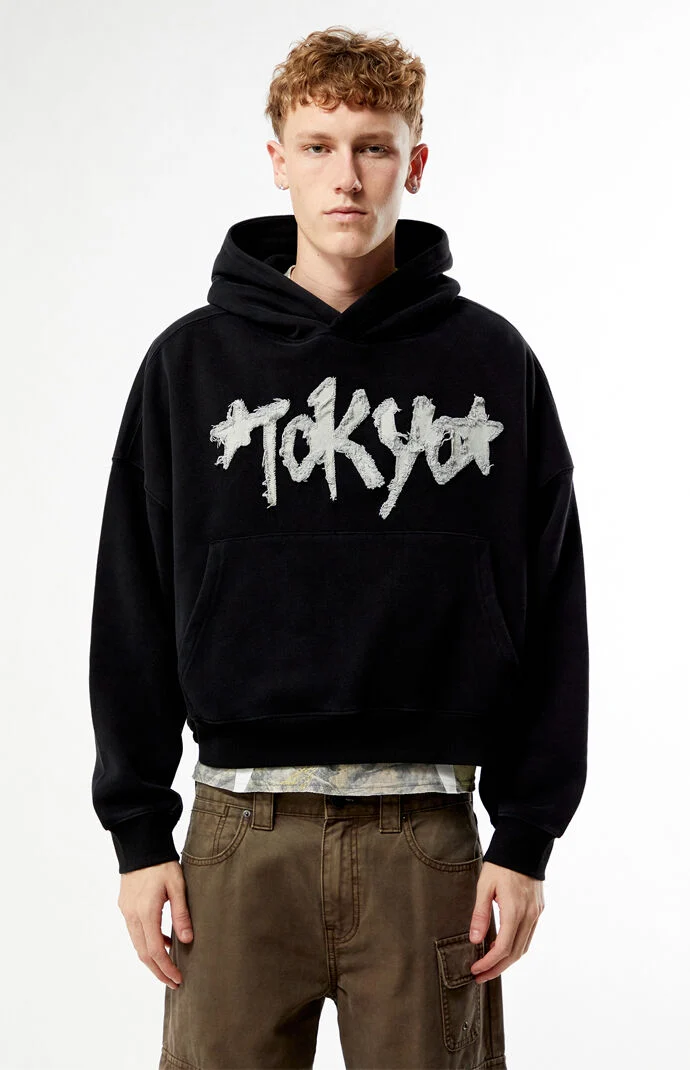
Step 5: Choose the Right Fabrics
Fabric selection strongly influences product success.
Popular Fabric Choices
| Fabric | Best For |
|---|---|
| Cotton Jersey | T-Shirts |
| French Terry | Hoodies |
| Fleece | Sweatshirts |
| Modal Blend | Loungewear |
| Cotton-Spandex | Everyday basics |
Many brands use materials certified by OEKO-TEX® to support quality and safety standards.
Practical Advice
Choose fabrics that enhance comfort, durability, and customer experience.
Step 6: Create Samples and Test Early
Sampling helps identify problems before production.
Sample Evaluation Areas
- Fit
- Fabric performance
- Construction
- Branding details
- Wash testing
Sample Benefits
| Benefit | Result |
|---|---|
| Error prevention | Lower risk |
| Better quality | Improved products |
| Cost savings | Fewer production issues |
Never move directly into bulk production without testing.
Step 7: Refine Fit and Comfort
Fit is often one of the strongest predictors of product success.
Fit Evaluation Checklist
- Mobility
- Comfort
- Size consistency
- Appearance
Fit Comparison
| Great Fit | Poor Fit |
|---|---|
| Repeat purchases | Returns |
| Positive reviews | Complaints |
| Customer loyalty | Lost customers |
Key Insight
Customers may forgive simple designs, but they rarely forgive poor fit.
Step 8: Keep Product Development Simple
Many successful products are surprisingly simple.
Why Simplicity Works
- Easier production
- Better consistency
- Lower risk
- Faster development
Example
A well-made heavyweight T-shirt often outsells more complicated garments.
Practical Advice
Perfect the basics before expanding.
Step 9: Collect Feedback Before Scaling
Best-selling products improve through feedback.
Feedback Sources
- Sample wear testing
- Customer surveys
- Product reviews
- Retail partner insights
Feedback Benefits
| Benefit | Impact |
|---|---|
| Better fit | More sales |
| Better quality | Higher satisfaction |
| Improved design | Stronger retention |
Customer feedback is one of the most valuable development tools available.
Step 10: Work With a Reliable Manufacturing Partner
Product development depends heavily on manufacturing support.
Strong Manufacturing Partners Provide
- Product development expertise
- Fabric sourcing assistance
- Quality control systems
- Consistent production
Manufacturer Comparison
| Reliable Partner | Weak Partner |
|---|---|
| Consistent quality | Product variation |
| Clear communication | Delays |
| Problem solving | Limited support |
| Scalable production | Capacity limitations |
Many manufacturers also follow operational frameworks supported by organizations like BSCI to improve production consistency.
How Bless Clothing Helps Brands Develop Winning Products
At Bless Clothing, we help brands turn ideas into commercially successful products.
Our Services Include
- Product development
- Fabric sourcing
- Sample creation
- Quality control
- Private label manufacturing
- Bulk production support
Benefits for Brands
| Service | Advantage |
|---|---|
| Sampling | Better accuracy |
| Product Development | Faster refinement |
| Fabric Sourcing | Improved quality |
| Manufacturing | Scalable growth |
We focus on helping brands reduce risk and increase product success rates.
Best Seller vs Poor Performer Comparison Table
| Best-Selling Product | Poor Performing Product |
|---|---|
| Customer-focused | Brand-focused only |
| Strong fit | Inconsistent fit |
| Quality materials | Weak materials |
| Solves a problem | No clear purpose |
| Tested before launch | Unvalidated concept |
| Supports brand identity | Confusing positioning |
FAQs
What makes a fashion product a best seller?
Best sellers usually combine strong customer demand, quality, comfort, fit, and pricing.
Do brands need to follow trends to create successful products?
Not necessarily. The most successful brands adapt trends to their own customer base and identity.
How important is fabric selection?
Fabric selection is critical because it affects comfort, durability, and customer satisfaction.
Why is sampling important?
Sampling helps identify issues before bulk production and improves product quality.
How does Bless Clothing help develop best-selling products?
Bless Clothing supports brands through product development, sourcing, sampling, quality control, and scalable manufacturing.
Final Thoughts
Best-selling fashion products are rarely the result of luck.
They are usually created through:
- Customer understanding
- Strategic product development
- Thoughtful fabric selection
- Consistent testing
- Continuous refinement
The brands that consistently create successful products focus on solving customer problems while maintaining strong quality standards.
👉 If you're developing a new apparel collection, visit Bless Clothing for product development support, fabric sourcing, private label manufacturing, and scalable production solutions.
Remember: the goal is not to create the most complicated product. The goal is to create the product customers want to buy again and again.