
Streetwear is one of the few fashion categories where customers often buy into a lifestyle before they buy a product. While many new brands focus on creating eye-catching graphics or chasing the latest trends, the most successful streetwear companies build strong product lines that customers recognize instantly.
From my experience working with both startup and established apparel brands, the strongest streetwear labels don't rely on a single viral product. Instead, they develop a system of products that work together, reinforce brand identity, and encourage repeat purchases.
In this guide, I'll explain how successful streetwear brands build strong product lines and how your brand can apply the same strategies.
Table of Contents
- Quick Answer
- Why Product Lines Matter in Streetwear
- What Makes a Strong Streetwear Product Line
- Common Mistakes New Streetwear Brands Make
- Step 1: Start With Core Products
- Step 2: Create a Signature Fit
- Step 3: Build Around a Consistent Brand Identity
- Step 4: Focus on Fabric Quality
- Step 5: Develop Collection-Based Products
- Step 6: Balance Trend Products and Evergreen Products
- Step 7: Create Product Hierarchy
- Step 8: Improve Products Through Feedback
- Step 9: Maintain Quality Across Every Release
- Step 10: Work With a Reliable Manufacturing Partner
- How Bless Clothing Supports Streetwear Brands
- Strong vs Weak Product Line Comparison
- FAQs
- Final Thoughts
Quick Answer
Streetwear brands build strong product lines by focusing on:
- Core bestselling products
- Consistent fits
- High-quality fabrics
- Clear brand identity
- Collection planning
- Reliable manufacturing
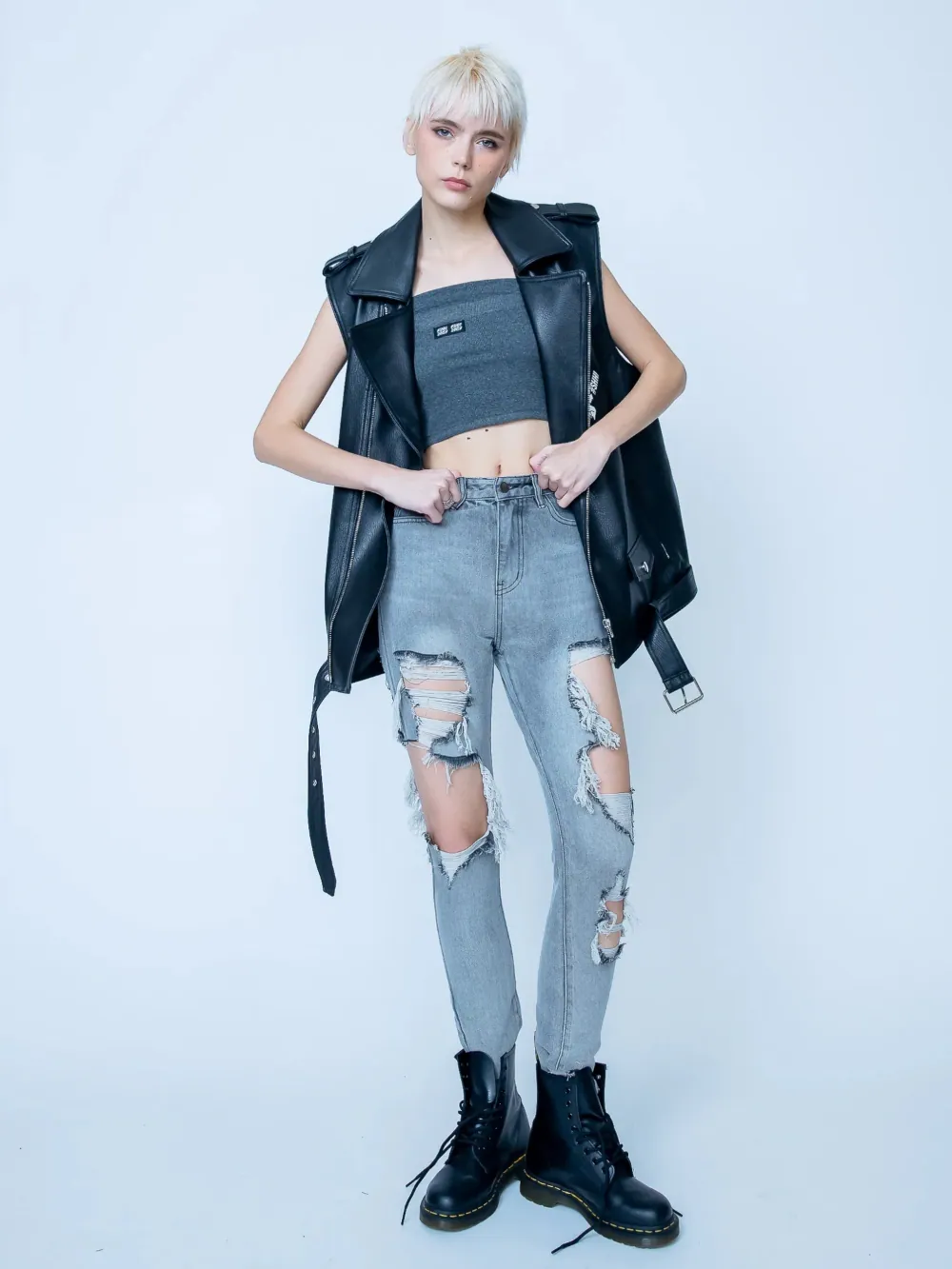
The strongest brands create products that work together rather than launching random designs every season.
👉 Learn more about custom apparel manufacturing at Bless Clothing.
Why Product Lines Matter in Streetwear
Many streetwear startups focus heavily on graphics and logos.
However, customers rarely become loyal because of a single graphic.
They become loyal because:
- Products fit consistently
- Quality remains reliable
- New collections feel familiar
- The brand develops a recognizable style
Benefits of Strong Product Lines
| Benefit | Result |
|---|---|
| Better customer retention | More repeat purchases |
| Stronger branding | Higher recognition |
| Easier marketing | Better conversions |
| Consistent sales | Predictable growth |
Key Insight
Great streetwear brands sell collections. Weak brands sell individual products.
What Makes a Strong Streetwear Product Line
A product line becomes strong when every product supports the same brand story.
Core Characteristics
- Similar fits
- Consistent quality
- Unified design language
- Shared customer audience
- Clear product hierarchy
Example Product Line
| Product | Function |
|---|---|
| Oversized T-Shirt | Core item |
| Heavyweight Hoodie | Hero product |
| Cargo Pants | Complementary piece |
| Sweatpants | Lifestyle product |
| Accessories | Brand extension |
Common Mistakes New Streetwear Brands Make
Many brands struggle because they introduce too many unrelated products.
Common Problems
| Mistake | Outcome |
|---|---|
| Too many categories | Inventory issues |
| Random graphics | Weak identity |
| Inconsistent fits | Customer confusion |
| Cheap fabrics | Poor reviews |
| Trend chasing | Short product lifespan |
Practical Advice
Start narrow and expand only after validating customer demand.
Step 1: Start With Core Products
Every successful streetwear brand has a few products that generate most of its revenue.
Recommended Core Categories
| Category | Priority |
|---|---|
| Oversized T-Shirts | Very High |
| Hoodies | Very High |
| Sweatshirts | High |
| Sweatpants | High |
| Cargo Pants | Medium |
Why Core Products Matter
Core products:
- Simplify inventory management
- Reduce development costs
- Build customer familiarity
- Create repeat purchases
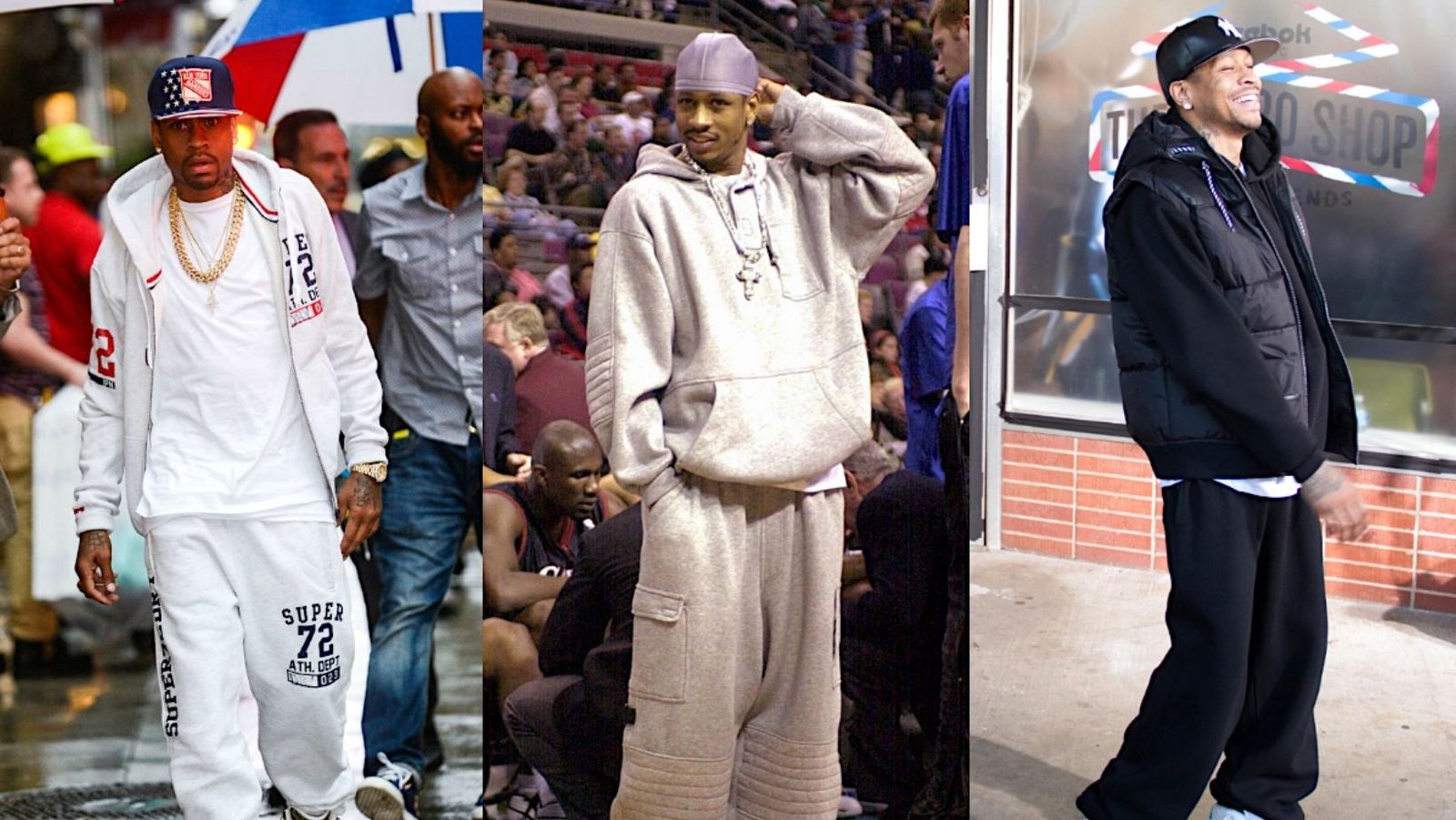
Many brands build entire businesses around just a few key products.
Step 2: Create a Signature Fit
Fit is often more important than graphics.
Popular Streetwear Fits
| Fit Style | Characteristics |
|---|---|
| Boxy Fit | Wide body, shorter length |
| Oversized Fit | Relaxed silhouette |
| Wide Leg | Modern streetwear aesthetic |
| Relaxed Fit | Everyday comfort |
Why Fit Matters
Customers who love the fit are far more likely to buy future releases.
Step 3: Build Around a Consistent Brand Identity
Strong streetwear brands are recognizable even without logos.
Identity Components
- Product silhouettes
- Color palette
- Branding style
- Photography direction
- Messaging
Brand Identity Comparison
| Strong Identity | Weak Identity |
|---|---|
| Recognizable | Generic |
| Consistent | Random |
| Memorable | Forgettable |
Brands like Stüssy and Supreme built strong communities through consistency.
Step 4: Focus on Fabric Quality
Streetwear customers increasingly evaluate garments based on fabric quality.
Popular Streetwear Fabrics
| Fabric | Use |
|---|---|
| Heavyweight Cotton | Premium T-Shirts |
| French Terry | Hoodies |
| Brushed Fleece | Sweatshirts |
| Twill | Cargo Pants |
| Cotton Blend | Everyday basics |
Many premium brands use materials certified through OEKO-TEX® to support product quality and safety.
Key Insight
Fabric quality often determines whether customers purchase again.
Step 5: Develop Collection-Based Products
Strong brands create collections rather than unrelated product releases.
Collection Elements
- Matching colors
- Similar fabrics
- Shared graphics
- Consistent fits
Collection Benefits
| Benefit | Impact |
|---|---|
| Better storytelling | Higher engagement |
| More cross-selling | Larger average orders |
| Stronger branding | Better retention |
Step 6: Balance Trend Products and Evergreen Products
Trends generate excitement, but evergreen products generate stability.
Recommended Product Mix
| Product Type | Percentage |
|---|---|
| Evergreen Products | 70% |
| Trend Products | 20% |
| Experimental Products | 10% |
Why This Works
This balance allows brands to stay relevant without becoming dependent on trends.
Step 7: Create Product Hierarchy
Not every product should serve the same purpose.
Product Structure
| Product Type | Purpose |
|---|---|
| Hero Products | Drive attention |
| Core Products | Generate revenue |
| Supporting Products | Complete collections |
Example
A heavyweight hoodie might be the hero product, while matching sweatpants act as supporting items.
Step 8: Improve Products Through Feedback
Best-selling products are usually refined over time.
Valuable Feedback Sources
- Customer reviews
- Social media comments
- Repeat buyers
- Retail partners
Questions to Ask
- Which products sell fastest?
- Which fits receive the best reviews?
- What products do customers request?
Customer feedback is one of the most valuable product development tools available.
Step 9: Maintain Quality Across Every Release
Consistency helps build trust.
Important Areas
- Fabric quality
- Measurements
- Printing quality
- Packaging
- Branding
Consistency Comparison
| Consistent Brand | Inconsistent Brand |
|---|---|
| Strong loyalty | High return rates |
| Positive reviews | Customer complaints |
| Better growth | Slower scaling |
Step 10: Work With a Reliable Manufacturing Partner
Manufacturing quality directly affects product performance.
What Streetwear Brands Need
- Fabric sourcing support
- Product development expertise
- Sampling capabilities
- Quality control systems
- Scalable production
Manufacturer Comparison
| Strong Partner | Weak Partner |
|---|---|
| Consistent quality | Product variation |
| Clear communication | Delays |
| Product knowledge | Limited support |
| Growth support | Capacity limitations |
Many manufacturers follow operational standards such as BSCI to improve consistency and quality management.
How Bless Clothing Supports Streetwear Brands
At Bless Clothing, we help streetwear brands build strong product lines through professional product development and manufacturing support.
Services We Offer
- Custom streetwear manufacturing
- Oversized garment development
- Fabric sourcing
- Sampling
- Quality control
- Private label production
Popular Products
| Product | Available |
|---|---|
| Oversized T-Shirts | ✔ |
| Heavyweight Hoodies | ✔ |
| Sweatpants | ✔ |
| Cargo Pants | ✔ |
| Matching Sets | ✔ |
Strong vs Weak Product Line Comparison
| Strong Product Line | Weak Product Line |
|---|---|
| Clear identity | Mixed direction |
| Consistent quality | Product variation |
| Signature fits | Random sizing |
| Strategic collections | Random launches |
| Repeat customers | One-time buyers |
| Easier scaling | Operational challenges |
FAQs
What products should a new streetwear brand launch first?
Most successful brands start with oversized T-shirts, hoodies, and sweatpants because they offer strong demand and manageable production complexity.
How many products should a first streetwear collection contain?
Typically 4–8 carefully developed products are enough to establish a strong collection.
Why is fit important in streetwear?
Fit often influences repeat purchases more than graphics or logos.
Should streetwear brands follow trends?
Yes, but trends should support your brand identity rather than replace it.
How does Bless Clothing help streetwear brands?
Bless Clothing supports brands through product development, fabric sourcing, sampling, quality control, and scalable manufacturing solutions.
Final Thoughts
Successful streetwear brands rarely win because they launch the most products.
They win because they create product lines that customers trust, recognize, and want to buy repeatedly.
The strongest product lines are built through:
- Clear identity
- Consistent fits
- Reliable fabrics
- Strategic collection planning
- Quality manufacturing
👉 If you're building a streetwear brand, visit Bless Clothing for custom apparel manufacturing, private label production, product development, and scalable streetwear solutions.
Remember: one well-developed product line can create more long-term value than dozens of random product launches.