
Many clothing brands assume that premium apparel is simply about using expensive fabrics or charging higher prices. However, after working with fashion startups, private label brands, and apparel manufacturers, I've learned that customers rarely judge premium products based on price alone.
What actually makes a garment feel expensive is a combination of details. Fabric quality, fit, construction, finishing, branding, and consistency all work together to create a premium experience.
The good news is that building premium apparel doesn't always require luxury-level production costs. Often, small improvements in the right areas can dramatically increase perceived value.
In this guide, I'll explain what makes premium apparel feel more expensive and how clothing brands can apply these principles to create products customers are willing to pay more for.
Table of Contents
- Quick Answer
- Why Perceived Value Matters
- The Difference Between Expensive and Premium
- 1. Fabric Quality Creates the First Impression
- 2. Fit Has a Bigger Impact Than Most Brands Realize
- 3. Garment Weight Influences Perceived Quality
- 4. Construction and Stitching Matter
- 5. Finishing Details Separate Premium Products
- 6. Branding Should Feel Intentional
- 7. Consistency Builds Premium Perception
- 8. Packaging Enhances Customer Experience
- 9. Product Photography Influences Value
- 10. Why Simplicity Often Feels More Premium
- How Bless Clothing Helps Brands Create Premium Apparel
- Premium vs Standard Apparel Comparison
- FAQs
- Final Thoughts
Quick Answer
Premium apparel feels more expensive because it combines:
- Better fabrics
- Superior fit
- Higher-quality construction
- Consistent finishing
- Thoughtful branding
- Professional presentation
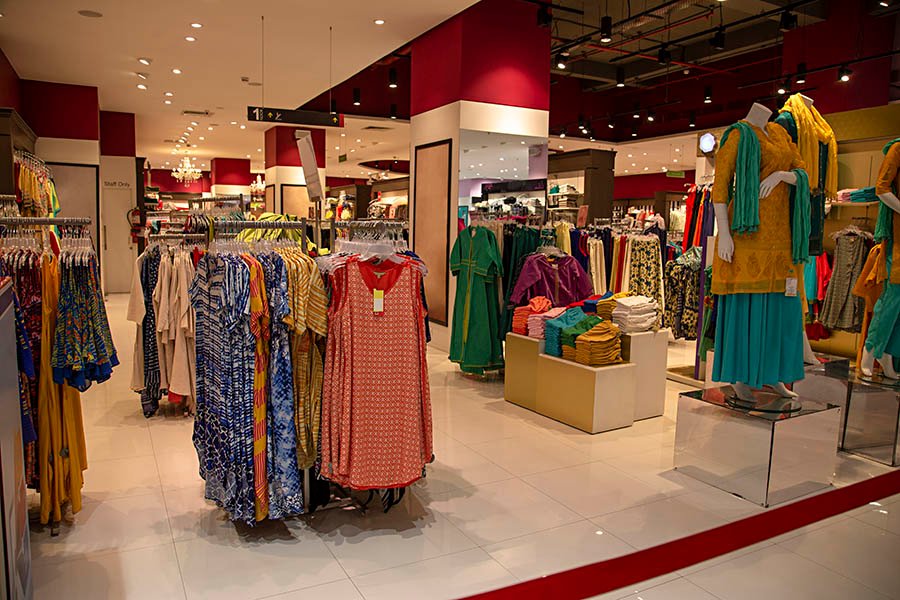
Customers often judge premium quality through touch, fit, and attention to detail rather than the price tag itself.
👉 Bless Clothing helps brands create premium apparel through custom product development, fabric sourcing, sampling, and scalable manufacturing.
Why Perceived Value Matters
Perceived value directly impacts how much customers are willing to pay.
Two garments may cost similar amounts to produce, but one can command a significantly higher retail price because it feels more premium.
Factors That Influence Perceived Value
| Factor | Customer Impact |
|---|---|
| Fabric | Very High |
| Fit | Very High |
| Branding | High |
| Packaging | Medium |
| Photography | Medium |
| Storytelling | Medium |
Key Insight
Customers don't pay more for products that cost more to make. They pay more for products that feel more valuable.
The Difference Between Expensive and Premium
Many brands confuse these concepts.
Comparison
| Expensive Product | Premium Product |
|---|---|
| Higher price | Higher perceived value |
| Not always better | Consistently better experience |
| May lack quality | Strong attention to detail |
| Price-focused | Experience-focused |
Premium products justify their pricing through execution.
1. Fabric Quality Creates the First Impression
Fabric is often the first thing customers notice.
Premium Fabric Characteristics
- Soft hand feel
- Good structure
- Durability
- Consistent color
- Excellent drape
Popular Premium Fabrics
| Fabric | Common Use |
|---|---|
| Heavyweight Cotton | T-Shirts |
| French Terry | Hoodies |
| Premium Fleece | Sweatshirts |
| Cotton Modal Blend | Loungewear |
| Organic Cotton | Lifestyle collections |
Many premium brands source materials that meet standards from OEKO-TEX® to ensure textile safety and quality.
Key Insight
A customer may not know fabric specifications, but they immediately notice how a fabric feels.
2. Fit Has a Bigger Impact Than Most Brands Realize
Fit often determines whether customers reorder.
Premium Fit Characteristics
- Balanced proportions
- Comfortable movement
- Consistent sizing
- Well-developed patterns
Fit Comparison
| Premium Fit | Poor Fit |
|---|---|
| Comfortable | Restrictive |
| Consistent | Unpredictable |
| Confidence-building | Frustrating |
Practical Advice
Invest in pattern development and sample revisions before production.
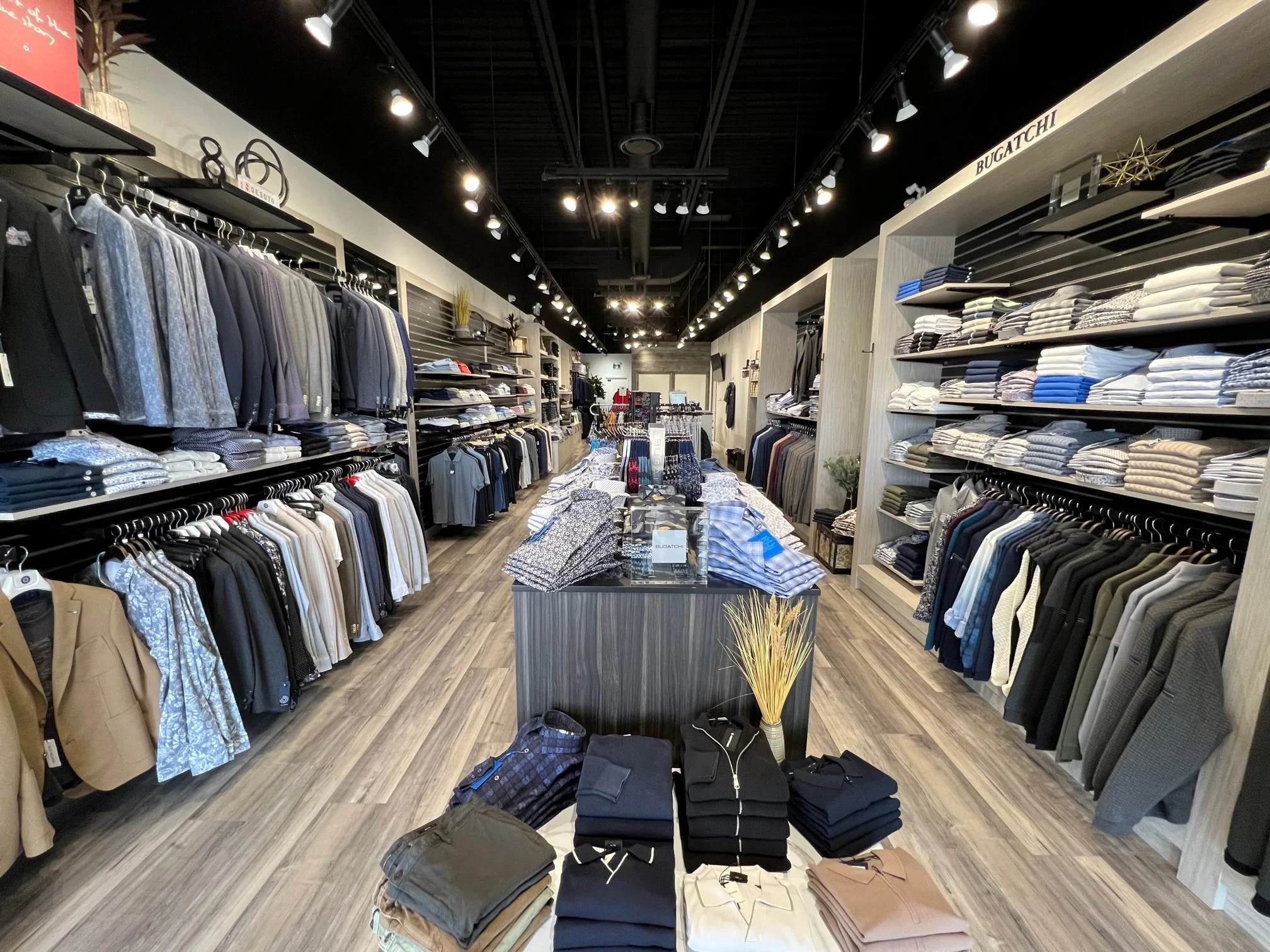
3. Garment Weight Influences Perceived Quality
Heavier garments often feel more substantial.
Example GSM Guide
| Fabric Weight | Perception |
|---|---|
| 140–180 GSM | Lightweight |
| 180–220 GSM | Standard |
| 220–300 GSM | Premium |
| 300+ GSM | Luxury Streetwear |
Important Note
Higher GSM does not automatically mean better quality, but appropriate weight can significantly increase perceived value.
4. Construction and Stitching Matter
Premium apparel is usually constructed with greater precision.
Quality Indicators
- Clean seams
- Even stitching
- Reinforced stress points
- Accurate measurements
Construction Comparison
| Premium Construction | Standard Construction |
|---|---|
| Consistent stitching | Variable stitching |
| Reinforced areas | Basic construction |
| Better durability | Faster wear |
Customers may not inspect every seam, but they notice when products feel solid.
5. Finishing Details Separate Premium Products
Small details often create the biggest difference.
Premium Finishing Elements
- Neck tape
- Branded labels
- Clean hems
- Premium trims
- Quality drawcords
Finishing Benefits
| Detail | Result |
|---|---|
| Neck tape | Better comfort |
| Woven labels | Premium image |
| Metal trims | Higher perceived value |
| Clean finishing | Professional appearance |
Key Insight
Premium products are often remembered because of details rather than major design features.
6. Branding Should Feel Intentional
Luxury brands rarely rely on oversized logos.
Premium Branding Characteristics
- Consistency
- Simplicity
- Quality materials
- Strategic placement
Branding Comparison
| Premium Branding | Weak Branding |
|---|---|
| Refined | Overcrowded |
| Consistent | Random |
| Recognizable | Generic |
Brands such as COS and A.P.C. often demonstrate how minimal branding can create strong premium perception.
7. Consistency Builds Premium Perception
Premium brands deliver predictable quality.
Areas of Consistency
- Fabric
- Fit
- Construction
- Packaging
- Customer experience
Why It Matters
| Consistent Brand | Inconsistent Brand |
|---|---|
| Builds trust | Creates uncertainty |
| Encourages reorders | Increases returns |
| Supports growth | Slows growth |
Customers expect premium products to perform consistently across every purchase.
8. Packaging Enhances Customer Experience
Packaging influences first impressions.
Premium Packaging Elements
- Custom mailers
- Branded tissue paper
- Thank-you cards
- Quality hang tags
Packaging Impact
| Packaging Type | Perceived Value |
|---|---|
| Generic | Low |
| Branded | Medium |
| Premium Presentation | High |
The unboxing experience can reinforce product value.
9. Product Photography Influences Value
Before customers touch a product, they see it online.
Premium Photography Characteristics
- Consistent lighting
- Clean backgrounds
- Accurate colors
- Professional styling
Photography Comparison
| Professional Images | Poor Images |
|---|---|
| Higher trust | Lower trust |
| Better conversions | Lower engagement |
| Premium perception | Discount perception |
Practical Advice
Strong photography can elevate perceived value before a customer even receives the product.
10. Why Simplicity Often Feels More Premium
Many premium brands embrace restraint.
Characteristics of Premium Simplicity
- Cleaner designs
- Fewer graphics
- Better fabrics
- Stronger construction
Example
A perfectly fitted heavyweight cotton T-shirt often feels more premium than a heavily decorated garment with poor construction.
Key Insight
Premium fashion is often about refinement, not complexity.
How Bless Clothing Helps Brands Create Premium Apparel
At Bless Clothing, we help brands develop premium-quality apparel that balances cost, quality, and customer expectations.
Our Services Include
- Product development
- Fabric sourcing
- Sample creation
- Quality control
- Private label manufacturing
- Bulk production
Benefits for Brands
| Service | Advantage |
|---|---|
| Fabric Sourcing | Better materials |
| Sampling | Improved fit |
| Quality Control | Consistency |
| Manufacturing | Scalable growth |
Our goal is to help brands increase perceived value without unnecessary production costs.
Premium vs Standard Apparel Comparison
| Premium Apparel | Standard Apparel |
|---|---|
| Better fabrics | Basic materials |
| Refined fit | Generic fit |
| Strong construction | Basic construction |
| Consistent quality | Variable quality |
| Thoughtful branding | Limited detail |
| Higher perceived value | Price-driven value |
FAQs
What makes clothing feel premium?
Fabric quality, fit, construction, finishing details, and consistency all contribute to premium perception.
Does premium apparel require expensive fabrics?
Not always. Strategic fabric selection and strong execution often matter more than cost alone.
Why is fit so important?
Fit directly influences comfort, confidence, and customer satisfaction.
Do customers notice construction quality?
Yes. Customers may not analyze stitching, but they notice when garments feel durable and well-made.
How does Bless Clothing help brands create premium apparel?
Bless Clothing supports brands through fabric sourcing, sampling, product development, quality control, and scalable manufacturing.
Final Thoughts
Premium apparel is not created by price tags.
It is created through deliberate choices in:
- Fabric selection
- Fit development
- Construction quality
- Finishing details
- Branding consistency
The brands that successfully build premium products focus on delivering a better overall experience rather than simply increasing production costs.
👉 If you're developing a premium clothing collection, explore Bless Clothing for custom apparel manufacturing, private label production, product development, and fabric sourcing support.
Remember: customers rarely remember the exact price of a garment, but they always remember how it made them feel.