
Table of Contents
- Quick Answer
- Overview: How Clothing Production Really Works
- Stage 1: Product Planning & Design
- Stage 2: Fabric Sourcing & Development
- Stage 3: Sampling & Fit Approval
- Stage 4: Pre-Production Preparation
- Stage 5: Bulk Production (Cutting to Sewing)
- Stage 6: Finishing & Quality Control
- Stage 7: Packaging & Shipping
- Casual vs Sleepwear Production Differences
- Production Timeline Breakdown
- How to Choose the Right Production Approach
- Common Production Mistakes
- Production Process Comparison Table
- FAQs
- Build a Reliable Production System
Quick Answer
The casual and sleepwear production process includes:
- Design and planning
- Fabric sourcing
- Sampling and fit testing
- Bulk production
- Quality control and shipping
👉 Working with an experienced manufacturer like Bless Clothing ensures each stage runs smoothly and consistently.
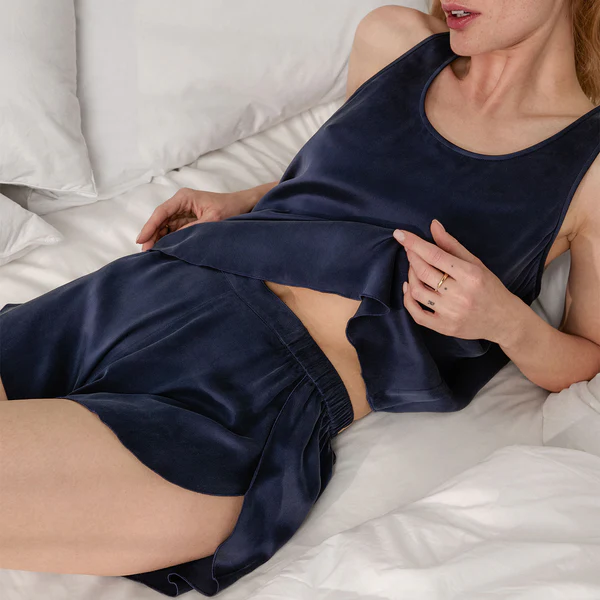
Overview: How Clothing Production Really Works
From my experience, most brands underestimate how structured the production process is.
Key stages:
- Product development
- Material preparation
- Manufacturing
- Quality control
- Delivery
Key Insight
The success of your product depends on how well you manage each stage—not just the final production.
Stage 1: Product Planning & Design
Everything starts with a clear product idea.
What happens here:
- Define product type (T-shirt, pajamas, sets)
- Create design sketches or tech packs
- Decide on fit and sizing
Design Checklist
| Element | Required |
|---|---|
| Measurements | ✅ |
| Fabric choice | ✅ |
| Logo placement | ✅ |
Stage 2: Fabric Sourcing & Development
Fabric defines your product quality.
Common fabrics:
| Fabric | Use Case |
|---|---|
| Cotton | Casual wear |
| Modal | Sleepwear |
| French Terry | Loungewear |
| Satin | Premium sleepwear |
👉 Certified fabrics like OEKO-TEX® ensure safety and consistency.
Practical Insight
- Casualwear = durability + structure
- Sleepwear = softness + comfort
Stage 3: Sampling & Fit Approval
Sampling is where your design becomes real.
Process:
- Initial sample
- Fit testing
- Adjustments
- Final approval
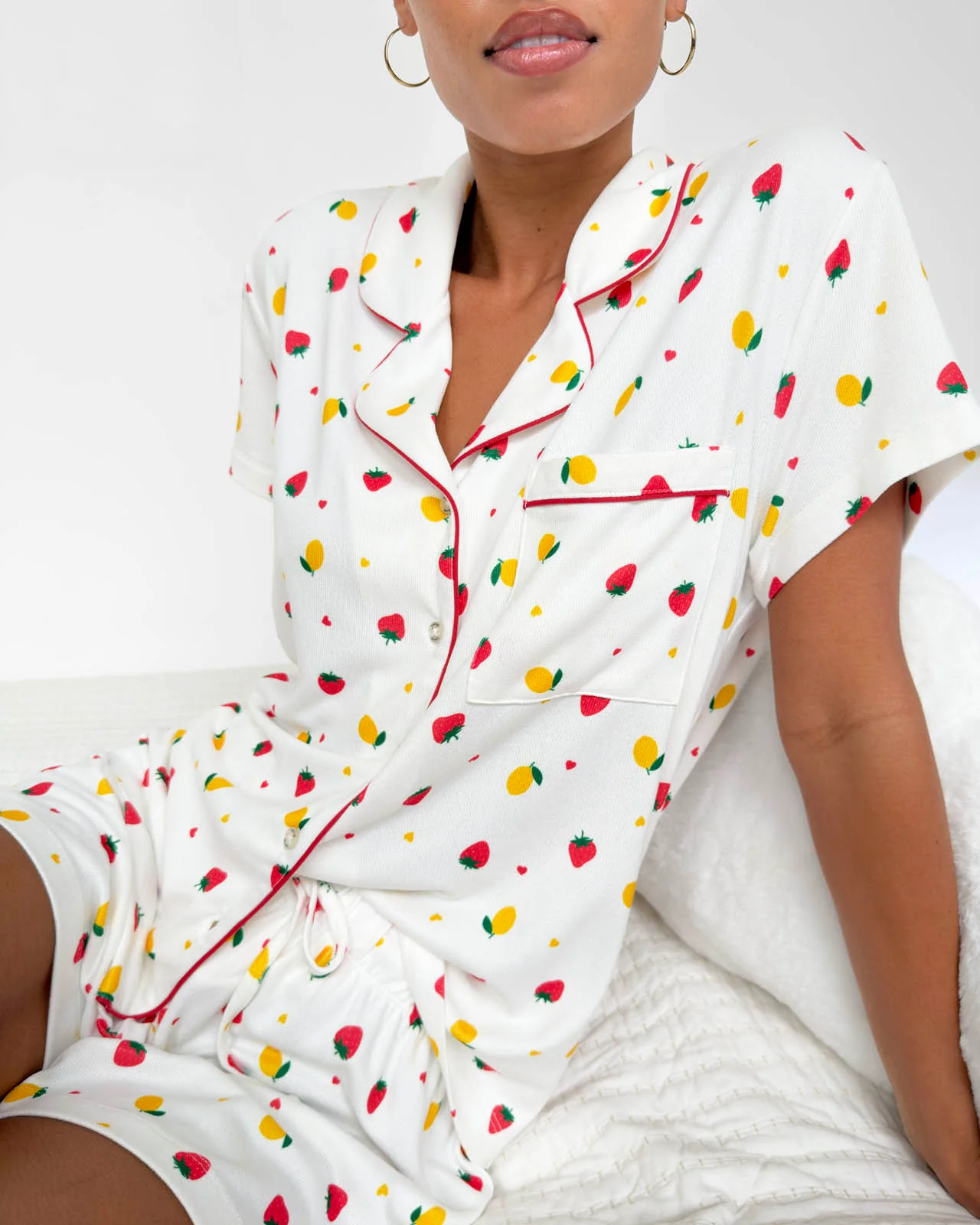
Sample Evaluation Table
| Factor | Check |
|---|---|
| Fit | Accurate |
| Fabric | Comfortable |
| Stitching | Durable |
| Finish | Clean |
Key Insight
A good sample prevents most production problems.
Stage 4: Pre-Production Preparation
Before bulk production begins:
Tasks include:
- Ordering bulk fabric
- Preparing labels and packaging
- Scheduling production
Why It Matters
Mistakes here lead to:
- Delays
- Increased costs
- Quality issues
Stage 5: Bulk Production (Cutting to Sewing)
This is the main manufacturing stage.
Steps:
- Fabric inspection
- Cutting
- Sewing
- Assembly
Production Flow Table
| Step | Purpose |
|---|---|
| Cutting | Shape fabric |
| Sewing | Assemble garment |
| Assembly | Final structure |
Stage 6: Finishing & Quality Control
Finishing improves product quality.
Common finishing processes:
- Trimming threads
- Washing (enzyme, garment wash)
- Ironing
Quality Control Includes:
- Inline inspection
- Final inspection
- Random checks
👉 Standards like BSCI ensure ethical production.
Pro Tip
Always request QC reports before shipment.
Stage 7: Packaging & Shipping
Final stage before delivery.
Includes:
- Folding and packing
- Labeling
- Carton packing
- Shipping
Shipping Options
| Method | Best For |
|---|---|
| Air freight | Fast delivery |
| Sea freight | Cost saving |
Casual vs Sleepwear Production Differences
Although similar, there are key differences.
| Factor | Casual Wear | Sleepwear |
|---|---|---|
| Fabric focus | Durability | Comfort |
| Fit | Structured | Relaxed |
| Finishing | Standard | Softening |
Insight
Sleepwear requires more focus on:
- Softness
- Skin comfort
Production Timeline Breakdown
Typical timeline:
| Stage | Duration |
|---|---|
| Sampling | 7–10 days |
| Production | 25–35 days |
| Shipping | 7–30 days |
Key Insight
Delays usually happen during:
- Sampling
- Fabric sourcing
How to Choose the Right Production Approach
Different approaches fit different brands.
Options:
| Approach | Best For |
|---|---|
| Private label | Fast launch |
| OEM | Custom products |
| Hybrid | Growth stage |
👉 A partner like Bless Clothing can support all approaches.
Common Production Mistakes
Avoid these:
- Poor tech packs
- Skipping samples
- Choosing cheapest factory
- Ignoring QC
Reality Insight
Most production failures come from:
Lack of preparation, not manufacturing itself
Production Process Comparison Table
| Stage | Risk Level | Importance |
|---|---|---|
| Design | Medium | High |
| Fabric sourcing | High | High |
| Sampling | High | Critical |
| Production | Medium | High |
| QC | High | Critical |
FAQs
1. How long does clothing production take?
Typically 3–6 weeks depending on complexity.
2. What is the most important stage?
Sampling and fabric sourcing.
3. Can I skip sampling?
No—it leads to major production risks.
4. What affects production cost most?
Fabric and quantity.
5. How do I ensure quality?
Use proper QC and reliable manufacturers.
Build a Reliable Production System
To succeed in casual and sleepwear production:
- Plan carefully
- Focus on fabric and fit
- Work with experienced partners
👉 Collaborate with Bless Clothing to ensure smooth production and consistent quality.
Final Insight
The best brands don’t just design products—they build reliable production systems that deliver consistent results every time.