
Table of Contents
- Quick Answer
- Why T-Shirts Are the Foundation of Casual Brands
- What a Casual T-Shirt Manufacturer Does
- T-Shirt Fabric Guide (What Actually Matters)
- Fabric Weight (GSM) Explained
- Fit & Pattern Development
- Printing & Decoration Options
- Step-by-Step Production Process
- MOQ, Pricing & Lead Times
- How to Choose the Right Manufacturer
- Common T-Shirt Production Mistakes
- Fabric Comparison Table
- FAQs
- Build a Scalable T-Shirt Product Line
Quick Answer
A casual T-shirt manufacturer helps brands produce high-quality basics by focusing on:
- Fabric quality (feel, durability, weight)
- Fit consistency (pattern and sizing)
- Production stability
👉 If you get these three right, your T-shirts can become your best-selling and repeat-purchase product. A reliable factory like Bless Clothing can support you from sampling to bulk production.
Why T-Shirts Are the Foundation of Casual Brands
From my experience, almost every successful casual brand starts with T-shirts.
Why they work:
- Universal demand
- Simple sizing
- Easy to scale
- Strong branding potential

👉 According to Statista, T-shirts remain one of the most sold apparel categories globally.
Key Insight
A great T-shirt is not just a product—it’s a brand identity carrier.
What a Casual T-Shirt Manufacturer Does
A professional manufacturer supports your entire production process.
Core services include:
- Fabric sourcing
- Pattern development
- Sampling & fit adjustments
- Bulk production
- Quality control
Why This Matters
T-shirts may look simple, but consistency is difficult:
- Fabric variation
- Fit inconsistency
- Printing issues
T-Shirt Fabric Guide (What Actually Matters)
Fabric determines how your product feels and performs.
Common T-shirt fabrics:
| Fabric | Feel | Best Use |
|---|---|---|
| 100% Cotton | Soft & breathable | Everyday wear |
| Cotton/Poly | Durable | Activewear |
| Organic Cotton | Eco-friendly | Premium brands |
| Modal Blend | Smooth/stretchy | High-end comfort |
👉 Certifications like OEKO-TEX® ensure fabric safety and quality.
Practical Insight
- Cotton = safest starting point
- Blends = better durability
- Premium fabrics = stronger brand value
Fabric Weight (GSM) Explained
GSM (grams per square meter) defines fabric thickness.
Common GSM ranges:
| GSM Range | Feel | Positioning |
|---|---|---|
| 120–160 | Lightweight | Budget/basic |
| 180–220 | Midweight | Standard |
| 240–300 | Heavyweight | Premium |
Key Insight
- Higher GSM = premium perception
- Lower GSM = more breathable
Fit & Pattern Development
Fit is what customers remember.
Common T-shirt fits:
1. Regular Fit
- Standard sizing
- Broad appeal
2. Oversized Fit
- Trend-driven
- Streetwear brands
3. Slim Fit
- Tailored look
- Lifestyle brands
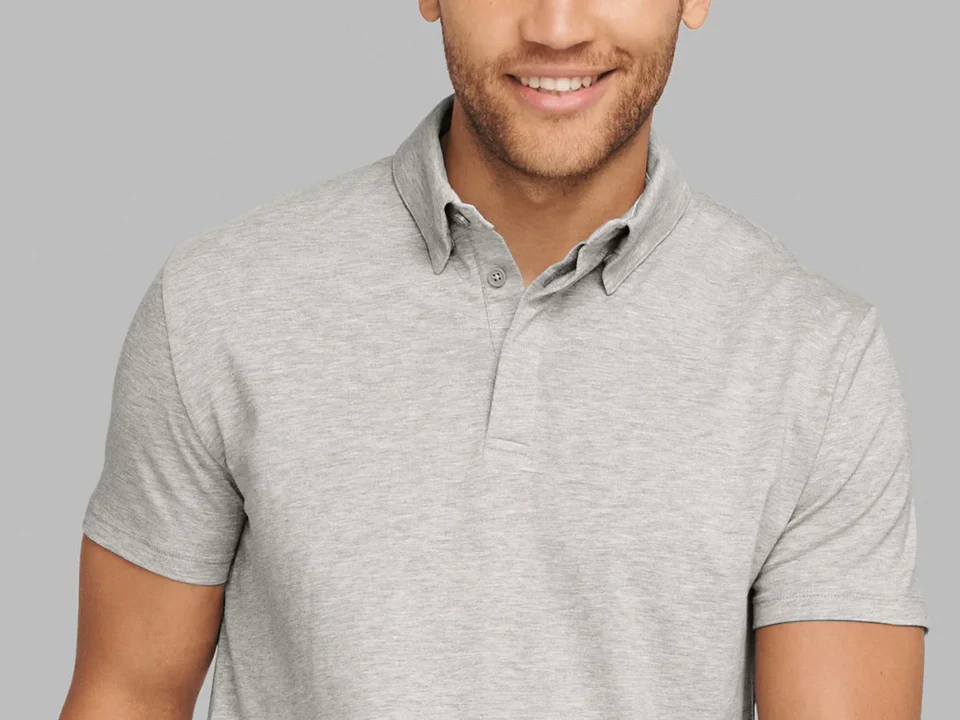
Fit Comparison Table
| Fit Type | Target Market | Demand |
|---|---|---|
| Regular | Mass market | High |
| Oversized | Streetwear | High |
| Slim | Lifestyle | Medium |
Fit Development Tip
- Consistent sizing = lower returns
- Pattern accuracy = brand trust
Printing & Decoration Options
T-shirts are perfect for branding.
Common printing methods:
| Method | Best For |
|---|---|
| Screen Printing | Bulk production |
| DTG (Direct to Garment) | Small runs |
| Heat Transfer | Custom designs |
| Embroidery | Premium branding |
Practical Tip
- Screen printing = cost-efficient for volume
- DTG = flexible for testing designs
Step-by-Step Production Process
Here’s how T-shirts are produced:
Steps:
- Fabric sourcing
- Pattern creation
- Sampling
- Printing preparation
- Bulk production
- Quality inspection
Production Flow Table
| Stage | Purpose |
|---|---|
| Sampling | Validate fit |
| Printing | Apply branding |
| Production | Manufacture |
| Inspection | Ensure quality |
MOQ, Pricing & Lead Times
Typical ranges:
| Item | Range |
|---|---|
| MOQ | 100–300 pcs |
| Sample time | 7–10 days |
| Production | 20–30 days |
Cost Insight
- Fabric quality drives cost
- Printing complexity increases price
How to Choose the Right Manufacturer
Choosing the right partner is critical.
What I recommend checking:
- Fabric consistency
- Fit accuracy
- Printing capability
- Communication quality
Decision Framework
| Brand Stage | Best Choice |
|---|---|
| Startup | Low MOQ supplier |
| Growing brand | OEM manufacturer |
| Premium brand | Specialized factory |
👉 A trusted partner like Bless Clothing can support all stages.
Common T-Shirt Production Mistakes
Avoid these:
- Choosing wrong fabric weight
- Ignoring fit consistency
- Overcomplicating designs
- Skipping sample testing
Reality Insight
Most issues come from:
- Poor fabric selection
- Weak pattern development
Fabric Comparison Table
| Fabric Type | Comfort | Durability | Price |
|---|---|---|---|
| Cotton | High | Medium | Low |
| Cotton/Poly | Medium | High | Medium |
| Organic Cotton | High | Medium | High |
| Modal Blend | Very High | Medium | High |
FAQs
1. What is the best fabric for T-shirts?
100% cotton for basics, modal blends for premium comfort.
2. What GSM is best?
180–220 GSM is the most versatile range.
3. What is MOQ?
Usually 100–300 pieces per style.
4. How long does production take?
Around 3–4 weeks after sample approval.
5. What printing method is best?
Screen printing for bulk, DTG for small runs.
Build a Scalable T-Shirt Product Line
To succeed with T-shirts:
- Focus on fabric quality
- Perfect your fit
- Keep designs simple
👉 Work with an experienced manufacturer like Bless Clothing to build and scale your T-shirt collection.
Final Insight
The best-selling T-shirts are not the most complex—they are the ones that fit well, feel great, and stay consistent across every production batch.