
Cotton and polyester are two of the most common fabrics used in casual clothing. Both can work well, but they provide different comfort, appearance, durability, and care benefits.
From my experience developing casualwear products, I do not believe one fabric is always better than the other. The right choice depends on what the garment needs to do.
Choose cotton for softness and a natural everyday feel. Choose polyester for durability, shape retention, and faster drying. Choose a cotton-polyester blend when you need a balance of both.
This guide compares cotton and polyester in simple terms and helps consumers and clothing brands choose the right fabric.
Table of Contents
- Quick Answer
- Cotton vs Polyester Comparison
- Comfort and Breathability
- Moisture and Drying Speed
- Durability and Shape Retention
- Appearance and Hand Feel
- Washing and Care
- Cost and Production
- When to Choose Cotton
- When to Choose Polyester
- Should You Choose a Blend
- Best Fabric by Casualwear Product
- Advice for Clothing Brands
- FAQ
- Conclusion
Quick Answer
Cotton is usually better for soft, breathable, natural-feeling casual clothing.
Polyester is usually better for durable, quick-drying, wrinkle-resistant garments that need to hold their shape.
A cotton-polyester blend is often the most practical choice for everyday casualwear because it combines cotton comfort with polyester stability.
| Your Main Priority | Better Choice |
|---|---|
| Soft and natural feel | Cotton |
| Quick drying | Polyester |
| Easy care | Polyester |
| Everyday comfort | Cotton |
| Shape retention | Polyester |
| Vintage or washed appearance | Cotton |
| Travel clothing | Polyester or blend |
| Balanced performance | Cotton-polyester blend |
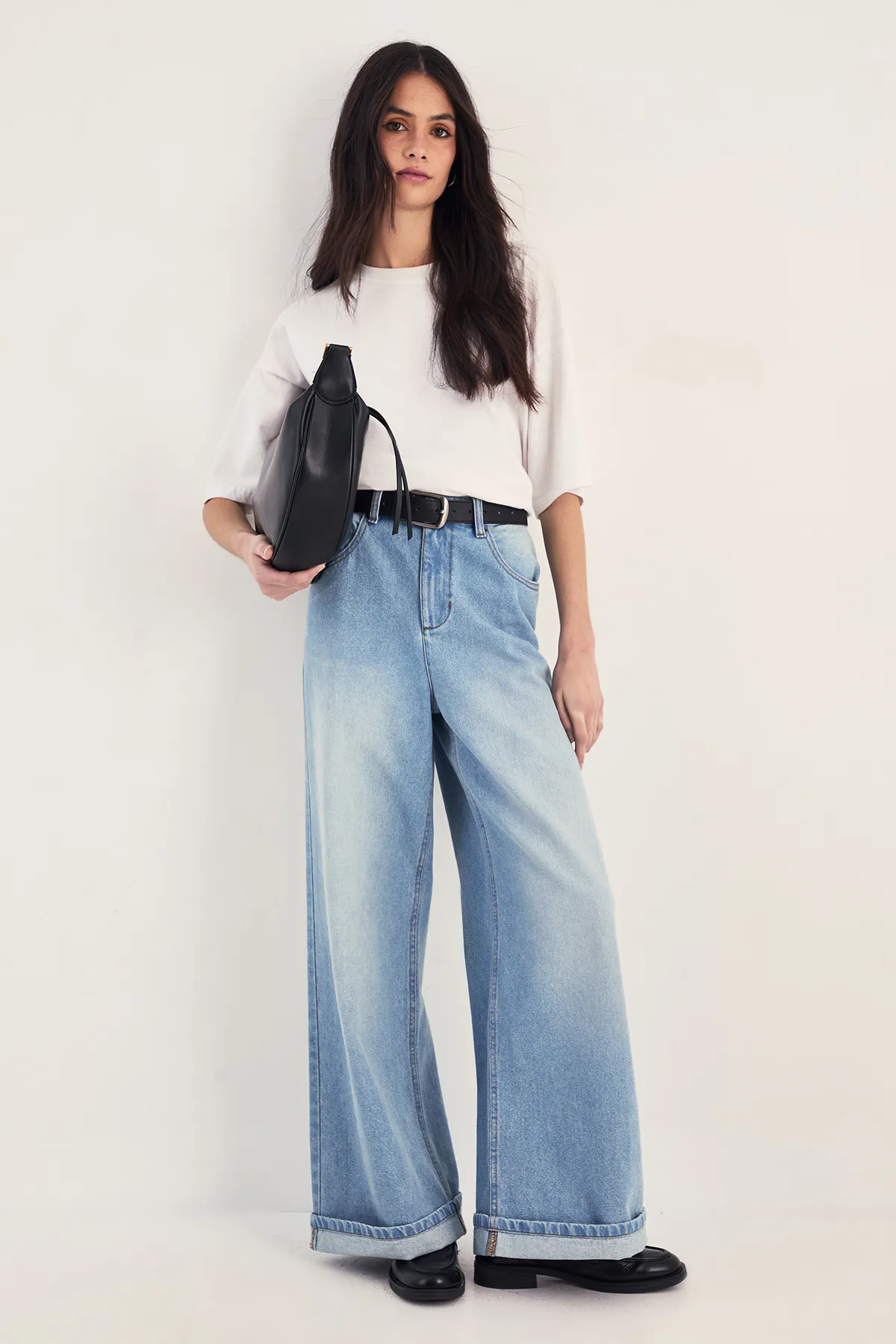
The final performance also depends on fabric weight, yarn quality, knitting structure, finishing, and garment construction.
Cotton vs Polyester Comparison
| Feature | Cotton | Polyester |
|---|---|---|
| Fiber Type | Natural plant-based fiber | Synthetic manufactured fiber |
| Hand Feel | Usually soft and natural | Can feel smooth, crisp, or technical |
| Moisture Absorption | Absorbs more moisture | Absorbs less moisture |
| Drying Speed | Usually slower | Usually faster |
| Wrinkle Resistance | Lower | Higher |
| Shape Retention | May relax after wear | Usually holds shape better |
| Shrinkage Risk | Higher if not controlled | Usually lower |
| Durability | Good | Generally very strong |
| Pilling Risk | Depends on yarn and construction | Can pill in lower-quality fabrics |
| Best Use | T-shirts, loungewear, everyday basics | Travel wear, outerwear, performance casualwear |
This table provides a general comparison. Two fabrics with the same fiber composition can still perform differently because of their construction and finishing.
Comfort and Breathability
Cotton is often preferred for casual clothing because it feels soft and comfortable against the skin.
It works especially well for:
- Everyday T-shirts
- Loungewear
- Pajamas
- Summer tops
- Sweatshirts
- Relaxed clothing
Cotton can absorb moisture, which may help the garment feel comfortable during normal daily activities. However, once it becomes heavily wet, it may take longer to dry.
Polyester absorbs less moisture and can feel less natural than cotton. However, modern polyester fabrics can be made with soft yarns, brushed surfaces, mesh structures, and moisture-management finishes.
The Cotton Incorporated Fabric Technology Guide explains how fabric technologies can also improve cotton performance.
Fiber content matters, but fabric construction is equally important.
A lightweight polyester mesh may feel more breathable than a very thick cotton jersey. Always evaluate the finished fabric rather than relying only on the fiber label.
Moisture and Drying Speed
Cotton and polyester manage moisture differently.
Cotton
Cotton absorbs moisture into the fiber. This can make it comfortable for low-intensity daily wear, but the fabric may feel heavy when very wet.
Cotton is suitable for:
- Daily errands
- Relaxed weekends
- Casual office clothing
- Light outdoor use
- Comfortable indoor wear
Polyester
Polyester absorbs less moisture into the fiber and normally dries faster.
It is often preferred for:
- Travel clothing
- Active-inspired casualwear
- Lightweight jackets
- Outdoor casualwear
- Hot or humid conditions
- Garments washed frequently
However, not every polyester fabric automatically wicks sweat. Moisture-wicking performance depends on the yarn, fabric structure, and finishing treatment.
Brands comparing synthetic materials can review the Textile Exchange Polyester Guide.
Durability and Shape Retention
Polyester generally has strong durability and shape retention.
It can help garments:
- Resist excessive wrinkling
- Hold their shape
- Dry quickly after washing
- Maintain pleats or structured details
- Perform well during frequent use
Cotton is also durable, but it may shrink, crease, or relax more easily if the fabric and production process are not properly controlled.
In casualwear manufacturing, cotton shrinkage should be tested before bulk production. The pattern and measurements may need adjustment based on the test result.
Which Lasts Longer?
Polyester often has better resistance to repeated wear and washing.
However, garment life also depends on:
- Fabric weight
- Yarn quality
- Stitching
- Colorfastness
- Washing method
- Surface finishing
- Product use
A high-quality cotton fabric can last longer than a poorly made polyester fabric.
Appearance and Hand Feel
Cotton usually creates a soft, natural, and familiar appearance.
It is a good choice for brands offering:
- Premium basics
- Minimal casualwear
- Vintage-inspired clothing
- Washed garments
- Lifestyle collections
- Comfortable loungewear
Polyester can create a smoother, cleaner, or more technical appearance.
It works well for:
- Modern lifestyle clothing
- Travel collections
- Lightweight outerwear
- Wrinkle-resistant shirts
- Sport-inspired casualwear
- Structured pleated products
Important Manufacturing Note
Do not judge fabric only by composition.
For example, two fabrics labeled “100% cotton” can have very different:
- Weights
- Textures
- Softness
- Stretch
- Drape
- Shrinkage
- Prices
The same is true for polyester.
Brands can compare different weights, structures, finishes, and performance requirements through Custom Fabric Development.
Washing and Care
Polyester is usually easier to care for because it dries quickly and resists wrinkles.
Cotton may require more careful washing, especially when the garment uses:
- Dark colors
- Garment dyeing
- Heavyweight jersey
- Special washing effects
- Unstable rib fabric
- Untreated natural fibers
| Care Requirement | Cotton | Polyester |
|---|---|---|
| Drying Speed | Slower | Faster |
| Wrinkle Resistance | Lower | Higher |
| Shrinkage Risk | Moderate to high | Usually low |
| Ironing Need | More likely | Less likely |
| Shape Stability | Moderate | Good |
| Heat Sensitivity | Moderate | Higher |
Polyester can be sensitive to excessive heat, so washing and ironing instructions must still be accurate.
Brands selling apparel in the United States should review the FTC Care Labeling Guide when preparing care instructions.
Cost and Production
Polyester is often more cost-effective for products that require durability, fast drying, color consistency, or easy maintenance.
Cotton costs can vary significantly according to:
- Cotton quality
- Yarn type
- Fabric weight
- Certification
- Dyeing method
- Finishing treatment
- Order quantity
Polyester costs also vary. A soft, high-quality microfiber polyester may cost more than a basic cotton blend.
From my production experience, brands should not compare fabric prices without comparing complete specifications.
Ask the manufacturer to confirm:
- Fiber composition
- Fabric weight
- Usable width
- Stretch
- Shrinkage
- Colorfastness
- Pilling performance
- Surface finish
- Order minimum
The cheapest fabric is not always the lowest-cost option if it creates defects, returns, or customer complaints.
When to Choose Cotton
Choose cotton when your main priorities are:
- Softness
- Natural hand feel
- Everyday comfort
- Breathable basics
- Garment washing
- Vintage styling
- Premium casual positioning
Cotton is especially suitable for:
| Product | Why Cotton Works |
|---|---|
| Basic T-shirts | Soft and familiar |
| Oversized T-shirts | Natural drape and substantial feel |
| Loungewear | Comfortable against the skin |
| Pajamas | Soft for long periods of wear |
| Sweatshirts | Warm and casual appearance |
| Casual shirts | Natural texture and comfort |
Brands developing cotton basics can explore the Custom T-Shirts Catalog.
Avoid choosing cotton only because it is natural. Make sure the fabric also meets your requirements for shrinkage, weight, color, and durability.
When to Choose Polyester
Choose polyester when your main priorities are:
- Fast drying
- Wrinkle resistance
- Shape retention
- Frequent washing
- Lightweight durability
- Travel convenience
- Performance-inspired styling
Polyester is especially suitable for:
| Product | Why Polyester Works |
|---|---|
| Travel pants | Easy care and low wrinkling |
| Lightweight jackets | Durable and quick-drying |
| Casual uniforms | Stable under frequent washing |
| Performance polos | Moisture-management options |
| Pleated garments | Good shape retention |
| Outdoor casualwear | Practical and durable |
Polyester can also work for everyday T-shirts, but the fabric should be checked for softness, breathability, pilling, and odor management.
Should You Choose a Blend?
A cotton-polyester blend combines characteristics from both fibers.
Cotton contributes:
- Softness
- Natural feel
- Comfort
- Moisture absorption
Polyester contributes:
- Durability
- Shape retention
- Faster drying
- Wrinkle resistance
Blends are often suitable for:
- Hoodies
- Sweatshirts
- Joggers
- Uniforms
- Casual T-shirts
- Everyday basics
When a Blend Is the Best Choice
Choose a blend when you want:
- More stability than pure cotton
- A softer feel than basic polyester
- Lower shrinkage risk
- Easier garment care
- Better durability for repeated use
The exact result depends on the blend ratio and fabric structure. A cotton-rich blend may feel more natural, while a polyester-rich blend may feel more technical and dry faster.
Best Fabric by Casualwear Product
| Product | Recommended Choice | Main Reason |
|---|---|---|
| Premium T-shirt | Cotton | Soft, natural appearance |
| Everyday T-shirt | Cotton or blend | Comfort with practical care |
| Hoodie | Cotton-polyester blend | Softness and stability |
| Sweatshirt | Cotton or blend | Comfort and shape balance |
| Joggers | Blend | Durability and recovery |
| Pajamas | Cotton | Skin comfort |
| Travel Pants | Polyester or blend | Quick drying and low wrinkling |
| Casual Jacket | Polyester or blend | Durability and structure |
| Casual Polo | Cotton blend or polyester | Depends on lifestyle or performance use |
| Loungewear | Cotton or cotton-rich blend | Softness and comfort |
My practical recommendation is:
Use cotton when comfort is the selling point, polyester when performance is the selling point, and a blend when versatility is the selling point.
Advice for Clothing Brands
Before selecting cotton or polyester for a collection, define the target customer and product use.
Choose Cotton When Your Brand Focuses On
- Premium basics
- Natural textures
- Lifestyle clothing
- Vintage washes
- Comfort-first loungewear
Choose Polyester When Your Brand Focuses On
- Easy-care clothing
- Travel collections
- Outdoor lifestyles
- Performance-inspired designs
- Durable uniforms
Choose a Blend When Your Brand Needs
- Reliable bulk production
- Lower shrinkage
- Stable sizing
- Frequent washing
- Balanced cost and comfort
Before bulk production, test:
- Fabric weight
- Shrinkage
- Colorfastness
- Pilling
- Stretch and recovery
- Appearance after washing
- Printing or embroidery compatibility
The approved fabric and garment sample should become the production reference. Brands can use structured Quality Control Services to check materials, measurements, construction, and finished garments.
For custom labels, packaging, fabrics, and brand presentation, review Private Label Clothing Manufacturing.
FAQ
Is cotton better than polyester for casual wear?
Cotton is usually better for soft, natural-feeling everyday clothing. Polyester is better when durability, quick drying, and easy care are more important.
Is polyester uncomfortable?
Not always. The comfort of polyester depends on yarn quality, fabric construction, weight, and finishing. Modern polyester fabrics can be soft and lightweight.
Which fabric is better for summer?
Lightweight cotton is comfortable for everyday summer wear. Lightweight or moisture-management polyester may be better for travel, outdoor activities, or heavier sweating.
Which fabric shrinks more?
Cotton generally has a higher shrinkage risk. Polyester usually holds its size and shape better.
Which fabric dries faster?
Polyester normally dries faster because it absorbs less moisture into the fiber.
Is cotton-polyester blend good for casualwear?
Yes. It offers a practical balance of cotton comfort and polyester durability, making it suitable for T-shirts, hoodies, sweatshirts, and joggers.
Which fabric is better for printing?
Both can support printing, but the correct method depends on the artwork, fabric color, construction, and heat sensitivity. Testing should be completed before bulk production.
Which fabric is more expensive?
It depends on fabric quality and specifications. Premium cotton can cost more than standard polyester, while technical or high-quality polyester can also be expensive.
What should a new clothing brand choose?
Choose cotton for premium comfort-focused basics, polyester for performance or travel products, and blends for practical everyday collections.
Conclusion
Cotton and polyester are both useful for casual wear, but they serve different needs.
Choose cotton for:
- Softness
- Natural hand feel
- Everyday comfort
- Premium casual basics
Choose polyester for:
- Durability
- Fast drying
- Wrinkle resistance
- Shape retention
Choose a cotton-polyester blend for:
- Balanced comfort
- Easier care
- Better stability
- Versatile everyday products
From my experience, the best choice is not based on fiber name alone. Fabric weight, construction, finishing, quality, and product use are equally important.
Bless Clothing supports casualwear brands with fabric development, sampling, private labeling, bulk manufacturing, and quality control.