
Table of Contents
- Quick Answer
- What “Custom Casual Wear Manufacturing” Really Means
- Design Stage: Turning Ideas Into Real Products
- Fabric & Material Development
- Sampling Process: Where Most Brands Win or Fail
- Pre-Production Setup (Critical Step)
- Bulk Production Workflow Explained
- Quality Control System in Apparel Manufacturing
- Timeline & Lead Time Planning
- Cost Structure & Pricing Strategy
- How to Choose the Right Manufacturer
- Common Mistakes in Casual Wear Production
- Production Comparison Table
- FAQs
- Build a Scalable Casual Wear Production System
Quick Answer
A custom casual wear manufacturer helps you go from design concept to bulk production by managing:
- Product development
- Fabric sourcing
- Sampling & revisions
- Mass production
- Quality control
👉 The key to success is choosing a factory that can maintain consistency from first sample to final shipment, such as Bless Clothing.
What “Custom Casual Wear Manufacturing” Really Means
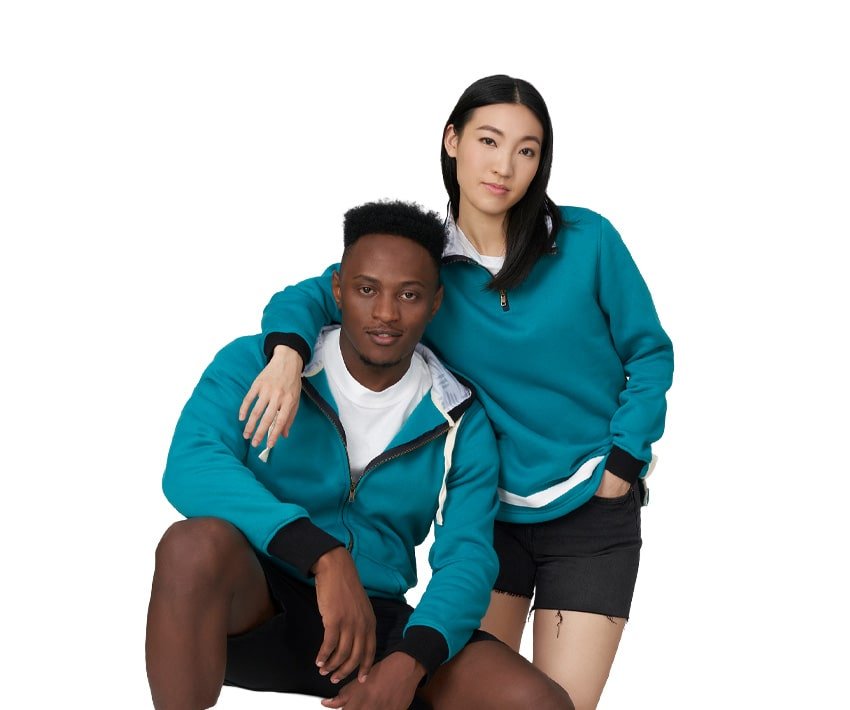
Custom manufacturing is about building products from scratch, not modifying existing ones.
You control:
- Design
- Fit
- Fabric
- Branding
The factory handles:
- Technical development
- Production execution
- Quality assurance
Why This Matters
Custom production allows you to:
- Differentiate your brand
- Control product quality
- Build long-term scalability
Design Stage: Turning Ideas Into Real Products
Every successful product starts with a clear design.
What you need:
- Tech pack (measurements, details)
- Reference images
- Fabric direction
Design Checklist
| Item | Required |
|---|---|
| Size chart | ✅ |
| Fabric choice | ✅ |
| Logo placement | ✅ |
| Construction details | ✅ |
Pro Tip:
Clear design inputs reduce:
- Sampling errors
- Production delays
Fabric & Material Development
Fabric defines your product’s identity.
Common casual wear fabrics:
| Fabric | Use Case | Positioning |
|---|---|---|
| Cotton | T-shirts, basics | Entry-level |
| French Terry | Sweatshirts | Mid-range |
| Fleece | Hoodies | Premium |
| Blends | Performance wear | Functional |
👉 Certified materials like OEKO-TEX® ensure safety and compliance.
Key Insight:
Fabric affects:
- Comfort
- Durability
- Price positioning
Sampling Process: Where Most Brands Win or Fail
Sampling is the most important phase.
Typical steps:
- First sample creation
- Fit testing
- Fabric evaluation
- Adjustments
- Final approval sample
Sampling Evaluation Table
| Factor | What to Check |
|---|---|
| Fit | Accurate sizing |
| Fabric feel | Comfort level |
| Stitching | Durability |
| Shrinkage | After wash |
Reality Insight:
Most production problems come from:
- Rushed sample approval
- Poor communication
Pre-Production Setup (Critical Step)
Before bulk production starts, everything must be confirmed.
Pre-production includes:
- Fabric bulk order
- Label & trim production
- Final sample approval
- Production scheduling
Why This Step Matters
Mistakes here lead to:
- Bulk defects
- Delays
- Increased costs
Bulk Production Workflow Explained
Here’s how real factories handle mass production:
Production flow:
- Fabric inspection
- Cutting
- Sewing
- Finishing
- Inspection
- Packaging
Production Flow Table
| Stage | Purpose |
|---|---|
| Cutting | Prepare fabric |
| Sewing | Assemble garments |
| Finishing | Final adjustments |
| Inspection | Quality check |
Quality Control System in Apparel Manufacturing
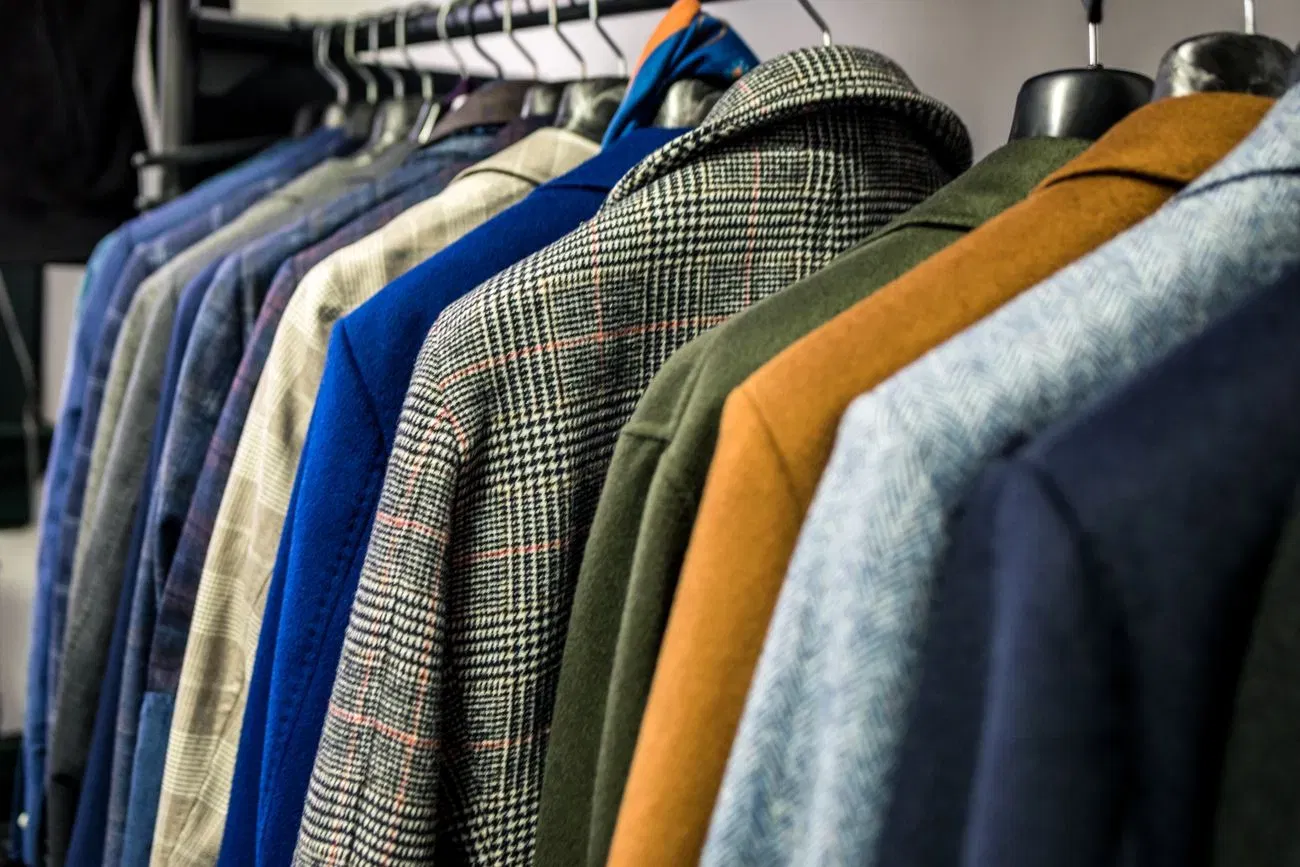
Consistency is key in casual wear.
Standard QC process:
- Incoming material inspection
- Inline production checks
- Final AQL inspection
👉 Ethical standards like BSCI also ensure responsible manufacturing.
Pro Tip:
Always request:
- QC reports
- Production photos
Timeline & Lead Time Planning
Understanding timing helps avoid delays.
Typical timeline:
| Stage | Duration |
|---|---|
| Sampling | 7–10 days |
| Revisions | 5–7 days |
| Bulk production | 25–35 days |
| Shipping | 7–15 days |
Key Insight:
Delays usually come from:
- Fabric sourcing
- Sample changes
Cost Structure & Pricing Strategy
Casual wear costs depend on multiple factors.
Cost breakdown:
| Component | Impact |
|---|---|
| Fabric | Highest |
| Labor | Medium |
| Branding | Medium |
| Packaging | Low |
Pricing Strategy:
- Start simple to control cost
- Scale volume to reduce unit price
How to Choose the Right Manufacturer
This decision determines your long-term success.
What I personally look for:
- Strong sampling capability
- Fabric sourcing flexibility
- Reliable communication
- Scalable production
Decision Guide
| Brand Stage | Best Choice |
|---|---|
| Startup | Low MOQ factory |
| Growing brand | OEM manufacturer |
| Premium brand | Specialized supplier |
Common Mistakes in Casual Wear Production
Avoid these:
- Overcomplicating designs
- Ignoring fabric quality
- Choosing cheapest supplier
- Skipping testing
- Poor planning
Reality Insight:
Success comes from:
- Simplicity
- Consistency
- Strong execution
Production Comparison Table
| Factor | Basic Supplier | Professional Manufacturer |
|---|---|---|
| Customization | Limited | Full |
| Quality | Inconsistent | Stable |
| Communication | Weak | Strong |
| Scalability | Low | High |
FAQs
1. What is custom casual wear manufacturing?
Producing apparel based on your own design and specifications.
2. How long does the process take?
Around 4–6 weeks including sampling and production.
3. What is MOQ?
Usually 100–300 pieces per style.
4. Can I customize everything?
Yes—fabric, fit, branding, and packaging.
5. How do I reduce risk?
Start small and test before scaling.
Build a Scalable Casual Wear Production System
If you want long-term success, focus on:
- Product consistency
- Reliable production
- Strong manufacturer partnership
👉 Work with a trusted factory like Bless Clothing to turn your designs into scalable products.
Final Insight
Great brands are not built on one product—they are built on repeatable production systems that deliver consistent quality at scale.