Table of Contents
Introduction
Custom jackets represent one of the most profitable categories in B2B apparel. Whether you're building a streetwear brand, outfitting a corporate team, or creating a fashion collection, understanding the custom jacket manufacturing process is essential for success.
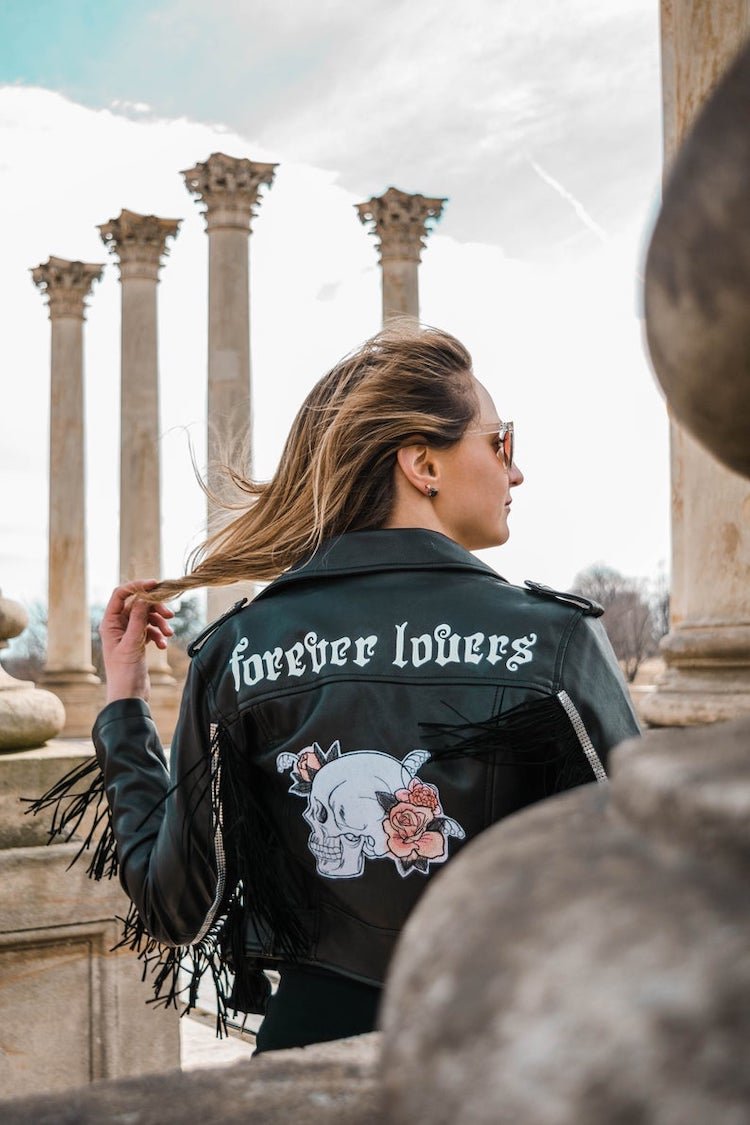
This guide covers everything from fabric selection to quality control, helping you make informed decisions at every stage. For personalized assistance with contact us, our team is ready to help.
Jacket Types for B2B Buyers
Understanding jacket types helps you target the right market segment:
Lightweight Jackets
- Windbreakers: Nylon/polyester shells, water-resistant, lightweight. Ideal for spring/fall collections and corporate giveaways. Price range: $10-25 per piece.
- Bomber Jackets: Nylon shell with ribbed cuffs and waistband. Popular in streetwear fashion. Price range: $15-30 per piece.
- Track Jackets: Polyester with tricot lining. Classic athletic style, increasingly popular in casual fashion. Price range: $10-20 per piece.
Midweight Jackets
- Varsity Jackets: Wool body with leather sleeves. Premium positioning, high perceived value. Price range: $30-60 per piece.
- Softshell Jackets: Stretch fabric with fleece lining. Versatile, suitable for outdoor and casual wear. Price range: $15-35 per piece.
- Denim Jackets: Cotton denim in various weights. Timeless style with broad market appeal. Price range: $12-25 per piece.
Heavyweight Jackets
- Puffer/Down Jackets: Insulated with down or synthetic fill. High warmth-to-weight ratio. Price range: $20-50 per piece.
- Work Jackets: Heavy canvas or duck cotton. Durable, functional, industrial aesthetic. Price range: $15-30 per piece.
- Leather Jackets: Genuine or PU leather. Premium positioning, higher price point. Price range: $30-100+ per piece.
Fabric Selection Guide
Fabric choice significantly impacts your jacket's performance, appearance, and cost:
| Fabric | Properties | Best For | Cost |
|---|---|---|---|
| Nylon | Lightweight, water-resistant, durable | Windbreakers, bombers | Low-Medium |
| Polyester | Quick-dry, wrinkle-resistant, affordable | Track jackets, puffers | Low |
| Cotton Denim | Rugged, breathable, classic look | Denim jackets | Medium |
| Cotton Twill | Durable, structured, drapes well | Work jackets, coaches | Medium |
| Fleece | Warm, soft, lightweight insulation | Fleece jackets, linings | Low-Medium |
For sustainable options, consider recycled polyester or organic cotton. Business of Fashion certification ensures fabrics are free from harmful substances, an important consideration for health-conscious consumers.
Design and Construction
Key Design Elements
- Closure: Zipper (YKK recommended), snap buttons, or combination. Zipper quality is critical for durability and user experience.
- Collar: Stand-up collar, shirt collar, hood, or collarless. The collar defines the jacket's style and functionality.
- Pockets: Zippered, flap, welt, or patch pockets. Consider functionality and aesthetics for your target market.
- Lining: Full, partial, or unlined. Lining affects warmth, comfort, and production cost. Common lining materials include polyester, satin, and fleece.
Construction Quality Indicators
- Seam Type: Overlocked, flatlock, or taped seams. Flatlock and taped seams are preferred for water-resistant and activewear jackets.
- Stitch Count: 8-12 stitches per inch for standard construction. Higher stitch count means stronger seams.
- Zipper Brand: YKK, SBS, or YCC zippers are industry standards. Avoid unbranded zippers for quality products.
- Hardware: Snap buttons, rivets, and adjusters should be corrosion-resistant. Check for nickel-free options if targeting sensitive markets.
Explore custom sweatshirts for design inspiration and customization options.
Manufacturing Process
Custom jacket manufacturing follows a structured process:
Phase 1: Development (7-14 days)
- Design Consultation: Share your vision, reference images, and specifications with the manufacturer.
- Tech Pack Creation: Detailed specification document covering measurements, materials, colors, and construction details.
- Fabric Sourcing: Source or develop fabrics matching your specifications. Request fabric swatches for approval.
Phase 2: Sampling (10-15 days)
- Proto Sample: First prototype for design verification. Expect 1-2 revisions.
- Fit Sample: Verify sizing across your size range.
- Pre-Production Sample: Final approval sample that represents bulk production quality.
Phase 3: Production (20-35 days)
- Cutting: Fabric is cut according to approved patterns.
- Sewing: Assembled by skilled workers with quality checkpoints at each stage.
- Finishing: Adding zippers, buttons, labels, and packaging.
- Quality Inspection: AQL inspection before shipment.
Phase 4: Shipping (7-15 days)
- Packaging according to your specifications
- Sea freight (15-25 days) or air freight (3-7 days)
- Customs clearance and delivery to your warehouse
Quality Standards
Maintaining consistent quality is crucial for brand reputation. Key standards to verify:
- Dimensional Stability: Garments should maintain their measurements after washing (less than 3% shrinkage).
- Colorfastness: Colors should not bleed or fade (minimum Grade 3-4 on the ISO colorfastness scale).
- Zipper Durability: Zippers should withstand 500+ open/close cycles without failure.
- Seam Strength: Seams should withstand normal stress without opening.
- Fabric Weight Consistency: GSM should match specifications within a 5% tolerance.
Industry data from World Trade Organization shows that brands investing in quality control see significantly higher customer satisfaction and return rates as low as 2-3%, compared to 8-15% for brands that skip QC.
FAQ
What is the minimum order for custom jackets
A: Most Chinese manufacturers require 100-500 pieces per design. Bless Clothing offers one of the lowest MOQs at 100 pieces, making them ideal for small brands and startups.
How much does custom jacket manufacturing cost
A: Costs vary widely by jacket type and materials. Lightweight jackets range from $10-25, midweight from $15-35, and heavyweight from $20-60+. Factors affecting cost include fabric, construction complexity, order quantity, and decoration method.
Can I get samples before bulk production
A: Yes, all reputable manufacturers offer sampling. Expect 2-3 rounds of samples over 2-4 weeks. Sample costs are typically $20-100 per round, often deductible from bulk orders.
What certifications should a jacket manufacturer have
A: Look for OEKO-TEX (fabric safety), BSCI or WRAP (ethical labor), and ISO 9001 (quality management). These certifications protect your brand from quality and ethical sourcing risks.
How do I protect my designs when working with manufacturers
A: Sign NDA (Non-Disclosure Agreement) before sharing designs. Most reputable manufacturers are willing to sign NDAs. Also consider registering designs in your target markets before production.
Conclusion
Custom jacket manufacturing offers excellent profit margins when done right. The key is choosing the right manufacturer, understanding fabric options, and maintaining strict quality control throughout the process.
Whether you're creating custom jackets for a fashion brand, corporate uniform program, or promotional campaign, working with an experienced manufacturer like Bless Clothing ensures professional results.
Ready to start your custom jacket project? Contact Bless Clothing for a free consultation, quote, and samples. Our experienced team will help you navigate every step of the manufacturing process.
This guide reflects industry knowledge as of 2026. Manufacturing costs, lead times, and regulations may vary. Always verify current details with your manufacturing partner.