
Table of Contents
- Quick Answer
- What Is Knit Loungewear (and Why It Matters)
- What a Custom Knit Loungewear Manufacturer Provides
- Knit Fabric Types Explained (Jersey, Rib, Interlock)
- Yarn & Fiber Choices (Cotton, Modal, Blends)
- Gauge, GSM & Handfeel: How to Specify Quality
- Fit Engineering for Knit Sets
- Production Workflow for Knit Loungewear
- MOQ, Cost Drivers & Lead Times
- How to Choose the Right Manufacturer
- Common Mistakes in Knit Production
- Fabric & Use-Case Comparison Table
- FAQs
- Build a Scalable Knit Loungewear Line
Quick Answer
A custom knit loungewear manufacturer helps brands develop soft, stretchable, and comfort-first apparel by controlling:
- Knit structure (jersey, rib, interlock)
- Yarn composition (cotton, modal, blends)
- Fit and recovery (stretch + shape retention)
👉 If you want consistent softness and sizing across batches, partner with an experienced factory like Bless Clothing.
What Is Knit Loungewear (and Why It Matters)
Knit loungewear uses looped yarn structures instead of woven constructions, giving it:
- Natural stretch
- Softer drape
- Better comfort for daily wear
Why brands choose knit:
- Higher customer comfort → more repeat purchases
- Flexible sizing → fewer returns
- Versatile styling → works across seasons
👉 Market insights from Statista show continued growth in comfort-driven apparel.
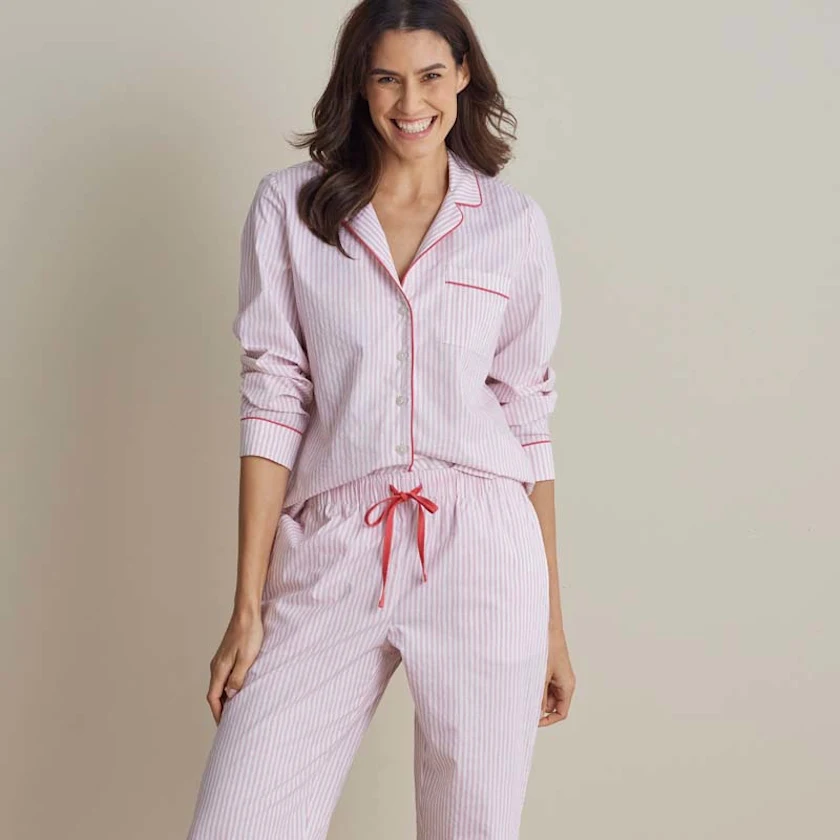
Key Insight
In loungewear, knit quality + recovery (how it returns to shape) defines long-term product performance.
What a Custom Knit Loungewear Manufacturer Provides
From my experience, knit-focused factories add value beyond basic sewing.
Core services:
- Yarn sourcing & blending
- Knit structure selection
- Pattern development for stretch fabrics
- Sampling with wash/recovery testing
- Bulk production + QC
Why This Matters
Knit garments can easily suffer from:
- Stretch-out after washing
- Twisting seams
- Shrinkage
A skilled manufacturer prevents these issues early.
Knit Fabric Types Explained (Jersey, Rib, Interlock)
Different knit structures create different performance.
| Knit Type | Feel & Stretch | Best Use |
|---|---|---|
| Single Jersey | Lightweight, soft | Tees, light sets |
| Rib Knit | High stretch | Cuffs, waistbands, fitted sets |
| Interlock | Dense, smooth | Premium sets |
| French Terry (knit) | Loop back, breathable | All-season loungewear |
Practical Insight
- Interlock = premium feel + stability
- Rib = elasticity for fitted silhouettes
Yarn & Fiber Choices (Cotton, Modal, Blends)
Yarn selection determines softness and durability.
| Fiber Type | Benefit | Positioning |
|---|---|---|
| Cotton | Breathable, natural | Entry-level |
| Modal | Silky, moisture-wicking | Mid-premium |
| Bamboo Viscose | Ultra-soft, eco story | Premium |
| Cotton/Spandex | Stretch + recovery | Performance |
👉 Look for certified inputs like OEKO-TEX® to ensure safety.
Fiber Strategy
- Add 3–5% elastane for better recovery
- Use modal blends for premium handfeel
Gauge, GSM & Handfeel: How to Specify Quality
Three specs define knit quality:
1. Gauge (knitting density)
- Higher gauge = finer, smoother fabric
2. GSM (weight)
- 160–200 GSM → lightweight
- 200–260 GSM → midweight
- 260–320 GSM → premium/heavy
3. Handfeel
- Brushed, peach finish, enzyme-washed
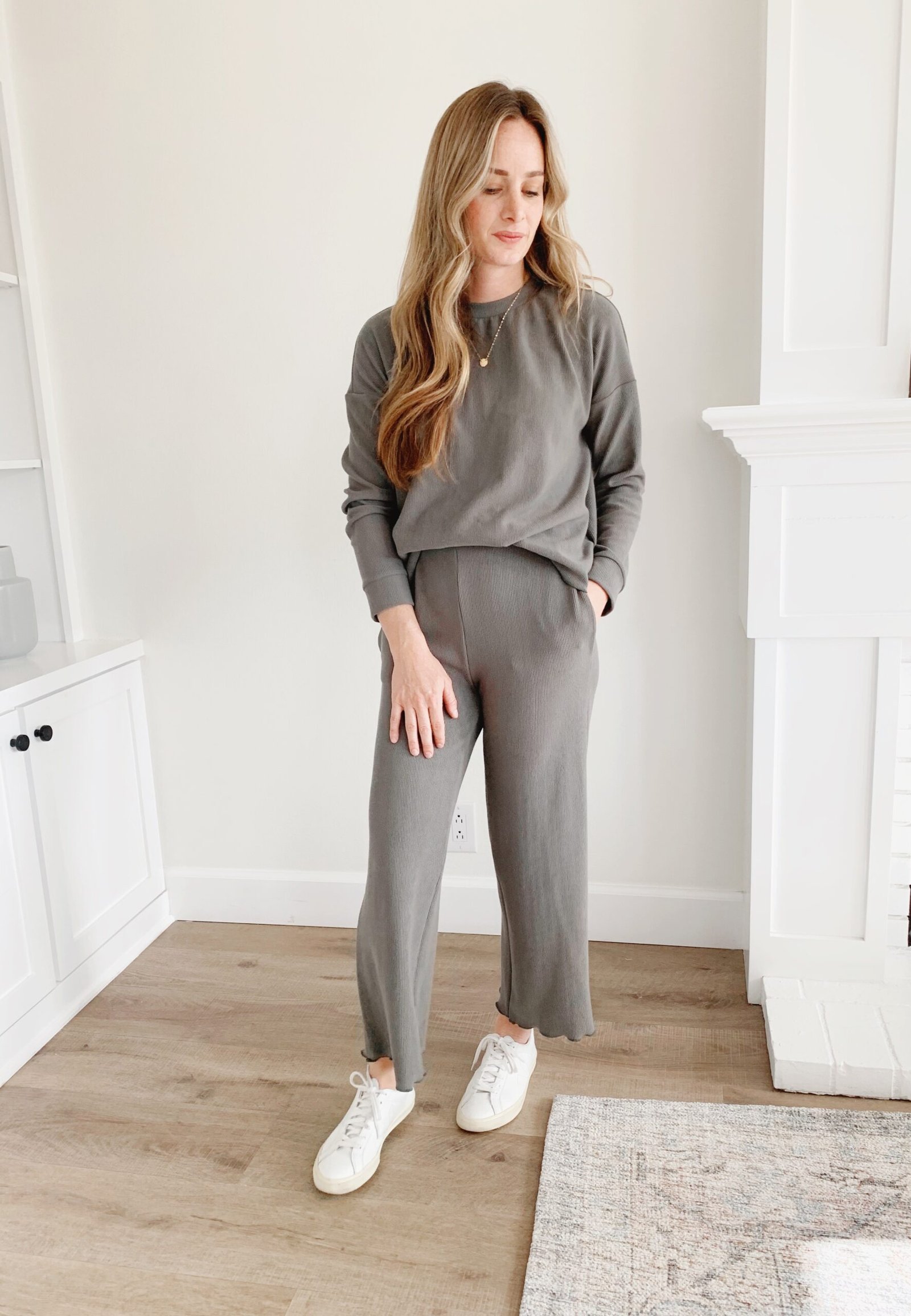
Spec Table
| Spec | Effect on Product |
|---|---|
| Gauge | Surface smoothness |
| GSM | Thickness & warmth |
| Finish | Softness & feel |
Fit Engineering for Knit Sets
Knit requires different pattern logic than woven.
What I always check:
- Stretch direction (warp/weft behavior)
- Recovery after extension
- Shrinkage allowance in pattern
Popular Fits for Knit Loungewear
| Fit Type | Use Case |
|---|---|
| Relaxed | Mass comfort |
| Fitted | Athleisure |
| Oversized | Trend-driven |
Fit Tip
Always grade sizes with stretch tolerance, not just static measurements.
Production Workflow for Knit Loungewear
A typical knit production flow:
- Yarn selection & knitting
- Fabric finishing (washing, dyeing)
- Pattern development
- Sampling & wash testing
- Bulk cutting & sewing
- Final inspection
Workflow Table
| Stage | Purpose |
|---|---|
| Knitting | Create fabric |
| Finishing | Improve handfeel |
| Sampling | Validate fit |
| Production | Scale output |
MOQ, Cost Drivers & Lead Times
Standard ranges:
| Item | Range |
|---|---|
| MOQ | 100–300 sets |
| Sample time | 7–12 days |
| Production | 25–35 days |
Main cost drivers:
| Factor | Impact |
|---|---|
| Yarn quality | High |
| Knit density | Medium |
| Finishing | Medium |
| Complexity | Medium |
Cost Insight
- Better yarn = higher retention & fewer returns
- Finishing processes (enzyme wash, brushing) add value
How to Choose the Right Manufacturer
Knit production requires specific expertise.
What I recommend checking:
- Experience with knit structures
- Ability to control shrinkage
- Fabric finishing capabilities
- Consistent QC system
Decision Framework
| Brand Stage | Best Choice |
|---|---|
| Startup | Low MOQ knit supplier |
| Growing brand | OEM knit specialist |
| Premium brand | High-end fabric mill + factory |
👉 A partner like Bless Clothing can support development and scale.
Common Mistakes in Knit Production
Avoid these:
- Ignoring shrinkage testing
- Choosing fabric only by feel (not specs)
- Skipping recovery tests
- Overlooking seam stability
Reality Insight
Most knit issues come from:
- Poor fabric finishing
- Incorrect pattern allowances
Fabric & Use-Case Comparison Table
| Fabric Type | Comfort | Stability | Best For |
|---|---|---|---|
| Jersey | High | Medium | Light sets |
| Interlock | High | High | Premium sets |
| Rib | Medium | High | Fitted pieces |
| French Terry | High | Medium | All-season |
FAQs
1. What is knit loungewear?
Loungewear made from looped yarn fabrics that provide stretch and comfort.
2. What is the best knit fabric?
Interlock for premium, jersey for lightweight, French Terry for versatility.
3. What is MOQ?
Typically 100–300 pieces per style.
4. How do I ensure quality?
Test shrinkage, recovery, and fabric finishing.
5. Is knit better than woven for loungewear?
Yes—knit offers better comfort and flexibility.
Build a Scalable Knit Loungewear Line
To succeed in knit loungewear:
- Focus on yarn quality
- Control fabric finishing
- Perfect fit with stretch behavior
👉 Work with Bless Clothing to develop and scale high-quality knit collections.
Final Insight
The best knit loungewear products are not just soft—they are engineered for comfort, durability, and consistency across every production batch.