
If you're designing hoodies, sweatshirts, joggers, or other casual apparel, one of the first fabric decisions you'll face is choosing between French terry and fleece.
At first glance, these fabrics may look similar because both are commonly made from cotton or cotton blends. However, they feel very different, perform differently, and are suitable for different products and seasons.
After helping many apparel brands develop custom hoodies and sweatshirts, I've learned that the "better" fabric isn't simply the thicker one—it's the one that matches your brand positioning, target customers, and intended use.
In this guide, I'll compare French terry and fleece in detail, explain their advantages and disadvantages, and help you decide which fabric is best for your next apparel collection.
Table of Contents
- Quick Answer
- What Is French Terry?
- What Is Fleece Fabric?
- French Terry vs Fleece Comparison
- Comfort and Breathability
- Warmth and Seasonal Performance
- Durability and Maintenance
- Which Fabric Is Better for Hoodies?
- How to Choose the Right Fabric
- Common Mistakes When Selecting Hoodie Fabrics
- How Bless Clothing Helps Develop Premium Hoodies
- FAQs
- Final Thoughts
Quick Answer
Both fabrics are excellent, but they serve different purposes.
- Choose French Terry if you want a lightweight, breathable hoodie for year-round wear.
- Choose Fleece if you need maximum warmth, softness, and a premium winter feel.
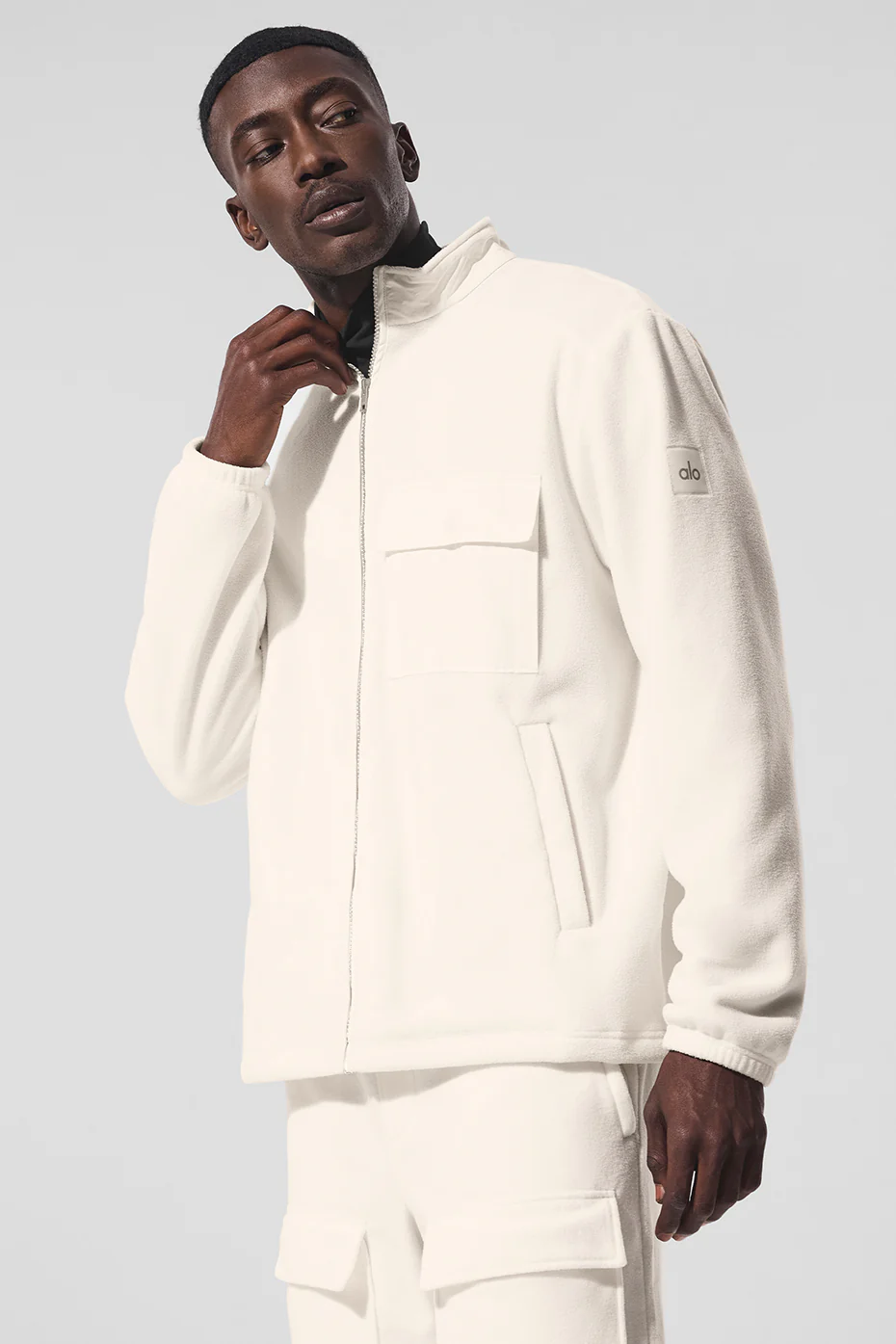
For many premium streetwear brands, heavyweight fleece is the preferred choice for oversized hoodies, while French terry is ideal for lightweight collections and athleisure products.
What Is French Terry?
French terry is a knit fabric with:
- A smooth outer surface
- Looped yarn on the inside
Unlike fleece, the inner loops are not brushed, making the fabric lighter and more breathable.
Advantages
- Lightweight
- Comfortable
- Breathable
- Moisture absorbing
- Soft natural feel
Best Uses
- Lightweight hoodies
- Sweatshirts
- Joggers
- Loungewear
- Spring and autumn apparel
French terry is especially popular for brands targeting everyday comfort.
What Is Fleece Fabric?
Fleece starts as a similar knit fabric but undergoes a brushing process that creates a soft, fluffy interior.
The brushed surface traps air, providing excellent insulation.
Advantages
- Extremely soft
- Warm
- Thick
- Premium appearance
- Comfortable in cold weather
Best Uses
- Winter hoodies
- Heavyweight sweatshirts
- Streetwear
- Outdoor apparel
Premium fleece is commonly used in luxury casualwear and oversized hoodie collections.
French Terry vs Fleece Comparison
| Feature | French Terry | Fleece |
|---|---|---|
| Warmth | Moderate | Excellent |
| Breathability | Excellent | Good |
| Softness | Very Good | Excellent |
| Weight | Lighter | Heavier |
| Moisture Management | Better | Moderate |
| Winter Performance | Good | Excellent |
| Summer Wear | Better | Less suitable |
| Premium Feel | Very Good | Excellent |
Both fabrics perform well, but each is designed for different environments.
Comfort and Breathability
Comfort is one of the biggest reasons brands choose either fabric.
French Terry
Because the inside contains looped yarn instead of brushed fibers, French terry allows better airflow.
Advantages include:
- Cooler feeling
- Better breathability
- Reduced overheating
- Comfortable all-day wear

This makes it ideal for transitional weather.
Fleece
Fleece creates a softer interior thanks to the brushing process.
Benefits include:
- Plush hand feel
- Excellent insulation
- Cozy wearing experience
For colder climates, fleece generally offers superior comfort.
Warmth and Seasonal Performance
One of the biggest differences is insulation.
| Season | Recommended Fabric |
|---|---|
| Spring | French Terry |
| Summer Evenings | French Terry |
| Autumn | Either Fabric |
| Winter | Fleece |
Heavyweight fleece provides better protection in cold environments, while French terry offers greater versatility throughout the year.
Durability and Maintenance
Both fabrics can be durable when manufactured correctly.
French Terry
Pros:
- Less bulky
- Maintains breathability
- Comfortable after repeated washing
Fleece
Pros:
- Excellent warmth retention
- Strong durability
- Maintains thickness
Proper fabric quality and construction remain more important than the fabric type itself.
Helpful resources:
Which Fabric Is Better for Hoodies?
The answer depends on your target customer.
Choose French Terry If You Want
- Lightweight hoodies
- Everyday comfort
- Athletic-inspired products
- Layering garments
Choose Fleece If You Want
- Premium oversized hoodies
- Winter collections
- Luxury streetwear
- Maximum softness
Many successful brands offer both options to meet different seasonal needs.
How to Choose the Right Fabric
Before selecting a hoodie fabric, ask yourself these questions:
What Climate Will Customers Wear It In?
Warm climates:
- French Terry
Cold climates:
- Fleece
What Is Your Brand Positioning?
| Brand Type | Recommended Fabric |
|---|---|
| Streetwear | Heavyweight Fleece |
| Casualwear | French Terry |
| Athleisure | French Terry |
| Winter Apparel | Fleece |
What Is Your Target Price?
French terry is often slightly more economical because it requires fewer finishing processes.
Brushed fleece generally involves additional manufacturing steps.
Common Mistakes When Selecting Hoodie Fabrics
Choosing Only Based on Thickness
A heavier fabric isn't always better.
The intended use should guide the decision.
Ignoring GSM
Fabric weight significantly changes the look and feel of a hoodie.
Typical ranges:
| Fabric | Common GSM |
|---|---|
| French Terry | 240–350 GSM |
| Fleece | 320–500 GSM |
Skipping Sample Testing
Before bulk production, evaluate:
- Hand feel
- Stretch
- Shrinkage
- Appearance
- Comfort
Testing helps avoid expensive production mistakes.
How Bless Clothing Helps Develop Premium Hoodies
At Bless Clothing, we help brands select the most suitable hoodie fabrics based on product positioning, customer expectations, and manufacturing requirements.
Our hoodie development services include:
- Fabric sourcing
- GSM recommendations
- Hoodie pattern development
- Sample production
- Private label manufacturing
- Embroidery and printing
- Quality inspection
- Bulk production
Helpful Resources:
- Custom Fabric Solutions
- Private Label Clothing Manufacturer
- OEM & ODM Services
- Quality Control Services
Industry Reference:
We help fashion brands develop hoodies that combine premium fabrics, excellent craftsmanship, and consistent manufacturing quality.
FAQs
Is French terry better than fleece?
Neither is universally better. French terry is lighter and more breathable, while fleece provides greater warmth and softness.
Which fabric is better for oversized hoodies?
Heavyweight fleece is generally preferred because it offers more structure and a premium appearance.
Is French terry suitable for winter?
It can be worn during mild winters, but fleece provides better insulation in colder weather.
Does fleece shrink more than French terry?
Shrinkage depends on fiber composition and finishing rather than the fabric type alone. Proper pre-shrinking helps reduce this issue.
Which fabric is more expensive?
Brushed fleece is often slightly more expensive because of additional finishing processes, though pricing varies by material and GSM.
Final Thoughts
French terry and fleece are both excellent hoodie fabrics, but they serve different purposes.
Choose French terry if you value lightweight comfort, breathability, and year-round versatility.
Choose fleece if your goal is warmth, softness, and a premium winter hoodie.
The best choice depends on your customers, brand positioning, and product goals—not simply on fabric thickness.
If you're developing a custom hoodie collection, visit Bless Clothing to learn how we help apparel brands source premium fabrics and manufacture high-quality hoodies from concept to bulk production.