
Table of Contents
Introduction
This comprehensive guide covers everything B2B buyers need to know about hoodie fabric and design guide. Whether launching a new line or optimizing supply chain, understanding these fundamentals is essential for success.
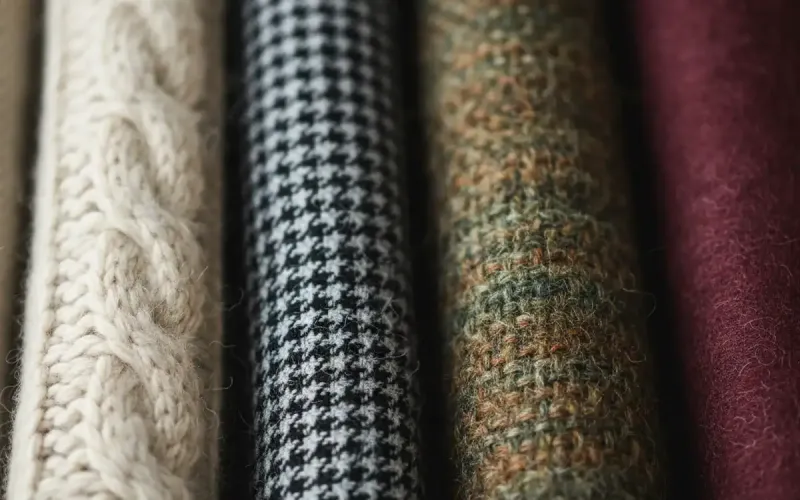
For personalized assistance with custom sweatshirts, our team is ready to help.
Key Quality Factors
Understanding quality indicators helps you evaluate products and suppliers:
- Fabric Weight: Premium products use 280-320 GSM for durability and comfort. Lighter (180-240 GSM) for summer/budget lines.
- Stitching: Double-needle at stress points ensures longevity. 8-12 stitches per inch is standard.
- Shrinkage: Pre-shrunk fabrics minimize shrinkage (should be under 5%). Critical for customer satisfaction.
- Colorfastness: High-quality dyes resist fading (minimum Grade 3-4 on ISO scale).
- Fit: Well-designed patterns for different body types reduce returns and increase satisfaction.
According to World Trade Organization, quality directly impacts customer satisfaction and repeat purchase rates.
Fabric Selection
Cotton (100%)
Pros: Soft, breathable, natural, biodegradable | Cons: Shrinks, wrinkles | Best For: Premium comfort products
Polyester (100%)
Pros: Durable, wrinkle-resistant, quick-dry, affordable | Cons: Less breathable | Best For: Budget lines, sportswear
Cotton-Polyester Blends
Pros: Balanced comfort and durability, less shrinkage | Cons: Not as breathable as pure cotton | Best For: Most applications
French Terry
Pros: Soft, absorbent, premium feel | Cons: More expensive | Best For: Premium products, loungewear
Bamboo
Pros: Soft, antibacterial, moisture-wicking, eco-friendly | Cons: Higher cost | Best For: Sustainable brands, premium positioning
Learn about textile standards from Global Recycled Standard.
Design Considerations
Fit and Silhouette
- Regular Fit: Classic, versatile for most body types
- Slim Fit: Tapered, modern, younger demographics
- Oversized: Relaxed, trendy, streetwear
- Athletic Fit: Tailored for movement
Construction Details
- Seam Type: Overlocked (standard), flatlock (activewear), taped (water resistance)
- Hardware: YKK zippers, corrosion-free snaps, nickel-free options
- Labels: Woven main label, care label, hang tag design
Explore design options for custom pajamas.
Manufacturing Process
Phase 1: Development (7-14 days)
- Design consultation and tech pack creation
- Fabric sourcing and swatch approval
- Pattern making and size grading
Phase 2: Sampling (10-15 days)
- Proto sample for design verification
- Fit sample across size range
- Pre-production sample for final approval
Phase 3: Production (20-35 days)
- Fabric cutting per approved patterns
- Sewing with quality checkpoints
- Printing, embroidery, finishing
- AQL quality inspection before shipment
Phase 4: Shipping (7-15 days)
- Custom packaging
- Sea freight (15-25d) or air freight (3-7d)
- Customs clearance and delivery
Quality Control
Pre-Production QC
- Fabric inspection (weight, color, defects)
- Accessory inspection (zippers, buttons, labels)
- Sample approval verification
In-Production QC
- Pattern accuracy checks
- Stitching quality inspection
- Measurement verification per size
- Print/embroidery quality
Post-Production QC
- Final AQL inspection (standard: AQL 2.5)
- Packaging compliance
- Functionality testing
FAQ
What fabric weight is best
A: 280-320 GSM for premium quality and comfort. Lighter weights (200-240 GSM) are more affordable, heavier (320+ GSM) provide warmth but may feel bulky.
How many samples before bulk
A: Typically 2-3 rounds. First verifies design/measurements, second incorporates revisions, third confirms changes.
What is acceptable shrinkage
A: Less than 5% for quality garments. Pre-shrunk fabrics minimize this. Always request shrinkage test reports.
Can I customize labels and packaging
A: Yes. Private label services include custom neck labels, hang tags, polybags, and custom boxes essential for brand identity.
How to ensure ethical manufacturing
A: Choose manufacturers with BSCI, WRAP, or SA8000 certifications guaranteeing fair wages, safe conditions, and ethical practices.
Conclusion
Manufacturing high-quality hoodie requires attention to fabric, design, process, and QC. Understanding these fundamentals builds a successful brand.
Whether you need custom hoodies, sweatshirts, jackets, or other apparel, an experienced manufacturer is key.
Ready to start? Contact Bless Clothing today. Our team guides you through every step.
Based on industry knowledge as of 2026. Consult experts for your specific requirements.