
Seasonal collections drive a significant portion of apparel sales every year.
Whether it's Spring/Summer launches, Fall/Winter collections, holiday capsules, or back-to-school apparel, successful fashion brands know that seasonal production starts long before products reach store shelves.
I've worked with startup clothing brands, established fashion labels, and private label manufacturers, and one thing remains consistent: brands that prepare early for seasonal production experience fewer delays, lower inventory risks, and stronger sales performance.
In this guide, I'll explain how fashion brands prepare for seasonal production, the key planning stages involved, and how manufacturers help ensure products arrive on time.
Table of Contents
- Quick Answer
- Why Seasonal Production Matters
- The Challenges of Seasonal Manufacturing
- 1. Forecasting Demand Early
- 2. Planning Collections Months Ahead
- 3. Selecting Seasonal Fabrics
- 4. Securing Production Capacity
- 5. Developing Samples Early
- 6. Managing Material Procurement
- 7. Aligning Production Timelines
- 8. Preparing Inventory Strategies
- 9. Coordinating Marketing and Production
- 10. Building Contingency Plans
- How Bless Clothing Supports Seasonal Production
- Prepared vs Unprepared Brands
- FAQs
- Final Thoughts
Quick Answer
Fashion brands prepare for seasonal production by:
- Forecasting demand
- Designing collections early
- Approving samples in advance
- Securing fabrics and trims
- Reserving manufacturing capacity
- Coordinating production schedules
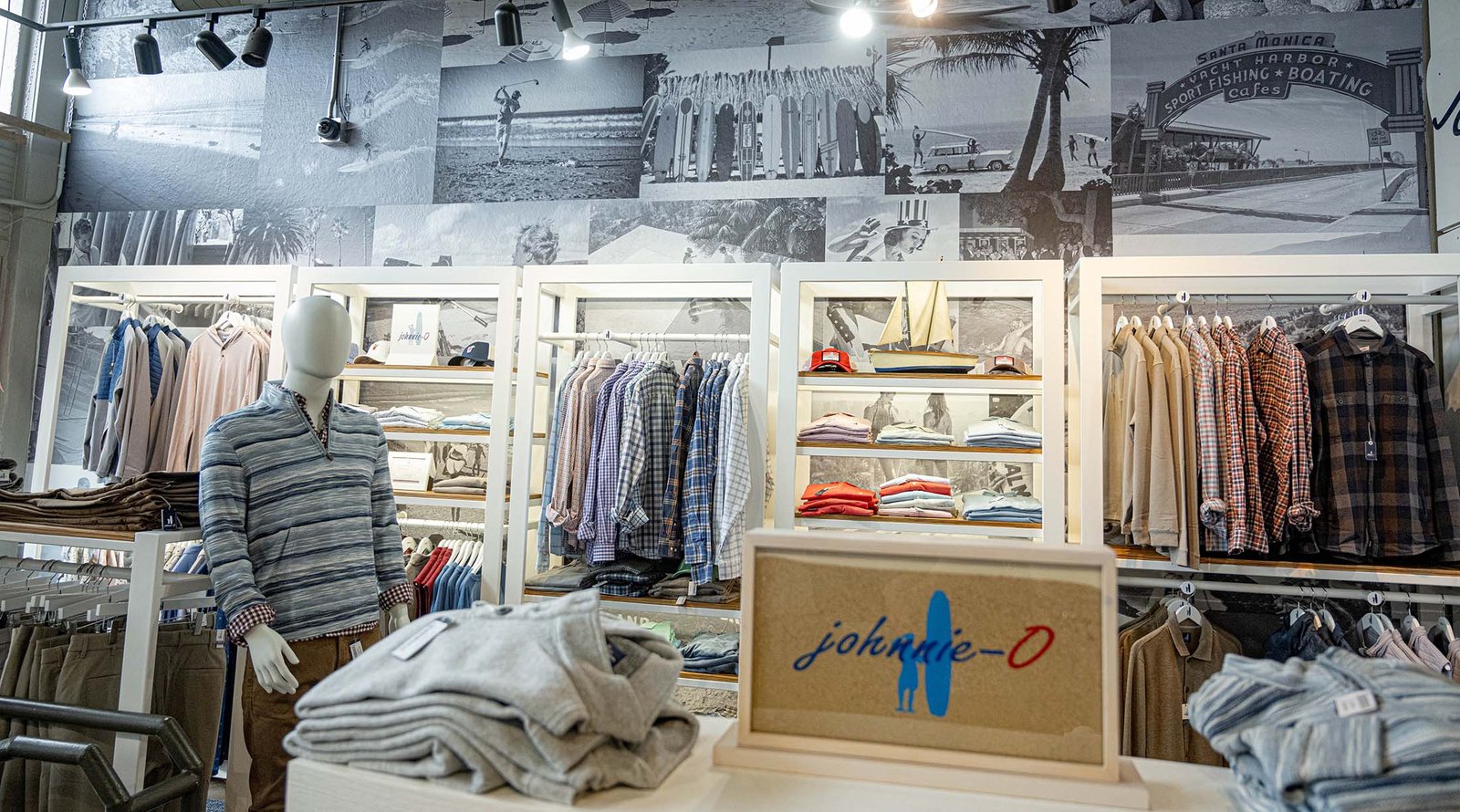
Successful seasonal launches often begin 3–9 months before products are delivered.
👉 Bless Clothing helps brands prepare seasonal collections through product development, sourcing, sampling, production planning, and quality control services.
Why Seasonal Production Matters
Fashion is highly time-sensitive.
A great product delivered after the season has ended may lose most of its commercial value.
Examples
| Season | Typical Launch Period |
|---|---|
| Spring/Summer | January–April |
| Fall/Winter | August–October |
| Holiday | October–December |
| Back-to-School | July–September |
Key Insight
In fashion, timing is often just as important as product quality.
The Challenges of Seasonal Manufacturing
Seasonal production creates unique planning challenges.
Common Risks
- Fabric shortages
- Supplier delays
- Capacity constraints
- Shipping disruptions
- Demand uncertainty
Impact
| Challenge | Potential Result |
|---|---|
| Late production | Missed season |
| Poor forecasting | Overstock or stockouts |
| Capacity shortages | Delayed launches |
Early preparation helps reduce these risks.
1. Forecasting Demand Early
Demand forecasting is one of the first steps in seasonal planning.
Factors Considered
- Previous sales data
- Market trends
- Customer feedback
- Seasonal demand patterns
Benefits
| Accurate Forecasting | Poor Forecasting |
|---|---|
| Better inventory planning | Excess inventory |
| Lower risk | Missed opportunities |
Forecasting allows brands to make informed production decisions.
2. Planning Collections Months Ahead
Successful brands rarely design seasonal collections at the last minute.
Typical Planning Process
- Trend research
- Product selection
- Fabric sourcing
- Sampling
- Production approval
Benefits
| Early Planning | Late Planning |
|---|---|
| More flexibility | Increased pressure |
| Better quality control | Higher risk |
Collection planning provides time for adjustments before production begins.
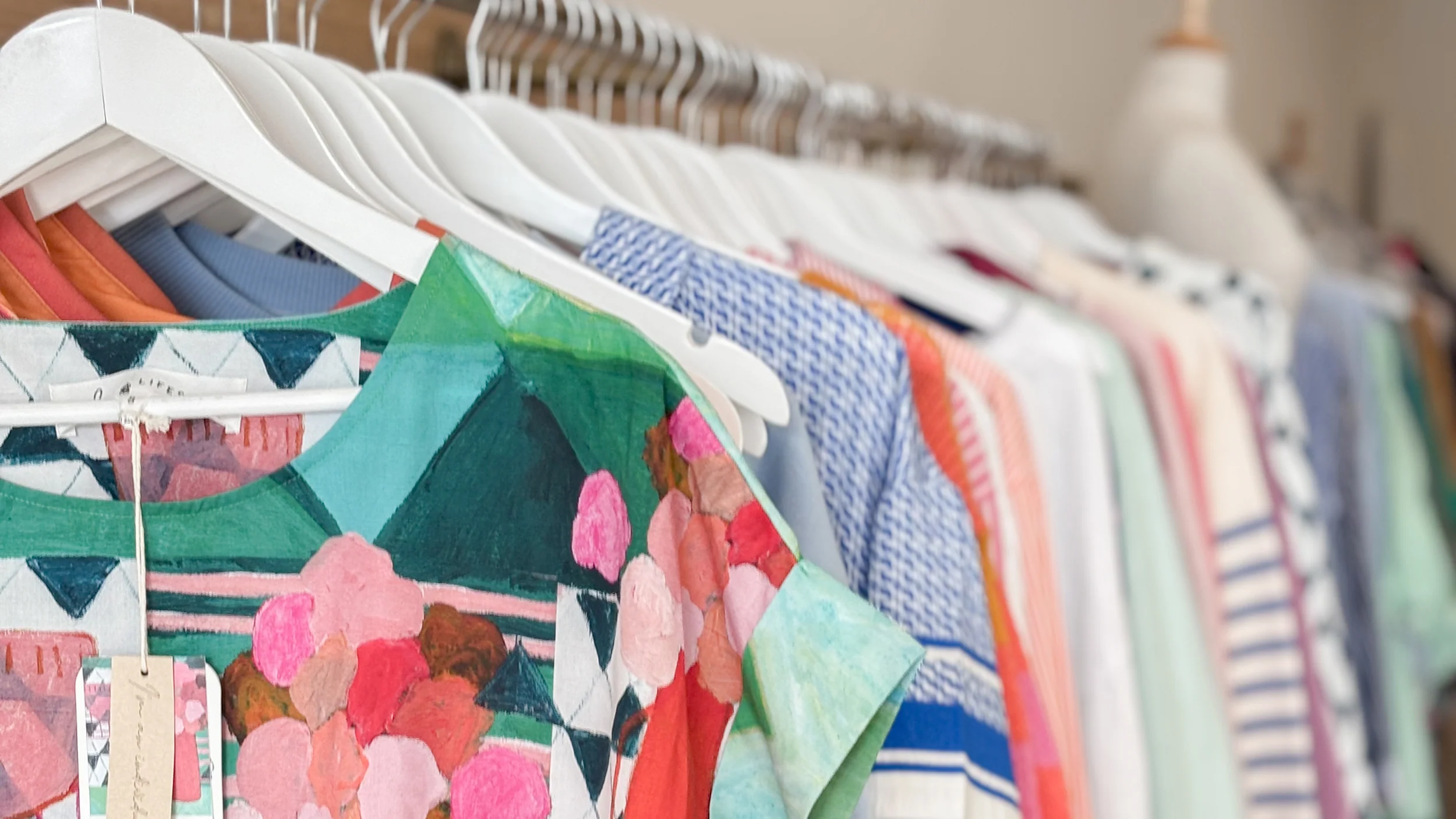
3. Selecting Seasonal Fabrics
Fabric choice plays a major role in seasonal product performance.
Seasonal Examples
| Season | Popular Fabrics |
|---|---|
| Spring | Lightweight cotton |
| Summer | Linen blends |
| Fall | French terry |
| Winter | Fleece and heavyweight knits |
Why It Matters
The right fabric improves comfort, performance, and customer satisfaction.
Many suppliers follow standards supported by OEKO-TEX® to help maintain textile quality and safety.
4. Securing Production Capacity
Factory availability changes throughout the year.
Busy Periods
- Holiday production
- Fall/Winter preparation
- Major retail launch periods
Benefits
| Early Capacity Reservation | Late Reservation |
|---|---|
| Better scheduling | Longer wait times |
| More production flexibility | Limited options |
Brands that reserve capacity early often receive better production support.
5. Developing Samples Early
Sampling helps validate seasonal products before bulk production begins.
Sample Objectives
- Verify fit
- Confirm fabric selection
- Review branding
- Evaluate construction
Comparison
| Early Sampling | Delayed Sampling |
|---|---|
| More revision time | Production pressure |
| Better accuracy | Higher risk |
Sampling is a critical part of seasonal preparation.
6. Managing Material Procurement
Materials must be sourced before production can begin.
Common Materials
- Fabric
- Labels
- Hang tags
- Zippers
- Packaging
Why It Matters
| Early Procurement | Late Procurement |
|---|---|
| Stable production | Material shortages |
| Better scheduling | Delays |
Material availability often determines production readiness.
7. Aligning Production Timelines
Production schedules must support seasonal launch dates.
Timeline Components
- Sampling
- Fabric sourcing
- Manufacturing
- Quality inspections
- Shipping
Key Insight
Every stage must align with the final launch deadline.
8. Preparing Inventory Strategies
Inventory planning becomes increasingly important for seasonal products.
Common Approaches
- Safety stock
- Conservative production
- Demand-based replenishment
Benefits
| Strategic Inventory | Reactive Inventory |
|---|---|
| Better availability | Frequent stockouts |
| Lower waste | Overstock risk |
Inventory planning helps balance opportunity and risk.
9. Coordinating Marketing and Production
Marketing timelines should match production timelines.
Examples
- Product photography
- Advertising campaigns
- Influencer promotions
- Product launches
Benefits
| Coordinated Planning | Disconnected Planning |
|---|---|
| Stronger launches | Missed opportunities |
| Better sales potential | Marketing delays |
Production and marketing should work together.
10. Building Contingency Plans
Unexpected challenges can occur even with strong planning.
Common Backup Strategies
- Alternative fabrics
- Secondary suppliers
- Flexible production schedules
- Safety inventory
Benefits
| Contingency Planning | No Backup Plan |
|---|---|
| Greater resilience | Higher risk |
| Faster recovery | Major disruptions |
Preparation helps brands manage uncertainty.
How Bless Clothing Supports Seasonal Production
At Bless Clothing, we help brands prepare seasonal collections through structured manufacturing support.
Our Process Includes
- Product development
- Seasonal fabric sourcing
- Sample management
- Capacity planning
- Quality inspections
- Production scheduling
Related Services
Our goal is to help brands launch seasonal collections on time and with confidence.
Prepared vs Unprepared Brands
| Prepared Brands | Unprepared Brands |
|---|---|
| Better delivery performance | Frequent delays |
| Stronger inventory control | Stock shortages |
| Better quality consistency | More production issues |
| More successful launches | Missed opportunities |
| Higher profitability | Increased risk |
FAQs
When should brands start planning seasonal production?
Most brands begin planning seasonal collections between 3 and 9 months before launch.
Why is forecasting important?
Forecasting helps brands determine production quantities and reduce inventory risks.
What causes seasonal production delays?
Material shortages, capacity limitations, delayed approvals, and shipping disruptions are common causes.
Why is early sampling important?
Sampling allows brands to identify issues before bulk production begins.
How does Bless Clothing support seasonal production?
Bless Clothing helps brands manage product development, sourcing, production planning, and quality control for seasonal collections.
Final Thoughts
Successful seasonal production is built on preparation.
Brands that plan ahead benefit from:
- Better inventory management
- Stronger delivery performance
- Higher product quality
- Reduced manufacturing risks
- More successful launches
The best fashion brands don't react to seasonal demand—they prepare for it months in advance.
👉 If you're preparing a seasonal apparel collection, visit Bless Clothing to learn more about our private label manufacturing, sourcing, quality control, and production planning services.
Remember: seasonal success starts long before production begins.