
Clothing production usually takes 6 to 12 weeks from confirmed specifications to finished bulk goods. A simple product using available fabric may be faster, while custom fabrics, complex construction, or several sample revisions can extend the process to 12 to 20 weeks or more.
From my experience managing clothing development, brands often underestimate the time required before sewing begins.
A realistic clothing timeline includes development, material preparation, sampling, approvals, bulk production, inspection, packing, and shipping—not only sewing time.
This guide explains each stage and helps you build a safer launch schedule.
Table of Contents
- Quick Answer
- Clothing Production Timeline at a Glance
- What Does Production Time Include
- Timeline by Production Model
- Stage 1: Product Brief and Quotation
- Stage 2: Fabric and Trim Preparation
- Stage 3: Sample Development
- Stage 4: Pre-Production Approval
- Stage 5: Bulk Manufacturing
- Stage 6: Quality Control and Packing
- How Long Does Shipping Take
- What Usually Delays Production
- How to Shorten the Timeline Safely
- Build a Realistic Launch Schedule
- Questions to Ask Your Manufacturer
- FAQ
- Conclusion
Quick Answer
Here are practical planning ranges for clothing production:
| Project Type | Estimated Time Before Shipping |
|---|---|
| Ready-made garments with simple branding | 2–4 weeks |
| Private label using an existing product | 3–6 weeks |
| Basic custom T-shirt or sweatshirt | 6–10 weeks |
| Custom hoodie, shirt, or casual pants | 8–12 weeks |
| Complex jacket or multi-style collection | 10–16 weeks |
| Custom fabric or special washing project | 12–20+ weeks |
These are planning estimates, not guaranteed lead times.
The actual schedule depends on:
- Product complexity
- Fabric availability
- Number of samples
- Order quantity
- Printing or embroidery
- Custom trims
- Factory capacity
- Quality requirements
- Shipping method
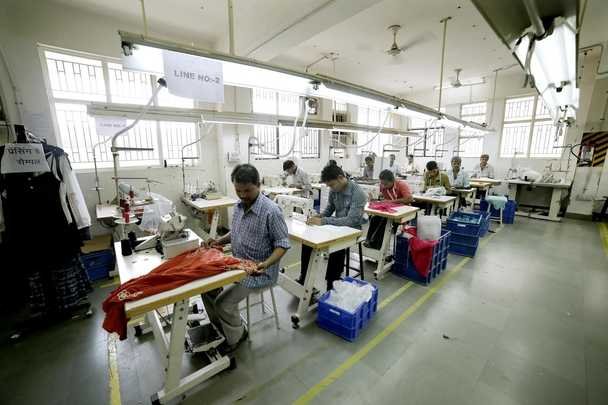
My practical recommendation is to add a two-to-four-week buffer between the expected delivery date and your public launch date.
Clothing Production Timeline at a Glance
A standard custom clothing order may follow this schedule:
| Stage | Typical Planning Time |
|---|---|
| Product review and quotation | 2–5 business days |
| Fabric and trim sourcing | 1–4 weeks |
| First sample | 1–3 weeks |
| Sample review and revision | 1–3 weeks per round |
| Pre-production preparation | 1–2 weeks |
| Bulk cutting and sewing | 3–6 weeks |
| Final inspection and packing | 3–7 days |
| International shipping | Several days to several weeks |
Some stages can happen at the same time. For example, label artwork and packaging details may be prepared while the clothing sample is being reviewed.
However, bulk production should not begin before the important product details are approved.
What Does Production Time Include?
“Production time” can mean different things to different suppliers.
A factory may refer only to the period between cutting and packing. A brand may assume the same number includes sampling and fabric preparation.
Always separate the timeline into three parts:
Development Lead Time
This includes:
- Product discussion
- Quotation
- Pattern development
- Fabric selection
- Sample making
- Sample revisions
Bulk Production Lead Time
This includes:
- Bulk material preparation
- Fabric inspection
- Cutting
- Printing or embroidery
- Sewing
- Finishing
- Quality inspection
- Packing
Delivery Lead Time
This includes:
- Export documents
- Freight booking
- International transportation
- Customs clearance
- Local delivery
Ex-factory date means the order is ready to leave the factory. It does not mean the order has reached your warehouse.
Ask your manufacturer whether the quoted timeline refers to sampling, bulk production, ex-factory delivery, or arrival at your destination.
Timeline by Production Model
The production method strongly affects the schedule.
| Production Model | Development Needed | General Speed |
|---|---|---|
| Ready-Made | Very little | Fastest |
| Private Label | Limited | Fast |
| OEM | Full custom development | Medium |
| ODM | Design and development support | Medium to long |
Ready-Made Clothing
Ready-made garments already exist. The main work may involve adding a print, embroidery, label, or packaging.
Choose this route when:
- You need products quickly.
- The existing fit and fabric are acceptable.
- You are testing a new idea.
- Product uniqueness is not the main priority.
Private Label Production
Private label usually uses an existing or proven product base with selected branding changes.
It may include:
- Custom labels
- Logo decoration
- Selected colors
- Minor fit changes
- Custom packaging
Learn more through Private Label Clothing Manufacturing.
OEM or ODM Production
Custom OEM and ODM projects normally take longer because patterns, fabrics, construction, and samples must be developed or adjusted.
Brands can compare these models through OEM and ODM Manufacturing Services.
Stage 1: Product Brief and Quotation
This stage normally takes a few business days when the information is complete.
The manufacturer needs to understand:
- Product type
- Fit
- Fabric
- Construction
- Size range
- Colors
- Branding
- Quantity
- Packaging
- Delivery destination
- Required date
What Slows This Stage Down?
A quotation takes longer when the request only says:
“I need a high-quality hoodie. What is the price?”
The manufacturer must first ask about fabric weight, quantity, fit, logo technique, colors, labels, and shipping terms.
A useful product brief reduces repeated questions.
| Unclear Request | Production-Ready Information |
|---|---|
| Premium T-shirt | 240 GSM cotton relaxed-fit T-shirt |
| Large logo | 28 cm screen print on the back |
| Custom color | Pantone reference or approved stock color |
| Normal sizes | S–XXL with measurement chart |
| Need it soon | Required ex-factory and arrival dates |
From my experience, a complete brief can save more time than asking the factory to rush later.
Stage 2: Fabric and Trim Preparation
Material preparation can be one of the longest parts of clothing production.
Stock Fabric
Available fabric may take approximately one to two weeks to confirm, purchase, inspect, and deliver to the production facility.
It is often suitable for:
- Smaller orders
- Basic T-shirts
- Hoodies
- Sweatshirts
- Market-testing collections
- Shorter deadlines
Custom Fabric
Custom fabric may require:
- Yarn preparation
- Knitting or weaving
- Dyeing
- Finishing
- Color approval
- Performance testing
- Delivery to the factory
This can add several weeks to the schedule.
Brands requiring a special composition, weight, texture, color, or finish can review Custom Fabric Development.
Trims Can Also Affect the Timeline
Custom trims may include:
- Woven labels
- Branded zippers
- Buttons
- Snaps
- Drawcords
- Metal logos
- Hang tags
- Custom polybags
Simple existing trims are normally faster than newly molded or custom-dyed components.
Review available options through Customized Accessories and Trims.
Stage 3: Sample Development
A first clothing sample commonly requires one to three weeks after the materials and specifications are ready.
A basic T-shirt may be faster than:
- A lined jacket
- Multi-pocket cargo pants
- A bonded garment
- A washed hoodie
- A style with several embroidery positions
Why Samples Take Time
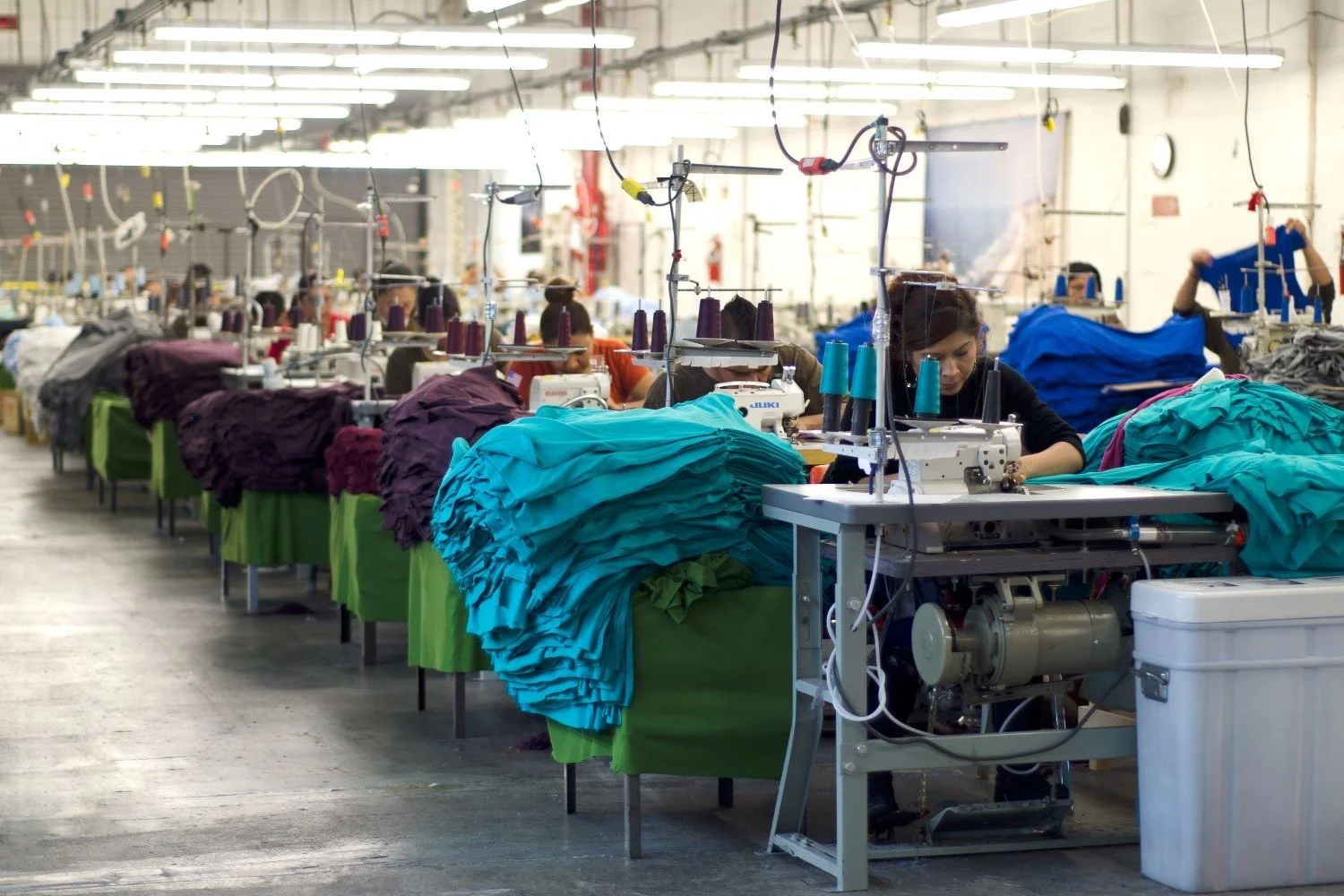
Sample development may include:
- Pattern making
- Fabric cutting
- Sewing
- Printing or embroidery
- Washing
- Measurement checking
- Internal corrections
How Revisions Affect the Schedule
Each major sample revision may add another one to three weeks.
| Sample Result | Recommended Action |
|---|---|
| Minor label correction | Confirm by photo or revised artwork |
| Small print color change | Approve a new strike-off |
| Incorrect measurements | Request a revised sample |
| Poor fit | Adjust the pattern and resample |
| Wrong fabric | Replace the fabric and resample |
| Failed wash test | Investigate and develop again |
Do not skip a necessary sample only to save time.
A rushed approval may create a much longer delay if the entire bulk order must later be repaired or remade.
Stage 4: Pre-Production Approval
Before bulk production begins, confirm the final production standard.
This stage should include approval of:
- Fabric
- Color
- Measurements
- Fit
- Construction
- Print or embroidery
- Labels
- Trims
- Packaging
- Quantity
- Price
- Production schedule
Use an Approval Gate
I recommend using one clear rule:
No bulk cutting until every critical product detail is approved in writing.
The final approved sample should match the final specification sheet.
Avoid giving approval with vague comments such as:
- “Please improve this in bulk.”
- “Make the fit slightly better.”
- “Use a more premium fabric.”
- “Move the logo a little.”
Important corrections should be measurable and physically confirmed.
Stage 5: Bulk Manufacturing
Bulk manufacturing commonly takes approximately three to six weeks after materials and approvals are ready.
The process may include:
- Fabric inspection
- Fabric relaxation
- Pattern marking
- Cutting
- Printing or embroidery
- Sewing
- Garment washing
- Thread trimming
- Pressing
- Measurement checking
Product Complexity Matters
| Product | General Production Difficulty |
|---|---|
| Basic T-shirt | Low |
| Sweatshirt | Low to medium |
| Pullover hoodie | Medium |
| Casual pants | Medium |
| Zip-up hoodie | Medium to high |
| Lined jacket | High |
| Multi-fabric garment | High |
Large orders do not always move directly from start to finish as one batch. Production may be divided into cutting, decoration, sewing, finishing, and inspection groups.
Printing and Embroidery
Decoration can add time when the product requires:
- Several print positions
- Large embroidery
- Appliqué
- Special ink
- Puff printing
- Garment washing
- Hand-applied details
Brands can compare decoration methods through Custom Printing Services.
Stage 6: Quality Control and Packing
Final inspection and packing normally require several days, depending on the quantity and defect rate.
Quality control should also happen earlier during production.
| Inspection Stage | Main Purpose |
|---|---|
| Material Inspection | Check fabric, color, trims, and defects |
| Pre-Production Check | Confirm specifications and approved sample |
| In-Line Inspection | Identify sewing problems early |
| Finishing Inspection | Check appearance and measurements |
| Final Inspection | Confirm quality, quantity, and packing |
The ISO Quality Assurance Guide explains that finding faults earlier in the process reduces the time and resources needed for late corrections.
A structured Quality Control Service may check:
- Measurements
- Stitching
- Fabric defects
- Print or embroidery
- Labels
- Size assortment
- Quantity
- Packaging
If the order fails inspection, repairs and reinspection will extend the timeline.
Packing Preparation
Packing may involve:
- Folding
- Hang tags
- Size stickers
- Barcodes
- Individual bags
- Branded inserts
- Carton assortment
- Carton labels
Custom packaging should be approved before garments finish production. Waiting until the end to decide packaging can delay shipment.
Review different options through Private Packaging Solutions.
How Long Does Shipping Take?
Shipping time is separate from clothing production time.
| Shipping Method | Best For | General Speed |
|---|---|---|
| Express Courier | Samples and small urgent shipments | Fastest |
| Air Freight | Smaller or time-sensitive orders | Fast |
| Sea Freight | Large, non-urgent orders | Slowest |
| Split Shipment | Urgent launch plus later balance | Flexible |
The final timeline depends on:
- Destination
- Shipment size
- Freight availability
- Customs clearance
- Documentation
- Local delivery
- Seasonal congestion
Confirm the Shipping Term
Incoterms define which party is responsible for freight, insurance, documents, customs clearance, and related risks.
Review the International Trade Administration Incoterms Guide before comparing delivery quotations.
Brands can also plan production, packaging, documentation, and transportation through Clothing Shipping Solutions.
Do not plan a product launch using only the ex-factory date. Use the estimated arrival date plus a reasonable delay buffer.
What Usually Delays Production?
The sewing line is not always the main cause of delay.
Brand-Side Delays
- Incomplete tech packs
- Slow sample feedback
- Changing designs after approval
- Late artwork
- Unconfirmed colors
- Late payment
- Changing packaging during production
Material Delays
- Custom fabric development
- Failed color approval
- Fabric defects
- Trim shortages
- Custom hardware production
- Material shipping delays
Manufacturing Delays
- Complicated construction
- Failed printing or embroidery
- Measurement problems
- Quality defects
- Peak-season capacity
- Machine limitations
- Rework
Shipping Delays
- Missing documents
- Freight-space shortages
- Customs inspections
- Port congestion
- Incorrect carton information
- Public holidays
Brands selling in the United States should also prepare compliant labels before production. The FTC Clothing and Textile Guidance covers fiber content, country of origin, responsible-company identification, and care-label information.
How to Shorten the Timeline Safely
The safest way to save time is to remove uncertainty before production begins.
Use Available Materials
Choose stock fabrics, colors, zippers, buttons, and packaging when they meet your requirements.
Start With Fewer Styles
A focused collection is easier to sample, approve, produce, and inspect.
Send Complete Specifications
Provide measurements, artwork, colors, quantities, labels, and packaging details at the beginning.
Combine Sample Comments
Send one organized comment sheet instead of several messages through different channels.
Approve Strike-Offs Separately
A complete garment may not need to be remade for every minor print, embroidery, label, or packaging change.
Make Decisions Quickly
Review samples promptly and ask all internal decision-makers to comment at the same time.
Plan Packaging and Shipping Early
Do not wait until bulk production is complete to request cartons, labels, or freight quotations.
Do Not Shorten These Stages Carelessly
Avoid skipping:
- Fit samples
- Fabric testing
- Wash testing
- Pre-production approval
- In-line quality checks
- Final inspection
Rush administration and decision-making—not the checks that protect the product.
Build a Realistic Launch Schedule
Work backward from the date when customers need to receive the product.
Example Timeline
Suppose you want products available on October 1.
| Deadline | Required Action |
|---|---|
| October 1 | Products available for sale |
| Mid-September | Goods arrive and warehouse checks finish |
| August | International shipping |
| July | Bulk production and inspection |
| June | Final sample approval and material preparation |
| May | First sample and revisions |
| April | Product brief, quotation, fabric selection |
Use This Planning Formula
Launch Date − Delivery Time − Production Time − Development Time − Safety Buffer = Project Start Date
For a first custom collection, I normally recommend adding at least:
- One sample-revision allowance
- One material-delay allowance
- One shipping-delay allowance
Suggested Safety Buffer
| Project Situation | Suggested Buffer |
|---|---|
| Proven repeat order | 1–2 weeks |
| New basic product | 2–3 weeks |
| New custom collection | 3–4 weeks |
| Fixed event or seasonal launch | 4+ weeks |
A buffer is not wasted time. It protects photography, warehousing, marketing, and customer delivery plans.
Questions to Ask Your Manufacturer
Before confirming an order, ask:
- When does the production timeline officially begin?
- Does the timeline include material preparation?
- How long will the first sample take?
- How much time should be allowed for each revision?
- Is the proposed fabric currently available?
- Do custom colors or trims require extra time?
- When must the final sample be approved?
- What is the estimated ex-factory date?
- What could change that date?
- Which inspections are included?
- How long will packing take?
- Which shipping methods are available?
- Is the quoted date an ex-factory or arrival date?
- How will delays be reported?
- Can urgent and non-urgent quantities be split?
Ask the manufacturer to provide the timeline in writing with clear approval deadlines.
A good schedule should identify both factory responsibilities and brand responsibilities.
FAQ
How long does it take to manufacture clothing?
A typical custom clothing project may take 6 to 12 weeks before shipping. Simple products may be faster, while custom materials or complex garments may require 12 to 20 weeks or more.
How long does clothing sampling take?
A first sample may take approximately one to three weeks after the design and materials are confirmed. Complex products may take longer.
How long does bulk clothing production take?
Bulk production commonly requires three to six weeks after the sample, materials, quantity, price, and schedule are approved.
Does the lead time begin when I pay?
Not always. Some manufacturers begin counting after receiving the deposit, final sample approval, confirmed specifications, and available materials. Ask for the exact starting condition.
Can clothing production be completed in 30 days?
Some simple repeat orders using available materials may be completed within that period. A new custom project usually needs additional time for sampling and approvals.
Why does custom fabric increase lead time?
Custom fabric may require yarn preparation, knitting or weaving, dyeing, finishing, color approval, testing, and transportation to the garment factory.
Do more colors increase production time?
They can. Each color may require separate fabric preparation, cutting, decoration, sewing, inspection, and packing.
Does a larger order always take longer?
Not always. Quantity matters, but fabric availability, construction, decoration, factory capacity, and production-line planning may have a greater effect.
Should I approve bulk production before receiving a sample?
No. A physical sample should normally be checked for fit, fabric, measurements, construction, branding, and wash performance before bulk production.
What is the difference between production time and lead time?
Production time may refer only to manufacturing. Total lead time includes development, material preparation, production, inspection, packing, and sometimes delivery.
How can I prevent production delays?
Prepare complete specifications, approve materials early, send clear sample comments, avoid late design changes, and plan packaging and shipping before production finishes.
When should I contact a manufacturer for a seasonal launch?
Begin several months before the required arrival date. Complex products, custom fabrics, peak seasons, and sea freight require more planning time.
Conclusion
Clothing production usually takes several weeks because manufacturing involves much more than cutting and sewing.
A complete timeline includes:
- Product planning
- Quotation
- Fabric and trim preparation
- Pattern development
- Sampling
- Approval
- Bulk manufacturing
- Quality inspection
- Packing
- International delivery
For a standard custom casualwear project, 6 to 12 weeks before shipping is a useful planning range. Complex products and custom materials may need considerably longer.
From my experience, the most reliable way to protect a launch date is to make decisions early, approve every important detail in writing, and keep a realistic safety buffer.
Bless Clothing supports clothing brands with product development, fabric sourcing, sampling, OEM and ODM manufacturing, quality control, private packaging, and international shipping coordination.