
Casual wear manufacturing usually costs $4 to $45 per piece, depending on the product, fabric, order quantity, construction, branding, and packaging.
A basic cotton T-shirt may cost less than $10 per piece, while a custom jacket with lining, embroidery, special washing, and branded trims may cost more than $30.
From my experience working with clothing brands, the first factory quotation rarely represents the complete cost.
The real cost of casual wear includes development, samples, bulk production, labels, packaging, inspection, shipping, duties, and possible rework—not only the garment unit price.
This guide provides practical price ranges and explains how to create a realistic manufacturing budget.
Table of Contents
- Quick Answer
- Typical Casual Wear Manufacturing Costs
- What Is Included in the Unit Price
- Main Factors That Affect the Price
- How Much Do Clothing Samples Cost
- How Order Quantity Changes the Cost
- Factory Cost vs Landed Cost
- Example Production Budgets
- Private Label vs OEM Costs
- How to Request an Accurate Quote
- How to Lower Manufacturing Costs
- Common Pricing Red Flags
- FAQ
- Conclusion
Quick Answer
For low-to-medium custom orders, a practical planning range is:
| Product | Estimated Manufacturing Cost |
|---|---|
| Basic T-shirt | $4–$9 |
| Premium or heavyweight T-shirt | $7–$14 |
| Polo shirt | $8–$18 |
| Sweatshirt | $10–$22 |
| Hoodie | $12–$28 |
| Casual shorts | $7–$18 |
| Joggers or casual pants | $11–$28 |
| Casual shirt | $10–$24 |
| Loungewear set | $15–$35 |
| Lightweight jacket | $18–$45 |
These are general planning ranges for approximately 100–500 pieces per style. They are not fixed quotations.
Prices may be lower for simple, large-volume products and higher for:
- Custom-developed fabrics
- Small quantities
- Heavy fabrics
- Complicated construction
- Large embroidery
- Garment washing
- Custom hardware
- Premium packaging
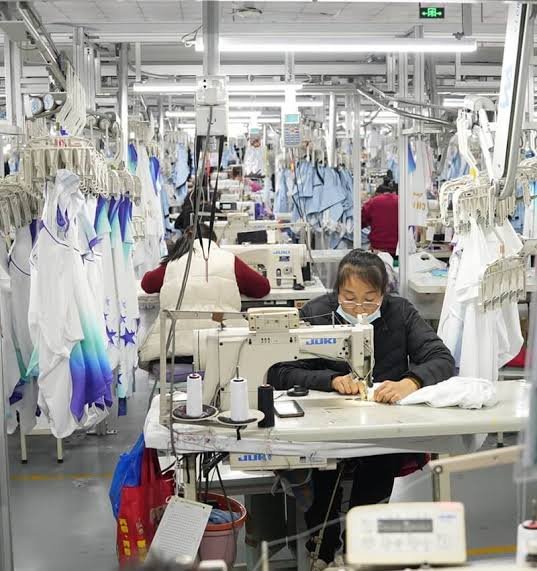
The fastest way to receive an accurate price is to send the manufacturer a complete product specification.
Typical Casual Wear Manufacturing Costs
Different products require different amounts of fabric, sewing time, equipment, and finishing.
T-Shirt Manufacturing Cost
A custom T-shirt commonly costs around $4–$14 per piece.
Lower-cost T-shirts usually use:
- Standard stock fabric
- Simple construction
- One-color printing
- Basic labels
- Larger quantities
Higher-cost T-shirts may use:
- Heavyweight cotton
- Garment dyeing
- Vintage washing
- Oversized patterns
- Large screen prints
- Embroidery
- Custom packaging
Brands can compare common styles through the Custom T-Shirts Catalog.
Hoodie and Sweatshirt Manufacturing Cost
A custom hoodie commonly costs around $12–$28 per piece, while a sweatshirt may cost around $10–$22.
Hoodies normally cost more because they require:
- More fabric
- A hood with multiple panels
- Drawcords and eyelets
- Kangaroo pockets
- Rib cuffs and hems
- More sewing time
Heavy fleece, custom zippers, special washes, and complex graphics can increase the cost further.
Pants and Shorts Manufacturing Cost
Casual shorts may cost around $7–$18, while pants and joggers often cost around $11–$28.
The price depends heavily on:
- Waistband construction
- Number of pockets
- Zippers or snaps
- Fabric type
- Lining
- Cargo details
- Panel construction
- Washing treatments
Jacket Manufacturing Cost
A casual jacket commonly costs around $18–$45 or more.
Jackets are usually more expensive because they may include lining, zippers, pockets, hardware, multiple fabric panels, reinforcement, and more complicated sewing.
What Is Included in the Unit Price
Always ask the manufacturer what the quoted unit price includes.
A complete garment price may cover:
| Cost Area | Possible Inclusions |
|---|---|
| Main Fabric | Body fabric and fabric consumption |
| Secondary Materials | Rib, lining, pocket fabric and interfacing |
| Labor | Cutting, sewing and finishing |
| Decoration | Printing, embroidery, patches or washing |
| Trims | Zippers, buttons, snaps, elastic and drawcords |
| Branding | Main labels, care labels and size labels |
| Packaging | Polybags, stickers and export cartons |
| Quality Control | In-line and final inspections |
Some quotations include only fabric and sewing. Labels, packaging, testing, and shipping may be charged separately.
Questions to Ask About a Quotation
- Does the price include printing or embroidery?
- Are custom labels included?
- Is individual packaging included?
- Is the quotation EXW, FOB, or DDP?
- Are sample fees included or refundable?
- Are testing and inspection fees included?
- Does the price include freight or import duties?
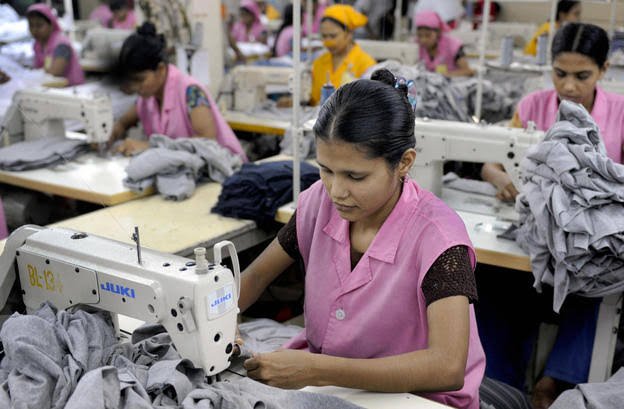
Never compare two quotations until you confirm that they cover the same specifications.
Main Factors That Affect the Price
1. Order Quantity
Small orders normally have higher unit prices because setup costs are divided across fewer garments.
These costs may include:
- Pattern development
- Fabric cutting setup
- Printing screens
- Embroidery programming
- Label production
- Production line preparation
A larger order may reduce the unit price, but ordering more than you can sell creates inventory risk.
2. Fabric
Fabric is often one of the largest parts of the garment cost.
The price changes according to:
- Fiber composition
- Fabric weight
- Yarn quality
- Usable width
- Knitting or weaving structure
- Dyeing method
- Finishing
- Certification
- Order minimum
Brands can compare fabric options through the Custom Fabric Catalog.
3. Garment Construction
Every additional panel, pocket, seam, lining, or reinforcement increases labor time.
| Lower-Cost Construction | Higher-Cost Construction |
|---|---|
| Basic crew-neck T-shirt | Multi-panel oversized T-shirt |
| Pullover sweatshirt | Full-zip hoodie |
| Elastic-waist shorts | Cargo shorts with multiple pockets |
| Unlined jacket | Fully lined jacket |
| Standard hem | Binding or bonded finishing |
4. Printing and Embroidery
Decoration cost depends on:
- Artwork size
- Number of positions
- Number of colors
- Print technique
- Embroidery stitch count
- Order quantity
- Fabric compatibility
A small chest logo usually costs less than a large front-and-back graphic.
5. Colors and Sizes
More colors create additional fabric minimums, cutting batches, labels, and packing work.
A focused first order with two or three colors is normally more cost-efficient than launching many small colorways.
Extended sizes may also require additional patterns, fabric consumption, and grading work.
6. Custom Trims
Custom zippers, buttons, labels, drawcords, snaps, and metal accessories can increase the price and MOQ.
Using standardized components across several styles can reduce costs.
Review common options through Customized Accessories and Trims.
7. Packaging
A basic polybag costs much less than a branded box with tissue paper, stickers, cards, and inserts.
Premium packaging may be valuable for luxury or gift products, but simple protective packaging is often enough for wholesale orders.
See available options through Private Packaging Solutions.
How Much Do Clothing Samples Cost?
Custom clothing samples commonly cost more per piece than bulk garments.
This is because one sample requires:
- Individual pattern work
- Small fabric quantities
- Manual cutting
- Special machine setup
- Individual printing or embroidery
- Technical review
- Courier delivery
A general sample budget may look like this:
| Sample Type | Typical Planning Range |
|---|---|
| Basic T-shirt | $40–$80 |
| Hoodie or sweatshirt | $60–$120 |
| Casual pants | $60–$130 |
| Jacket | $80–$180 |
| International courier | $40–$100+ |
Complex garments may cost more.
Some manufacturers credit the sample fee toward a future bulk order. Always confirm this policy before making payment.
How to Reduce Sample Costs
- Confirm the fabric before sampling.
- Provide a clear measurement chart.
- Submit final logo files.
- Combine all corrections into one comment sheet.
- Use print or embroidery strike-offs for minor changes.
- Avoid changing the complete design after the first sample.
Do not skip a necessary sample simply to save money. An incorrect bulk order is much more expensive.
How Order Quantity Changes the Cost
Manufacturing costs normally fall as quantity increases, but the reduction is not always equal.
Illustrative Quantity Example
| Quantity | Possible T-Shirt Unit Cost |
|---|---|
| 100 pieces | $9.00 |
| 300 pieces | $7.50 |
| 500 pieces | $6.80 |
| 1,000 pieces | $6.10 |
This example is only for explaining pricing logic. The actual cost depends on the specification.
The largest price reduction often happens when the order becomes large enough to meet normal fabric, trim, and production minimums.
After that point, further reductions may become smaller.
The cheapest unit price is not the cheapest business decision when excess inventory remains unsold.
New brands should calculate both unit cost and inventory risk.
Factory Cost vs Landed Cost
The factory price is not the final amount you pay to receive sellable garments.
Your landed cost may include:
- Bulk garment cost
- Sample and development fees
- Labels and packaging
- Inspection
- International freight
- Cargo insurance
- Import duties
- Taxes
- Customs clearance
- Local delivery
The International Trade Administration Landed Cost Guide explains that landed cost includes the product price, freight, insurance, tariffs, taxes, and other fees.
Use this formula:
Landed Cost per Unit = Total Product, Development, Inspection, Packaging and Delivery Costs ÷ Number of Sellable Garments
Incoterms also affect which costs are paid by the buyer and which are handled by the seller. Review the International Trade Administration Incoterms Guide before comparing shipping quotations.
Example Production Budgets
The following examples are for planning only.
Example 1: 100 Premium T-Shirts
| Cost Item | Estimated Cost |
|---|---|
| 100 T-shirts at $8.50 | $850 |
| Sample development | $80 |
| Labels and packaging | $120 |
| Quality inspection | $80 |
| International freight | $300 |
| Estimated Total | $1,430 |
Estimated cost before duties and taxes:
$1,430 ÷ 100 = $14.30 per sellable T-shirt
Although the factory unit price is $8.50, the working landed cost is already much higher.
Example 2: 300 Custom Hoodies
| Cost Item | Estimated Cost |
|---|---|
| 300 hoodies at $18 | $5,400 |
| Samples and revisions | $150 |
| Labels and packaging | $330 |
| Quality inspection | $150 |
| International freight | $900 |
| Estimated Total | $6,930 |
Estimated cost before duties and taxes:
$6,930 ÷ 300 = $23.10 per sellable hoodie
These examples show why brands should not set retail prices using the factory unit price alone.
Private Label vs OEM Costs
The production model affects development cost, customization, and lead time.
| Production Model | Development Cost | Customization | Best For |
|---|---|---|---|
| Wholesale Blanks | Low | Very limited | Simple logo printing |
| Private Label | Low to medium | Labels, colors and selected details | Faster brand launches |
| OEM | Medium to high | Full design control | Brands with complete tech packs |
| ODM | Medium to high | Design and development support | Brands starting from concepts |
Choose Private Label When
- You want a faster launch.
- You do not need a completely original pattern.
- Branding is more important than complex construction.
- You want to reduce development risk.
Learn more through Private Label Clothing Manufacturing.
Choose OEM or ODM When
- Fit is a major part of your brand.
- You need custom patterns.
- You want special fabric or construction.
- You have detailed product requirements.
- You are developing a long-term collection.
Compare the options through OEM and ODM Manufacturing Services.
How to Request an Accurate Quote
A manufacturer cannot provide an accurate price from a simple message such as “How much is a hoodie?”
Provide the following information:
| Requirement | Information to Send |
|---|---|
| Product | T-shirt, hoodie, pants, jacket or set |
| Quantity | Pieces per style and color |
| Fabric | Composition, weight and finish |
| Fit | Slim, regular, relaxed or oversized |
| Size Range | Required sizes |
| Construction | Pockets, lining, seams and special details |
| Decoration | Artwork, size, colors and positions |
| Branding | Labels, tags and custom trims |
| Packaging | Basic or branded packaging |
| Destination | Country and postal code |
| Deadline | Required shipment or arrival date |
Simple Quotation Request Template
We are developing a relaxed-fit casual hoodie.
Quantity: 300 pieces across three colors.
Fabric: 400 GSM cotton-blend brushed fleece.
Sizes: S–XXL.
Branding: chest embroidery, woven neck label and care label.
Packaging: individual branded polybag.
Destination: United States.
Please provide the sample cost, unit price, MOQ, production time and available shipping terms.
The more complete your request is, the easier it is to compare manufacturers fairly.
How to Lower Manufacturing Costs
Start by reducing complexity rather than quality.
Safer Cost-Reduction Methods
- Use available fabrics and colors.
- Launch fewer styles.
- Limit the first collection to two or three colors.
- Standardize labels and trims.
- Reduce unnecessary pockets and panels.
- Use one decoration method per garment.
- Confirm all details before sampling.
- Use simple protective packaging.
- Plan shipping early.
- Increase quantities only for proven products.
Costs You Should Not Cut First
Avoid reducing:
- Essential seam strength
- Fabric testing
- Accurate sizing
- Required labeling
- Important reinforcement
- Sample approval
- In-line inspections
- Final quality control
Quality problems can create repair costs, replacements, refunds, and urgent airfreight.
A structured Quality Control Service can identify material, measurement, construction, and finishing problems before shipment.
Common Pricing Red Flags
Be careful when a supplier:
- Provides a price without asking for specifications
- Quotes far below every other manufacturer
- Cannot identify the proposed fabric
- Does not explain what the price includes
- Changes the price repeatedly without explanation
- Promises the same price for every quantity
- Excludes labels or packaging without telling you
- Avoids discussing defect standards
- Provides no sample process
- Uses unclear shipping terms
A low quotation may be genuine, but it may also represent a different product specification.
Always compare:
- Fabric composition and weight
- Measurements
- Construction
- Decoration
- Trims
- Packaging
- Quantity
- Quality standard
- Shipping terms
FAQ
How much does it cost to manufacture a casual T-shirt?
A custom casual T-shirt may cost approximately $4–$14 per piece, depending on fabric, weight, quantity, fit, printing, labels, and packaging.
How much does it cost to manufacture a hoodie?
A custom hoodie may cost approximately $12–$28 per piece. Heavy fabrics, zippers, embroidery, washing, and small quantities can increase the price.
Why are clothing samples expensive?
Samples require individual pattern work, small material quantities, manual setup, and technical review. These costs cannot be divided across a large production quantity.
Does a larger clothing order always cost less?
The unit price usually decreases as quantity increases. However, a larger order also creates more inventory risk and a higher total investment.
What is normally excluded from a factory quotation?
International freight, duties, taxes, testing, inspection, custom packaging, and development fees may be excluded. Always request a written cost breakdown.
How much money does a startup need for production?
It depends on the product and quantity. A small custom T-shirt collection may require a few thousand dollars, while a multi-product collection with hoodies, pants, and jackets requires a larger budget.
Is private label cheaper than custom manufacturing?
Private label is often cheaper because it uses an existing product base and requires less pattern development. Full OEM production offers more control but normally involves more development work.
How can I calculate my final cost per garment?
Add product, sampling, labels, packaging, inspection, freight, duties, taxes, and local delivery. Divide the total by the number of sellable garments.
Are import duties included in the garment price?
Not always. Duties depend on the destination, product classification, origin, and shipping terms. Confirm who is responsible before placing the order.
What labeling costs should U.S. brands consider?
Most textile products sold in the United States require information such as fiber content, country of origin, and the identity of the manufacturer or responsible business. Review the FTC Textile Labeling Guide.
Conclusion
Casual wear manufacturing may cost from approximately $4 for a basic garment to more than $45 for a complex product.
The final price depends on:
- Product type
- Order quantity
- Fabric
- Construction
- Printing or embroidery
- Trims
- Packaging
- Quality requirements
- Shipping terms
From my experience, the best budgeting method is to separate the costs into three groups:
- Development and sampling
- Bulk manufacturing
- Inspection, packaging and delivery
Do not choose a manufacturer based only on the lowest unit price. Compare the complete specification and calculate the cost of one finished, sellable garment delivered to your market.
Bless Clothing supports casualwear brands with product development, fabric sourcing, sampling, private labeling, bulk manufacturing, quality control, packaging, and international shipping coordination.