One of the first questions every aspiring founder asks is:
“How much money do I need to start a clothing brand?”
From my experience working with startup apparel brands, there is no single fixed number—but there is a realistic range depending on your goals, product type, and production strategy.
Some brands start with a few hundred dollars. Others invest tens of thousands before their first launch. The difference usually comes down to product complexity, MOQ decisions, and how much branding and development work is required.
In this guide, I’ll break down real startup costs, explain where your money actually goes, and help you plan a realistic budget for your clothing brand.
Table of Contents
- Quick Answer
- What Influences the Cost of Starting a Clothing Brand?
- 1. Product Design & Development
- 2. Sampling Costs
- 3. Manufacturing & MOQ
- 4. Branding & Packaging
- 5. Marketing & Launch Costs
- Typical Budget Ranges for Clothing Brands
- Low Budget vs Medium vs High Budget
- How to Start a Clothing Brand on a Budget
- Common Mistakes That Increase Costs
- How Bless Clothing Helps Reduce Startup Costs
- FAQs
- Final Thoughts
Quick Answer
Here’s a realistic breakdown of startup costs:
| Budget Level | Estimated Cost | What You Can Do |
|---|---|---|
| Low Budget | $500 – $2,000 | Basic samples + small test batch |
| Medium Budget | $2,000 – $10,000 | Full small collection launch |
| High Budget | $10,000 – $50,000+ | Full branding + scalable production |
Key insight:
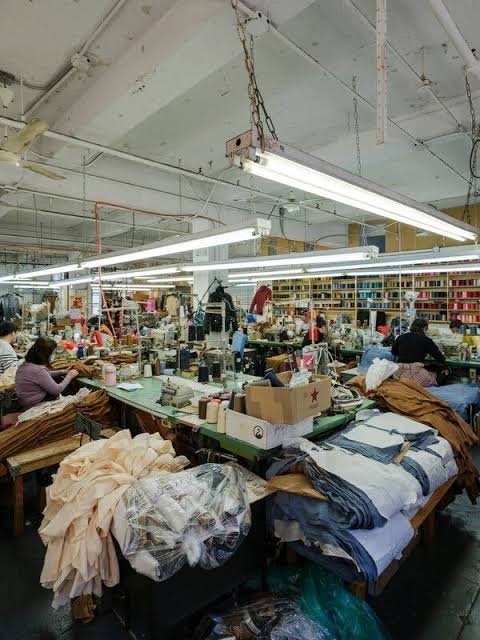
Most first-time clothing brands start with $2,000–$10,000 for a realistic, production-ready launch.
What Influences the Cost of Starting a Clothing Brand?
The total cost depends on several key factors:
- Product type (T-shirt vs jacket)
- Fabric quality
- Design complexity
- MOQ (minimum order quantity)
- Sampling requirements
- Branding level
- Marketing strategy
1. Product Design & Development
Before production begins, you need to develop your product.
Typical Costs
| Task | Estimated Cost |
|---|---|
| Tech pack creation | $50 – $500 |
| Design work | $100 – $1,000 |
| Pattern making | $50 – $300 |
Insight
Clear product planning reduces costly revisions later.
2. Sampling Costs
Sampling is where your idea becomes a real garment.
What Sampling Includes
- Fabric cutting
- Sewing
- Printing or embroidery
- Fit adjustments
Typical Cost
- $50 – $150 per sample (basic items)
- $100 – $300 per complex garments
Recommended resource:
Quality Control Services
3. Manufacturing & MOQ
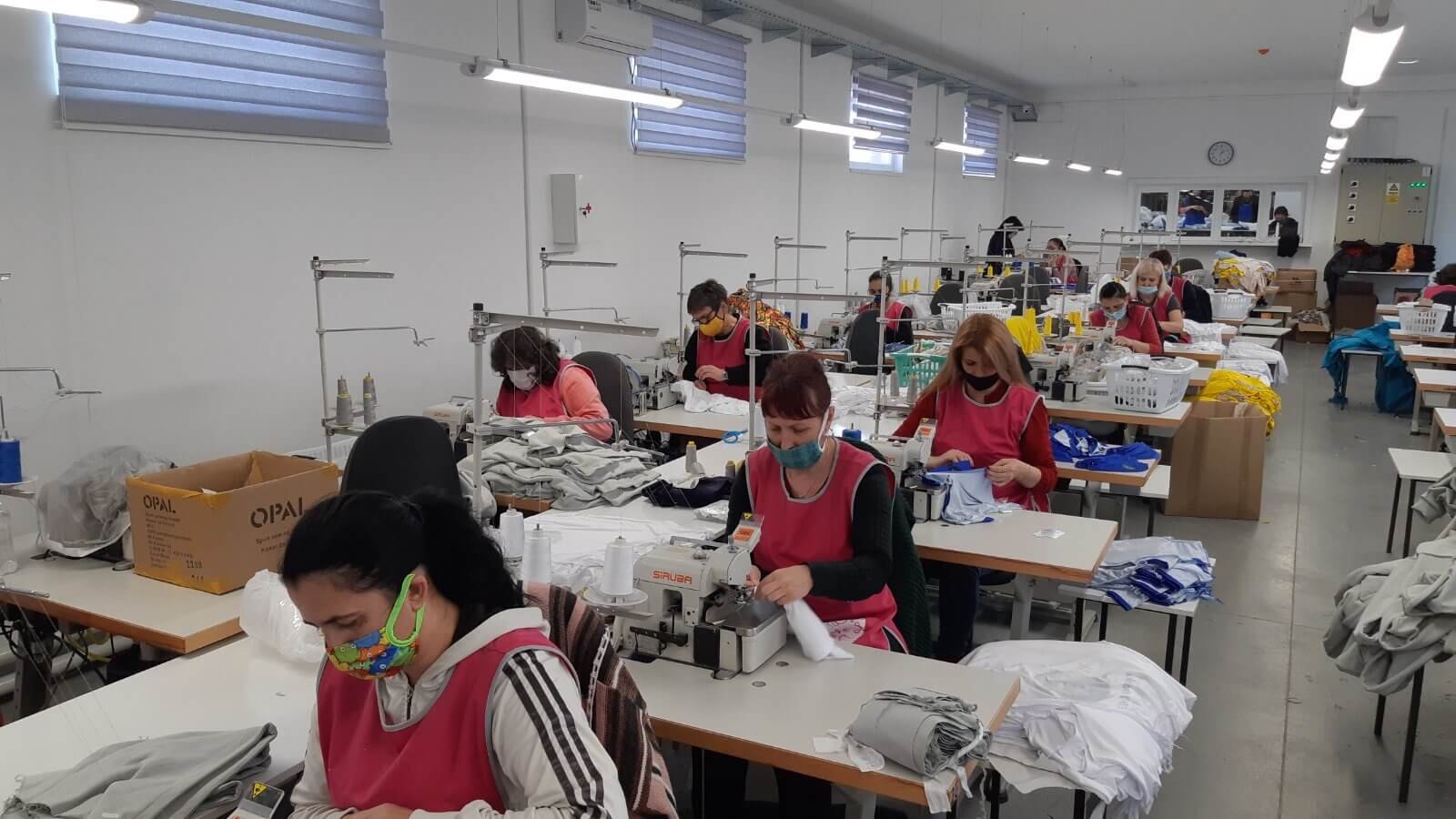
Production is usually the biggest cost factor.
Example MOQ Costs
| Product | MOQ | Estimated Cost |
|---|---|---|
| T-shirt | 50–100 pcs | $3 – $8 per unit |
| Hoodie | 100–200 pcs | $8 – $20 per unit |
| Jacket | 200+ pcs | $20 – $80+ per unit |
Insight
Higher MOQ = lower unit cost, but higher upfront investment.
4. Branding & Packaging
Branding is what makes your product feel premium.
Common Costs
- Woven labels: $0.20 – $1 per piece
- Hang tags: $0.10 – $0.50 per piece
- Custom packaging: $0.30 – $2 per unit
Impact
| Basic Branding | Premium Branding |
|---|---|
| Lower cost | Higher perceived value |
| Minimal packaging | Strong brand identity |
5. Marketing & Launch Costs
Even great products need visibility.
Common Expenses
- Website setup: $50 – $500
- Product photography: $100 – $2,000
- Social ads: $100 – $5,000+
- Influencer marketing: variable
Typical Budget Ranges for Clothing Brands
Here’s a realistic breakdown of total startup budgets:
| Type of Brand | Budget Range | Strategy |
|---|---|---|
| Micro Startup | $500 – $2,000 | Test idea with small batch |
| Startup Brand | $2,000 – $10,000 | Launch first collection |
| Growth Brand | $10,000 – $50,000+ | Scale production & marketing |
Low Budget vs Medium vs High Budget
| Factor | Low Budget | Medium Budget | High Budget |
|---|---|---|---|
| Product Range | 1–2 items | 3–10 items | Full collection |
| Quality | Basic | Medium | Premium |
| MOQ | Very low | Moderate | High |
| Risk | Low | Medium | Higher investment |
| Growth Potential | Limited | Strong | Scalable |
How to Start a Clothing Brand on a Budget
If you're starting with limited funds, here’s the best approach:
Step 1: Start Small
Focus on 1–3 strong products instead of a full collection.
Step 2: Use Stock Fabrics
Avoid expensive custom fabric development in the beginning.
Step 3: Simplify Designs
Less complexity = lower cost + faster production.
Step 4: Test Market First
Validate demand before scaling production.
Common Mistakes That Increase Costs
Mistake 1: Overdesigning Products
Too many details increase production and sampling costs.
Mistake 2: Ordering Too Many SKUs
Spreading budget across too many products reduces impact.
Mistake 3: Skipping Planning Stage
Poor planning leads to expensive revisions.
How Bless Clothing Helps Reduce Startup Costs
At Bless Clothing, we help startups build cost-efficient production strategies without sacrificing quality.
Our Services
- Product development support
- Fabric sourcing
- Sampling services
- Small batch production
- Private label manufacturing
- Quality control systems
- Scalable bulk production
Helpful Resources
- Private Label Clothing Manufacturer
- OEM & ODM Services
- Custom Fabric Solutions
- Quality Control Services
Industry Resource
Smart production planning saves more money than cutting corners on quality.
FAQs
How much money do I need to start a clothing brand?
Most brands start with $2,000–$10,000 for a realistic first collection.
Can I start a clothing brand with $500?
Yes, but only for sampling and very small test production.
What is the biggest cost in starting a clothing brand?
Manufacturing and production (MOQ) is usually the biggest cost.
How can I reduce startup costs?
Start small, use stock fabrics, and simplify designs.
Do I need a factory to start a clothing brand?
No. Most brands work with OEM/ODM manufacturers instead of owning factories.
Final Thoughts
Starting a clothing brand doesn’t require huge capital—but it does require smart planning.
Your main costs will come from:
- Product development
- Sampling
- Manufacturing
- Branding
- Marketing
The most successful brands don’t start with the biggest budgets—they start with the smartest strategies.
If you're ready to build your brand efficiently, explore Bless Clothing to learn how we help startups turn ideas into scalable fashion businesses.