
One of the biggest concerns for clothing brands is consistency.
A sample may look perfect, but how can a factory ensure that the 1,000th piece looks the same as the first?
After working with fashion startups, established apparel brands, and production teams for years, I've learned that professional factories don't rely on luck or individual workers. They rely on systems.
Strong production standards help reduce defects, improve consistency, minimize delays, and ensure customers receive products that match expectations.
In this guide, I'll explain how professional clothing factories maintain production standards and why these systems are critical for apparel brands that want long-term success.
Table of Contents
- Quick Answer
- What Are Production Standards?
- Why Production Standards Matter
- The Cost of Poor Production Control
- 1. Standardized Tech Packs
- 2. Fabric Inspection Before Production
- 3. Pre-Production Sample Approval
- 4. Standard Operating Procedures
- 5. Inline Quality Inspections
- 6. Measurement Control Systems
- 7. Production Line Training
- 8. Final Quality Control Checks
- 9. Supplier Consistency Management
- 10. Continuous Improvement Systems
- How Bless Clothing Maintains Production Standards
- Professional Factory vs Unorganized Factory
- FAQs
- Final Thoughts
Quick Answer
Professional clothing factories maintain production standards through:
- Detailed tech packs
- Fabric inspections
- Pre-production samples
- Standard operating procedures
- Inline quality checks
- Final inspections
- Employee training
- Continuous improvement systems
These processes help ensure products remain consistent across every production run.

👉 Learn more about professional apparel manufacturing at Bless Clothing.
What Are Production Standards?
Production standards are documented procedures that define how garments should be manufactured.
These standards cover:
- Materials
- Measurements
- Sewing methods
- Quality requirements
- Packaging
- Inspection criteria
Simple Definition
Production standards are the rules that ensure every garment is made the same way every time.
Without standards, product quality becomes unpredictable.
Why Production Standards Matter
Strong standards create consistency.
Benefits for Brands
| Benefit | Result |
|---|---|
| Consistent quality | Stronger reputation |
| Fewer defects | Lower costs |
| Better efficiency | Faster production |
| Predictable outcomes | Higher customer satisfaction |
Key Insight
Customers expect consistency, not perfection.
A factory that consistently meets expectations often outperforms one that occasionally delivers exceptional results.
The Cost of Poor Production Control
Weak production systems create expensive problems.
Common Issues
| Problem | Consequence |
|---|---|
| Incorrect sizing | Returns |
| Fabric defects | Customer complaints |
| Color variation | Inventory issues |
| Sewing mistakes | Rework costs |
| Missed deadlines | Lost sales |
Many production failures happen because systems are missing, not because workers lack skill.
1. Standardized Tech Packs
Every successful production run begins with clear documentation.
What a Tech Pack Includes
- Measurements
- Fabric details
- Trim specifications
- Artwork placement
- Construction instructions
Why It Matters
| Clear Tech Pack | Poor Tech Pack |
|---|---|
| Consistent results | Production errors |
| Faster communication | Confusion |
| Better quality | More corrections |
A detailed tech pack acts as the blueprint for production.
2. Fabric Inspection Before Production
Fabric issues discovered after cutting can be extremely costly.
Common Fabric Checks
- Color consistency
- Fabric defects
- GSM verification
- Shrinkage testing
- Width measurement
Inspection Benefits
| Benefit | Impact |
|---|---|
| Early issue detection | Lower waste |
| Better consistency | Higher quality |
| Reduced delays | Improved timelines |
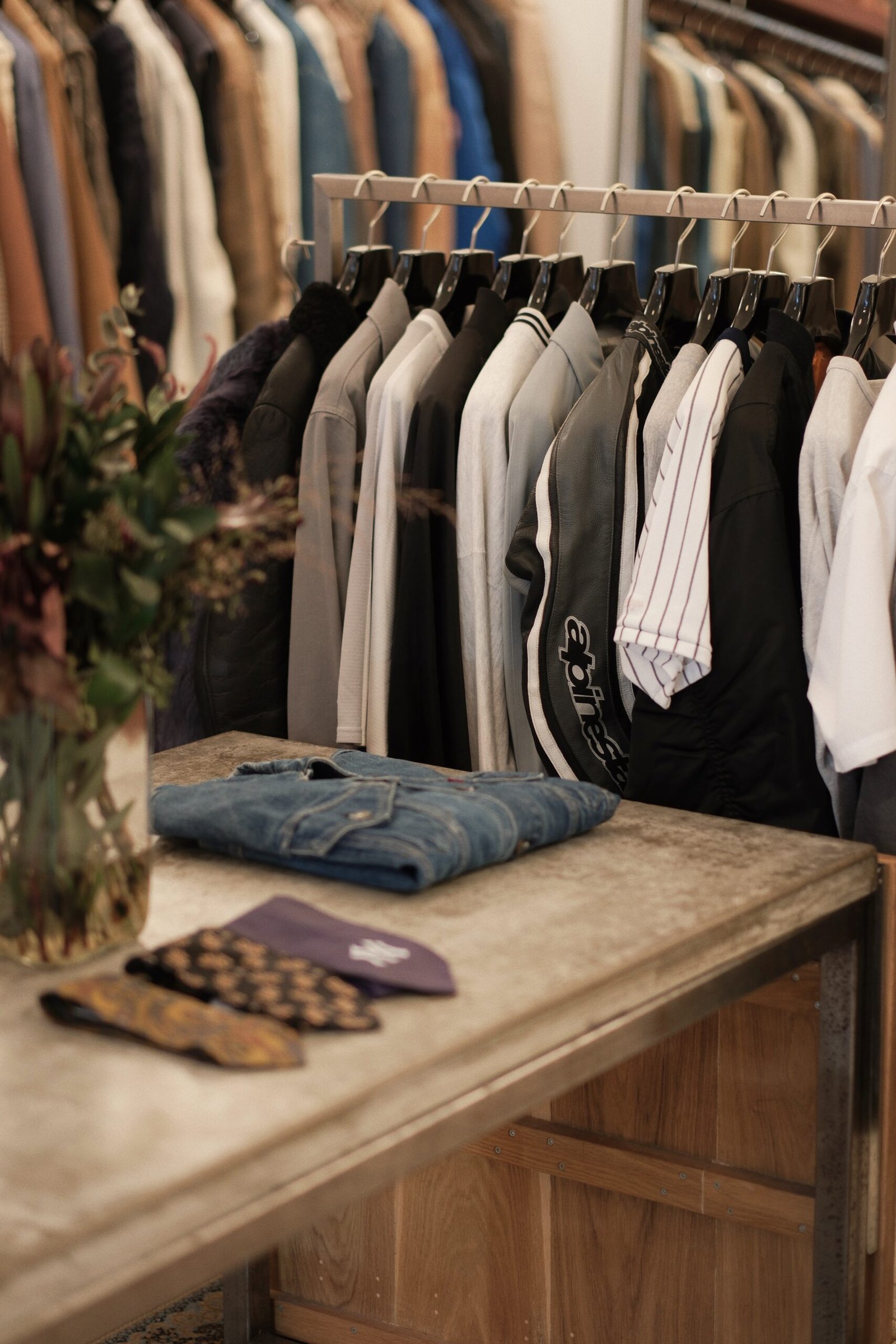
Many professional factories inspect fabric before it enters production.
3. Pre-Production Sample Approval
Before bulk production starts, factories usually create a pre-production sample.
PP Sample Verification
- Measurements
- Fabric
- Trims
- Branding
- Construction
Why This Step Matters
The PP sample becomes the benchmark for the entire production run.
No bulk order should begin without approval.
4. Standard Operating Procedures
Professional factories document every major process.
Examples of SOPs
- Cutting procedures
- Sewing methods
- Quality inspections
- Packaging standards
Benefits
| SOP System | No SOP System |
|---|---|
| Consistency | Variability |
| Easier training | Knowledge gaps |
| Better quality | Higher error rates |
Key Insight
The best factories rely on systems, not individual memory.
5. Inline Quality Inspections
Quality control should happen during production, not only after production.
Inline Inspection Areas
- Stitch quality
- Measurements
- Print placement
- Embroidery accuracy
Advantages
| Inline QC | Final QC Only |
|---|---|
| Early corrections | Late discovery |
| Lower waste | Higher rework costs |
| Better efficiency | Production delays |
Professional factories catch issues before they become large problems.
6. Measurement Control Systems
Sizing consistency is critical for customer satisfaction.
Measurement Checks
| Area | Inspection Frequency |
|---|---|
| Chest | Regular |
| Length | Regular |
| Sleeve | Regular |
| Waist | Regular |
Why It Matters
Customers often forgive small design differences but rarely forgive inconsistent sizing.
7. Production Line Training
Skilled workers still require training.
Training Topics
- Sewing standards
- Quality expectations
- Safety procedures
- Equipment operation
Benefits
| Trained Team | Untrained Team |
|---|---|
| Better quality | More mistakes |
| Faster output | Lower efficiency |
| Consistency | Variability |
Strong factories invest continuously in employee development.
8. Final Quality Control Checks
Before shipment, finished garments undergo final inspection.
Final QC Checklist
- Measurements
- Appearance
- Packaging
- Labeling
- Carton verification
Inspection Standards
Many factories use systems based on AQL Quality Inspection Standards to evaluate shipment quality.
Goal
Ensure customers receive products that meet approved specifications.
9. Supplier Consistency Management
Even the best factory depends on reliable suppliers.
Key Supplier Areas
- Fabrics
- Labels
- Zippers
- Packaging
Supplier Management Benefits
| Strong Suppliers | Weak Suppliers |
|---|---|
| Consistent quality | Variable quality |
| Reliable lead times | Delays |
| Better materials | Inconsistent performance |
Many professional factories build long-term supplier relationships to improve stability.
10. Continuous Improvement Systems
Professional factories constantly improve processes.
Improvement Activities
- Defect tracking
- Root cause analysis
- Team reviews
- Process optimization
Why Improvement Matters
Factories that continuously improve tend to:
- Reduce defects
- Improve efficiency
- Lower costs
- Increase customer satisfaction
How Bless Clothing Maintains Production Standards
At Bless Clothing, production consistency is supported through documented systems and quality control procedures.
Our Process Includes
- Fabric inspection
- PP sample approval
- Inline quality checks
- Final inspections
- Measurement verification
- Production monitoring
Additional Support
You can also explore our:
Our goal is to help brands reduce production risks while maintaining consistent quality.
Professional Factory vs Unorganized Factory
| Professional Factory | Unorganized Factory |
|---|---|
| Documented systems | Informal processes |
| Consistent quality | Variable quality |
| PP sample approval | Limited planning |
| Inline inspections | Reactive quality control |
| Reliable suppliers | Inconsistent sourcing |
| Continuous improvement | Repeated mistakes |
FAQs
Why are production standards important?
Production standards help ensure garments are made consistently and meet customer expectations.
What is a PP sample?
A PP (Pre-Production) sample is the approved garment used as the reference for bulk production.
What is inline quality control?
Inline quality control refers to inspections conducted during production rather than after production is completed.
How do factories reduce production errors?
Through documentation, employee training, inspections, and standardized procedures.
How does Bless Clothing maintain quality?
Bless Clothing uses fabric inspections, PP sample approvals, inline quality control, final inspections, and supplier management systems.
Final Thoughts
Professional clothing factories do not achieve consistency by chance.
They rely on:
- Clear documentation
- Quality control systems
- Supplier management
- Employee training
- Continuous improvement
These standards help ensure every production run meets expectations and supports long-term brand growth.
👉 If you're looking for a manufacturing partner that prioritizes consistency and quality, visit Bless Clothing to learn more about our custom apparel manufacturing, private label production, and quality control processes.
Remember: the strongest apparel brands are often built on consistent execution rather than occasional perfection.