
Table of Contents
- Quick Answer
- Why Apparel Production Delays Happen So Often
- What Delays Actually Cost Fashion Brands
- Why Many Clothing Brands Experience Production Problems
- Step 1: Prepare Complete Tech Packs Early
- Step 2: Confirm Fabrics Before Production Starts
- Step 3: Approve Samples Carefully
- Step 4: Simplify Product Complexity
- Step 5: Plan Production Timelines Realistically
- Step 6: Improve Communication with Your Manufacturer
- Step 7: Use Organized Quality Control Systems
- Step 8: Avoid Last-Minute Product Changes
- Step 9: Prepare Shipping and Logistics Earlier
- How Bless Clothing Helps Reduce Production Delays
- Organized vs Delayed Production Comparison Table
- FAQs
- Why Strong Production Systems Reduce Delays Long-Term
Quick Answer
Fashion brands avoid apparel production delays by focusing on:
- Complete tech packs
- Early fabric confirmation
- Organized sampling
- Clear communication
- Realistic timelines
- Strong quality control systems
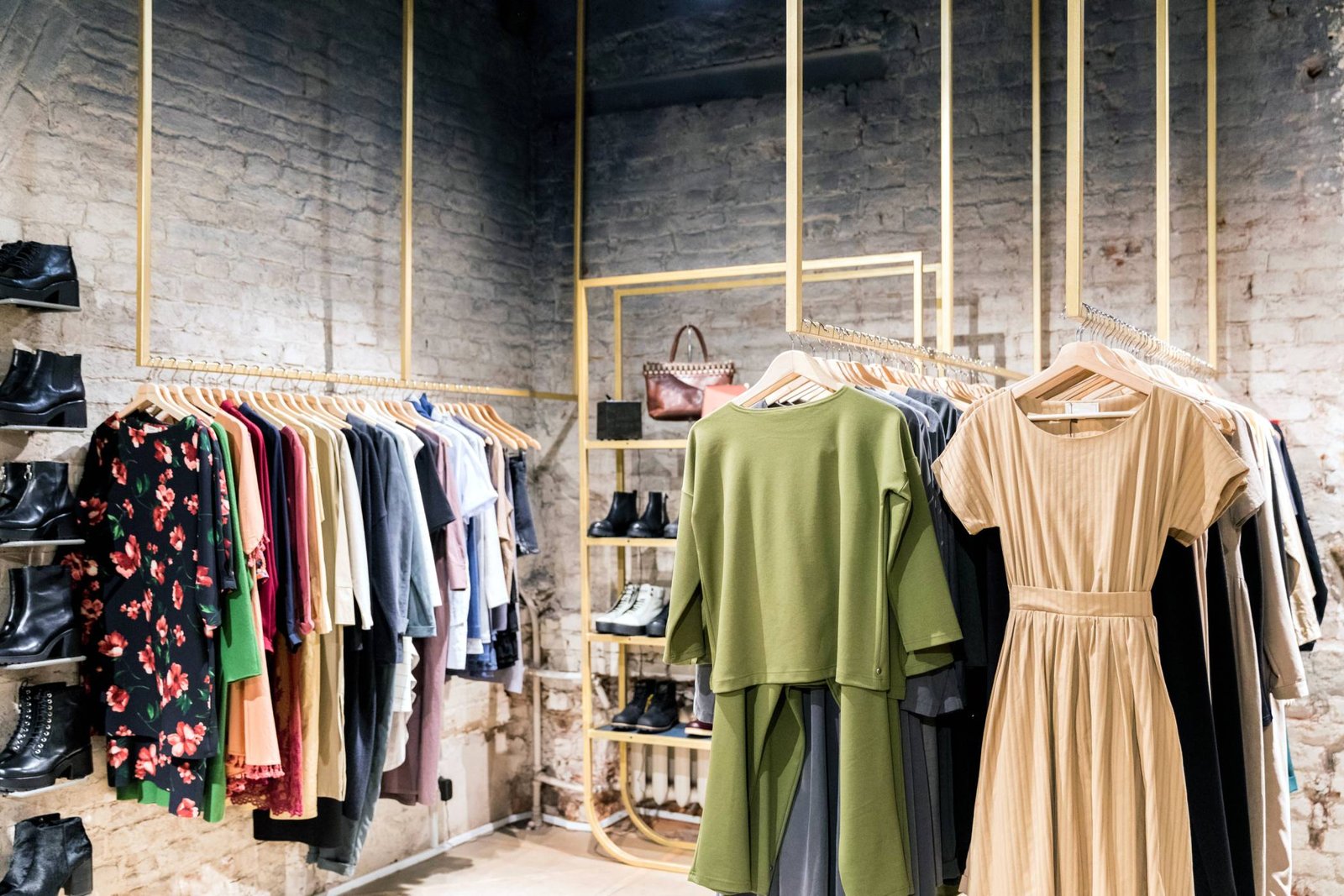
👉 Bless Clothing helps fashion brands reduce production delays through scalable manufacturing systems, low MOQ production, fabric sourcing, and organized product development workflows.
Why Apparel Production Delays Happen So Often
From my experience, apparel production delays usually happen because of poor preparation rather than manufacturing alone.
Common delay causes include:
- Incomplete tech packs
- Late fabric approvals
- Constant design revisions
- Weak communication
- Unrealistic timelines
Key Insight
Most production delays begin before bulk manufacturing even starts.
What Delays Actually Cost Fashion Brands
Production delays create more problems than many brands expect.
Delays often lead to:
| Problem | Impact |
|---|---|
| Missed seasonal launches | Lost sales |
| Shipping pressure | Higher logistics costs |
| Inventory imbalance | Cash flow problems |
| Marketing disruption | Lower campaign performance |
Practical Insight
Late production often damages both profitability and customer trust.
Why Many Clothing Brands Experience Production Problems
Many startup brands underestimate how organized apparel production needs to be.
Common production mistakes:
| Mistake | Result |
|---|---|
| Weak product planning | Delays |
| Too many revisions | Slower development |
| Overcomplicated products | Longer production |
| Poor communication | Manufacturing confusion |
Key Insight
Organized preparation is one of the biggest advantages in apparel manufacturing.
Step 1: Prepare Complete Tech Packs Early
A detailed tech pack reduces confusion during production.
Strong tech packs include:
- Product measurements
- Fabric details
- Color references
- Print placement
- Construction instructions
Tech Pack Comparison
| Complete Tech Pack | Weak Tech Pack |
|---|---|
| Faster production | More revisions |
| Better accuracy | Production confusion |
| Easier communication | Delays |
Practical Insight
Clear product information reduces unnecessary production revisions.
Step 2: Confirm Fabrics Before Production Starts
Fabric delays are one of the biggest manufacturing problems.
Important fabric checks include:
- Fabric stock availability
- GSM confirmation
- Color approval
- Wash testing

Common apparel fabrics:
| Fabric | Production Notes |
|---|---|
| Cotton jersey | Easier sourcing |
| French Terry | Medium lead time |
| Heavy fleece | Longer preparation |
| Modal blends | Premium sourcing |
👉 Standards like OEKO-TEX® help improve fabric reliability and consistency.
Key Insight
Fabric preparation should begin as early as possible.
Step 3: Approve Samples Carefully
Sampling helps prevent expensive bulk production problems.
Sample review areas:
| Area | Importance |
|---|---|
| Fit | High |
| Fabric quality | High |
| Construction | High |
| Branding placement | Medium |
Practical Insight
Approving incomplete samples often creates bigger delays later.
Step 4: Simplify Product Complexity
Complex products require more production time.
Time-increasing details include:
- Multiple panels
- Heavy embroidery
- Wash treatments
- Complex stitching
Product Complexity Comparison
| Simple Product | Complex Product |
|---|---|
| Faster production | Longer lead times |
| Easier QC | More production risk |
| Better scalability | Slower manufacturing |
Key Insight
Simpler construction often improves production speed and consistency.
Step 5: Plan Production Timelines Realistically
Unrealistic deadlines increase production pressure.
Typical production stages:
| Stage | Estimated Time |
|---|---|
| Sampling | 7–14 days |
| Fabric preparation | 7–21 days |
| Bulk production | 25–35 days |
| Shipping | Depends on destination |
Timeline Comparison
| Realistic Timeline | Unrealistic Timeline |
|---|---|
| Better organization | Production pressure |
| Stable QC | More mistakes |
| Easier logistics | Shipping delays |
Practical Insight
Rushed production often increases mistakes and inconsistency.
Step 6: Improve Communication with Your Manufacturer
Clear communication improves manufacturing efficiency significantly.
Better communication includes:
- Organized revision tracking
- Faster approvals
- Detailed comments
- Clear deadlines
Communication Comparison
| Organized Communication | Weak Communication |
|---|---|
| Faster production flow | Confusion |
| Better coordination | Repeated revisions |
| Fewer delays | Slower approvals |
Key Insight
Strong communication reduces misunderstandings during production.
Step 7: Use Organized Quality Control Systems
Quality control helps identify problems before shipping.
Bless Clothing focuses on:
- Fabric inspection
- Inline QC systems
- Final garment inspection
- Production consistency checks
QC Comparison
| Strong QC Systems | Weak QC Systems |
|---|---|
| Fewer production issues | Higher defect risk |
| Better consistency | Repeated corrections |
| Faster approvals | Delayed shipping |
👉 Ethical systems like BSCI help improve manufacturing organization and reliability.
Practical Insight
Production problems caught early are usually easier and cheaper to fix.
Step 8: Avoid Last-Minute Product Changes
Late revisions are one of the most common delay causes.
High-risk last-minute changes include:
- Fabric changes
- Logo placement updates
- Measurement adjustments
- Color revisions
Revision Comparison
| Early Revisions | Late Revisions |
|---|---|
| Easier adjustments | Production disruption |
| Faster approvals | Delays |
| Lower costs | Higher expenses |
Key Insight
Final approvals should happen before bulk production begins.
Step 9: Prepare Shipping and Logistics Earlier
Shipping delays also affect apparel launch timing.
Important logistics planning includes:
- Packaging preparation
- Shipping method selection
- Customs coordination
- Delivery scheduling
Shipping Comparison
| Air Shipping | Sea Shipping |
|---|---|
| Faster delivery | Lower cost |
| Higher expense | Longer transit time |
| Better for urgent orders | Better for bulk orders |
Practical Insight
Late logistics planning often creates unnecessary seasonal delays.
How Bless Clothing Helps Reduce Production Delays
Bless Clothing supports fashion brands through:
- Organized product development
- Fabric sourcing support
- Low MOQ manufacturing
- Scalable production systems
- Structured quality control workflows
Bless Clothing Support Table
| Support Area | Delay Reduction Benefit |
|---|---|
| Fabric sourcing | Faster preparation |
| Sampling systems | Fewer revisions |
| QC workflows | Better consistency |
| Production organization | More stable timelines |
Organized vs Delayed Production Comparison Table
| Organized Production | Delayed Production |
|---|---|
| Clear tech packs | Incomplete information |
| Stable timelines | Constant revisions |
| Early fabric approval | Material delays |
| Organized QC systems | Production mistakes |
| Better shipping planning | Logistics problems |
FAQs
1. What causes most apparel production delays?
Incomplete tech packs, fabric delays, weak communication, and last-minute revisions.
2. Why are tech packs important?
They improve production accuracy and reduce confusion.
3. Why do fabric approvals matter early?
Fabric sourcing and preparation often require additional lead time.
4. Why should brands avoid late revisions?
Late changes disrupt production timelines and increase costs.
5. How does Bless Clothing help reduce delays?
Through organized product development, scalable manufacturing systems, and structured QC workflows.
Why Strong Production Systems Reduce Delays Long-Term
The strongest fashion brands usually avoid delays because they build organized systems early.
Long-term production efficiency depends on:
- Clear communication
- Organized development workflows
- Reliable manufacturing systems
- Strong quality control
- Realistic planning timelines
👉 Work with Bless Clothing to improve apparel production efficiency through scalable manufacturing systems, organized product development, and reliable apparel production support.
Final Insight
Most apparel production delays are preventable. The brands that consistently launch on time are usually the ones that combine organized planning, strong communication, early approvals, and reliable manufacturing systems throughout the entire production process.