
Table of Contents
- Quick Answer
- Why Most Clothing Collections Fail
- What Makes a Clothing Collection Successful
- Step 1: Define a Clear Brand Identity
- Step 2: Focus on a Specific Customer
- Step 3: Start with Strong Core Products
- Step 4: Build Around Fabric and Fit
- Step 5: Create Collection Consistency
- Step 6: Balance Trend Pieces and Evergreen Styles
- Step 7: Plan Pricing and Production Carefully
- Step 8: Use Sampling to Improve Products
- Step 9: Avoid Overstock and Inventory Problems
- Step 10: Scale Collections Strategically
- Bless Clothing Collection Development Support
- Successful vs Weak Collection Comparison Table
- FAQs
- Why Strong Collections Build Long-Term Brands
Quick Answer
A clothing collection sells successfully when it combines:
- Clear brand identity
- Strong fabric selection
- Consistent fit
- Smart product planning
- Controlled inventory strategy
👉 Bless Clothing helps brands develop scalable clothing collections through low MOQ manufacturing, fabric sourcing, product development, and apparel production support.
Why Most Clothing Collections Fail
From my experience, many fashion brands launch collections with too many random products and no clear direction.
Common reasons collections fail include:
- Weak brand identity
- Inconsistent product quality
- Poor fabric selection
- Too many SKUs
- Weak inventory planning
Key Insight
Successful collections are usually simple, focused, and consistent.
What Makes a Clothing Collection Successful
Strong collections solve customer needs clearly.
Successful collections usually have:
| Key Element | Why It Matters |
|---|---|
| Consistent fit | Improves trust |
| Strong fabrics | Increases quality perception |
| Clear visual identity | Builds recognition |
| Organized product mix | Easier shopping experience |
Practical Insight
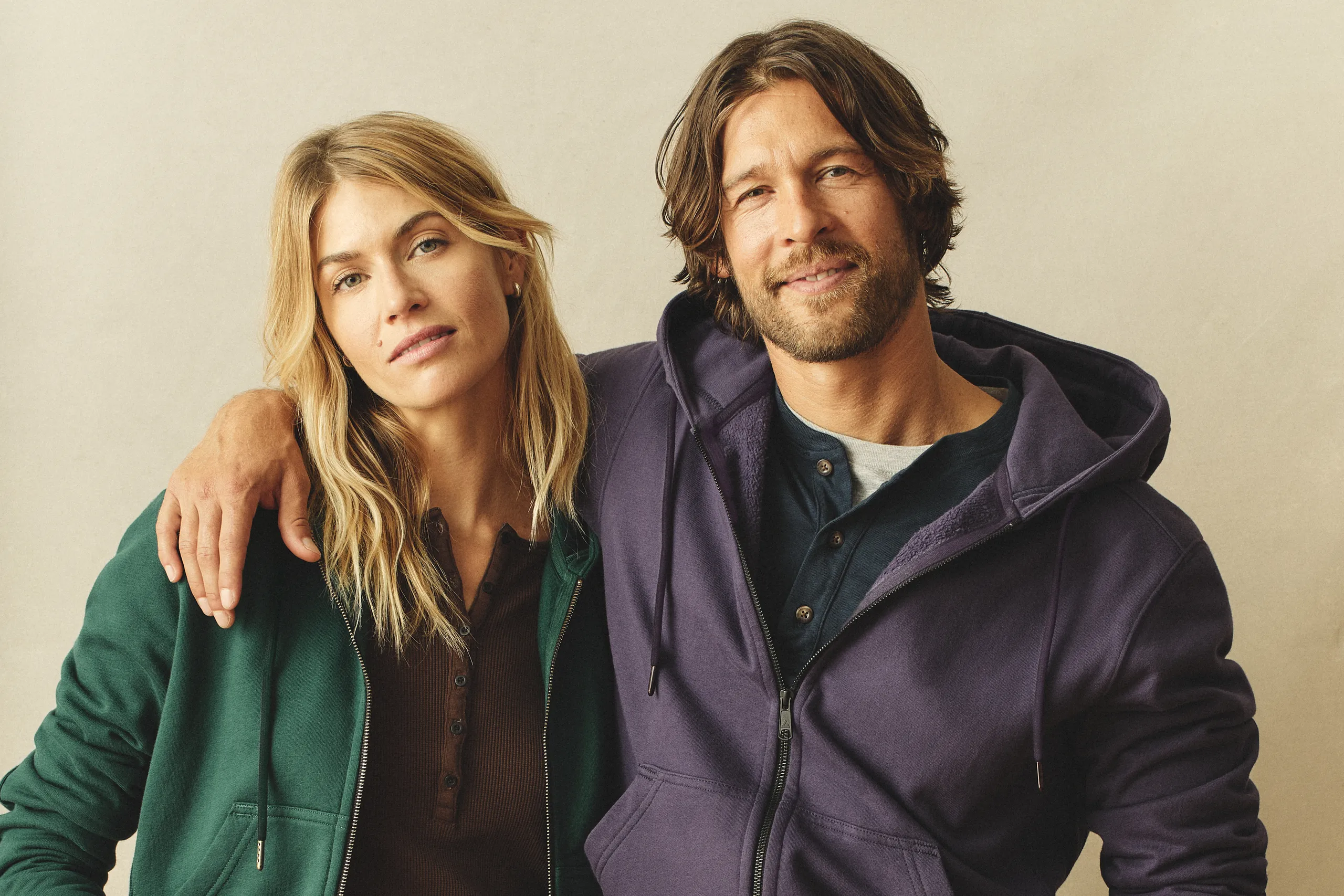
Customers buy collections that feel connected—not random.
Step 1: Define a Clear Brand Identity
Before designing products, define the brand direction.
Important questions include:
- What style does the brand represent?
- Who is the target customer?
- What makes the brand different?
Brand Identity Examples
| Brand Type | Main Focus |
|---|---|
| Streetwear | Oversized silhouettes |
| Minimal basics | Premium fabrics |
| Lifestyle apparel | Comfort and versatility |
Key Insight
Strong brand identity helps collections feel intentional and memorable.
Step 2: Focus on a Specific Customer
Trying to target everyone usually weakens a collection.
Better strategy:
Focus on:
- One audience
- One lifestyle
- One product direction
Customer Positioning Table
| Customer Type | Product Focus |
|---|---|
| Gen Z streetwear | Graphic-heavy styles |
| Lifestyle buyers | Relaxed basics |
| Premium consumers | Elevated fabrics |
Practical Insight
The clearer the customer profile, the easier product decisions become.
Step 3: Start with Strong Core Products
Most successful brands begin with a few reliable products.
Recommended starter products:
- T-shirts
- Hoodies
- Sweatpants
- Shorts
- Loungewear basics
Product Complexity Comparison
| Product Category | Complexity |
|---|---|
| T-shirts | Low |
| Hoodies | Medium |
| Technical wear | High |
Key Insight
Simple core products create stronger long-term collections.
Step 4: Build Around Fabric and Fit
Fabric and fit shape customer perception immediately.
Common collection fabrics:
| Fabric | Best Use |
|---|---|
| Cotton jersey | T-shirts |
| French Terry | Sweatpants |
| Fleece | Hoodies |
| Modal blend | Premium basics |
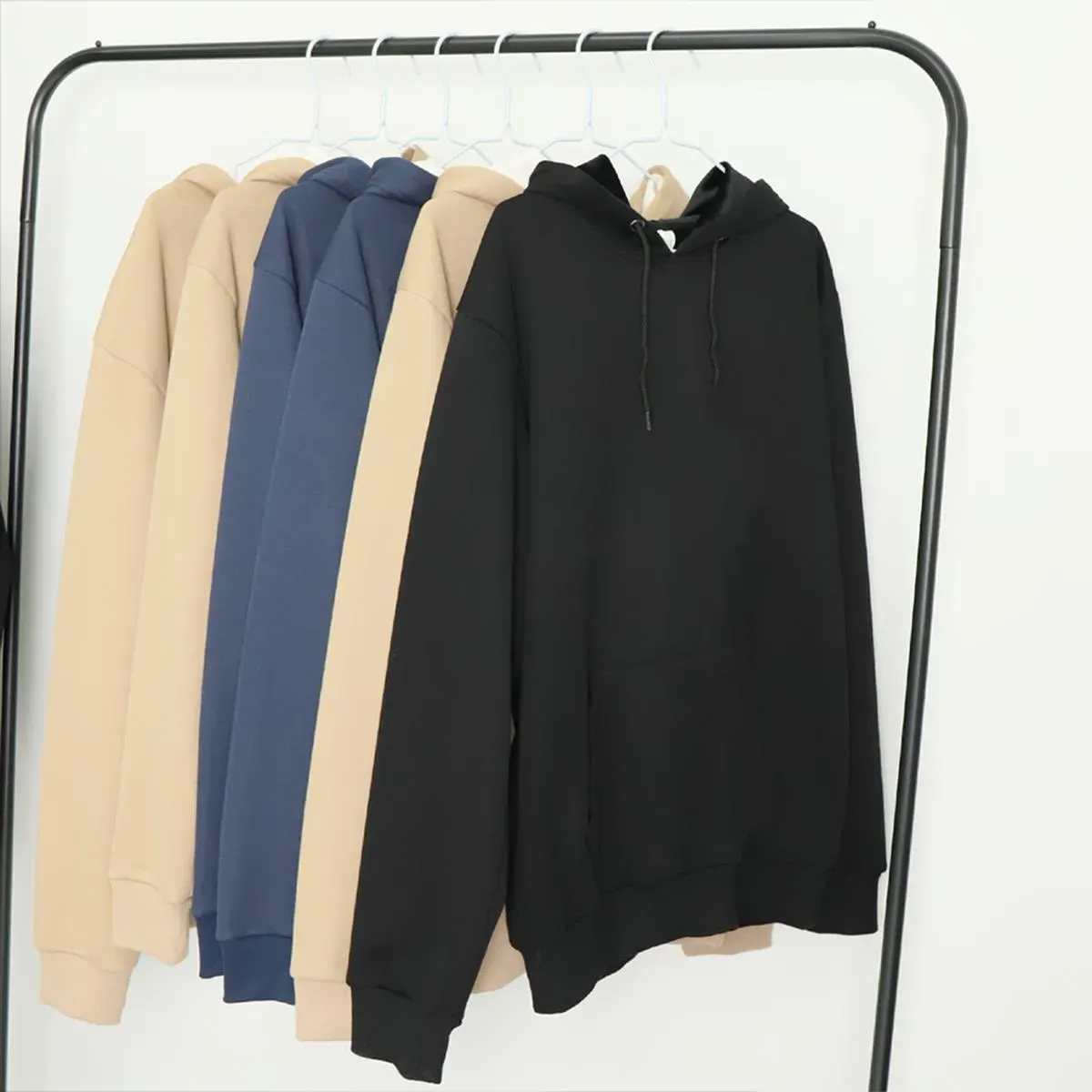
👉 Standards like OEKO-TEX® help improve fabric reliability and consistency.
Fit Comparison
| Fit Type | Brand Style |
|---|---|
| Oversized | Streetwear |
| Relaxed fit | Lifestyle |
| Slim fit | Athletic basics |
Practical Insight
Customers remember how products feel more than how they look online.
Step 5: Create Collection Consistency
Strong collections feel visually connected.
Consistency areas include:
- Color palette
- Fabric direction
- Branding style
- Product silhouettes
Collection Consistency Table
| Area | Importance |
|---|---|
| Fabric consistency | High |
| Branding alignment | High |
| Color coordination | Medium |
Key Insight
Collections feel more premium when products work together visually.
Step 6: Balance Trend Pieces and Evergreen Styles
Collections should include both trend-driven and long-term products.
Smart collection structure:
| Product Type | Purpose |
|---|---|
| Core basics | Stable sales |
| Trend products | Attention and growth |
| Seasonal items | Marketing excitement |
Practical Insight
Brands become unstable when collections rely only on trends.
Step 7: Plan Pricing and Production Carefully
Good collections require sustainable pricing structures.
Important cost areas:
- Fabric quality
- Decoration methods
- Packaging
- Production MOQ
Production Cost Factors
| Factor | Cost Impact |
|---|---|
| Heavyweight fabric | Higher |
| Embroidery | Medium |
| Complex construction | Higher |
Key Insight
Profitable collections balance quality and production efficiency.
Step 8: Use Sampling to Improve Products
Sampling improves product quality before bulk production.
Sample review areas:
- Fit accuracy
- Fabric performance
- Branding consistency
- Construction quality
Sample Review Checklist
| Factor | Check |
|---|---|
| Fit | ✅ |
| Fabric quality | ✅ |
| Construction | ✅ |
| Branding details | ✅ |
Practical Insight
Sampling is where strong collections are refined.
Step 9: Avoid Overstock and Inventory Problems
Inventory problems hurt many new brands.
Better inventory strategies include:
- Lower MOQ production
- Smaller test launches
- Controlled SKU counts
- Reorder flexibility
MOQ Comparison
| Production Type | Typical MOQ |
|---|---|
| Traditional factory | 300–1000 pcs |
| Flexible production | 50–300 pcs |
Key Insight
Smaller launches create safer growth opportunities.
Step 10: Scale Collections Strategically
Strong brands scale collections gradually.
Smart scaling focuses on:
- Best-selling products
- Stable production systems
- Customer feedback
- Repeat order consistency
Scaling Comparison
| Organized Scaling | Aggressive Scaling |
|---|---|
| Better consistency | Product instability |
| Controlled inventory | Overstock risk |
| Easier production | Manufacturing pressure |
Practical Insight
The strongest brands usually grow through focused collections—not oversized catalogs.
Bless Clothing Collection Development Support
Bless Clothing supports clothing brands through:
- Product development
- Fabric sourcing
- Sampling support
- Low MOQ manufacturing
- Scalable production systems
👉 Ethical manufacturing systems like BSCI also help improve production organization and reliability.
Bless Clothing Support Table
| Support Area | Benefit |
|---|---|
| Product planning | Better collection structure |
| Sampling support | Reduced production risk |
| Fabric sourcing | Improved quality |
| Production systems | Scalable growth |
Successful vs Weak Collection Comparison Table
| Strong Collection | Weak Collection |
|---|---|
| Clear brand identity | Random products |
| Consistent fabrics | Mixed quality |
| Focused SKU count | Too many styles |
| Stable fit | Sizing inconsistency |
| Organized production | Inventory problems |
FAQs
1. What makes a clothing collection successful?
Strong fabrics, consistent fit, focused products, and clear branding.
2. Why do many collections fail?
Because they lack direction, consistency, and inventory control.
3. Why are core products important?
Core products create stable long-term sales.
4. Why does sampling matter?
Sampling improves fit, quality, and production accuracy before bulk manufacturing.
5. How does Bless Clothing help brands build collections?
Through fabric sourcing, sampling, low MOQ production, and scalable apparel manufacturing support.
Why Strong Collections Build Long-Term Brands
The strongest fashion brands succeed because they create collections customers can trust repeatedly.
Long-term collection success depends on:
- Consistent quality
- Clear product direction
- Strong manufacturing systems
- Controlled scaling strategies
👉 Work with Bless Clothing to build scalable clothing collections with better fabrics, stronger consistency, and organized apparel production support.
Final Insight
Successful clothing collections are rarely built by launching dozens of random products. The strongest brands focus on a clear identity, reliable product quality, and collections that feel connected, wearable, and consistent over time.