
Table of Contents
- Quick Answer
- Why Many Clothing Brands Struggle with Profit Margins
- What Actually Improves Apparel Profitability
- Step 1: Focus on Core Products That Sell Consistently
- Step 2: Reduce Overstock and Inventory Waste
- Step 3: Improve Fabric and Product Positioning
- Step 4: Simplify Product Collections
- Step 5: Use Low MOQ Production More Strategically
- Step 6: Increase Repeat Customer Value
- Step 7: Improve Product Quality and Consistency
- Step 8: Reduce Production Mistakes and Returns
- Step 9: Build More Efficient Manufacturing Systems
- Step 10: Scale Slowly and Protect Cash Flow
- How Bless Clothing Helps Improve Brand Profitability
- Profitable vs Unprofitable Brand Comparison Table
- FAQs
- Why Long-Term Profitability Depends on Strong Systems
Quick Answer
Clothing brands improve profit margins by:
- Selling stronger core products
- Reducing inventory waste
- Improving product consistency
- Using efficient manufacturing systems
- Building repeat customer demand
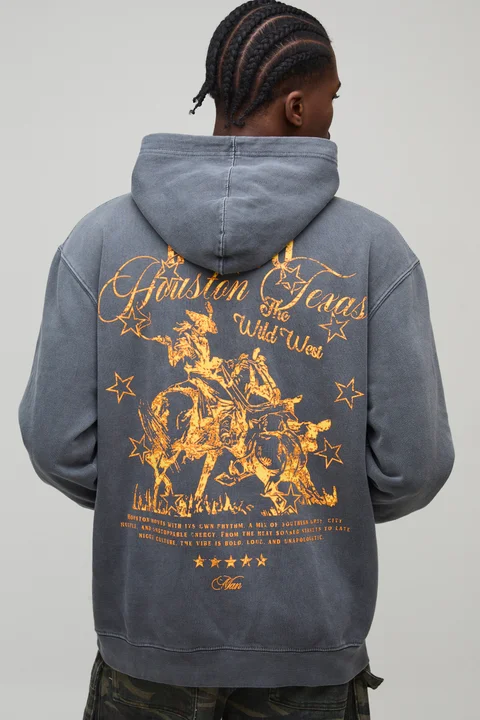
👉 Bless Clothing helps fashion brands improve profitability through low MOQ production, scalable manufacturing systems, fabric sourcing, and organized apparel development support.
Why Many Clothing Brands Struggle with Profit Margins
From my experience, many fashion brands focus heavily on sales growth while ignoring operational efficiency.
Common profit margin problems include:
- Overstock inventory
- Weak product quality
- High return rates
- Poor production planning
- Too many low-performing SKUs
Key Insight
Revenue growth alone does not create profitable clothing brands.
What Actually Improves Apparel Profitability
The most profitable brands usually focus on:
- Simpler collections
- Better inventory management
- Strong product positioning
- Consistent quality
Profitability Drivers
| Area | Impact |
|---|---|
| Product consistency | Higher retention |
| Lower inventory waste | Better cash flow |
| Strong fabrics | Higher perceived value |
| Efficient production | Lower operational costs |
Practical Insight
Brands become more profitable when products are easier to scale and reorder consistently.
Step 1: Focus on Core Products That Sell Consistently
Many brands lose money by launching too many weak products.
Strong core products often include:
- T-shirts
- Hoodies
- Sweatpants
- Shorts
- Loungewear basics
Product Stability Comparison
| Product Type | Stability |
|---|---|
| Core essentials | High |
| Trend products | Medium |
| Experimental items | Low |
Key Insight
Strong basics usually create more stable long-term profits than trend-heavy collections.
Step 2: Reduce Overstock and Inventory Waste
Inventory problems hurt apparel profitability quickly.
Common inventory issues:
| Problem | Result |
|---|---|
| Excess SKU counts | Slow-moving stock |
| Large production runs | Overstock risk |
| Weak forecasting | Cash flow pressure |
Practical Tip
Smaller launches often improve:
- Inventory flexibility
- Cash flow
- Product testing accuracy
Step 3: Improve Fabric and Product Positioning
Better fabrics often allow brands to position products at higher price points.
Common apparel fabrics:
| Fabric | Product Position |
|---|---|
| Cotton jersey | Standard basics |
| French Terry | Premium casual |
| Fleece | Heavyweight streetwear |
| Modal blend | Elevated essentials |
👉 Standards like OEKO-TEX® help improve fabric consistency and customer trust.
Key Insight
Customers are usually willing to pay more for:
- Better comfort
- Stronger durability
- Premium fabric feel

Step 4: Simplify Product Collections
Too many products often reduce profitability.
Simplified collections improve:
- Inventory management
- Manufacturing efficiency
- Product consistency
- Reordering speed
Collection Comparison
| Focused Collection | Overloaded Collection |
|---|---|
| Easier inventory flow | Overstock risk |
| Stronger branding | Confusing identity |
| Better production | Operational complexity |
Practical Insight
Smaller collections are often easier to scale profitably.
Step 5: Use Low MOQ Production More Strategically
Low MOQ manufacturing helps brands reduce financial risk.
Benefits include:
- Smaller inventory exposure
- Easier trend testing
- Better cash flow protection
MOQ Comparison
| Production Type | Typical MOQ |
|---|---|
| Traditional factory | 300–1000 pcs |
| Flexible production | 50–300 pcs |
Key Insight
Lower MOQ systems help brands adapt faster to real customer demand.
Step 6: Increase Repeat Customer Value
Repeat customers are usually more profitable than constantly acquiring new customers.
Repeat purchase drivers include:
- Product consistency
- Reliable fit
- Strong fabric quality
- Comfortable wearability
Customer Retention Table
| Retention Driver | Importance |
|---|---|
| Consistent sizing | High |
| Fabric quality | High |
| Product durability | High |
Practical Insight
Brands improve margins when customers reorder products confidently.
Step 7: Improve Product Quality and Consistency
Inconsistent products increase:
- Returns
- Complaints
- Refunds
- Lost customers
Bless Clothing focuses on:
- Fabric inspection
- Approved sample systems
- Structured QC workflows
- Production consistency
Quality Comparison
| Strong Quality Systems | Weak Quality Systems |
|---|---|
| Lower returns | Higher complaints |
| Better retention | Lost customers |
| Stable reorders | Production variation |
Key Insight
Product consistency directly affects long-term profitability.
Step 8: Reduce Production Mistakes and Returns
Returns reduce apparel profit margins quickly.
Common return causes include:
- Sizing problems
- Weak stitching
- Fabric inconsistency
- Printing defects
Return Prevention Checklist
| Area | Focus |
|---|---|
| Sampling | Fit accuracy |
| Fabric QC | Material stability |
| Inline QC | Production consistency |
👉 Ethical systems like BSCI help improve manufacturing organization and reliability.
Practical Insight
Reducing mistakes often improves profitability faster than increasing sales.
Step 9: Build More Efficient Manufacturing Systems
Operational efficiency improves margins significantly.
Important efficiency areas include:
- Product development
- Fabric sourcing
- Production timelines
- Communication systems
Manufacturing Efficiency Comparison
| Efficient Production | Weak Production |
|---|---|
| Faster reorders | Delays |
| Better consistency | More defects |
| Lower waste | Higher costs |
Key Insight
Efficient production systems improve scalability and profitability together.
Step 10: Scale Slowly and Protect Cash Flow
Many fashion brands scale too aggressively.
Sustainable scaling focuses on:
- Controlled inventory growth
- Stable manufacturing systems
- Best-selling products
- Repeat customer demand
Scaling Comparison
| Controlled Scaling | Aggressive Scaling |
|---|---|
| Better cash flow | Inventory pressure |
| Lower production risk | Overstock problems |
| Easier operations | Operational stress |
Practical Insight
The strongest brands often scale slower—but more profitably.
How Bless Clothing Helps Improve Brand Profitability
Bless Clothing supports clothing brands through:
- Low MOQ manufacturing
- Product development support
- Fabric sourcing
- Scalable production systems
- Structured quality control
Bless Clothing Support Table
| Support Area | Profit Benefit |
|---|---|
| Low MOQ production | Reduced inventory risk |
| Product consistency | Better retention |
| QC systems | Fewer returns |
| Manufacturing efficiency | Lower production waste |
Profitable vs Unprofitable Brand Comparison Table
| Profitable Brand | Weak Brand |
|---|---|
| Focused collections | Too many SKUs |
| Strong product quality | Inconsistent products |
| Controlled inventory | Overstock problems |
| Repeat customers | One-time buyers |
| Organized production | Manufacturing chaos |
FAQs
1. What improves clothing brand profit margins most?
Better inventory control, stronger products, and efficient production systems.
2. Why do many fashion brands lose money?
Because of overproduction, weak quality, and poor inventory planning.
3. Why are core products important?
Core products create stable, repeatable revenue.
4. How does low MOQ help profitability?
It reduces inventory risk and protects cash flow.
5. How does Bless Clothing support profitable growth?
Through low MOQ production, QC systems, and scalable manufacturing support.
Why Long-Term Profitability Depends on Strong Systems
The strongest clothing brands usually succeed because they build efficient systems behind the products.
Long-term profitability depends on:
- Product consistency
- Controlled inventory
- Efficient manufacturing
- Repeat customer trust
👉 Work with Bless Clothing to improve clothing brand profitability through scalable production systems, better product consistency, and smarter manufacturing strategies.
Final Insight
Profitable fashion brands are rarely built through viral products alone. The strongest brands usually focus on efficient systems, consistent products, controlled inventory, and collections customers continue buying over time.