
Launching your first clothing collection is one of the most exciting stages of building a fashion brand. However, from my experience working with startup apparel companies, many new brands make the same mistake: they try to create too many products too quickly.
A successful first collection is not about having the largest product range. It's about creating a focused collection that clearly represents your brand, appeals to your target customers, and can be produced efficiently.
In this guide, I'll walk you through how to plan your first clothing collection step by step and avoid the costly mistakes many new brands make.
Table of Contents
- Quick Answer
- Why Your First Collection Matters
- Common Mistakes New Brands Make
- Step 1: Define Your Brand Positioning
- Step 2: Identify Your Target Customer
- Step 3: Choose a Focused Product Range
- Step 4: Select the Right Fabrics
- Step 5: Build a Cohesive Collection
- Step 6: Develop Samples Before Production
- Step 7: Plan Your Pricing Strategy
- Step 8: Calculate Your Production Budget
- Step 9: Create a Launch Timeline
- Step 10: Work With the Right Manufacturing Partner
- How Bless Clothing Helps New Brands Launch Collections
- First Collection Planning Checklist
- FAQs
- Final Thoughts
Quick Answer
To successfully plan your first clothing collection, you should:
- Define your brand positioning.
- Identify your target audience.
- Start with a small product range.
- Choose reliable fabrics.
- Develop samples carefully.
- Set realistic pricing.
- Create a production timeline.
- Work with a reliable manufacturer.
The brands that succeed usually focus on simplicity and consistency rather than launching dozens of styles at once.
👉 Bless Clothing helps startup clothing brands develop custom apparel collections through product development, sampling, fabric sourcing, and scalable manufacturing solutions.
Why Your First Collection Matters
Your first collection creates the foundation of your brand.
Customers will often judge:
- Product quality
- Brand identity
- Design direction
- Value proposition
- Professionalism
based on the first collection they see.
Key Insight
Your first collection doesn't need to be large—it needs to be clear.
Many successful fashion brands launched with fewer than ten products.
Common Mistakes New Brands Make
Before discussing the planning process, let's look at common mistakes.
Common Startup Errors
| Mistake | Result |
|---|---|
| Too many styles | Higher inventory risk |
| Too many fabric types | Increased complexity |
| No customer focus | Weak sales |
| Poor pricing strategy | Low profit margins |
| Rushing production | Quality issues |
Practical Advice
Focus on launching a strong collection rather than a large collection.
Step 1: Define Your Brand Positioning
Before designing products, determine what your brand stands for.
Ask Yourself
- Who is the customer?
- What problem does the brand solve?
- What style category are you targeting?
- What price level are you entering?
Positioning Examples
| Brand Type | Positioning |
|---|---|
| Casualwear | Everyday comfort |
| Streetwear | Fashion-forward lifestyle |
| Athleisure | Active performance |
| Luxury Basics | Premium essentials |
Why Positioning Matters
Positioning influences every future decision:
- Designs
- Fabrics
- Pricing
- Marketing
Step 2: Identify Your Target Customer
Many new brands design products they personally like instead of products their customers want.
Define Customer Details
- Age
- Gender
- Lifestyle
- Income level
- Shopping behavior
Example Customer Profile
| Category | Example |
|---|---|
| Age | 25–35 |
| Lifestyle | Urban professional |
| Interests | Travel, fitness, fashion |
| Price Sensitivity | Medium |
The clearer your customer profile, the easier product development becomes.
Step 3: Choose a Focused Product Range
One of the biggest startup mistakes is launching too many SKUs.
Recommended First Collection
| Product Type | Quantity |
|---|---|
| T-Shirts | 2–3 styles |
| Hoodies | 1–2 styles |
| Sweatpants | 1 style |
| Shorts | 1 style |
Why Smaller Collections Work
- Easier inventory management
- Lower development costs
- Simpler production
- Better brand clarity
Key Insight
Start narrow. Expand later.
Step 4: Select the Right Fabrics
Fabric selection has a huge impact on product success.
Popular Casualwear Fabrics
| Fabric | Benefits |
|---|---|
| Cotton Jersey | Soft and breathable |
| French Terry | Comfortable and versatile |
| Heavyweight Cotton | Premium feel |
| Fleece | Warm and durable |
| Cotton-Poly Blend | Better shape retention |
For fabric safety and quality standards, many brands reference OEKO-TEX® certified materials.
Practical Advice
Choose fewer fabrics and use them across multiple products to simplify production.
Step 5: Build a Cohesive Collection
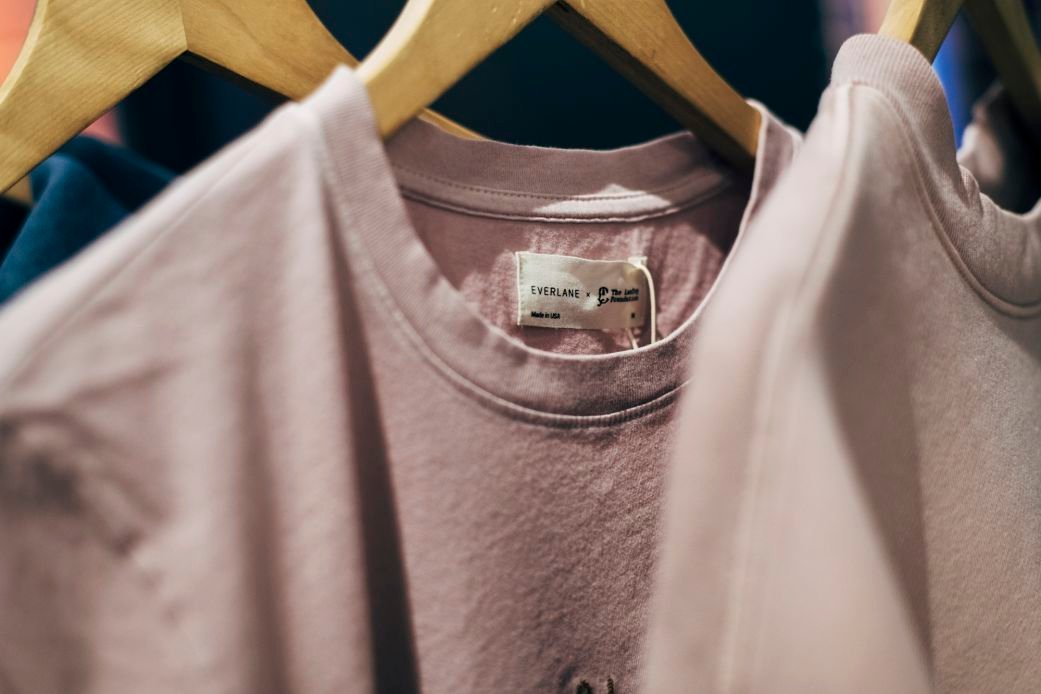
Your products should look like they belong together.
Collection Consistency Areas
- Color palette
- Fabric selection
- Branding elements
- Fit philosophy
Cohesive Collection Example
| Element | Consistency |
|---|---|
| Colors | Neutral palette |
| Logos | Consistent placement |
| Fabric | Same base materials |
| Fit | Relaxed silhouette |
Customers recognize professional brands through consistency.
Step 6: Develop Samples Before Production
Sampling is one of the most important stages.
Sample Evaluation Checklist
- Fit accuracy
- Fabric quality
- Construction
- Color matching
- Branding placement
Why Sampling Matters
| Benefit | Impact |
|---|---|
| Error prevention | Lower risk |
| Quality verification | Better products |
| Cost savings | Fewer production issues |
Never skip the sample approval stage.
Step 7: Plan Your Pricing Strategy
Pricing affects both sales and profitability.
Pricing Factors
- Fabric cost
- Manufacturing cost
- Packaging
- Shipping
- Marketing
Simple Pricing Example
| Cost Category | Amount |
|---|---|
| Product Cost | $15 |
| Packaging | $1 |
| Shipping Allocation | $2 |
| Total Cost | $18 |
Many brands target a retail price 3–5 times production cost.
Practical Advice
Avoid underpricing simply to compete.
Step 8: Calculate Your Production Budget
Your budget determines what is realistic.
Budget Categories
- Sampling
- Production
- Packaging
- Photography
- Website
- Marketing
Startup Budget Example
| Area | Budget Share |
|---|---|
| Production | 50% |
| Marketing | 20% |
| Website | 10% |
| Photography | 10% |
| Contingency | 10% |
Always leave room for unexpected expenses.
Step 9: Create a Launch Timeline
Successful launches are planned months in advance.
Example Timeline
| Stage | Timeline |
|---|---|
| Product Design | Week 1–2 |
| Sampling | Week 3–5 |
| Revisions | Week 6 |
| Bulk Production | Week 7–10 |
| Photography | Week 11 |
| Launch Preparation | Week 12 |
Key Insight
The earlier you plan, the fewer delays you'll face.
Step 10: Work With the Right Manufacturing Partner
Your manufacturer plays a major role in collection success.
What to Look For
- Product development support
- Fabric sourcing assistance
- Quality control systems
- Low MOQ options
- Reliable communication
Manufacturer Comparison
| Strong Partner | Weak Partner |
|---|---|
| Clear communication | Slow responses |
| Consistent quality | Product variation |
| Scalable production | Limited capacity |
| Problem-solving support | Minimal support |
Many manufacturers also implement standards associated with organizations like BSCI to improve operational management.
How Bless Clothing Helps New Brands Launch Collections
At Bless Clothing, we work with startups and growing fashion brands to simplify the collection development process.
Our Services Include
- Product development
- Sampling
- Fabric sourcing
- Custom apparel manufacturing
- Private label production
- Quality control
Benefits for Startup Brands
| Service | Benefit |
|---|---|
| Low MOQ Production | Lower risk |
| Sampling Support | Better accuracy |
| Fabric Sourcing | Simplified development |
| Manufacturing | Scalable growth |
Our goal is to help brands launch collections efficiently and confidently.
First Collection Planning Checklist
Before Production
- Define brand positioning
- Identify target customer
- Finalize product range
- Select fabrics
- Approve samples
- Confirm pricing
- Set production timeline
- Prepare launch marketing
Before Launch
- Complete photography
- Build website
- Prepare inventory
- Organize packaging
- Schedule marketing campaigns
FAQs
How many products should be in a first clothing collection?
Most startup brands perform better with 4–8 products rather than dozens of styles.
How much should I budget for my first collection?
The budget depends on your category, fabrics, and quantities, but production should typically receive the largest portion.
Should I launch many colors initially?
Usually no. Start with fewer colors to simplify inventory and production.
Why is sampling important?
Sampling allows brands to identify problems before committing to bulk production.
How does Bless Clothing help new brands?
Bless Clothing supports startups through product development, fabric sourcing, sampling, quality control, and scalable manufacturing solutions.
Final Thoughts
The most successful first clothing collections are not necessarily the largest or most complicated.
They are usually:
- Focused
- Consistent
- Well-planned
- Customer-oriented
- Professionally executed
A strong first collection creates momentum, builds trust, and establishes the foundation for future growth.
👉 If you're planning your first clothing collection, explore Bless Clothing for custom apparel manufacturing, private label development, sampling services, and scalable production support.
Remember: a clear collection with strong execution will almost always outperform a large collection with weak planning.