
Table of Contents
- Quick Answer
- Why Casual & Loungewear Is the Best Entry Market
- Step 1: Define Your Brand Positioning
- Step 2: Choose the Right Product Categories
- Step 3: Understand Your Target Customer
- Step 4: Select Fabrics That Sell
- Step 5: Decide Between Private Label vs OEM
- Step 6: Find a Reliable Manufacturer
- Step 7: Sampling and Product Testing
- Step 8: Build Your Brand Identity
- Step 9: Pricing Strategy & Profit Margins
- Step 10: Launch and Scale Smartly
- Startup Strategy Comparison Table
- Common Mistakes New Brands Make
- FAQs
- Build a Scalable Clothing Brand
Quick Answer
To start a casual and loungewear clothing brand, you need to:
- Define your niche
- Choose simple, high-demand products
- Work with a reliable manufacturer
- Start with low MOQ production
- Build strong branding
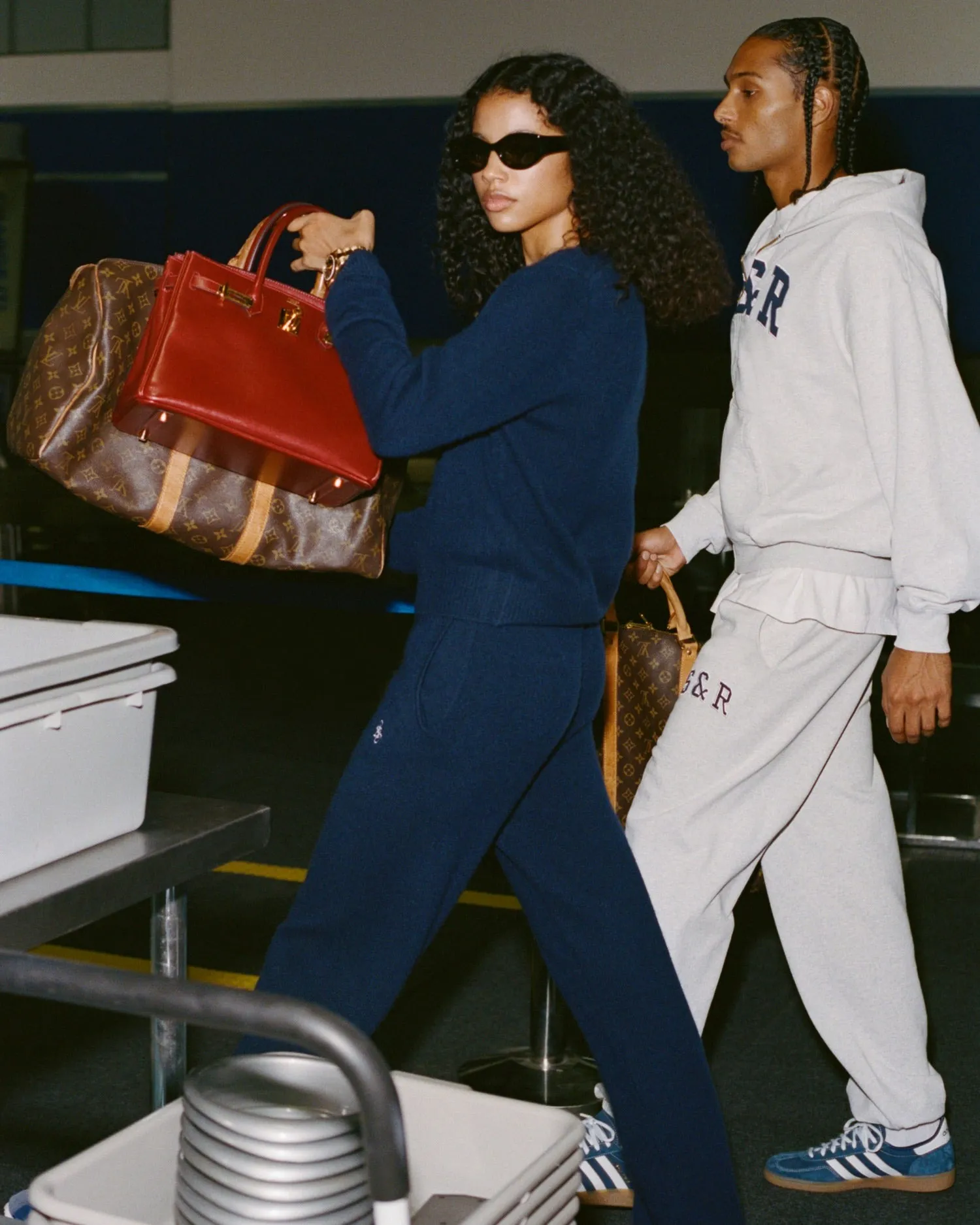
👉 Partnering with an experienced manufacturer like Bless Clothing can help you launch faster and scale efficiently.
Why Casual & Loungewear Is the Best Entry Market
From my experience, casual and loungewear is the easiest apparel category to start.
Why it works:
- High demand year-round
- Comfort-driven purchasing behavior
- Lower sizing complexity
- Strong repeat purchase potential
👉 Market data from Statista confirms the growth of casualwear globally.
Key Insight
Casual and loungewear brands succeed by focusing on comfort, simplicity, and consistency.
Step 1: Define Your Brand Positioning
Before anything else, define your direction.
Ask yourself:
- Who is your target customer?
- What price range are you aiming for?
- What makes your brand different?
Positioning Examples
| Brand Type | Focus |
|---|---|
| Budget | Affordable basics |
| Lifestyle | Everyday comfort |
| Premium | Fabric and quality |
Step 2: Choose the Right Product Categories
Start simple—don’t launch too many products.
Best beginner products:
- T-shirts
- Hoodies
- Sweatpants
- Pajama sets
- Loungewear sets
Product Strategy Table
| Product Type | Demand | Difficulty |
|---|---|---|
| T-shirts | High | Low |
| Hoodies | High | Medium |
| Pajama sets | High | Medium |
| Sweatpants | High | Medium |
Step 3: Understand Your Target Customer
Your product should match your audience.
Define:
- Age group
- Lifestyle
- Price sensitivity
- Style preference
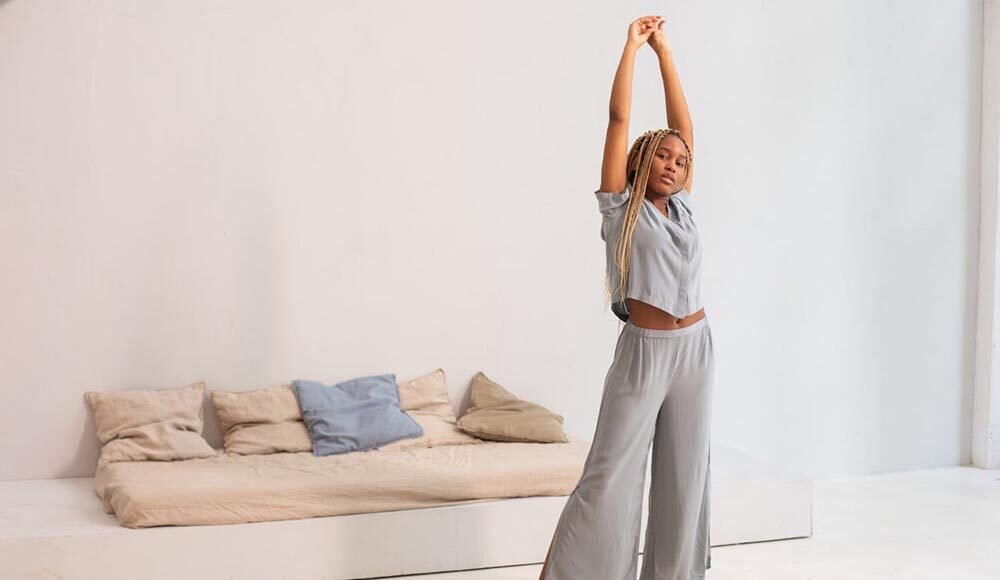
Example
| Audience | Product Focus |
|---|---|
| Gen Z | Oversized, trendy |
| Adults | Comfort & basics |
| Premium buyers | Fabric quality |
Step 4: Select Fabrics That Sell
Fabric is the core of casual clothing.
Recommended fabrics:
| Fabric | Benefit |
|---|---|
| Cotton | Breathable |
| French Terry | Comfortable |
| Modal | Soft & premium |
| Fleece | Warm & cozy |
👉 Certified fabrics like OEKO-TEX® ensure safety and quality.
Fabric Insight
- Softness drives repeat purchases
- Fabric quality defines brand perception
Step 5: Decide Between Private Label vs OEM
This decision affects your entire strategy.
| Feature | Private Label | OEM |
|---|---|---|
| Speed | Fast | Slower |
| Customization | Medium | High |
| Cost | Lower | Higher |
Recommendation
- Start with private label
- Move to OEM when scaling
Step 6: Find a Reliable Manufacturer
Your manufacturer determines your success.
What to check:
- Sample quality
- Fabric sourcing
- Communication
- Production stability
👉 A reliable partner like Bless Clothing can support startups and scaling brands.
Step 7: Sampling and Product Testing
Never skip this step.
Test for:
- Fit
- Comfort
- Durability
- Fabric performance
Sampling Checklist
| Factor | Check |
|---|---|
| Fit | ✅ |
| Comfort | ✅ |
| Quality | ✅ |
Step 8: Build Your Brand Identity
Branding is what differentiates you.
Key elements:
- Logo
- Labels
- Packaging
- Visual style
Branding Tip
Keep it simple and consistent.
Step 9: Pricing Strategy & Profit Margins
Your pricing must balance cost and value.
Pricing structure:
| Cost Element | Impact |
|---|---|
| Fabric | High |
| Production | High |
| Branding | Medium |
Pricing Insight
- Premium fabric = higher price positioning
- Simple designs = better margins
Step 10: Launch and Scale Smartly
Start small, then grow.
Launch strategy:
- Start with 1–3 products
- Test market response
- Scale best-selling items
Growth Strategy
| Stage | Focus |
|---|---|
| Launch | Test |
| Growth | Optimize |
| Scale | Expand |
Startup Strategy Comparison Table
| Strategy Type | Risk | Investment | Scalability |
|---|---|---|---|
| Low MOQ launch | Low | Low | Medium |
| Bulk launch | High | High | High |
| Premium niche | Medium | Medium | High |
Common Mistakes New Brands Make
Avoid these:
- Launching too many products
- Ignoring fabric quality
- Choosing cheapest manufacturer
- Skipping testing
Reality Insight
Most successful brands win by:
Doing simple things extremely well
FAQs
1. How much does it cost to start a clothing brand?
It depends, but low MOQ production can reduce initial costs significantly.
2. What is the best product to start with?
T-shirts and loungewear sets.
3. Should I use private label or OEM?
Start with private label, then move to OEM.
4. How long does production take?
Typically 3–5 weeks.
5. Is casual clothing profitable?
Yes, due to high demand and repeat purchases.
Build a Scalable Clothing Brand
To build a successful casual and loungewear brand:
- Focus on comfort and fabric
- Start with simple products
- Scale based on demand
👉 Partner with Bless Clothing to develop and grow your brand efficiently.
Final Insight
The most successful clothing brands don’t start big—they start smart, test fast, and scale what works.