
Starting a casual wear brand means more than printing a logo on a T-shirt. You need a clear customer, focused products, reliable manufacturing, realistic pricing, and a practical plan for selling your first collection.
From my experience working with clothing brands, many beginners spend too much time on logos and too little time on product fit, fabric, costs, and customer demand.
A successful casual wear brand starts with one clear customer problem, a small focused collection, and products people will want to wear repeatedly.
This guide explains how to start step by step, from choosing your market to launching and improving your first collection.
Table of Contents
- Quick Answer
- Step 1: Define Your Brand Position
- Step 2: Identify Your Target Customer
- Step 3: Research the Market
- Step 4: Choose Your First Products
- Step 5: Create Your Brand Identity
- Step 6: Choose a Production Model
- Step 7: Prepare Your Product Brief
- Step 8: Build a Realistic Budget
- Step 9: Find a Clothing Manufacturer
- Step 10: Develop and Test Samples
- Step 11: Plan Pricing and Inventory
- Step 12: Launch Your Brand
- A Simple 90-Day Launch Plan
- Common Startup Mistakes
- FAQ
- Conclusion
Quick Answer
To start a casual wear brand:
- Define your target customer.
- Choose a clear product and style direction.
- Research competing brands.
- Start with a focused collection.
- Create your brand name and visual identity.
- Choose private label, OEM, or ODM production.
- Prepare product specifications.
- Calculate development and production costs.
- Compare suitable manufacturers.
- Develop and test samples.
- Set your retail price and order quantity.
- Launch, collect feedback, and improve.
For most new brands, I recommend beginning with:
- One clear customer group
- One to three core products
- Two or three colors
- One consistent fit direction
- A controlled first production order
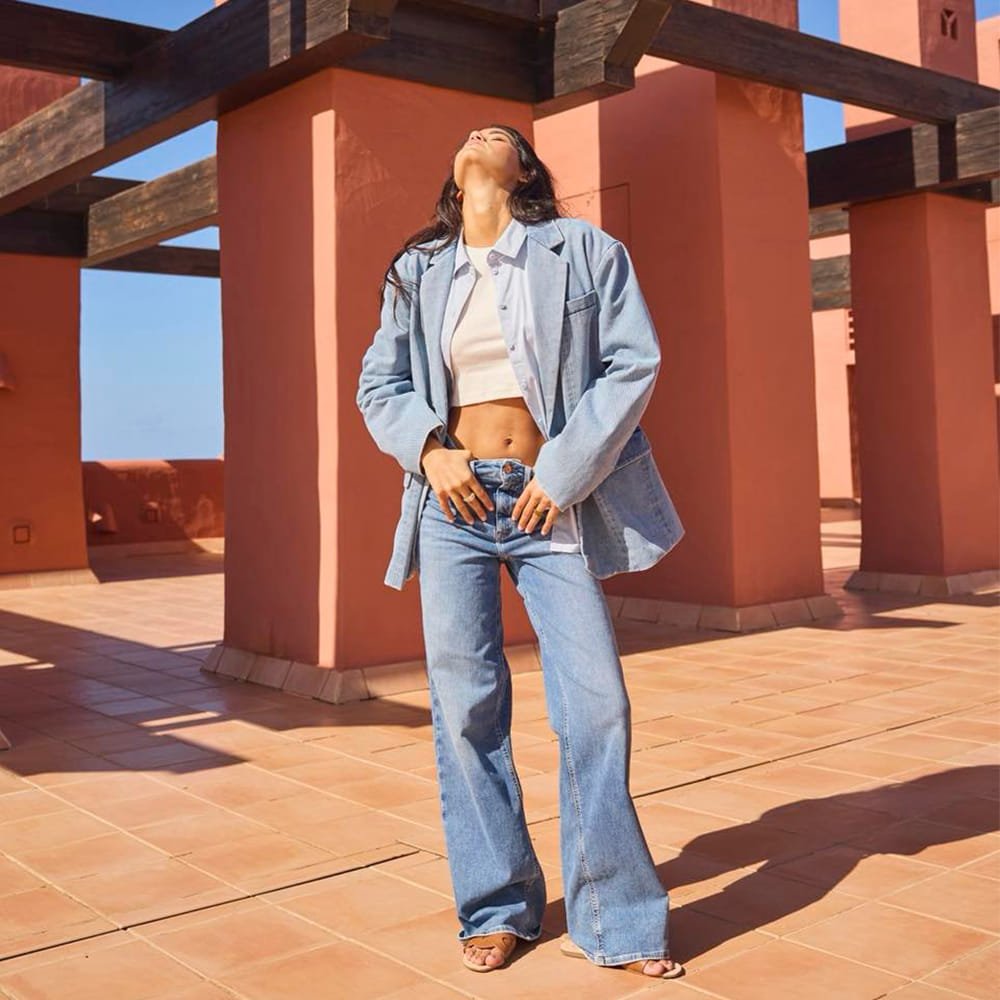
Do not launch ten different products simply to make the brand look established. A smaller collection is easier to develop, market, and improve.
Step 1: Define Your Brand Position
Your brand position explains why customers should choose your clothing instead of another brand.
Avoid descriptions that are too broad, such as:
“We sell high-quality casual clothing for everyone.”
This does not tell customers what makes the brand different.
A clearer position might be:
- Heavyweight casual basics for men who prefer relaxed fits
- Minimal travel clothing for busy professionals
- Soft matching sets for women working from home
- Durable casualwear for outdoor lifestyles
- Inclusive everyday clothing with an extended size range
Use This Positioning Formula
We create [product type] for [specific customer] who need [main benefit].
Example:
We create comfortable, minimal casualwear for young professionals who want clothing that works at home, while traveling, and during weekends.
Your position should guide your product, fabric, photography, pricing, and marketing.
Step 2: Identify Your Target Customer
Do not design for “everyone.”
The clearer your target customer is, the easier it becomes to choose the correct fit, colors, fabric, price, and marketing channel.
Create a simple customer profile:
| Question | Example Answer |
|---|---|
| Age | 25–35 |
| Location | United States |
| Lifestyle | Urban, active, works remotely |
| Main Need | Comfortable clothing that still looks polished |
| Preferred Fit | Relaxed but not oversized |
| Typical Budget | $40–$90 per item |
| Shopping Channel | Instagram and online stores |
| Buying Concern | Fit, fabric quality, and durability |
You do not need to know every detail about the customer. Focus on information that changes the product or buying decision.
What Problem Are You Solving?
Your customer may want:
- Better-fitting basics
- More comfortable work-from-home clothing
- Premium heavyweight T-shirts
- Easy-to-style matching sets
- Better extended sizing
- Durable everyday garments
- More responsible material options
A brand becomes easier to understand when it solves one recognizable problem.
Step 3: Research the Market
Market research does not mean copying successful competitors.
It means understanding:
- What customers already buy
- What price they accept
- What complaints they have
- Which products are oversupplied
- Where your brand can offer something better
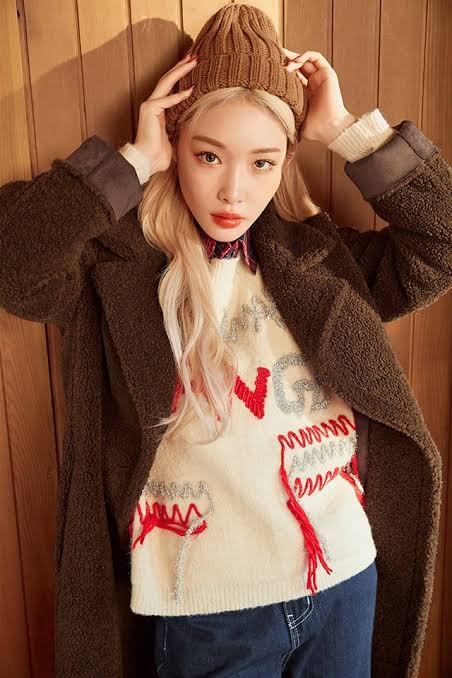
Study five to ten brands targeting a similar customer.
Competitor Research Table
| Area | What to Record |
|---|---|
| Products | Their main product categories |
| Prices | Entry, average, and premium prices |
| Fit | Slim, regular, relaxed, or oversized |
| Fabrics | Composition, weight, and key claims |
| Colors | Core and seasonal colorways |
| Reviews | Common praise and complaints |
| Branding | Minimal, graphic, luxury, or lifestyle |
| Sales Channels | Website, marketplaces, wholesale, or retail |
Pay particular attention to negative reviews.
Customer complaints about poor sizing, thin fabric, shrinkage, weak zippers, or slow delivery may reveal opportunities for your brand.
The U.S. Small Business Administration Business Guide provides general guidance on market research, business planning, registration, and startup preparation.
Step 4: Choose Your First Products
Your first collection should prove your idea, not express every idea you have.
A practical first collection may include:
| Collection Type | Suggested Starting Products |
|---|---|
| Casual Basics | T-shirt, sweatshirt, casual pants |
| Loungewear | Relaxed top, shorts, long pants |
| Travel Casualwear | T-shirt, overshirt, flexible pants |
| Minimal Womenswear | Fitted top, relaxed pants, cardigan |
| Premium Menswear | Heavyweight T-shirt, hoodie, joggers |
You can review potential categories through the Custom Clothing Products Catalog.
Choose Products That Share Components
Using the same fabric, colors, labels, or trims across multiple styles can reduce:
- Fabric minimums
- Development time
- Material waste
- Purchasing complexity
- Production costs
For example, a sweatshirt and joggers can use the same fabric to create a coordinated set.
Start With Evergreen Products
Core products such as T-shirts, hoodies, sweatshirts, shirts, and casual pants are often easier to sell over a longer period than short-lived trends.
A good first product should be:
- Easy to understand
- Suitable for your customer
- Practical to manufacture
- Easy to photograph
- Easy to reorder
- Relevant beyond one short season
Step 5: Create Your Brand Identity
Your brand identity should support the product rather than distract from it.
At the beginning, you need:
- Brand name
- Simple logo
- Color palette
- Font direction
- Brand tone
- Product label design
- Packaging direction
Check the Name Before Investing
Before ordering labels or building a website:
- Search the name online.
- Check social media usernames.
- Check domain availability.
- Search registered and pending trademarks.
- Check for similar clothing brands.
Businesses targeting the United States can use the USPTO Trademark Search to research existing federal trademark records.
A search does not guarantee that a name is legally safe. Professional legal advice may be necessary before making a major investment.
Keep Early Branding Flexible
Avoid ordering thousands of expensive labels or boxes before your product and brand direction are proven.
Begin with branding that can scale:
- Woven main label
- Care and size label
- Hang tag
- Simple packaging sticker
- Standard protective polybag
More custom packaging can be introduced after sales are stable.
Step 6: Choose a Production Model
The right manufacturing model depends on how much product development you need.
| Model | Best For | Development Level |
|---|---|---|
| Wholesale Blanks | Logo-based startup | Very low |
| Private Label | Faster branded launch | Low to medium |
| OEM | Brand with complete designs | High control |
| ODM | Brand needing development support | Medium to high |
Choose Private Label When
Private label may suit you when:
- You want to launch faster.
- You need an existing product base.
- Your main changes are labels, colors, and logos.
- You want to reduce initial development work.
Learn more through Private Label Clothing Manufacturing.
Choose OEM When
OEM is suitable when:
- You have technical drawings or tech packs.
- You need a custom fit.
- You want specific fabrics and construction.
- Product originality is important.
Choose ODM When
ODM is suitable when:
- You have ideas or reference images.
- You need pattern development.
- You need fabric recommendations.
- You want the supplier to support product development.
Brands can compare these options through OEM and ODM Manufacturing Services.
Step 7: Prepare Your Product Brief
A manufacturer cannot provide an accurate sample or quotation from a message such as:
“I want a premium oversized hoodie.”
Prepare a product brief containing:
| Requirement | Information to Include |
|---|---|
| Product | T-shirt, hoodie, pants, shirt, or jacket |
| Fit | Slim, regular, relaxed, or oversized |
| Fabric | Composition, weight, texture, and stretch |
| Measurements | Size chart or reference garment |
| Colors | Pantone reference or selected stock colors |
| Branding | Print, embroidery, labels, and tags |
| Construction | Pockets, seams, rib, lining, and trims |
| Sizes | Full required size range |
| Quantity | Pieces per style and color |
| Packaging | Standard or branded packaging |
| Deadline | Required shipping or arrival date |
Tech Pack vs Reference Sample
Use a tech pack when you need:
- Precise measurements
- Custom construction
- Consistent repeat orders
- Full control over the product
A reference sample may be enough for early discussion, but the final production requirements should still be documented.
Brands needing special fabric weight, texture, stretch, or performance can review Custom Fabric Development.
Step 8: Build a Realistic Budget
Do not spend your entire budget on bulk garments.
Your startup budget may include:
- Business registration
- Brand design
- Samples
- Sample shipping
- Bulk production
- Labels and packaging
- Quality inspection
- International freight
- Duties and taxes
- Product photography
- Website setup
- Marketing
- Returns and replacements
Example Budget Allocation
| Cost Area | Example Share |
|---|---|
| Development and Samples | 10% |
| Bulk Production | 45% |
| Shipping and Import Costs | 15% |
| Website and Photography | 10% |
| Marketing | 15% |
| Emergency Reserve | 5% |
These percentages are only a planning example. Your actual budget will depend on the product, location, quantity, and launch method.
Always keep part of your budget outside the production order.
You may need extra money for sample revisions, freight changes, marketing, customer returns, or reorders.
Step 9: Find a Clothing Manufacturer
Do not choose a manufacturer based only on the lowest quotation.
Compare:
- Relevant product experience
- Sample quality
- MOQ
- Fabric sourcing
- Communication
- Customization options
- Quality control
- Production capacity
- Lead time
- Shipping support
Questions to Ask
- Have you produced similar casualwear products?
- What is the MOQ per style and color?
- Can sizes and colors be mixed?
- What does the quoted price include?
- How long does sampling take?
- How are sample corrections managed?
- Can you customize fabrics, labels, and packaging?
- What inspections happen during production?
- What happens when bulk goods differ from the sample?
- Which shipping terms are available?
Use a Manufacturer Scorecard
| Area | Score |
|---|---|
| Product Experience | /20 |
| Sample Quality | /20 |
| Communication | /15 |
| Fabric and Development Support | /15 |
| Pricing Transparency | /10 |
| Quality Control | /10 |
| Delivery Planning | /10 |
| Total | /100 |
Do not award a high score simply because the supplier replies quickly. Accurate answers and realistic risk warnings are more valuable than fast promises.
Step 10: Develop and Test Samples
The sample is where your idea becomes a real product.
Check more than its appearance.
Sample Review Checklist
- Measure every important point.
- Try the garment on the intended body size.
- Check movement and comfort.
- Inspect the inside stitching.
- Test pockets, buttons, snaps, and zippers.
- Check logo position and size.
- Wash the sample.
- Recheck measurements after washing.
- Review shrinkage, pilling, fading, and twisting.
- Record every correction in one document.
What Must Be Approved Before Bulk Production?
Approve:
- Fabric
- Color
- Fit
- Measurements
- Construction
- Printing or embroidery
- Labels
- Trims
- Wash effect
- Packaging
- Final price
- Delivery schedule
Do not approve a sample with comments such as “please improve during bulk.”
Important corrections should be shown before production starts.
The final approved sample should become the main reference used during Quality Control Services.
Step 11: Plan Pricing and Inventory
Your factory price is not your complete cost.
Calculate the landed cost:
Landed Cost per Unit = Total Development, Production, Inspection, Packaging and Delivery Costs ÷ Sellable Units
Your retail price must cover:
- Product cost
- Shipping
- Payment fees
- Website costs
- Marketing
- Discounts
- Returns
- Damaged products
- Business overhead
- Profit
Simple Pricing Example
| Cost Item | Cost per Unit |
|---|---|
| Garment | $12 |
| Labels and Packaging | $1 |
| Freight and Import Cost | $4 |
| Inspection and Development | $2 |
| Estimated Landed Cost | $19 |
Selling this item for $25 would leave very little room for advertising, returns, discounts, and operating costs.
Avoid Excess Inventory
For an untested product:
- Limit colors.
- Use a focused size range.
- Begin with a manageable quantity.
- Consider preorders when appropriate.
- Keep money available for a fast reorder.
Your first order should collect information as well as generate sales.
Step 12: Launch Your Brand
Do not wait until the products arrive before planning your launch.
Prepare content while production is underway.
Before Launch
Create:
- Product photography
- Fit and sizing information
- Fabric details
- Product descriptions
- Care instructions
- Social media content
- Email signup page
- Shipping and return policies
- Frequently asked questions
Choose a Suitable Launch Method
| Launch Method | Best For |
|---|---|
| Preorder | Testing demand with limited stock |
| Small Product Drop | Creating focus and urgency |
| Full Collection | Brands with a larger audience |
| Wholesale Launch | Brands with confirmed retailers |
| Marketplace Launch | Faster access to existing shoppers |
What to Measure
After launch, track:
- Sales by product
- Sales by color
- Sales by size
- Conversion rate
- Return rate
- Customer questions
- Product reviews
- Repeat purchases
Use this information to improve the next production order.
Your first launch is a market test, not the final version of your brand.
A Simple 90-Day Launch Plan
| Period | Main Tasks |
|---|---|
| Days 1–15 | Define customer, niche, products, and price level |
| Days 16–30 | Create product briefs and contact manufacturers |
| Days 31–50 | Develop samples and confirm branding |
| Days 51–65 | Test samples and approve corrections |
| Days 66–75 | Confirm production and prepare launch content |
| Days 76–85 | Build product pages and marketing campaign |
| Days 86–90 | Open preorders or begin launch promotion |
Actual production may take longer than 90 days when the product requires custom fabric, several sample revisions, special washing, or complex construction.
Use this timeline as a planning framework rather than a guaranteed production schedule.
Common Startup Mistakes
Starting With Too Many Products
A large collection divides your budget and makes product development more difficult.
Start with a few strong products.
Copying Another Brand
Reference products can help explain fit or construction, but your brand still needs its own customer, product value, and visual direction.
Choosing a Manufacturer by Price Alone
The lowest price may exclude better fabric, testing, labels, packaging, inspection, or reliable communication.
Skipping Sample Testing
A product that looks good before washing may shrink, twist, fade, or pill afterward.
Spending Too Much on Packaging
Premium boxes cannot repair poor fit or weak fabric.
Prioritize the garment first.
Ordering Too Much Inventory
A lower unit price does not help when the additional products remain unsold.
Ignoring Clothing Labels
Brands selling textile garments in the United States should review the FTC Textile Labeling Guide and the FTC Care Labeling Guide.
Launching Without a Marketing Plan
Products do not automatically sell when they arrive.
Begin building your audience and content before production is complete.
FAQ
How much money do I need to start a casual wear brand?
The budget depends on the products, MOQ, customization, location, and launch method. Include samples, bulk production, packaging, shipping, website costs, photography, marketing, and emergency funds.
What casual wear products should I start with?
T-shirts, hoodies, sweatshirts, shirts, and casual pants are practical options. Choose one to three products that clearly suit your target customer.
Do I need fashion design experience?
No, but you need clear product requirements. An ODM manufacturer can support pattern, fabric, and product development when you do not have complete tech packs.
Should I use private label or custom manufacturing?
Choose private label for a faster, simpler launch. Choose OEM when you have complete designs. Choose ODM when you need development support.
Do I need a sample?
Yes. A sample helps you review fit, fabric, measurements, construction, branding, and wash performance before approving bulk production.
How many colors should I launch?
Two core colors and one accent color are usually enough for a focused first collection. Add more colors after learning what customers prefer.
How do I choose a brand name?
Choose a name that matches your positioning, is easy to remember, and can grow with the business. Check domains, social media, competitors, and trademark records before investing.
How do I find a reliable manufacturer?
Review similar products, request samples, compare written quotations, ask about quality control, and confirm every production detail before placing a bulk order.
When should I order more inventory?
Reorder when you have reliable sales data, clear best-selling sizes, and enough time to complete production before stock runs out.
Can Bless Clothing help a startup brand?
Bless Clothing supports apparel brands with OEM and ODM development, fabric sourcing, sampling, private labeling, bulk production, quality control, packaging, and shipping coordination.
Conclusion
Starting a casual wear brand becomes easier when you reduce unnecessary complexity.
Begin with:
- One clear target customer
- One recognizable product need
- A small focused collection
- Suitable fabrics and fits
- A realistic budget
- Tested physical samples
- A reliable manufacturing process
- A clear launch plan
From my experience, new brands do not fail because they start small. They usually struggle because they launch without enough product focus, cost planning, or customer research.
Start with fewer products, learn from real customers, and expand only after you understand what sells.
Bless Clothing helps casualwear brands move from initial ideas to samples, private label production, bulk manufacturing, quality inspection, packaging, and international delivery.