
Table of Contents
- Quick Answer
- Why Most Clothing Ideas Never Become Real Products
- Step 1: Start with a Clear Product Concept
- Step 2: Define Your Target Customer
- Step 3: Create Simple Product References and Inspiration
- Step 4: Understand Fabrics and Materials
- Step 5: Build a Basic Tech Pack
- Step 6: Choose the Right Manufacturing Partner
- Step 7: Why Sampling Is Essential
- Step 8: Improve the Product Through Revisions
- Step 9: Prepare for Bulk Production
- Step 10: Scale Products Gradually and Safely
- Clothing Idea to Product Workflow Table
- Common Mistakes First-Time Brand Owners Make
- FAQs
- How Great Clothing Brands Are Built
Quick Answer
Turning clothing ideas into real products requires:
- Clear product direction
- Proper fabric selection
- Sampling and revisions
- Reliable manufacturing support
- Scalable production systems
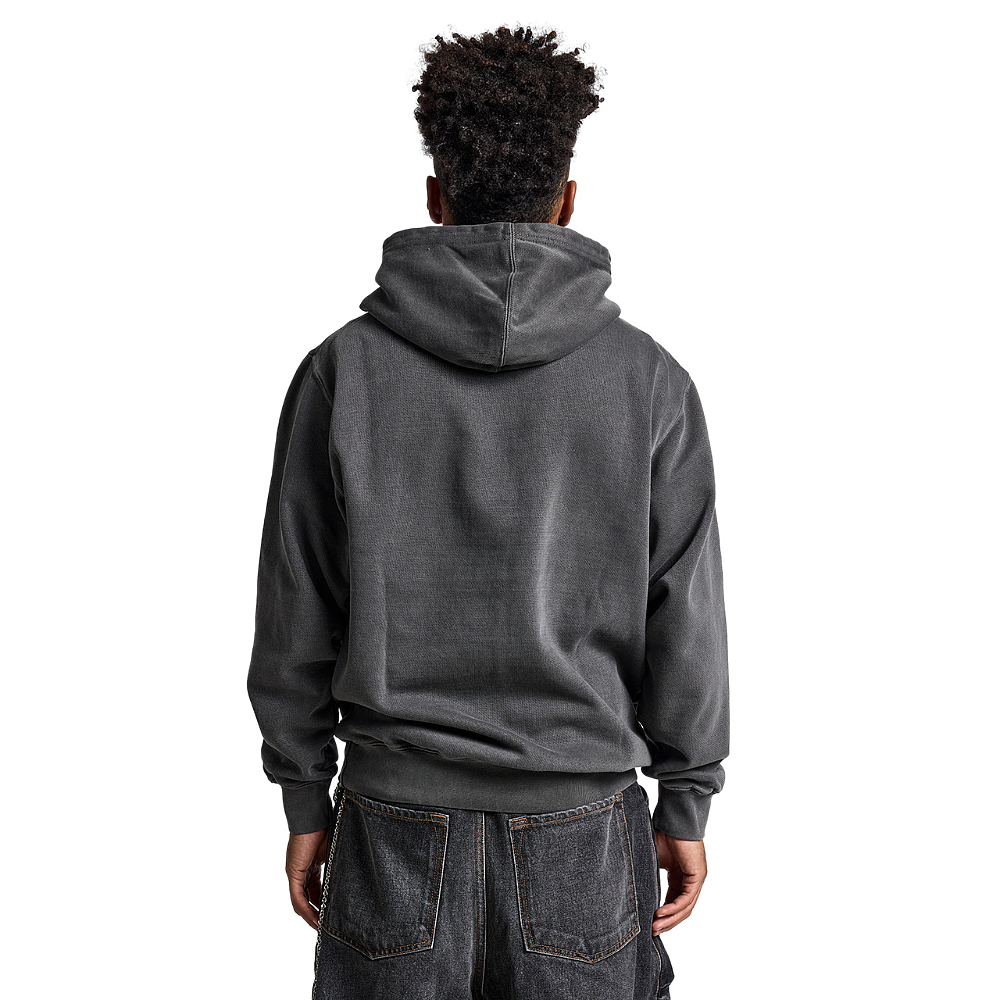
👉 Bless Clothing helps brands transform concepts into finished apparel products through low MOQ manufacturing, product development, and sampling support.
Why Most Clothing Ideas Never Become Real Products
From my experience, many fashion ideas fail because people underestimate the production process.
Common reasons include:
- No product planning
- Weak fabric knowledge
- Poor communication with factories
- Unrealistic expectations
Key Insight
A great clothing idea only becomes valuable when it can be produced consistently and profitably.
Step 1: Start with a Clear Product Concept
Every successful apparel product begins with a clear concept.
Define:
- Product category
- Target customer
- Style direction
- Price range
Product Direction Examples
| Product Type | Core Focus |
|---|---|
| Streetwear hoodie | Oversized fit |
| Premium T-shirt | Fabric quality |
| Loungewear set | Comfort and softness |
Practical Tip
Simple concepts are easier to:
- Produce
- Test
- Improve
Step 2: Define Your Target Customer
Your customer should guide every product decision.
Important questions:
- Who will wear the product?
- What style do they prefer?
- What price range fits their budget?
Customer Strategy Table
| Customer Type | Product Direction |
|---|---|
| Gen Z streetwear | Oversized fits |
| Lifestyle buyers | Comfortable basics |
| Premium consumers | High-quality fabrics |
Key Insight
Products become easier to design when you clearly understand who they are for.
Step 3: Create Simple Product References and Inspiration
You do not need perfect sketches to begin.
Helpful references include:
- Pinterest mood boards
- Reference garments
- Product photos
- Basic design notes
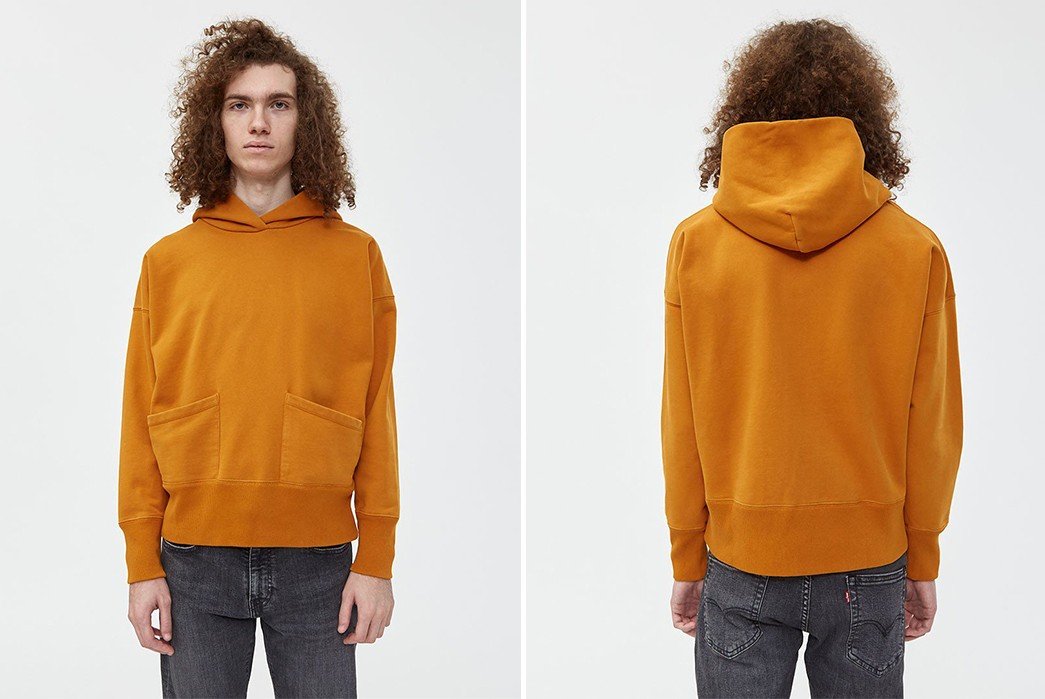
👉 Platforms like Pinterest help organize product inspiration visually.
Reference Material Comparison
| Reference Type | Usefulness |
|---|---|
| Physical sample | High |
| Product photo | Medium |
| Rough sketch | Medium |
Practical Insight
Factories understand products better when visual references are clear.
Step 4: Understand Fabrics and Materials
Fabric selection directly impacts product quality and customer perception.
Common beginner-friendly fabrics:
| Fabric | Best Use |
|---|---|
| Cotton | T-shirts |
| French Terry | Sweatpants |
| Fleece | Hoodies |
| Modal Blend | Premium comfort |
👉 Certifications like OEKO-TEX® help improve material reliability and safety.
Fabric Insight
Customers immediately notice:
- Fabric softness
- Weight
- Stretch
- Comfort
Step 5: Build a Basic Tech Pack
A tech pack helps manufacturers understand your product.
Basic tech pack elements:
- Product sketches
- Measurements
- Fabric information
- Print or embroidery details
- Color references
Tech Pack Table
| Element | Importance |
|---|---|
| Measurements | Critical |
| Fabric details | High |
| Logo placement | High |
Key Insight
Clear tech packs reduce production mistakes and improve communication.
Step 6: Choose the Right Manufacturing Partner
The manufacturer you choose affects:
- Product quality
- Production speed
- Scalability
Good manufacturers provide:
- Sampling support
- Fabric recommendations
- Flexible MOQ options
- Clear communication
👉 Bless Clothing supports OEM and private label production for growing fashion brands.
Manufacturer Comparison
| Reliable Manufacturer | Weak Manufacturer |
|---|---|
| Organized production | Inconsistent quality |
| Clear communication | Delayed responses |
| Flexible development | Rigid systems |
Step 7: Why Sampling Is Essential
Sampling transforms ideas into physical products.
Sampling helps validate:
- Fit accuracy
- Fabric quality
- Construction details
- Product finishing
Sample Evaluation Checklist
| Factor | Check |
|---|---|
| Fit | ✅ |
| Fabric feel | ✅ |
| Construction | ✅ |
| Durability | ✅ |
Practical Tip
Never skip sampling to save time—it usually creates larger production problems later.
Step 8: Improve the Product Through Revisions
Most products require revisions before bulk production.
Common adjustments include:
- Fit corrections
- Fabric changes
- Logo placement improvements
- Construction refinements
Revision Workflow
| Revision Type | Purpose |
|---|---|
| Fit revision | Better comfort |
| Fabric revision | Improved quality |
| Branding revision | Stronger identity |
Key Insight
Product refinement is part of the development process—not a sign of failure.
Step 9: Prepare for Bulk Production
Once samples are approved, production planning begins.
Important preparation areas:
- Size breakdowns
- Packaging details
- QC standards
- Production timelines
Production Planning Table
| Production Stage | Goal |
|---|---|
| Sampling | Validate product |
| Pre-production | Organize materials |
| Bulk production | Manufacture consistently |
Practical Insight
Structured planning reduces:
- Delays
- Inventory mistakes
- Production defects
Step 10: Scale Products Gradually and Safely
Avoid scaling too quickly in the beginning.
Smart growth strategy:
- Launch small
- Improve products
- Increase production gradually
Scaling Comparison
| Stable Growth | Aggressive Growth |
|---|---|
| Lower risk | Higher inventory pressure |
| Better consistency | More production issues |
| Easier cash flow | Higher financial risk |
Key Insight
The best fashion brands usually scale through consistency—not speed.
Clothing Idea to Product Workflow Table
| Stage | Main Goal |
|---|---|
| Product concept | Define direction |
| Fabric selection | Improve quality |
| Sampling | Validate product |
| Revisions | Improve details |
| Bulk production | Scale consistently |
Common Mistakes First-Time Brand Owners Make
Avoid these common mistakes:
- Launching too many products
- Ignoring fabric quality
- Choosing factories only based on price
- Ordering too much inventory
Reality Insight
Many fashion brands fail because they:
Rush production before building stable systems.
FAQs
1. Do I need professional sketches to start?
No. Product references and clear ideas are enough initially.
2. Why is sampling important?
Sampling helps prevent expensive production problems.
3. What products are easiest for beginners?
T-shirts, hoodies, sweatpants, and loungewear basics.
4. Why is low MOQ important?
It reduces financial and inventory risk.
5. How does Bless Clothing help new brands?
Through low MOQ production, sampling support, and scalable manufacturing systems.
How Great Clothing Brands Are Built
The best fashion brands are built through:
- Strong product quality
- Clear customer focus
- Reliable manufacturing
- Consistent product improvement
👉 Work with Bless Clothing to turn your clothing ideas into scalable, production-ready apparel products.
Final Insight
Turning clothing ideas into real products is not about having perfect designs from the beginning—it’s about building a repeatable process that improves quality, reduces risk, and creates products customers actually want to wear.