Table of Contents
What Is Private Label Loungewear
Private label loungewear refers to clothing products manufactured by a third-party factory but sold under your own brand name. This business model allows entrepreneurs to launch clothing brands without owning manufacturing facilities, significantly reducing startup costs and risk.
Unlike white-label products (pre-made items you simply rebrand), private label involves customizing products to your specifications including fabric, design, fit, colors, labeling, and packaging. This creates unique products that differentiate your brand in the marketplace.
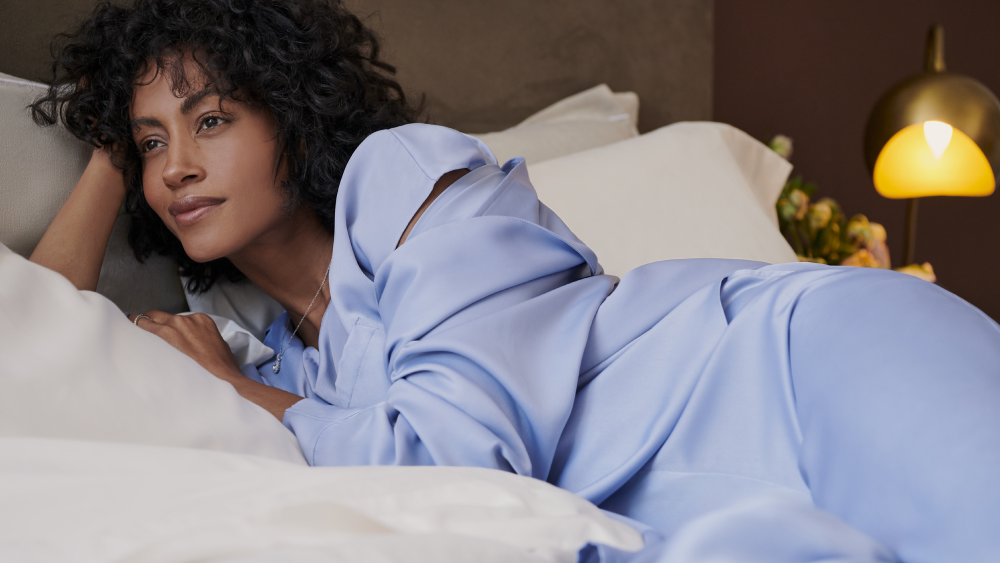
For about Bless Clothing, private label manufacturing offers the perfect combination of customization and affordability.
Market Opportunity
The loungewear market has undergone a fundamental shift, evolving from a niche sleepwear category into a mainstream fashion segment:
- Market Size: The global loungewear market has grown significantly since 2020, with sustained demand driven by hybrid work lifestyles.
- Growth Drivers: Remote work normalization, athleisure trends, sustainability awareness, and social media influence continue to fuel growth.
- Consumer Behavior: Customers now expect loungewear that is comfortable enough for home yet stylish enough for casual outings.
- Price Points: The market spans from budget ($15-30 per set) to premium ($80-200+ per set), allowing brands to target specific market segments.
Market research from Global Recycled Standard indicates that the casual and comfort wear category continues to outperform traditional fashion categories in growth rate.
Getting Started
Step 1: Define Your Brand
- Target Audience: Who are your ideal customers? Define age, lifestyle, values, and spending habits. Loungewear buyers typically value comfort, style, and sustainability.
- Price Positioning: Budget ($15-30), mid-range ($30-60), or premium ($60-150+). Your price point determines your manufacturing options and margin structure.
- Brand Identity: Name, logo, color palette, brand voice, and unique value proposition. What makes your loungewear different?
Step 2: Research and Planning
- Analyze competitors in your price range and style category
- Identify trending styles, fabrics, and colors for the upcoming season
- Determine your initial product range (recommended: 3-5 styles)
- Set a realistic budget covering development, production, and marketing
Step 3: Find a Manufacturing Partner
- Search for manufacturers specializing in loungewear with appropriate MOQs
- Request quotes and capabilities from at least 3-5 manufacturers
- Evaluate based on MOQ, pricing, quality, communication, and certifications
- Order samples from your top 2-3 candidates before making a final decision
Product Development
Fabric Selection
Loungewear fabrics must balance comfort, durability, and aesthetics:
- French Terry (Cotton): Soft loops inside, smooth outside. Premium feel, excellent for year-round wear. Most popular choice for quality brands.
- Bamboo Viscose: Incredibly soft, naturally antibacterial, moisture-wicking. Eco-friendly positioning appeals to conscious consumers.
- Fleece (Polyester/Cotton): Warm, cozy, and affordable. Best for winter collections and value-oriented brands.
- Organic Cotton Jersey: Lightweight, breathable, sustainable. Perfect for spring/summer loungewear.
- Modal: Silk-like softness from beech tree pulp. Premium positioning with excellent drape.
Design Considerations
- Silhouettes: Relaxed fit, oversized, or tailored. Current trends favor relaxed but not sloppy fits.
- Color Palette: Neutral tones (beige, gray, sage) dominate premium loungewear. Bold colors work for youth-oriented brands.
- Details: Ribbed cuffs, drawstring waists, pockets, and contrasting stitching add perceived value.
- Sets vs. Separates: Matching sets are trending and offer higher perceived value. Separates provide more versatility.
For design inspiration and development support, explore custom hoodies.
Manufacturing Partnership
What to Look For
- MOQ Flexibility: Start with a manufacturer offering 100-300 piece MOQs to minimize risk. Bless Clothing's 100-piece MOQ is ideal for new brands.
- Customization Range: Full customization (fabric, design, labels, packaging) vs. limited customization (just colors and sizing).
- Quality Certifications: OEKO-TEX, GOTS, BSCI, or WRAP certifications indicate reliable quality and ethical practices.
- Communication: English-speaking representatives, prompt responses, and willingness to explain processes. Good communication prevents costly mistakes.
- Sample Quality: Evaluate samples carefully for fabric quality, stitching, fit, and finish. This is your best indicator of bulk production quality.
Cost Structure
| Cost Component | Typical Range | Notes |
|---|---|---|
| Sample Development | $50-200 per style | Often deductible from bulk order |
| Fabric Development | $100-500 | Only for custom fabrics |
| Production (per piece) | $6-20 | Varies by fabric and complexity |
| Custom Labels | $0.20-0.50 per piece | Woven labels, hang tags |
| Custom Packaging | $0.50-2.00 per piece | Boxes, bags, tissue paper |
| Shipping | $1-5 per piece | Sea vs. air freight |
Marketing Your Brand
- Social Media: Instagram and TikTok are essential for loungewear brands. Showcase lifestyle content, fabric close-ups, and customer testimonials.
- Influencer Partnerships: Micro-influencers (10K-50K followers) in the home, lifestyle, and fashion niches offer the best ROI for emerging brands.
- E-commerce: Shopify is the recommended platform for new brands. Invest in professional product photography and clear size guides.
- Email Marketing: Build your email list from day one. Offer a first-purchase discount to incentivize signups.
According to World Trade Organization, global trade in textiles and apparel continues to support brand growth through efficient supply chains and competitive pricing from manufacturing hubs like China.
FAQ
How much money do I need to start a loungewear brand
A: Minimum startup costs range from $3,000-10,000, covering samples ($200-500), first production run ($2,000-7,000 for 100-300 pieces), labeling ($100-300), and basic branding ($500-2,000). This assumes working with a low-MOQ manufacturer like Bless Clothing.
How long does it take from concept to first sale
A: Typically 3-4 months: 2-3 weeks for brand setup, 2-3 weeks for samples, 3-4 weeks for production, 1-2 weeks for shipping, plus time for photography and website setup.
What profit margins can I expect
A: Loungewear typically offers 50-70% gross margins when sold direct-to-consumer. For example, a product costing $10 to manufacture (including shipping) can retail for $35-50, yielding $25-40 gross profit per unit.
Should I start with a small collection or many styles
A: Start small with 3-5 styles. This minimizes risk, reduces initial investment, and allows you to test market response. Expand your range based on customer feedback and sales data.
Conclusion
Starting a private label loungewear brand in 2026 is more accessible than ever, thanks to low-MOQ manufacturers, e-commerce platforms, and social media marketing. The key to success lies in choosing the right manufacturing partner, developing quality products, and building a strong brand identity.
Whether you're launching your first clothing brand or expanding an existing product line, custom loungewear from Bless Clothing provides the quality, customization, and flexibility you need to succeed.
Ready to launch your loungewear brand? Contact Bless Clothing today. We'll help you develop, produce, and deliver high-quality private label loungewear that your customers will love.
This guide reflects industry knowledge and market conditions as of 2026. Individual results may vary based on market conditions, product quality, and marketing effectiveness.