
Table of Contents
- Quick Answer
- What Is a Private Label Casual Clothing Supplier?
- How the Private Label Model Actually Works
- Private Label vs OEM: Which One Should You Choose?
- Step-by-Step: Launching With a Private Label Supplier
- What You Can Customize (Even With Low MOQ)
- Product Categories That Work Best
- Cost Structure & Pricing Logic
- How to Choose the Right Supplier
- Common Mistakes to Avoid
- Supplier Comparison Table
- FAQs
- Start Your Private Label Casual Wear Line
Quick Answer
A private label casual clothing supplier allows you to sell ready-made or semi-custom products under your own brand by adding:
- Your logo
- Your labels
- Your packaging
👉 It’s the fastest and lowest-risk way to launch a clothing brand. A full-service supplier like Bless Clothing can help you customize and scale efficiently.
What Is a Private Label Casual Clothing Supplier?
Private label suppliers provide pre-developed clothing products that you can brand as your own.
Instead of:
- Designing from scratch
You do:
- Select existing styles
- Customize branding
- Launch quickly
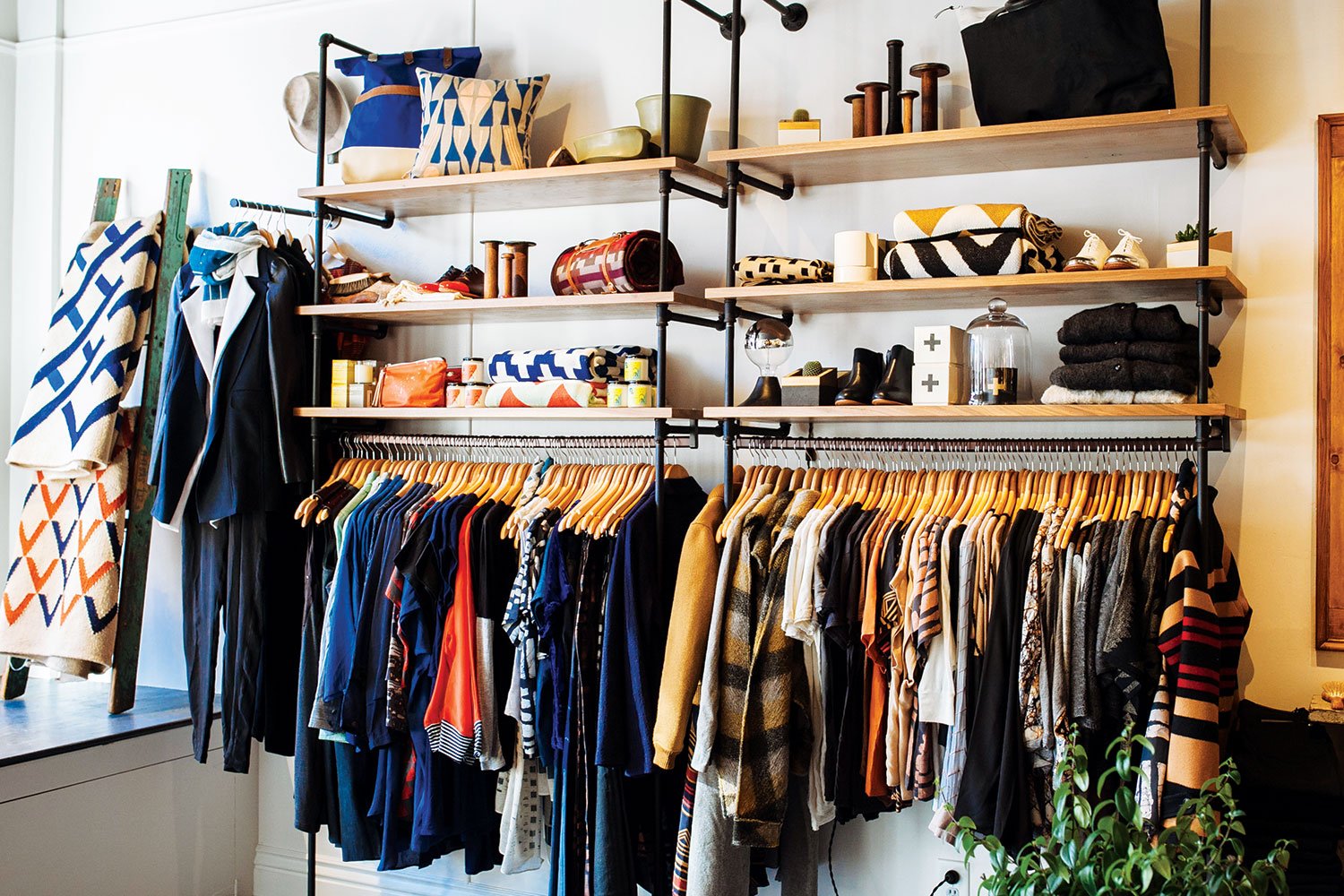
Key Advantage:
- Faster time to market
- Lower development cost
- Easier entry for beginners
How the Private Label Model Actually Works
From my experience, the private label workflow is much simpler than OEM production.
Typical process:
- Choose product styles
- Select fabric/color options
- Add branding (labels, logos)
- Approve sample
- Place bulk order
Process Overview Table
| Stage | Purpose |
|---|---|
| Product selection | Choose base design |
| Branding | Add identity |
| Sampling | Confirm quality |
| Production | Manufacture bulk |
Private Label vs OEM: Which One Should You Choose?
Understanding the difference is critical.
| Feature | Private Label | OEM Manufacturing |
|---|---|---|
| Design control | Limited | Full |
| Development time | Fast | Longer |
| Investment | Low | Higher |
| Brand uniqueness | Medium | High |
Decision Guide:
- Choose Private Label → if you want fast launch
- Choose OEM → if you want unique products
Step-by-Step: Launching With a Private Label Supplier
Here’s the most efficient way to start:
1. Start With Proven Products
- T-shirts
- Hoodies
- Joggers
2. Customize Branding First
- Labels
- Packaging
- Logo placement
3. Order Samples
- Check quality and fit
4. Launch Small Batch
- Test market response
5. Scale Winning Products
- Increase quantity
- Expand colors
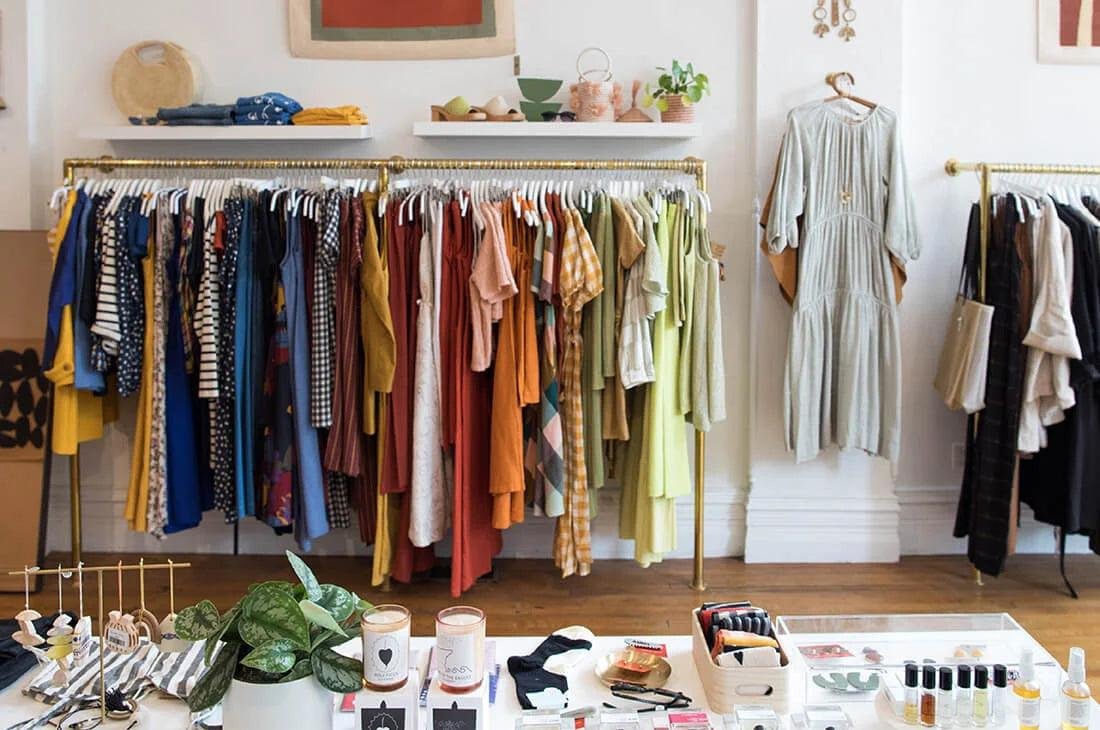
What You Can Customize (Even With Low MOQ)
Many people underestimate customization in private label.
Available options:
1. Branding
- Woven labels
- Printed labels
- Hang tags
2. Packaging
- Custom bags
- Branded boxes
3. Minor Adjustments
- Color changes
- Fabric variations
Customization Priority
| Element | Importance |
|---|---|
| Labels | High |
| Packaging | High |
| Fabric | Medium |
| Design changes | Low |
Product Categories That Work Best
Not all products are ideal for private label.
Best categories:
| Product | Reason |
|---|---|
| T-shirts | High demand |
| Hoodies | Strong margins |
| Sweatpants | Easy sizing |
| Loungewear | Growing trend |
Strategy Tip:
Start with:
- High-demand basics
- Minimal design complexity
Cost Structure & Pricing Logic
Private label has a different cost structure than OEM.
Cost breakdown:
| Component | Impact |
|---|---|
| Base product | Highest |
| Branding | Medium |
| Packaging | Low |
Profit Insight:
- Lower upfront cost
- Faster ROI
- Easier inventory turnover
How to Choose the Right Supplier
This is the most important step.
What I look for:
- Product quality consistency
- Branding capability
- MOQ flexibility
- Communication efficiency
Supplier Evaluation Table
| Criteria | Must Have |
|---|---|
| Sample quality | ✅ |
| Branding options | ✅ |
| Stable supply | ✅ |
| Clear pricing | ✅ |
👉 A trusted supplier like Bless Clothing can provide both flexibility and scalability.
Common Mistakes to Avoid
These are the biggest mistakes beginners make:
- Choosing products based only on price
- Ignoring branding
- Ordering too many styles
- Skipping sample testing
Reality Insight:
Private label success depends more on:
- Branding
- Product selection
Than production complexity.
Supplier Comparison Table
| Factor | Low-End Supplier | Professional Supplier |
|---|---|---|
| Product quality | Inconsistent | Stable |
| Branding support | Limited | Full |
| MOQ | Low | Flexible |
| Communication | Weak | Strong |
| Growth support | Low | High |
FAQs
1. What is private label clothing?
Selling pre-made products under your own brand.
2. What is MOQ?
Usually 50–200 pcs depending on supplier.
3. Can I customize products?
Yes, mainly branding and minor design changes.
4. Is private label good for beginners?
Yes—it’s the easiest way to start a clothing brand.
5. Can I scale later?
Yes, you can transition to OEM when needed.
Start Your Private Label Casual Wear Line
If you want to launch quickly and reduce risk, private label is the best starting point.
Start with:
- Proven products
- Strong branding
- Small batch orders
👉 Partner with an experienced supplier like Bless Clothing to build your brand step by step.
Final Insight
Private label is not about creating something new—it’s about building a brand on top of proven products.
And that’s often the fastest path to success.