
Starting a casual wear brand has never been more accessible, but creating products that customers want to buy requires more than adding a logo to existing garments.
Many new fashion entrepreneurs ask me:
What does private label casual wear actually mean, and how can I build a successful collection?
Private label allows brands to create customized clothing products under their own brand name without owning a factory. It gives businesses the ability to develop unique designs, choose fabrics, customize labels, and build a recognizable identity.
From my experience working with apparel brands, the most successful private label collections are created by combining the right manufacturer, suitable fabrics, strong product positioning, and consistent quality control.
This guide explains everything you need to know about private label casual wear, including product development, manufacturing steps, customization options, and how to choose the right production partner.
Table of Contents
- Quick Answer
- What Is Private Label Casual Wear?
- Why Brands Choose Private Label Manufacturing
- Popular Private Label Casual Wear Products
- How to Build a Private Label Collection
- Choosing Fabrics for Casual Wear
- Customization Options for Private Label Clothing
- Finding the Right Private Label Manufacturer
- Private Label Production Process
- Common Mistakes New Brands Make
- How Bless Clothing Supports Private Label Brands
- FAQs
- Final Thoughts
Quick Answer
Private label casual wear means creating clothing products manufactured by a supplier and sold under your own brand name.
A typical private label process includes:
- Product concept development
- Fabric selection
- Sample creation
- Brand customization
- Bulk production
- Quality inspection
- Shipping
Private label is ideal for brands that want:
- Custom products
- Brand ownership
- Flexible production
- Professional manufacturing support
What Is Private Label Casual Wear?
Private label casual wear refers to clothing produced by a manufacturer but customized and sold under another company's brand.
Instead of building a factory, brands work with manufacturers that provide:
- Production capability
- Fabric sourcing
- Product development
- Custom branding options
The brand controls:
- Design direction
- Product specifications
- Labels
- Packaging
- Marketing
This allows businesses to focus on building their brand rather than managing manufacturing operations.
Why Brands Choose Private Label Manufacturing
Private label has become popular because it provides several advantages.
Lower Investment Compared With Owning a Factory
Building a clothing factory requires:
- Equipment
- Workers
- Production management
- Quality systems
Private label allows brands to access professional manufacturing without these costs.
More Product Customization
Compared with simple wholesale products, private label allows customization such as:
- Custom fits
- Fabric selection
- Colors
- Labels
- Packaging
- Special details
Stronger Brand Identity
Customers remember brands with unique products.
Private label helps create:
- Consistent product style
- Brand recognition
- Higher perceived value
Easier Brand Scaling
As your business grows, private label manufacturing allows you to increase production without changing your entire operation.
Popular Private Label Casual Wear Products
Casual wear includes many product categories.
| Product | Common Customization |
|---|---|
| T-Shirts | Fabric, printing, labels |
| Hoodies | GSM, fit, embroidery |
| Sweatshirts | Fabric, washing, details |
| Joggers | Fit, fabric, trims |
| Jackets | Materials, construction |
| Lounge Sets | Fabric, colors, branding |
Many successful brands start with a focused collection instead of launching too many products at once.
How to Build a Private Label Collection
A strong collection starts with clear planning.
Step 1: Define Your Brand Position
Ask:
- Who is your customer?
- What price range are you targeting?
- What style represents your brand?
Examples:
| Brand Position | Product Direction |
|---|---|
| Premium Streetwear | Heavyweight hoodies |
| Everyday Casual | Cotton basics |
| Luxury Comfort | Modal and premium fabrics |
| Minimal Lifestyle | Clean designs |
Step 2: Select Core Products
For new brands, a focused collection is usually better.
Common starting products:
- 1–2 T-shirts
- 1 hoodie
- 1 sweatshirt
- 1 bottom style
This helps control investment and testing.
Step 3: Develop Samples
Samples allow you to evaluate:
- Fit
- Fabric
- Construction
- Appearance
Never skip the sample stage before bulk production.
Choosing Fabrics for Casual Wear
Fabric quality strongly influences customer satisfaction.
Common private label casual wear fabrics include:
| Fabric | Best For |
|---|---|
| Cotton Jersey | T-shirts |
| French Terry | Sweatshirts and joggers |
| Cotton Fleece | Premium hoodies |
| Cotton-Spandex | Stretch casualwear |
| Modal | Luxury basics |
Helpful resource:
Premium brands usually focus on:
- Softness
- Durability
- Comfort
- Fabric weight
- Appearance
Customization Options for Private Label Clothing
Private label gives brands many ways to create unique products.
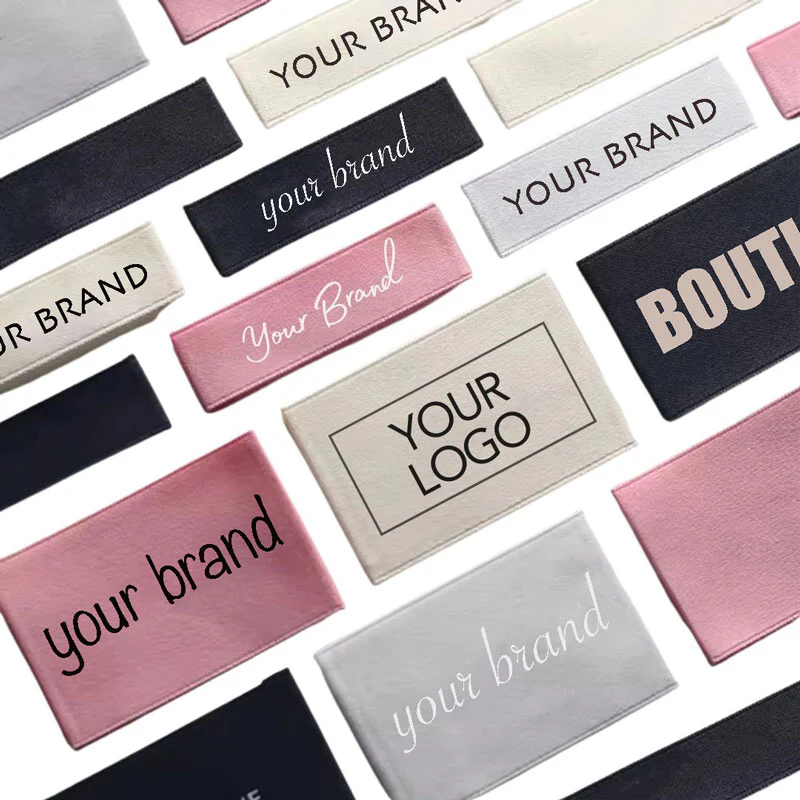
Branding Options
Common choices include:
- Woven labels
- Neck labels
- Hang tags
- Packaging
Decoration Methods
Popular methods:
| Method | Best For |
|---|---|
| Screen Printing | Large graphics |
| Embroidery | Premium logos |
| Puff Printing | Streetwear designs |
| Silicone Printing | Modern branding |
Product Details
Brands can customize:
- Stitching
- Zippers
- Buttons
- Wash effects
- Trims
Small details often create a premium customer experience.
Finding the Right Private Label Manufacturer
Choosing the right manufacturer is one of the most important steps.
A reliable partner should offer:
- Product development support
- Fabric options
- Sampling
- Clear communication
- Quality control
- Stable production
Questions to Ask Manufacturers
| Question | Why It Matters |
|---|---|
| What products do you specialize in? | Checks experience |
| Can you develop custom samples? | Confirms capability |
| What is your MOQ? | Matches your budget |
| What fabrics are available? | Ensures quality |
| How do you control quality? | Reduces risk |
Helpful resource:
Private Label Clothing Manufacturer
Private Label Production Process
A professional production workflow usually includes:
1. Design Confirmation
Confirm:
- Product details
- Measurements
- Materials
2. Sample Development
Review:
- Fit
- Fabric
- Construction
- Appearance
3. Bulk Production
Production includes:
- Fabric preparation
- Cutting
- Sewing
- Decoration
- Inspection
- Packaging
4. Final Quality Check
Before shipment, products should be inspected.
Recommended resource:
Common Mistakes New Brands Make
Launching Too Many Products
Too many products increase:
- Inventory risk
- Development cost
- Management difficulty
Choosing Based Only on Price
Cheap production can create:
- Poor quality
- Customer complaints
- Brand damage
Ignoring Brand Details
Small details matter:
- Labels
- Packaging
- Fabric choice
- Product finishing
Not Planning for Future Growth
Choose a manufacturing partner that can support your long-term goals.
How Bless Clothing Supports Private Label Brands
At Bless Clothing, we help fashion brands create private label casual wear collections from idea to finished products.
Our services include:
- Fabric sourcing
- Product development
- Pattern making
- Sample production
- Custom labels
- Printing and embroidery
- Quality inspection
- Bulk manufacturing
Helpful Resources:
- Private Label Clothing Manufacturer
- Custom Fabric Solutions
- OEM & ODM Services
- Quality Control Services
Industry Reference:
We support brands worldwide with reliable private label manufacturing solutions designed for quality, consistency, and long-term growth.
FAQs
What is private label casual wear?
Private label casual wear is clothing manufactured by a supplier and customized with your own branding.
Is private label good for startups?
Yes. It allows startups to create custom products without investing in their own factory.
What is the difference between private label and wholesale clothing?
Wholesale usually sells existing products, while private label allows customization and branding.
How much MOQ is required for private label clothing?
MOQ depends on the manufacturer, product type, fabric, and customization requirements.
Can I customize fabrics for private label clothing?
Yes. Many manufacturers provide fabric selection and development options.
Final Thoughts
Private label casual wear gives brands the opportunity to create unique products without owning manufacturing facilities.
The most successful brands focus on:
- Strong product positioning
- Quality fabrics
- Reliable manufacturing
- Professional customization
- Consistent quality control
A good private label partner can help transform your clothing ideas into products customers love.
If you are building a casual wear brand, visit Bless Clothing to learn how we help brands develop premium private label apparel collections.