
Table of Contents
- Quick Answer
- Why Relaxed Fit Clothing Is Dominating Lifestyle Fashion
- What a Relaxed Fit Clothing Manufacturer Does
- Key Garments in Relaxed Fit Collections
- Fabric Selection for Relaxed Fit Clothing
- Fit Engineering: What “Relaxed” Really Means
- Pattern Development for Relaxed Silhouettes
- Production Workflow Explained
- MOQ, Pricing & Lead Times
- How to Choose the Right Manufacturer
- Common Mistakes in Relaxed Fit Production
- Relaxed Fit Strategy Comparison Table
- FAQs
- Build a Scalable Relaxed Fit Collection
Quick Answer
A relaxed fit clothing manufacturer helps lifestyle brands produce garments with:
- Looser silhouettes
- Comfort-driven patterns
- Consistent sizing and drape
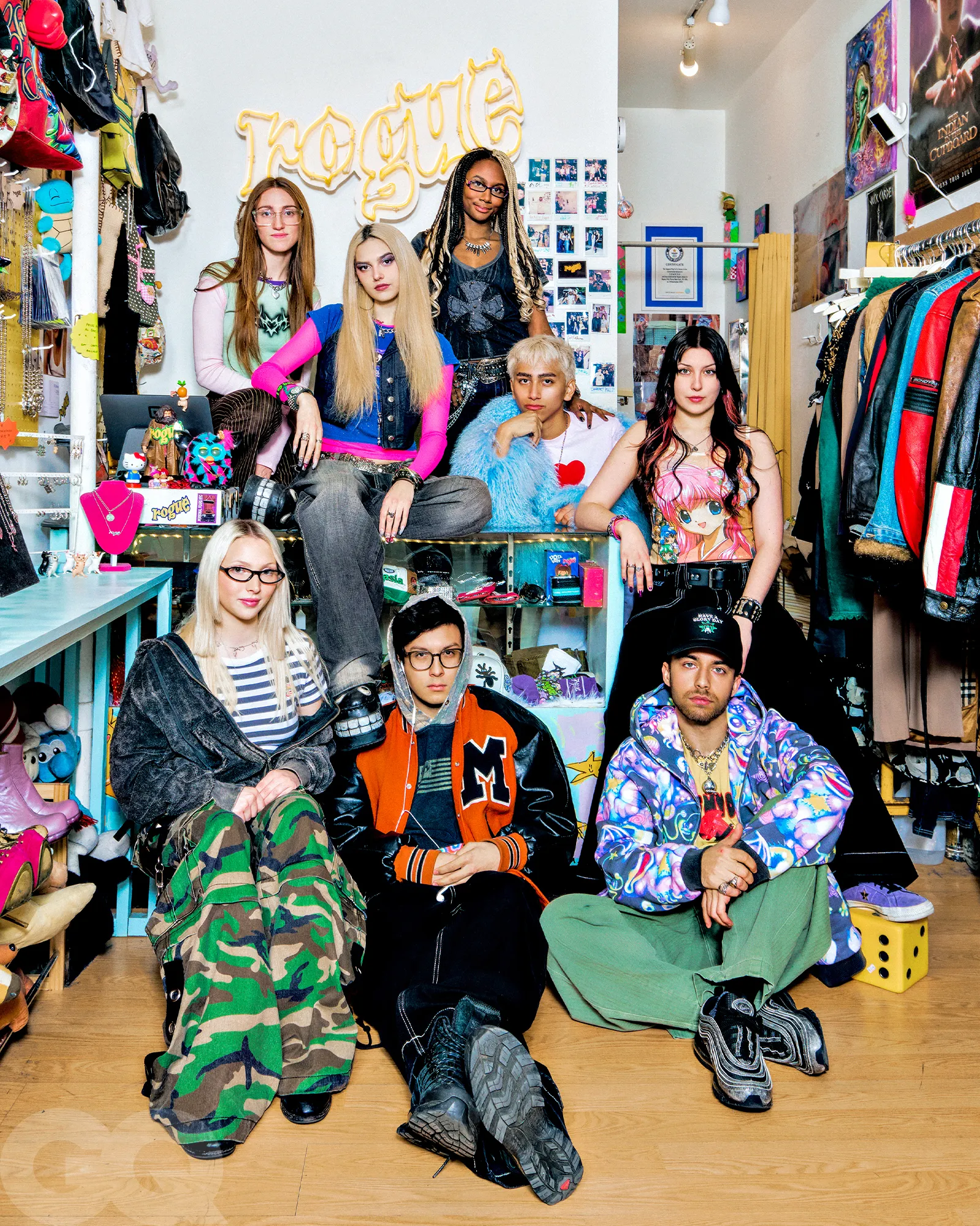
👉 To achieve both comfort and structure, it’s important to work with an experienced partner like Bless Clothing.
Why Relaxed Fit Clothing Is Dominating Lifestyle Fashion
From what I’ve seen across modern brands, relaxed fit is no longer just a trend—it’s becoming the standard.
Key reasons:
- Comfort-first consumer demand
- Shift toward casual and lifestyle dressing
- Influence from streetwear and athleisure
👉 Market data from Statista shows continued growth in casual apparel categories.
Key Insight
Relaxed fit clothing sells because it balances comfort, versatility, and modern aesthetics.
What a Relaxed Fit Clothing Manufacturer Does
A specialized manufacturer understands how to create garments that are loose—but still well-structured.
Core services include:
- Pattern development for relaxed silhouettes
- Fabric sourcing with proper drape
- Sampling and fit adjustments
- Bulk production
- Quality control
Why This Matters
Relaxed fit is not just “bigger sizing”—it requires:
- Proper proportions
- Controlled volume
- Balanced garment structure
Key Garments in Relaxed Fit Collections
Lifestyle brands often focus on these categories:
Core products:
- Oversized T-shirts
- Relaxed hoodies
- Loose-fit sweatpants
- Casual shirts
- Wide-leg shorts
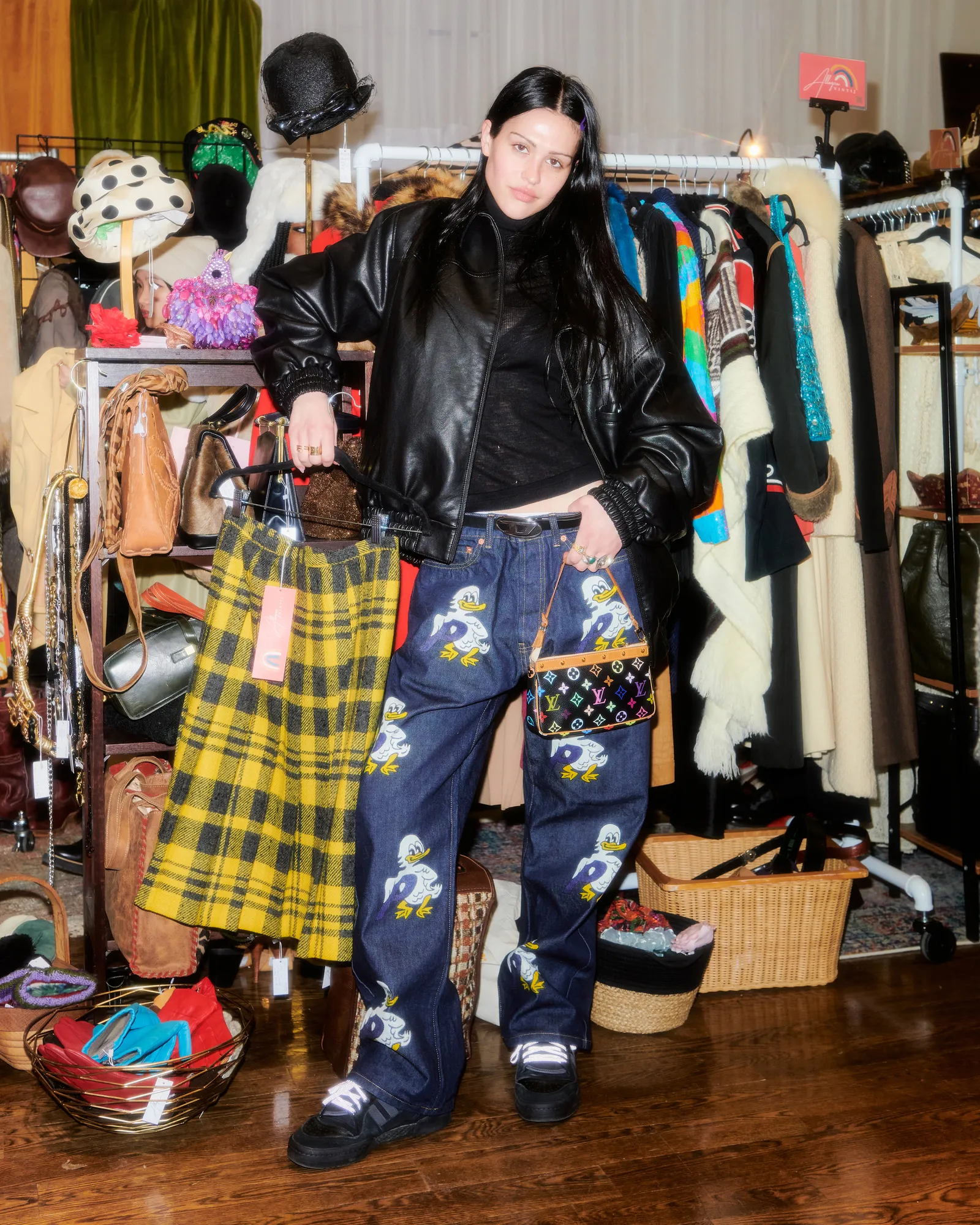
Product Demand Table
| Category | Demand | Difficulty |
|---|---|---|
| Oversized tees | High | Low |
| Hoodies | High | Medium |
| Sweatpants | High | Medium |
| Shorts | High | Low |
Fabric Selection for Relaxed Fit Clothing
Fabric plays a critical role in how relaxed fit garments look and feel.
Recommended fabrics:
| Fabric | Benefit | Best Use |
|---|---|---|
| Cotton | Soft & breathable | Everyday wear |
| French Terry | Structured comfort | Sweatwear |
| Fleece | Warm & thick | Hoodies |
| Modal Blend | Smooth & drapey | Premium pieces |
👉 Certified fabrics like OEKO-TEX® ensure safety and consistency.
Fabric Insight
- Heavier fabrics = better structure
- Softer fabrics = better drape
Fit Engineering: What “Relaxed” Really Means
Relaxed fit is about proportion, not just size.
Key characteristics:
- Wider body width
- Dropped shoulders
- Longer length (depending on style)
- Comfortable arm and leg openings
Fit Comparison Table
| Fit Type | Description |
|---|---|
| Slim | Tight and fitted |
| Regular | Standard fit |
| Relaxed | Loose but structured |
| Oversized | Extra loose, trend-driven |
Practical Tip
- Relaxed ≠ oversized
- Controlled looseness is key
Pattern Development for Relaxed Silhouettes
Pattern making is where relaxed fit is defined.
What manufacturers adjust:
- Shoulder width
- Chest circumference
- Sleeve length
- Garment length
Pattern Strategy
| Element | Adjustment |
|---|---|
| Shoulder | Wider |
| Body width | Increased |
| Length | Balanced |
| Sleeve | Slightly longer |
Production Workflow Explained
Here’s how relaxed fit clothing is produced:
Steps:
- Design concept
- Pattern development
- Sampling
- Fit adjustments
- Bulk production
- Quality inspection
Workflow Table
| Stage | Purpose |
|---|---|
| Sampling | Validate fit |
| Production | Manufacture |
| Inspection | Ensure consistency |
MOQ, Pricing & Lead Times
Typical production ranges:
| Item | Range |
|---|---|
| MOQ | 100–300 pcs |
| Sample time | 7–10 days |
| Production | 25–35 days |
Cost Insight
- Larger patterns = slightly higher fabric usage
- Simpler designs = lower cost
How to Choose the Right Manufacturer
Choosing the right partner is critical for relaxed fit products.
What I recommend checking:
- Experience with relaxed silhouettes
- Pattern development capability
- Fabric sourcing quality
- Communication speed
Decision Framework
| Brand Stage | Best Choice |
|---|---|
| Startup | Low MOQ supplier |
| Growing brand | OEM manufacturer |
| Premium brand | Specialized factory |
👉 A reliable partner like Bless Clothing can support all stages.
Common Mistakes in Relaxed Fit Production
Avoid these:
- Making garments too oversized
- Ignoring fabric drape
- Poor pattern proportions
- Skipping fit testing
Reality Insight
The biggest mistake is:
Confusing “loose” with “well-designed relaxed fit”
Relaxed Fit Strategy Comparison Table
| Strategy Type | Risk | Investment | Scalability |
|---|---|---|---|
| Basic relaxed fit | Low | Low | High |
| Oversized trend | Medium | Medium | Medium |
| Premium relaxed | Medium | High | High |
FAQs
1. What is relaxed fit clothing?
Garments designed with a looser silhouette for comfort and style.
2. What is the difference between relaxed and oversized?
Relaxed is controlled looseness; oversized is exaggerated.
3. What fabrics work best?
Cotton, French Terry, and modal blends.
4. What is MOQ?
Usually 100–300 pieces per style.
5. Is relaxed fit profitable?
Yes, due to strong demand and repeat purchases.
Build a Scalable Relaxed Fit Collection
To succeed in relaxed fit clothing:
- Focus on proportion and fit
- Choose the right fabric
- Keep designs simple
👉 Partner with Bless Clothing to develop and scale your relaxed fit collections efficiently.
Final Insight
Relaxed fit clothing succeeds when it delivers comfort with structure—not just loose garments, but well-designed silhouettes that customers trust and return to.