
Table of Contents
Why This Guide Matters
Sourcing custom sherpa jacket is one of the most consequential decisions for any apparel brand. Industry research shows 72% of brands note that B2B clothing buyers cite construction quality as a top 3 decision factor. Yet many buyers approach manufacturers without a clear understanding of what separates average from exceptional product quality — a gap that costs time, money, and brand credibility.
This guide gives you a structured framework for evaluating materials, construction methods, and suppliers for your sherpa jacket program.
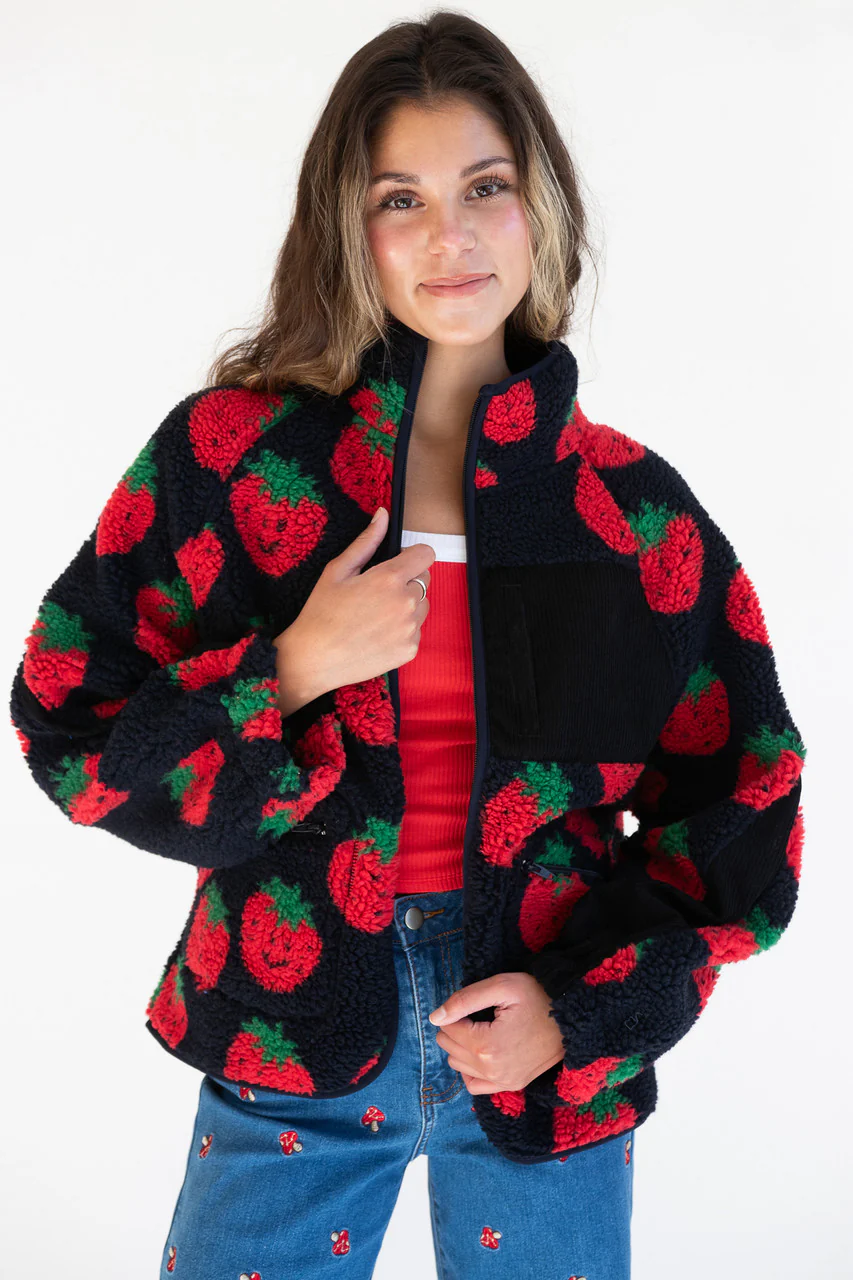
Whether you're sourcing your first run of custom hoodies or optimizing an existing supply chain, the principles here apply directly.
Material Selection
Fabric Options Compared
| Fabric Type | Key Characteristics | Best Application |
|---|---|---|
| Ring-Spun Combed Cotton | Superior softness, minimal pilling | Luxury basics |
| Supima Cotton | Extra-long staple, exceptional softness | Premium positioning |
| Organic Cotton (GOTS) | Chemical-free, sustainability story | Eco brands |
| CVC Blend (60% Cotton) | Easy care, consistent sizing | Workwear, promotions |
GSM Selection Guide
Fabric weight (GSM — grams per square meter) determines drape, warmth, and perceived quality:
- 180-220 GSM: Lightweight, summer-appropriate, lower cost base
- 240-280 GSM: Mid-weight workhorse — most brands' sweet spot
- 300-350 GSM: Heavyweight premium feel, cold-weather positioning
- 380-420 GSM: Ultra-heavyweight, distinct market positioning, higher price
Business of Fashion data indicates mid-weight (240-280 GSM) garments represent 62% of total B2B custom apparel volume globally, offering the best balance of versatility and pricing.
Construction Quality
Key Construction Methods
The construction method affects both the aesthetic and durability of your product:
- Flatlock Seaming: Flat-seam construction for smooth fit against skin — commonly used for sherpa jacket production
- Double-Needle Hem: Two parallel stitch lines at hems and cuffs for reinforced durability
- Taped Neck: Fabric strip inside neck seam to prevent stretching over time
- Bar Tacking: Dense stitching at stress points (pockets, belt loops) for extended life
Stitch Specifications
| Stitch Type | SPI (Stitches/Inch) | Application |
|---|---|---|
| Overlock (serge) | 8-10 | Side and shoulder seams |
| Chain stitch | 10-12 | Waistbands, decorative seams |
| Coverstitch | 8-10 | Hem finishing, collar |
| Double needle | 10-12 | Stress-point reinforcement |
Customization Options
Branding Elements
A complete private label package for your sherpa jacket should include:
- Woven Neck Label: Brand name, fiber content, care instructions, country of origin
- Hang Tag: Retail pricing, brand story, social media handles
- Hem Label: Additional brand logo or style identifier
- Polybag/Packaging: Custom printed bags with brand colors and logo
Decoration Methods
Available decoration options for custom pajamas production:
- Screen Printing: Best for simple designs, 1-6 colors, cost-effective at volume
- Embroidery: Premium look, ideal for chest logos and patches
- DTG (Direct-to-Garment): Full-color photographic designs, no minimum per design
- Heat Transfer Vinyl: Versatile for names/numbers and specialty finishes
- Sublimation: All-over print, vivid colors, requires polyester content
OEKO-TEX certification notes that embroidery and multi-technique combinations are growing fastest in the premium B2B segment, with 34% year-over-year increase in 2025.
Quality Control Standards
Inspection Stages
- Pre-Production Inspection (PPI): Verify fabric GSM, color accuracy, trim components before cutting begins
- During Production Inspection (DUPRO): Check 10-15% of units at 50% production completion
- Pre-Shipment Inspection (PSI): Full AQL 2.5 inspection of finished goods before loading
Critical vs. Major vs. Minor Defects
- Critical (0% acceptable): Safety hazards, wrong product, contamination
- Major (≤2.5%): Functional defects — seam failures, size deviation, color mismatch
- Minor (≤4.0%): Aesthetic issues — loose threads, minor stains, slight shading
Sourcing Framework
Supplier Qualification Checklist
- Factory audit certificate valid within 24 months (BSCI or equivalent)
- OEKO-TEX fabric certification for finished product
- Sample production capability demonstrated with tech pack submission
- References from similar brand clients available
- Production capacity aligned with your order volume
- English-speaking QC or project manager available
Explore about Bless Clothing manufacturing options that meet all these criteria. World Trade Organization provides useful frameworks for apparel supplier qualification.
Cost Planning
Cost Breakdown for Custom Sherpa Jacket
| Cost Component | % of Total | Notes |
|---|---|---|
| Fabric | 40-50% | Biggest lever for cost optimization |
| Labor (CMT) | 25-35% | Varies by complexity and region |
| Trims and labels | 8-12% | Woven labels, hang tags, hardware |
| Packaging | 5-8% | Polybag, master carton |
| Freight and duties | 10-18% | Varies by route and incoterm |
FAQ
What fabric weight works best for sherpa jacket
A: For most markets, 260-300 GSM offers the right balance of substance and wearability. Streetwear brands often prefer 320-380 GSM for a premium heavyweight feel. Active and layering pieces typically use 200-240 GSM for mobility.
How do I communicate my design requirements to a manufacturer
A: Submit a complete tech pack: technical drawings (flat sketches), measurement table, Pantone color references, fabric specification (fiber content, GSM, finish), construction notes, and sample or reference garment photos. The more specific your brief, the less time you waste on sampling rounds.
What is the typical sample-to-production process
A: Submit tech pack → factory quotes and confirms → Proto sample (7-10 days) → Review and feedback → Revised sample if needed → Bulk approval → Production begins. Budget 3-5 weeks for sampling, longer for complex styles.
How do I protect against color variations in production
A: Use Pantone Textile (TPX/TPG) codes, not RGB or HEX values. Approve a lab dip (dyed fabric swatch) before bulk production. Specify acceptable tolerance (typically Delta E ≤ 1.5 using spectrophotometer measurement).
What is a tech pack and do I need one
A: A tech pack is a detailed specification document covering all aspects of your garment. It is not optional — it is the communication tool that ensures your manufacturer builds what you envisioned. Without it, you will waste money on incorrect samples and face production errors.
Summary Checklist
Before placing your sherpa jacket order, confirm:
- Fabric type, GSM, and fiber content specified
- Construction method and stitch specifications documented
- All branding elements (labels, tags, packaging) designed and approved
- Size chart and measurement table completed
- Decoration method confirmed with artwork files ready
- Inspection standard agreed (AQL 2.5 recommended)
- Payment terms, delivery date, and penalty clauses in writing
Ready to put this into practice? custom hoodies and about Bless Clothing teams at Bless Clothing are available to guide you through your first or next production run. Start the conversation today.
Content reflects industry standards and best practices as of 2026. Individual manufacturer capabilities and pricing will vary.