
Clothing production pricing is affected by much more than the type of garment you want to make.
Fabric consumption, sewing time, order quantity, colors, decoration, trims, quality standards, packaging, delivery terms, and production risk can all change the final quotation.
From my experience reviewing apparel quotations, two factories can receive the same reference image and still offer very different prices because they may be calculating different materials, construction methods, quality levels, and services.
Clothing production pricing is mainly determined by material consumption, manufacturing time, order scale, customization, and the level of risk the factory must manage.
This guide explains how each factor affects your quotation and how to compare factory prices correctly.
Table of Contents
- Quick Answer
- How Clothing Production Pricing Works
- Fabric Type and Consumption
- Construction and Sewing Time
- Order Quantity and MOQ
- Colors, Sizes, and Product Variations
- Printing, Embroidery, and Washing
- Trims, Labels, and Packaging
- Sampling and Product Development
- Quality Control and Testing
- Production Timeline and Factory Capacity
- Shipping Terms and Landed Cost
- Why Factory Quotations Differ
- How to Compare Clothing Quotations
- How to Control Pricing Without Lowering Quality
- Common Pricing Mistakes
- FAQ
- Conclusion
Quick Answer
The main factors affecting clothing production pricing are:
- Fabric composition and weight
- Actual fabric consumption
- Garment construction
- Sewing time
- Order quantity
- Number of colors and sizes
- Printing, embroidery, or washing
- Custom trims and packaging
- Quality-control requirements
- Production schedule and shipping terms
A useful way to understand a clothing quotation is:
Unit Price = Materials + Labor + Decoration + Trims + Packaging + Quality Control + Factory Operating Costs
The final amount paid by the brand may also include:
- Samples
- International freight
- Insurance
- Duties
- Taxes
- Customs clearance
- Local delivery
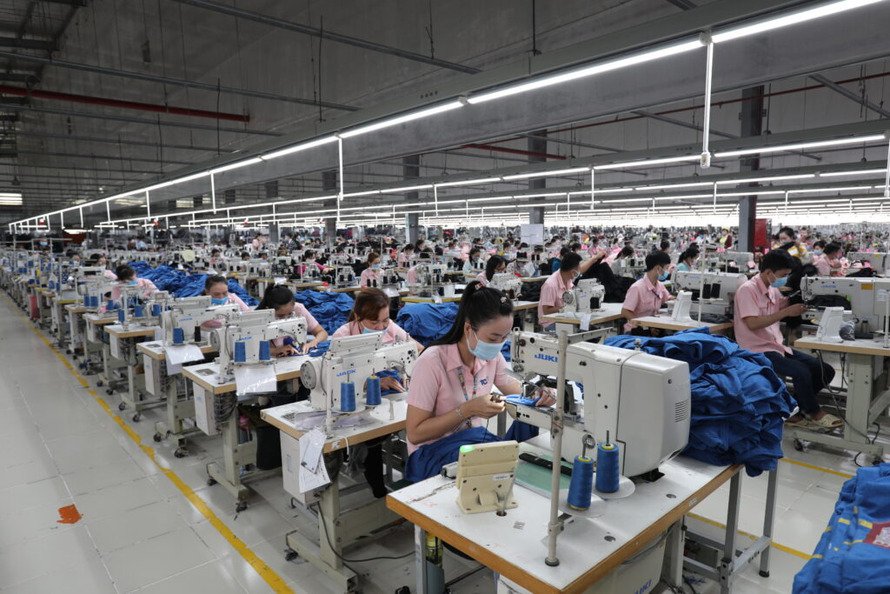
My practical advice is to compare product specifications before comparing prices. A lower quotation may simply be based on lighter fabric, simpler construction, fewer inspections, or basic packaging.
How Clothing Production Pricing Works
A factory normally calculates the cost of producing your garment and then adds operating expenses and a reasonable margin.
The quotation may include several cost layers:
| Cost Layer | Typical Items |
|---|---|
| Product Development | Pattern, grading, samples, revisions |
| Main Materials | Fabric, lining, rib, interfacing |
| Manufacturing | Cutting, sewing, finishing |
| Decoration | Printing, embroidery, patches, washing |
| Trims | Zippers, buttons, elastic, labels |
| Quality Control | Testing, inspection, repairs |
| Packaging | Polybags, stickers, cartons, boxes |
| Commercial Costs | Administration, payment risk, factory overhead |
Not every supplier includes the same items.
One factory may include labels and final inspection in its unit price. Another may add them separately after the order is confirmed.
Always request a written cost breakdown.
Fabric Type and Consumption
Fabric is often one of the largest parts of a garment quotation.
However, factories do not calculate fabric cost from composition alone.
Fabric Specification
The price can change according to:
- Fiber composition
- Fabric weight
- Yarn quality
- Knitting or weaving structure
- Stretch
- Surface finishing
- Dyeing method
- Certification
- Order quantity
For example, two fabrics may both be described as 100% cotton but have different weights, yarn quality, softness, shrinkage, and prices.
Brands can compare available materials through the Custom Fabric Catalog or develop specific compositions, weights, colors, and finishes through Custom Fabric Development.
Actual Fabric Consumption
Factories also calculate how much material is needed for each garment.
Consumption is affected by:
- Garment measurements
- Fabric width
- Pattern shape
- Size ratio
- Shrinkage allowance
- Cutting waste
- Directional prints
- Stripe or plaid matching
A relaxed-fit hoodie normally consumes more fabric than a fitted sweatshirt.
A fabric with a lower price per meter may still create a more expensive garment when it is narrow or produces more cutting waste.
Fabric price tells you the cost of the material. Fabric consumption tells you how much of that material the garment actually needs.
Construction and Sewing Time
The more time a garment requires on the production line, the higher its labor cost is likely to be.
Lower-Cost Construction
Examples include:
- Basic T-shirts
- Simple elastic-waist shorts
- Pullover sweatshirts
- Unlined casual tops
- Standard hems
Higher-Cost Construction
Examples include:
- Lined jackets
- Multi-pocket cargo pants
- Full-zip hoodies
- Bonded seams
- Complex panel designs
- Reversible garments
- Structured collars
- Adjustable waist systems
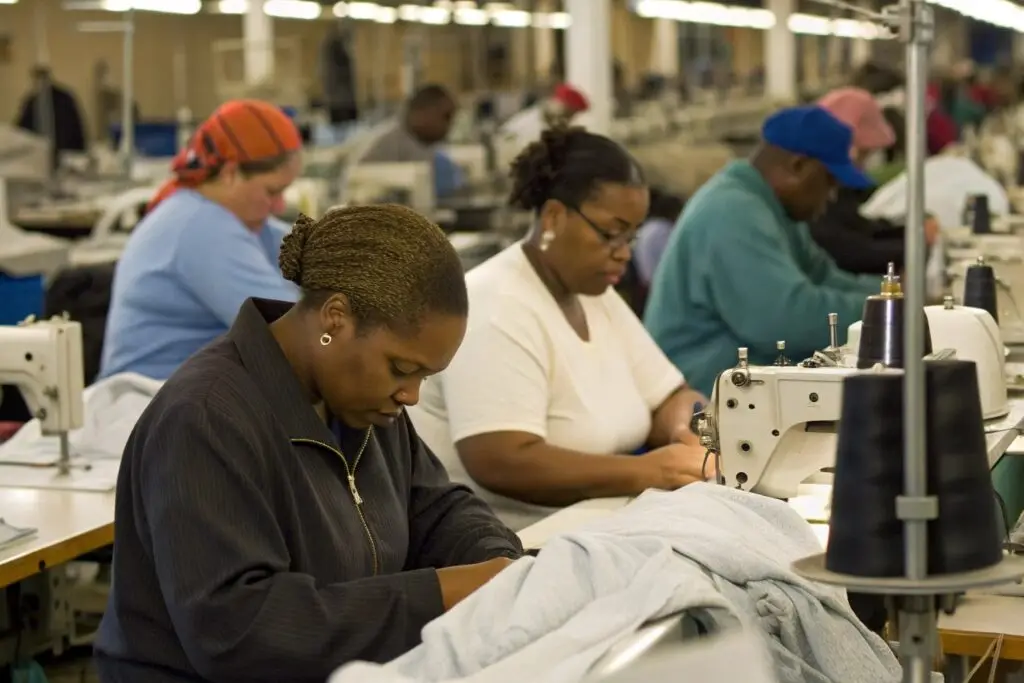
Details That Increase Sewing Time
- Additional pockets
- Curved panels
- Contrast binding
- Zipper installation
- Lining
- Reinforcement
- Topstitching
- Pattern matching
- Multiple fabric types
| Design Choice | Lower-Cost Option | Higher-Cost Option |
|---|---|---|
| Hoodie Closure | Pullover | Full zipper |
| Jacket Interior | Unlined | Fully lined |
| Pants Pockets | Two basic pockets | Multiple cargo pockets |
| Hem Finish | Standard stitched hem | Binding or bonded finish |
| Body Construction | Basic panels | Multi-panel construction |
From my experience, removing one unnecessary construction detail can sometimes save more than changing to a cheaper fabric.
Order Quantity and MOQ
MOQ means minimum order quantity.
Smaller orders normally have higher unit prices because fixed preparation costs are divided across fewer garments.
These costs may include:
- Pattern development
- Cutting setup
- Machine adjustment
- Printing screens
- Embroidery programming
- Label production
- Production-line preparation
Simple Example
If production setup costs $300:
| Order Quantity | Setup Cost per Garment |
|---|---|
| 50 pieces | $6.00 |
| 100 pieces | $3.00 |
| 300 pieces | $1.00 |
| 500 pieces | $0.60 |
The setup work is similar, but the cost per unit falls as the order grows.
However, ordering more is not always the best decision.
A lower unit price can create a higher total loss when the extra stock cannot be sold.
Use the SBA Break-Even Point Guide to compare your expected sales, unit margin, and fixed costs before increasing the quantity.
Colors, Sizes, and Product Variations
A 300-piece order in one color is usually easier to produce than 300 pieces divided across six colors.
Every additional color may require:
- Separate fabric purchasing
- Dyeing minimums
- Color approval
- Cutting setup
- Thread changes
- Decoration setup
- Packing management
Size Range
A wider size range can also affect pricing through:
- Additional pattern grading
- Higher fabric consumption
- Smaller production batches
- Extended-size pattern adjustments
- More complicated packing ratios
Efficient First-Order Structure
For a new product, I normally recommend:
- One main style
- Two or three colors
- A focused size range
- One fabric specification
- One decoration method
This is normally more efficient than dividing the same budget across many small variations.
Printing, Embroidery, and Washing
Decoration price depends on the method, size, complexity, and quantity.
| Decoration Method | Main Price Drivers |
|---|---|
| Screen Printing | Number of colors, screens, positions |
| Digital Printing | Artwork size and print coverage |
| Heat Transfer | Transfer type, size, application time |
| Embroidery | Stitch count, colors, size, backing |
| Appliqué | Fabric pieces and sewing labor |
| Patches | Material, shape, attachment method |
| Garment Washing | Wash formula, testing, processing time |
Printing
A small one-color chest print normally costs less than large front-and-back artwork with several colors.
Embroidery
Embroidery is often calculated through stitch count rather than logo dimensions alone.
A dense logo with small lettering may cost more than a larger but simpler design.
Garment Washing
Special washing may affect:
- Production time
- Shrinkage
- Color consistency
- Measurement control
- Defect risk
Always approve a print, embroidery test, or washed sample before bulk production.
Trims, Labels, and Packaging
Small components can create hidden costs when every style uses a different specification.
Trims may include:
- Zippers
- Buttons
- Snaps
- Drawcords
- Elastic
- Eyelets
- Main labels
- Care labels
- Hang tags
- Metal logos
Standard trims are usually faster and more affordable.
Custom trims may require:
- Mold fees
- Color development
- Logo tooling
- Higher MOQ
- Longer lead time
- Additional testing
Brands can review available options through Customized Accessories and Trims.
Packaging Costs
Packaging prices depend on:
- Material
- Printing
- Size
- Order quantity
- Folding method
- Inserts
- Stickers
- Carton requirements
| Packaging Type | General Cost Level |
|---|---|
| Standard protective polybag | Low |
| Branded polybag | Low to medium |
| Tissue paper and sticker | Medium |
| Printed mailer or box | Medium to high |
| Premium rigid packaging | High |
Use simple packaging for market testing. Invest in premium packaging when it adds clear value to the customer experience.
Explore available options through Private Packaging Solutions.
Sampling and Product Development
Custom clothing normally requires more development than ready-made or private label products.
Development costs may include:
- Pattern making
- Size grading
- First sample
- Revised samples
- Fabric swatches
- Lab dips
- Print strike-offs
- Embroidery tests
- Courier charges
What Increases Sample Costs?
- Complex products
- Several fabric types
- Custom washes
- Repeated design changes
- Large embroidery
- Custom hardware
- Multiple sample rounds
You can control development costs by confirming the following before the first sample:
- Measurements
- Fabric
- Colors
- Construction
- Artwork
- Trims
- Packaging direction
Brands needing support from concept to production can review OEM and ODM Manufacturing Services.
Quality Control and Testing
Quality control has a cost, but poor quality normally costs more.
Quality expenses may include:
- Fabric inspection
- Shrinkage testing
- In-line inspection
- Measurement checks
- Final inspection
- Laboratory testing
- Sorting and repairs
A cheaper factory quotation may include fewer controls.
Quality Requirements That Can Affect Pricing
- Tight measurement tolerances
- Low defect limits
- 100% inspection
- Independent inspection
- Product testing
- Special retailer standards
- Certified materials
- Detailed inspection reports
Structured Quality Control Services should cover materials, production, measurements, workmanship, decoration, and final packing.
Quality control should not be treated only as an additional expense. It is protection against repairs, returns, claims, and emergency replacement shipments.
Production Timeline and Factory Capacity
An urgent order may cost more because the manufacturer must reorganize production or use faster material and shipping options.
Rush costs may come from:
- Priority fabric purchasing
- Overtime
- Additional production lines
- Faster decoration processing
- Split shipments
- Airfreight
- Extra inspection staff
Peak seasons can also affect pricing because factory capacity and material availability become more limited.
Standard vs Rush Production
| Factor | Standard Production | Rush Production |
|---|---|---|
| Material Choice | More options | Often limited to available stock |
| Factory Scheduling | Normal planning | Priority adjustment |
| Labor | Standard hours | Possible overtime |
| Shipping | Flexible methods | Often faster and more expensive |
| Quality Risk | Easier to manage | Higher when approvals are rushed |
A fast quotation is not useful if the schedule leaves no time for proper sampling, testing, or inspection.
Shipping Terms and Landed Cost
The garment unit price and the final delivered cost are not the same.
The total landed cost may include:
- Garment price
- Packaging
- Freight
- Insurance
- Duties
- Taxes
- Customs clearance
- Local delivery
The Total Export Price Guide explains that landed cost includes the original product price, freight, insurance, tariffs, taxes, and other fees.
Shipping terms also change which party pays each cost.
The Incoterms Guide explains how common trade terms divide costs, tasks, and risks between the buyer and seller.
Before comparing quotations, confirm whether the price is:
- EXW
- FOB
- CIF
- DDP
- Another agreed term
Brands can also review Clothing Shipping Solutions when planning freight and international delivery.
Why Factory Quotations Differ
Factories may produce different quotations because they are not calculating the same product.
Possible differences include:
| Pricing Area | Supplier A | Supplier B |
|---|---|---|
| Fabric | 300 GSM cotton | 240 GSM cotton blend |
| Construction | Reinforced seams | Standard seams |
| Decoration | Premium embroidery | Basic embroidery |
| Labels | Fully included | Charged separately |
| Inspection | In-line and final | Final check only |
| Packaging | Branded packaging | Basic polybag |
| Shipping Term | FOB | EXW |
Supplier B may appear cheaper, but the product specification and service level are different.
Factories may also have different:
- Material suppliers
- Labor costs
- Production efficiency
- Specialization
- Capacity
- Quality systems
- Risk allowances
A higher quotation may be justified when the manufacturer provides better materials, stronger technical support, more reliable quality control, or a more complete service.
How to Compare Clothing Quotations
Use the same specification when requesting prices from different manufacturers.
Quotation Comparison Checklist
Confirm that every quotation includes:
- Product description
- Fabric composition
- Fabric weight
- Order quantity
- Number of colors
- Size range
- Construction details
- Printing or embroidery
- Trims
- Labels
- Packaging
- Quality checks
- Production time
- Shipping term
- Quote validity
Simple Comparison Table
| Area | Supplier A | Supplier B | Supplier C |
|---|---|---|---|
| Fabric Specification | |||
| MOQ | |||
| Unit Price | |||
| Sample Cost | |||
| Branding Included | |||
| Packaging Included | |||
| Quality Inspection | |||
| Production Time | |||
| Shipping Term |
Do not select a factory until all unclear items have been answered in writing.
How to Control Pricing Without Lowering Quality
The safest way to control pricing is to reduce unnecessary complexity.
Lower-Risk Cost Controls
- Use proven stock fabrics.
- Limit the number of colors.
- Share fabrics across several styles.
- Use standard trims.
- Reduce unnecessary pockets and panels.
- Use one main decoration technique.
- Confirm details before sampling.
- Choose practical packaging.
- Plan production and shipping early.
Areas to Protect
Do not reduce:
- Essential seam strength
- Accurate measurements
- Fabric stability
- Necessary reinforcement
- Label compliance
- Sample approval
- Quality inspection
- Product safety
My recommended order is:
- Simplify design complexity.
- Reduce color and trim variety.
- Improve order planning.
- Simplify packaging.
- Improve fabric utilization.
- Review material specifications carefully.
Reduce fabric or workmanship quality only after the lower-risk options have been reviewed.
Common Pricing Mistakes
Requesting a Price From a Photo
A photo does not confirm fabric, measurements, construction, quantity, or branding.
Comparing Only Unit Prices
Two unit prices may include completely different materials and services.
Ignoring Fabric Consumption
Fabric width, shrinkage, pattern shape, and size ratios can affect cost as much as the price per meter.
Adding Details After Quotation
Late additions such as labels, embroidery, packaging, or custom hardware will change the price.
Dividing Orders Across Too Many Colors
Small color batches increase purchasing and production complexity.
Choosing the Lowest Price Without Sampling
A quotation cannot prove fit, fabric quality, construction, or wash performance.
Ignoring Landed Cost
Freight, duties, taxes, and customs fees can significantly change the final cost of imported clothing.
Forgetting Label Requirements
Brands selling textile garments in the United States should review the FTC Clothing and Textiles Guidance before approving fiber-content, origin, identity, and care labels.
FAQ
What has the biggest effect on clothing production pricing?
Fabric consumption and manufacturing time are usually two of the strongest price drivers. The result also depends on order quantity, decoration, trims, packaging, and quality requirements.
Why does a small clothing order cost more per piece?
Fixed setup costs such as patterns, cutting preparation, printing screens, and production-line setup are divided across fewer garments.
Does heavier fabric always cost more?
Usually, heavier fabric requires more material, but the price also depends on fiber, yarn, structure, width, finishing, and supplier.
Why do additional colors increase the price?
Each color can create separate fabric minimums, dyeing, cutting, decoration, sewing, and packing batches.
Does embroidery cost more than printing?
It can. Embroidery pricing depends heavily on stitch count, density, size, colors, and fabric support. Some printing methods may cost more for small orders or complex artwork.
Why do two factories give different prices?
They may be using different fabrics, construction methods, trims, quality standards, operating costs, or shipping terms.
Is the cheapest factory quotation usually the best?
No. A lower price may exclude labels, packaging, inspection, testing, or stronger materials. Compare complete specifications first.
How can I receive a more accurate quotation?
Provide a tech pack or clear product brief containing quantity, fabric, measurements, construction, colors, artwork, labels, packaging, destination, and delivery date.
How long is a clothing quotation valid?
It depends on the manufacturer. Fabric prices, exchange rates, production capacity, and freight costs may change, so confirm the quotation validity date in writing.
Does quality control increase the unit price?
It may add inspection and testing costs, but it can reduce the much larger costs of repairs, claims, returns, and replacements.
What is the difference between factory price and landed cost?
Factory price covers the garment under the agreed trade term. Landed cost includes the expenses required to deliver the product to the buyer, such as freight, duties, taxes, and clearance.
Can Bless Clothing provide a detailed quotation?
Bless Clothing supports brands with fabric sourcing, sampling, OEM and ODM development, private labeling, production, quality control, packaging, and international shipping coordination.
Conclusion
Clothing production pricing is the result of many connected decisions.
The main factors include:
- Fabric specification and consumption
- Construction and sewing time
- Order quantity
- Colors and size range
- Printing and embroidery
- Trims and packaging
- Sampling
- Quality-control requirements
- Production timeline
- Shipping terms
From my experience, the most reliable quotation is not always the lowest one. It is the quotation that clearly explains what product, quality level, service, and delivery responsibility are included.
Before choosing a manufacturer, make sure every supplier is pricing the same specification.
Bless Clothing helps casualwear brands develop clear specifications, compare material options, create samples, control bulk quality, and manage production from initial quotation to final delivery.