
Table of Contents
- Quick Answer
- A Brief History of Lucky Brand
- My Perspective From the Apparel Industry
- Why Lucky Brand Declined
- The Bankruptcy and Ownership Change
- What Lucky Brand Looks Like Today
- Lucky Brand vs Modern Apparel Brands
- Key Lessons for Brand Builders
- FAQ
- Final Verdict
Quick Answer
Lucky Brand didn’t disappear — it filed for bankruptcy in 2020 due to declining retail performance and was later acquired and continues to operate today.
👉 From my experience:
This is a classic case of a strong brand struggling to adapt to modern retail changes.
A Brief History of Lucky Brand
Lucky Brand was:
- Founded in 1990 in Los Angeles
- Known for vintage-inspired denim and casualwear
- Popular in the early 2000s
What made it special:
- Unique washes and fabrics
- Relaxed, bohemian aesthetic
- Strong retail presence
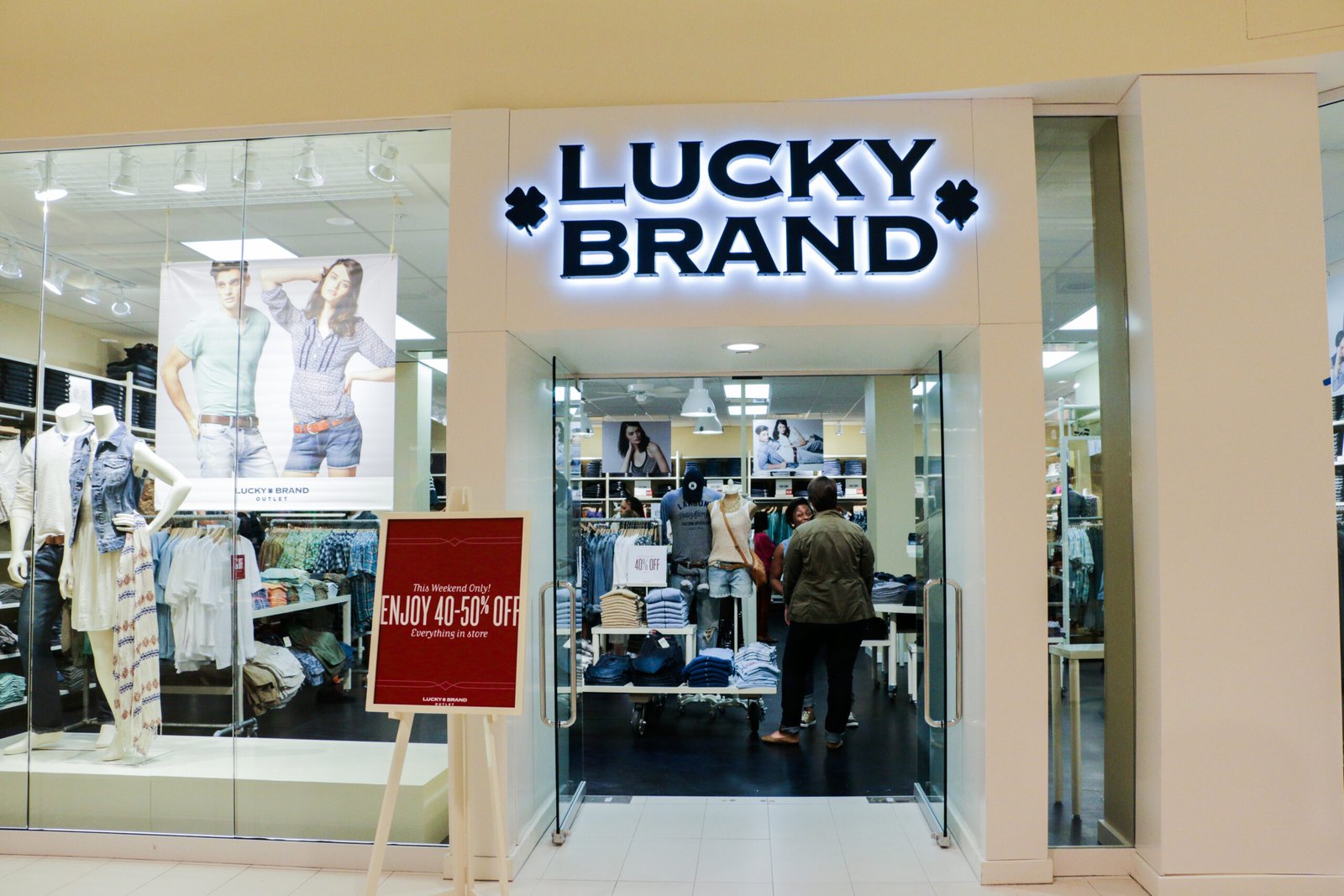
👉 It was once a major denim lifestyle brand in the U.S.
My Perspective From the Apparel Industry
From my experience:
Brands like Lucky Brand often face challenges when:
- Retail habits shift
- Consumer preferences evolve
- Digital transformation accelerates
What I’ve observed:
- Strong heritage alone is not enough
- Brands must adapt to new consumer behavior
👉 Lucky Brand struggled in this transition.
Why Lucky Brand Declined
1. Over-Reliance on Physical Retail
- Heavy investment in stores
- High operating costs
2. Weak Online Strategy
- Slower adoption of e-commerce
- Limited digital competitiveness
3. Changing Fashion Trends
- Shift toward athleisure and fast fashion
- Less demand for traditional denim styles
4. High Operational Costs
- Rent, inventory, staffing
👉 From my experience:
Retail-heavy brands often struggle when the market shifts online.
The Bankruptcy and Ownership Change
What happened in 2020:
- Lucky Brand filed for Chapter 11 bankruptcy
- Closed many physical stores
What happened next:
- Acquired by SPARC Group (a joint venture including Authentic Brands Group)
👉 This allowed the brand to:
- Restructure operations
- Reduce costs
- Continue operating
What Lucky Brand Looks Like Today
Today, Lucky Brand:
- Still exists and sells products
- Has fewer physical stores
- Focuses more on online sales and partnerships
Current positioning:
- Casual lifestyle brand
- Mid-range pricing
- Heritage-inspired design
👉 It survived — but in a simplified form.
Lucky Brand vs Modern Apparel Brands
| Factor | Lucky Brand | Modern DTC Brands |
|---|---|---|
| Retail Model | Store-heavy (before) | Online-first |
| Pricing | Mid-range | Flexible |
| Speed | Slower | Faster |
| Strategy | Traditional retail | Digital + supply chain |
👉 If you're building your own brand today, working with a manufacturer like blessclothing allows you to:
- Avoid retail-heavy risks
- Focus on flexible production
- Adapt faster to market changes
Key Lessons for Brand Builders
1. Adapt to E-commerce Early
Don’t rely only on physical stores.
2. Control Costs
High overhead can destroy profitability.
3. Follow Consumer Trends
Markets shift quickly — brands must evolve.
4. Build Flexible Supply Chains
👉 From my experience:
Flexibility is more important than size.
FAQ
1. Is Lucky Brand out of business?
No — it still operates today after restructuring.
2. Why did Lucky Brand go bankrupt?
Due to:
- Retail decline
- High costs
- Weak digital strategy
3. Who owns Lucky Brand now?
SPARC Group (with Authentic Brands Group involvement).
4. Is Lucky Brand still good quality?
Yes — but it competes differently today.
Final Verdict
So, what happened to Lucky Brand?
👉 It didn’t disappear — it adapted after failure.
From my experience:
- The brand struggled with retail changes
- Bankruptcy forced restructuring
- Now it operates in a leaner, more modern way
👉 The key takeaway:
Even strong brands must evolve — or risk falling behind.
Internal Reference
If you're planning to build a resilient apparel brand that can adapt to market changes:
👉 You can explore private label and custom manufacturing solutions with blessclothing to create flexible, scalable production strategies.