
Table of Contents
- Quick Answer
- Why Understanding Manufacturing Costs Matters
- What Actually Determines Clothing Production Costs
- Why Many Startup Brands Miscalculate Costs
- Factor 1: Fabric Quality and Material Selection
- Factor 2: Product Complexity and Construction
- Factor 3: Order Quantity and MOQ
- Factor 4: Printing, Embroidery, and Customization
- Factor 5: Sampling and Product Development
- Factor 6: Labor and Production Time
- Factor 7: Packaging and Branding Details
- Factor 8: Quality Control and Consistency
- Factor 9: Shipping and Logistics
- How Bless Clothing Helps Brands Control Manufacturing Costs
- High-Cost vs Efficient Production Comparison Table
- FAQs
- Why Smart Cost Control Builds Stronger Fashion Brands
Quick Answer
The biggest factors affecting clothing manufacturing costs include:
- Fabric quality
- Product complexity
- Order quantity
- Customization details
- Labor and production time
- Shipping and logistics
👉 Bless Clothing helps fashion brands manage manufacturing costs through low MOQ production, organized product development, fabric sourcing, and scalable apparel manufacturing systems.
Why Understanding Manufacturing Costs Matters
From my experience, many new clothing brands focus only on product ideas while ignoring how manufacturing costs affect profitability.
Understanding production costs helps brands:
- Price products correctly
- Protect profit margins
- Reduce financial risk
- Scale more efficiently
Key Insight
Strong fashion brands control production costs without sacrificing product quality.
What Actually Determines Clothing Production Costs
Manufacturing costs are influenced by multiple connected factors.
Main cost drivers include:
| Cost Factor | Impact |
|---|---|
| Fabric quality | Major |
| Construction complexity | High |
| Order quantity | High |
| Customization | Medium to high |
| Shipping | Medium |
Practical Insight
Many brands underestimate how quickly small product changes increase manufacturing costs.
Why Many Startup Brands Miscalculate Costs
New brands often focus only on the garment itself and ignore surrounding production costs.
Common mistakes include:
| Mistake | Result |
|---|---|
| Overcomplicated designs | Higher production costs |
| Low-quality tech packs | Repeated revisions |
| Too many SKUs | Inventory waste |
| Poor production planning | Delays and higher expenses |
Key Insight
Simpler products are often easier and more profitable to scale.
Factor 1: Fabric Quality and Material Selection
Fabric is usually one of the largest production cost factors.
Common apparel fabrics:
| Fabric | Cost Level |
|---|---|
| Standard cotton jersey | Lower |
| French Terry | Medium |
| Heavy fleece | Higher |
| Modal blends | Premium |
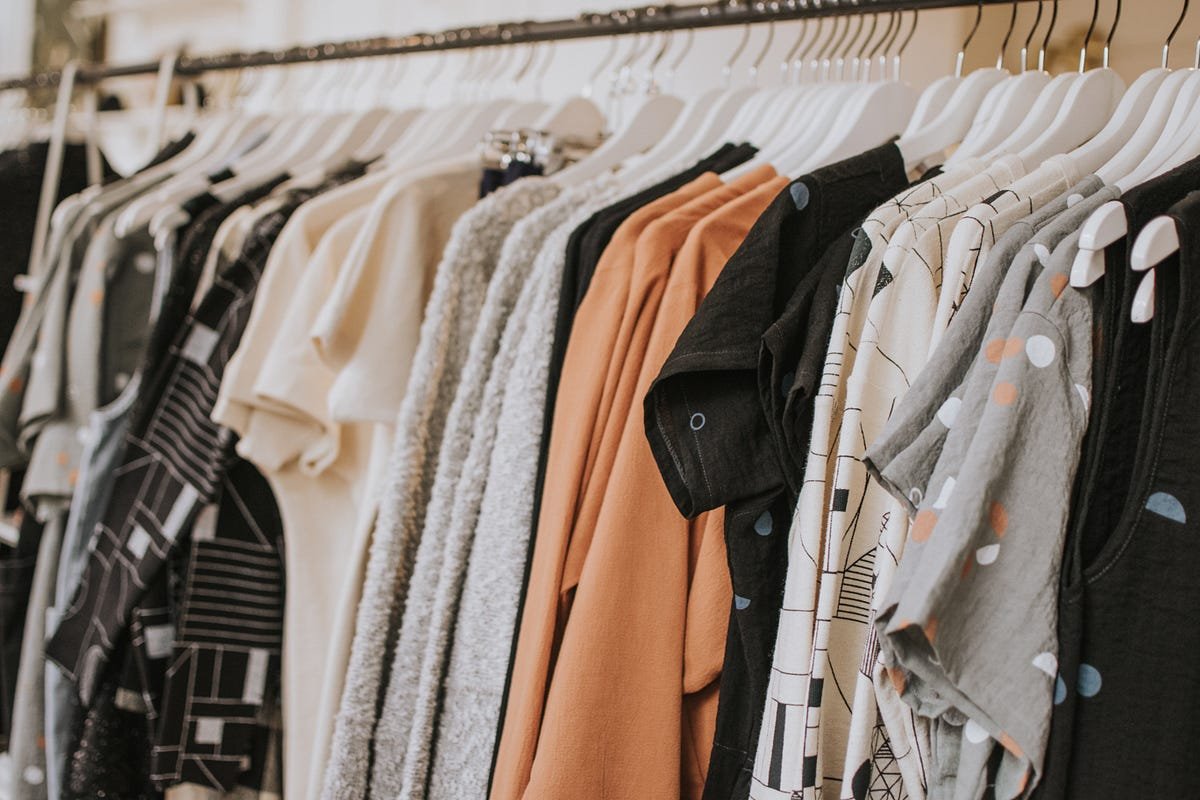
👉 Standards like OEKO-TEX® help improve fabric reliability and consistency.
Fabric Weight Comparison
| GSM Range | Cost Impact |
|---|---|
| 160–220 GSM | Lower |
| 240–320 GSM | Medium |
| 350+ GSM | Higher |
Practical Insight
Premium fabrics increase costs but often improve customer perception and retail pricing power.
Factor 2: Product Complexity and Construction
Complex garments require more production time.
Cost-increasing details include:
- Multiple panels
- Heavy embroidery
- Zippers
- Contrast stitching
- Wash treatments
Construction Comparison
| Simple Product | Complex Product |
|---|---|
| Lower labor cost | Higher labor cost |
| Faster production | Slower production |
| Easier scaling | More production risk |
Key Insight
More details usually mean more labor and longer production timelines.
Factor 3: Order Quantity and MOQ
Order quantity strongly affects unit pricing.
MOQ comparison:
| Production Type | Typical MOQ |
|---|---|
| Traditional factory | 300–1000 pcs |
| Flexible production | 50–300 pcs |
Quantity Impact Table
| Small Orders | Large Orders |
|---|---|
| Higher unit cost | Lower unit cost |
| Lower inventory risk | Larger investment |
| Easier testing | Better scaling efficiency |
Practical Insight
Low MOQ production helps startups reduce financial risk during early growth stages.
Factor 4: Printing, Embroidery, and Customization
Customization changes manufacturing costs significantly.
Common customization methods:
| Method | Cost Level |
|---|---|
| Screen printing | Medium |
| Puff print | Medium to high |
| Embroidery | Higher |
| Silicone logos | Premium |
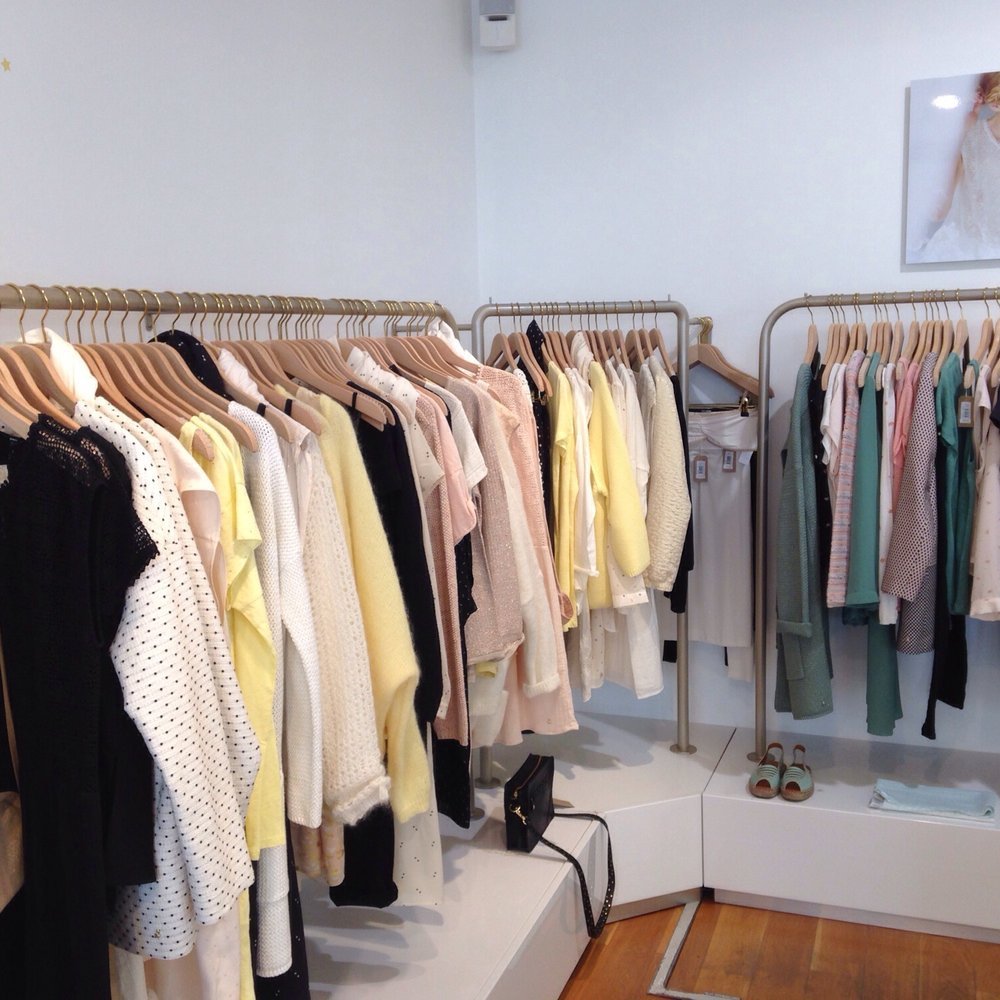
Branding Comparison
| Simple Branding | Advanced Branding |
|---|---|
| Lower cost | Higher production cost |
| Faster production | More labor time |
| Easier scaling | More complexity |
Key Insight
Customization improves product value but also increases labor and production complexity.
Factor 5: Sampling and Product Development
Sampling is a necessary investment for quality production.
Sample development includes:
- Pattern creation
- Fit testing
- Fabric sourcing
- Construction revisions
Development Cost Table
| Development Area | Purpose |
|---|---|
| Sampling | Product accuracy |
| Tech packs | Manufacturing clarity |
| Fit revisions | Better customer experience |
Practical Insight
Better sample preparation usually reduces costly production mistakes later.
Factor 6: Labor and Production Time
Labor costs depend heavily on garment complexity and production efficiency.
Labor-intensive products include:
- Heavy embroidery
- Complex outerwear
- Multi-panel garments
- Wash-treated products
Labor Comparison
| Efficient Production | Slow Production |
|---|---|
| Lower labor cost | Higher labor cost |
| Faster timelines | Delays |
| Better consistency | Production issues |
Key Insight
Production organization strongly affects overall manufacturing efficiency.
Factor 7: Packaging and Branding Details
Packaging also contributes to manufacturing costs.
Common packaging upgrades include:
- Woven labels
- Custom hangtags
- Frosted poly bags
- Printed boxes
Packaging Comparison
| Standard Packaging | Premium Packaging |
|---|---|
| Lower cost | Higher perceived value |
| Basic presentation | Better customer experience |
| Faster production | More customization |
Practical Insight
Premium packaging improves branding but should align with product positioning.
Factor 8: Quality Control and Consistency
Quality control systems reduce long-term production risk.
Bless Clothing focuses on:
- Fabric inspection
- Inline QC systems
- Final product checks
- Organized production workflows
QC Comparison
| Strong QC Systems | Weak QC Systems |
|---|---|
| Lower defect rates | More production mistakes |
| Better customer trust | Higher returns |
| Easier scaling | Operational problems |
👉 Ethical systems like BSCI help improve manufacturing organization and reliability.
Key Insight
Better quality control reduces expensive returns and production failures.
Factor 9: Shipping and Logistics
Shipping costs vary depending on:
- Product weight
- Packaging size
- Delivery speed
- Destination country
Shipping Comparison
| Air Shipping | Sea Shipping |
|---|---|
| Faster delivery | Lower cost |
| Higher expense | Longer timeline |
| Better for small runs | Better for bulk production |
Practical Insight
Shipping planning becomes increasingly important as brands scale globally.
How Bless Clothing Helps Brands Control Manufacturing Costs
Bless Clothing supports fashion brands through:
- Flexible low MOQ production
- Fabric sourcing support
- Product development systems
- Scalable manufacturing workflows
- Organized quality control systems
Bless Clothing Support Table
| Support Area | Cost Benefit |
|---|---|
| Low MOQ production | Reduced inventory risk |
| Product development | Fewer production mistakes |
| Fabric sourcing | Better material balance |
| QC systems | Lower return costs |
High-Cost vs Efficient Production Comparison Table
| Efficient Production | High-Cost Production |
|---|---|
| Organized product systems | Repeated revisions |
| Controlled customization | Overcomplicated designs |
| Strong QC processes | Higher defect rates |
| Lean inventory | Overstock problems |
| Scalable workflows | Production delays |
FAQs
1. What affects clothing manufacturing costs most?
Fabric quality, garment complexity, order quantity, customization, and labor.
2. Why do premium fabrics cost more?
They usually require better yarns, higher GSM, and more advanced processing.
3. How does MOQ affect pricing?
Larger orders reduce unit costs, while smaller orders increase flexibility.
4. Why is sampling important?
Sampling helps prevent expensive production mistakes during bulk manufacturing.
5. How does Bless Clothing help reduce production costs?
Through organized development systems, low MOQ production, fabric sourcing, and scalable manufacturing support.
Why Smart Cost Control Builds Stronger Fashion Brands
The strongest fashion brands usually balance:
- Product quality
- Manufacturing efficiency
- Inventory control
- Scalable production systems
Long-term profitability depends on:
- Organized product development
- Better fabrics
- Efficient production workflows
- Reliable manufacturing partners
👉 Work with Bless Clothing to improve apparel production efficiency through scalable manufacturing systems, low MOQ production, and organized product development support.
Final Insight
Successful fashion brands rarely focus only on lowering production costs. The strongest brands usually control costs intelligently while still maintaining product quality, strong branding, and long-term customer trust.