
Casual wear is comfortable, practical clothing designed for everyday life. It includes familiar items such as T-shirts, hoodies, jeans, chinos, sweaters, casual dresses, and sneakers.
From my experience working with casual clothing brands, people often confuse “casual” with “wearing anything.” That is not quite correct.
Casual wear is relaxed clothing that feels comfortable, looks presentable, and suits the occasion.
A clean T-shirt and well-fitting jeans can be casual. A stained T-shirt and badly worn sweatpants are simply untidy.
This guide explains what casual wear includes, where you can wear it, and how to choose the right casual outfit.
Table of Contents
- Quick Answer
- What Makes Clothing Casual
- Common Casual Wear Examples
- Casual Wear vs Other Dress Codes
- The Three Levels of Casual Wear
- What to Wear for Different Situations
- Best Fabrics for Casual Wear
- How to Choose the Right Casual Clothes
- Casual Wear Advice for Clothing Brands
- FAQ
- Conclusion
Quick Answer
Casual wear is informal clothing worn for ordinary activities rather than formal events, ceremonies, or traditional business occasions.
Common casual clothing includes:
- T-shirts
- Polo shirts
- Hoodies
- Sweatshirts
- Jeans
- Chinos
- Joggers
- Casual shirts
- Sweaters
- Denim jackets
- Sneakers
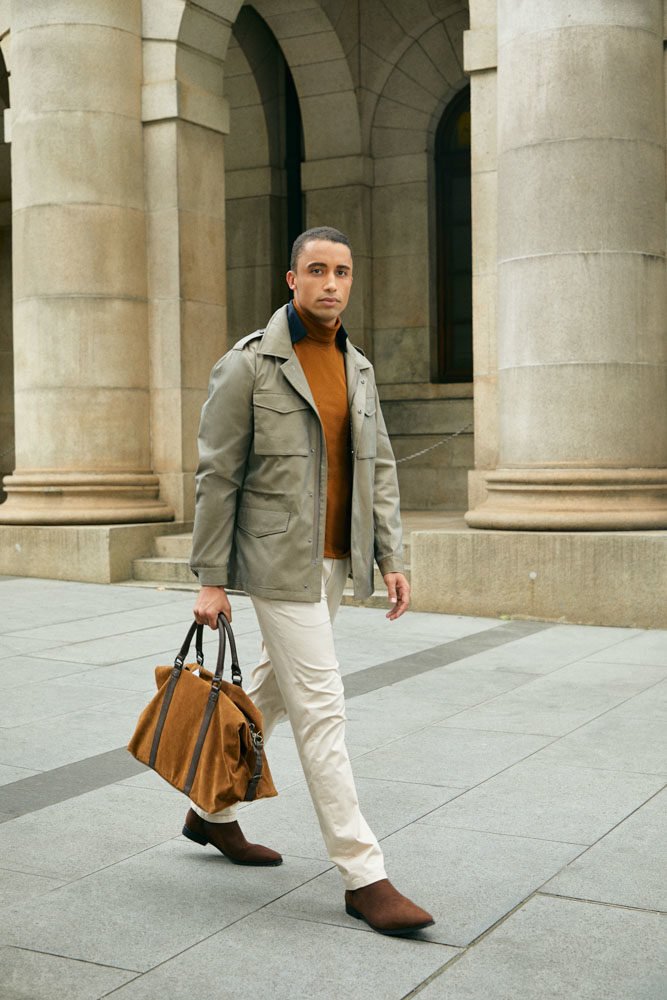
The easiest way to understand casual wear is through three questions:
- Is it comfortable?
- Does it look clean and intentional?
- Is it suitable for the occasion?
When the answer to all three is yes, the outfit usually works as casual wear.
For a broader explanation of different dress codes, see the Emily Post Attire Guide.
What Makes Clothing Casual
A garment is usually considered casual when it combines comfort, simple construction, and everyday practicality.
Comfortable Fit
Casual clothing should allow easy movement. Common fits include:
- Regular fit
- Relaxed fit
- Straight fit
- Loose fit
- Oversized fit
Casual clothing does not have to be loose. A fitted T-shirt or slim pair of jeans can still be casual.
Relaxed Construction
Casual garments normally use less structure than formal clothing.
For example:
| Formal Item | Casual Alternative |
|---|---|
| Suit jacket | Bomber jacket or overshirt |
| Dress trousers | Chinos or jeans |
| Formal shirt | Polo or Oxford shirt |
| Dress shoes | Sneakers or loafers |
| Tailored coat | Denim or utility jacket |
Easy Everyday Use
Good casual wear should be easy to style, wash, store, and wear repeatedly.
This is especially important because casual clothing is often worn more frequently than formal clothing.
Common Casual Wear Examples
Casual wear covers many product categories.
| Category | Common Examples |
|---|---|
| Tops | T-shirts, polos, Henleys, casual shirts |
| Layers | Hoodies, sweatshirts, cardigans, sweaters |
| Bottoms | Jeans, chinos, joggers, casual shorts |
| Outerwear | Denim jackets, bombers, overshirts |
| Dresses | T-shirt dresses, knit dresses, sundresses |
| Footwear | Sneakers, loafers, sandals, casual boots |
T-shirts and hoodies are two of the most common casualwear products because they are comfortable, easy to customize, and suitable for different age groups.
Brands can explore more product categories through the Custom Clothing Products Catalog, including Custom T-Shirts and Custom Hoodies.
Casual Wear vs Other Dress Codes
Casual wear is more relaxed than smart casual, business casual, and formal clothing.
| Dress Code | Typical Outfit | Common Occasion |
|---|---|---|
| Casual | T-shirt, jeans, sneakers | Errands, weekends, travel |
| Smart Casual | Polo, chinos, clean sneakers | Dinner, dates, social events |
| Business Casual | Shirt, tailored pants, loafers | Offices and meetings |
| Formal | Suit, formal dress, dress shoes | Weddings and ceremonies |
Casual vs Smart Casual
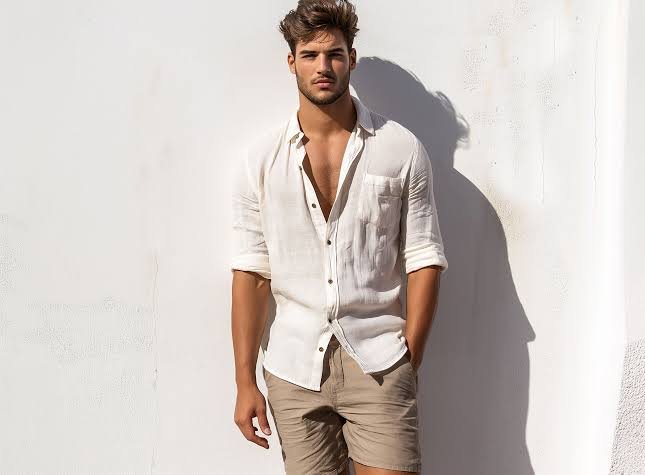
Smart casual is cleaner and slightly more polished.
Casual example:
Graphic T-shirt, relaxed jeans, and sneakers.
Smart-casual example:
Plain polo shirt, chinos, and clean leather sneakers.
Casual vs Business Casual
Business casual is intended for professional settings. It usually includes more structured garments and fewer sportswear details.
When you are unsure about a dress code, choose the cleaner and more polished option.
The Three Levels of Casual Wear
I find it helpful to divide casual wear into three simple levels.
Level 1: Relaxed Casual
Best for home, errands, travel, and informal weekends.
Examples:
- T-shirt
- Hoodie
- Joggers
- Shorts
- Everyday sneakers
Level 2: Polished Casual
Best for lunches, shopping, dates, and casual social events.
Examples:
- Polo shirt
- Dark jeans
- Chinos
- Knit sweater
- Clean sneakers
Level 3: Smart Casual
Best for restaurants, informal meetings, and workplaces with relaxed dress codes.
Examples:
- Oxford shirt
- Tailored chinos
- Unstructured jacket
- Loafers
- Minimal leather sneakers
The more important the occasion, the more structured your casual outfit should be.
What to Wear for Different Situations
| Situation | Recommended Outfit |
|---|---|
| Running errands | T-shirt, jeans, comfortable sneakers |
| Traveling | Hoodie, relaxed pants, supportive shoes |
| Weekend lunch | Polo, chinos, clean sneakers |
| Dinner with friends | Knit top, dark jeans, casual jacket |
| Casual office | Oxford shirt, chinos, loafers |
| Outdoor event | Breathable top, shorts, light jacket |
| Casual date | Plain shirt, dark jeans, simple footwear |
When Should You Avoid Very Casual Clothing?
Very casual items may not be suitable for:
- Formal weddings
- Important business meetings
- Ceremonies
- Luxury restaurants with dress codes
- Traditional professional offices
A good rule is to consider the location, purpose, and people attending before choosing your outfit.
Best Fabrics for Casual Wear
Fabric determines how casual clothing feels, fits, washes, and lasts.
| Fabric | Main Benefit | Best Used For |
|---|---|---|
| Cotton | Soft and breathable | T-shirts and casual tops |
| Cotton Blend | Stable and easy to maintain | Everyday basics |
| French Terry | Comfortable and medium-weight | Hoodies and sweatshirts |
| Fleece | Warm and soft | Winter casualwear |
| Denim | Durable and versatile | Jeans and jackets |
| Linen | Lightweight and breathable | Summer shirts and pants |
| Cotton Twill | Structured but comfortable | Chinos and overshirts |
| Polyester Blend | Durable and quick-drying | Travel and lifestyle wear |
From my manufacturing experience, fabric should be selected according to the product rather than price alone.
For example:
- Choose cotton jersey for comfortable T-shirts.
- Choose French terry for breathable hoodies.
- Choose brushed fleece for warmer sweatshirts.
- Choose twill for structured casual pants.
- Choose linen for lightweight summer styles.
Brands that need specific weights, textures, finishes, or performance features can learn more through Custom Fabric Development.
How to Choose the Right Casual Clothes
Use this simple checklist before buying or developing casual clothing.
Check the Fit
The garment should match its intended silhouette.
Ask:
- Do the shoulders sit correctly?
- Is the length balanced?
- Is there enough room to move?
- Does the loose fit look intentional?
- Are the sleeves and pants the right length?
Check the Fabric
Look for:
- Comfortable hand feel
- Suitable thickness
- Good breathability
- Reasonable stretch
- Low transparency
- Stable shape after washing
Check the Construction
Inspect:
- Seams
- Hems
- Necklines
- Zippers
- Pockets
- Buttons
- Stitching consistency
Check the Care Instructions
Casual clothing is worn frequently, so it should be reasonably easy to maintain.
Brands selling apparel in the United States can review the FTC Care Labeling Guide when preparing garment care instructions.
Casual Wear Advice for Clothing Brands
Casualwear is a large category, but a new brand does not need to launch everything at once.
From my experience, a focused first collection is usually easier to test and manage.
A practical starting range might include:
- One core T-shirt
- One hoodie or sweatshirt
- One casual bottom
- Two or three colors
- One clear fit direction
Before making samples, define the following:
| Decision | What to Confirm |
|---|---|
| Customer | Age, lifestyle, market, budget |
| Product | T-shirt, hoodie, shirt, pants, or set |
| Fit | Slim, regular, relaxed, or oversized |
| Fabric | Composition, weight, stretch, finish |
| Branding | Print, embroidery, labels, packaging |
| Quality | Measurements, stitching, shrinkage, color |
Brands with completed designs can consider OEM and ODM Manufacturing Services.
Brands that also need custom labels, trims, packaging, and brand presentation can explore Private Label Clothing Manufacturing.
Before bulk production, always approve a physical sample and use it as the main production reference. Measurements, materials, construction, color, and finishing should then be monitored through structured Quality Control Services.
FAQ
Is a T-shirt casual wear?
Yes. T-shirts are among the most common casual garments. Plain T-shirts usually look more polished than large graphic styles.
Are jeans considered casual?
Yes. Most jeans are casual. Clean, dark jeans can also work in some smart-casual situations.
Are hoodies casual wear?
Yes. Hoodies are casual because they have a relaxed structure and are designed for comfort and layering.
Can casual wear look professional?
Yes, but it should be polished. A polo shirt, chinos, and clean shoes can work in many relaxed professional environments.
Can casual wear be stylish?
Yes. Fit, fabric, proportion, color, and footwear can make a simple casual outfit look stylish.
What is the difference between casual and sloppy?
Casual clothing is relaxed but intentional. Sloppy clothing may be dirty, damaged, badly fitted, or unsuitable for the occasion.
What are the best colors for casual wear?
Neutral colors such as black, white, navy, gray, beige, and olive are easy to combine. Brighter colors can be added as accents.
What casual products should a new clothing brand start with?
T-shirts, hoodies, sweatshirts, and simple casual pants are practical starting products because they are familiar and easy for customers to style.
Conclusion
Casual wear is comfortable, practical clothing made for everyday activities.
The best casual clothing combines:
- Comfortable fit
- Suitable fabric
- Simple styling
- Reliable construction
- An appearance that matches the occasion
For consumers, choosing casual wear is mainly about comfort and context.
For brands, successful casualwear begins with a clear customer, focused product range, suitable fabric, approved samples, and consistent quality control.
Bless Clothing supports casualwear brands with product development, fabric sourcing, sampling, private labeling, bulk manufacturing, and quality inspection.