
If you're building a clothing brand, you've probably come across the term cut and sew manufacturing.
Many new brand owners assume it simply means sewing garments together. In reality, cut and sew manufacturing is a complete production method where garments are created from raw fabric instead of using pre-made blanks.
After working with fashion startups and established brands for years, I've found that cut and sew manufacturing is the preferred choice for brands that want complete creative control, premium quality, and unique products.
In this guide, I'll explain exactly what cut and sew clothing manufacturing is, how it works, when you should use it, and whether it's the right choice for your apparel brand.
Table of Contents
- Quick Answer
- What Does Cut and Sew Mean?
- How Cut and Sew Manufacturing Works
- Step 1: Product Development
- Step 2: Pattern Making
- Step 3: Fabric Sourcing
- Step 4: Cutting & Sewing
- Step 5: Decoration & Branding
- Step 6: Quality Inspection
- Cut and Sew vs Blank Apparel
- Advantages and Disadvantages
- Who Should Choose Cut and Sew?
- How Bless Clothing Supports Cut and Sew Projects
- FAQs
- Final Thoughts
Quick Answer
Cut and sew clothing manufacturing is a production method where garments are made entirely from raw fabric based on your custom specifications.
Unlike decorating ready-made blank garments, cut and sew allows you to customize nearly every aspect of a product, including:
- Fabric
- Fit
- Pattern
- Construction
- Stitching
- Labels
- Branding
- Packaging
Cut and sew offers maximum customization and is ideal for brands that want truly original apparel.
What Does Cut and Sew Mean?
The phrase cut and sew describes a manufacturing process where every garment starts with fabric rolls instead of pre-made garments.
The factory first:
- Creates production patterns
- Cuts fabric into individual panels
- Sews the panels together
- Adds branding and finishing
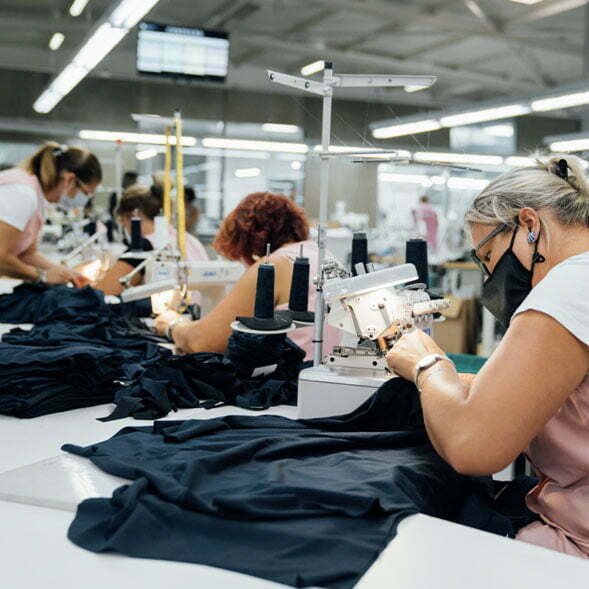
Every detail can be customized.
How Cut and Sew Manufacturing Works
A professional cut and sew workflow typically follows these stages:
- Product development
- Pattern making
- Fabric sourcing
- Sample production
- Fabric cutting
- Sewing
- Decoration
- Quality inspection
- Packaging
- Shipping
Each stage contributes to the final garment quality.
Step 1: Product Development
Everything begins with a detailed product specification.
This usually includes:
- Garment style
- Fabric composition
- GSM
- Color palette
- Measurements
- Construction details
- Logo placement
Proper planning minimizes production errors.
Step 2: Pattern Making
Professional pattern makers convert your design into production-ready templates.
Pattern development controls:
- Fit
- Size grading
- Sleeve shape
- Neckline
- Pocket placement
Good patterns create better-fitting garments.
Step 3: Fabric Sourcing
Instead of choosing ready-made blanks, brands select fabrics specifically for their products.
Popular options include:
| Fabric | Best For |
|---|---|
| Cotton Jersey | T-shirts |
| French Terry | Sweatshirts |
| Cotton Fleece | Hoodies |
| Heavyweight Cotton | Premium streetwear |
| Organic Cotton | Sustainable collections |
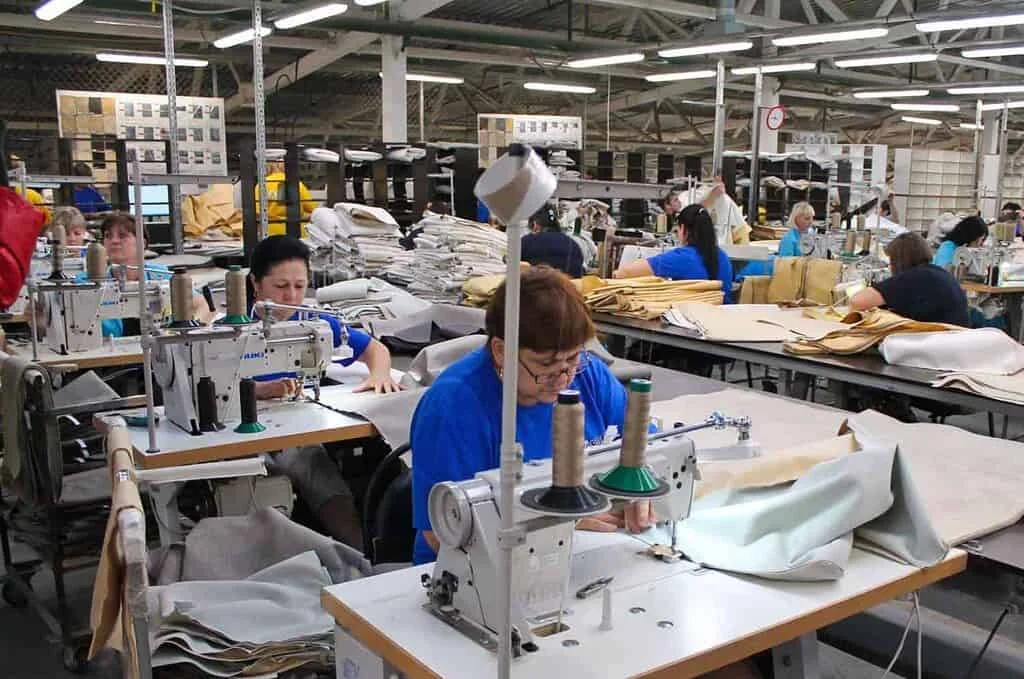
Helpful resource:
Step 4: Cutting & Sewing
Once fabrics arrive, production begins.
Cutting
Factories use:
- Automatic cutting machines
- CNC cutting systems
- Manual cutting for specialty products
Sewing
Typical operations include:
- Panel assembly
- Sleeve attachment
- Collar construction
- Rib attachment
- Hem finishing
Accurate sewing improves durability and consistency.
Step 5: Decoration & Branding
Brand identity is added after garment construction.
Popular decoration methods include:
Printing
- Screen printing
- Puff printing
- DTG printing
- Silicone printing
Embroidery
- Flat embroidery
- 3D embroidery
- Patch embroidery
Additional branding:
- Woven labels
- Neck labels
- Hang tags
- Custom packaging
Step 6: Quality Inspection
Every garment should undergo strict inspection before shipment.
Professional inspections include:
- Fabric inspection
- Measurement verification
- Stitch inspection
- Logo accuracy
- Needle detection
- Final packaging inspection
Recommended resource:
Cut and Sew vs Blank Apparel
| Feature | Cut & Sew | Blank Apparel |
|---|---|---|
| Fabric Choice | Fully Custom | Fixed |
| Fit | Custom | Standard |
| Pattern | Custom | Pre-made |
| MOQ | Higher | Lower |
| Brand Identity | Strong | Limited |
| Development Time | Longer | Faster |
Key Insight
Blank apparel is faster, while cut and sew offers significantly greater flexibility and originality.
Advantages and Disadvantages
Advantages
- Complete design freedom
- Better product differentiation
- Premium brand positioning
- Higher perceived value
- Better long-term scalability
Disadvantages
- Higher development costs
- Longer lead times
- More sampling required
- Higher MOQ in some cases
Who Should Choose Cut and Sew?
Cut and sew manufacturing is ideal for:
- Premium fashion brands
- Streetwear labels
- Luxury apparel companies
- Established brands
- Growing startups with unique designs
It may not be the best choice for brands looking for the fastest or lowest-cost production.
How Bless Clothing Supports Cut and Sew Projects
At Bless Clothing, we specialize in custom cut and sew manufacturing for apparel brands worldwide.
Our Services
- Product development
- Pattern making
- Fabric sourcing
- Sample production
- Private label manufacturing
- Bulk production
- Quality inspection
- Global shipping
Helpful Resources
- Private Label Clothing Manufacturer
- OEM & ODM Services
- Custom Fabric Solutions
- Quality Control Services
Industry Resource
We help brands transform original concepts into premium cut and sew apparel with scalable production and consistent quality.
FAQs
What is cut and sew manufacturing?
It is a production process where garments are made from raw fabric rather than pre-made blanks.
Is cut and sew better than blank apparel?
It depends on your goals. Cut and sew offers more customization, while blanks offer faster and cheaper production.
Is cut and sew more expensive?
Yes. It requires additional development, sampling, and production processes.
Can startups use cut and sew manufacturing?
Yes, especially if they want to build a unique brand and have the budget for product development.
Why do premium brands prefer cut and sew?
Because it provides complete control over fabric, fit, construction, and overall product quality.
Final Thoughts
Cut and sew clothing manufacturing gives brands complete creative freedom.
Although it requires more planning and investment, it allows you to build products that truly represent your brand.
The biggest advantages include:
- Custom fabrics
- Unique patterns
- Better fit
- Premium construction
- Stronger brand identity
If your goal is long-term brand differentiation, cut and sew manufacturing is one of the best investments you can make.
To learn more about professional apparel manufacturing, visit Bless Clothing and discover how we help brands create high-quality custom garments from concept to production.