
If you've been researching premium T-shirts, hoodies, or streetwear, you've probably come across the term heavyweight cotton. Many leading fashion brands promote heavyweight fabrics because they offer a more premium feel, improved durability, and better structure than lightweight alternatives.
But what exactly is heavyweight cotton, and is it always the best choice?
From my experience working with clothing brands and apparel manufacturers, heavyweight cotton has become one of the most requested materials for modern streetwear. However, choosing the right fabric isn't just about selecting the heaviest option—it requires balancing weight, comfort, durability, and your target customer's needs.
In this guide, I'll explain what heavyweight cotton is, how it's measured, its advantages and disadvantages, and how to determine whether it's the right fabric for your apparel collection.
Table of Contents
- Quick Answer
- What Is Heavyweight Cotton?
- How Is Heavyweight Cotton Measured?
- Heavyweight vs Lightweight Cotton
- Advantages of Heavyweight Cotton
- Disadvantages of Heavyweight Cotton
- What Products Use Heavyweight Cotton?
- How to Choose the Right Cotton Weight
- Common Mistakes When Selecting Heavyweight Fabrics
- How Bless Clothing Helps Source Premium Cotton
- FAQs
- Final Thoughts
Quick Answer
Heavyweight cotton is cotton fabric with a higher fabric weight, typically measuring 240 GSM or above for T-shirts and 350–500 GSM for hoodies and sweatshirts.
Compared with lightweight cotton, heavyweight cotton offers:
- Better durability
- More structured fit
- Premium appearance
- Greater warmth
- Longer lifespan
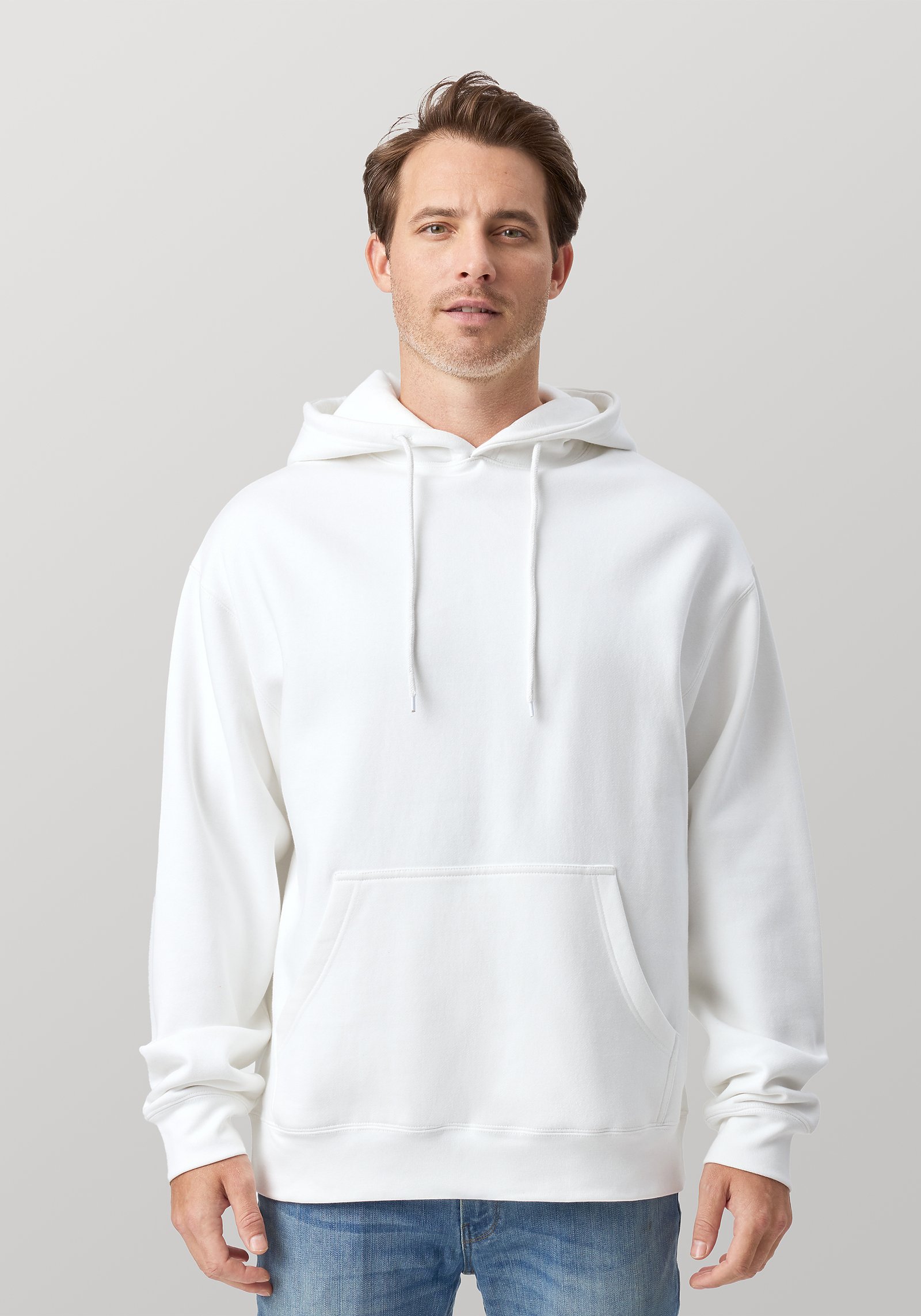
It has become a preferred fabric for premium streetwear and high-quality casual apparel.
What Is Heavyweight Cotton?
Heavyweight cotton refers to cotton fabric that contains more material per square meter than standard cotton fabrics.
Unlike lightweight cotton, heavyweight cotton feels:
- Thicker
- Denser
- More structured
- More substantial
The increased fabric weight gives garments a premium appearance while improving durability and shape retention.
Heavyweight cotton is commonly made from:
- 100% combed cotton
- Ring-spun cotton
- Organic cotton
- Cotton fleece
The exact fiber composition depends on the intended product.
How Is Heavyweight Cotton Measured?
Fabric weight is measured using GSM (Grams per Square Meter).
Higher GSM indicates heavier fabric—not necessarily higher quality.
| Fabric Weight | Typical GSM |
|---|---|
| Lightweight Cotton | 120–180 GSM |
| Midweight Cotton | 180–240 GSM |
| Heavyweight Cotton | 240–320 GSM |
| Premium Heavyweight Cotton | 320–500 GSM |
For hoodies and sweatshirts, premium streetwear brands often choose fabrics between 380 and 450 GSM.
Heavyweight vs Lightweight Cotton
| Feature | Heavyweight Cotton | Lightweight Cotton |
|---|---|---|
| Thickness | High | Low |
| Warmth | Excellent | Moderate |
| Durability | Excellent | Good |
| Structure | Excellent | Soft |
| Breathability | Moderate | Excellent |
| Premium Feel | Excellent | Good |
| Best Season | Autumn & Winter | Spring & Summer |
Neither option is universally better. The right choice depends on the garment's purpose and target customer.
Advantages of Heavyweight Cotton
Premium Appearance
Heavier fabrics naturally create a more structured silhouette, making garments look higher-end.
This is especially popular in oversized streetwear collections.
Better Durability
Heavyweight cotton generally withstands repeated washing better than lightweight fabrics.
It is less likely to become thin over time when manufactured with quality yarn.
Improved Shape Retention
Premium heavyweight fabrics maintain their shape better, helping garments resist stretching and deformation.
Better Warmth
The increased fabric density provides improved insulation, making heavyweight cotton ideal for colder seasons.
Excellent Printing and Embroidery Performance
Heavyweight cotton works well with:
- Screen printing
- Puff printing
- DTG printing
- Embroidery

Its stable surface helps create cleaner customization results.
Helpful resource:
Disadvantages of Heavyweight Cotton
Although heavyweight cotton has many advantages, it isn't suitable for every project.
Potential drawbacks include:
- Higher production cost
- Increased garment weight
- Reduced breathability
- Longer drying time after washing
For hot climates, lightweight fabrics may provide a better wearing experience.
What Products Use Heavyweight Cotton?
Heavyweight cotton is commonly used for:
- Premium T-shirts
- Oversized T-shirts
- Hoodies
- Sweatshirts
- Joggers
- Streetwear collections
Luxury casualwear brands often use heavyweight cotton to communicate quality through the feel of the garment.
How to Choose the Right Cotton Weight
The ideal fabric depends on your product goals.
Choose Heavyweight Cotton If You Need
- Premium streetwear
- Structured oversized garments
- Winter collections
- Luxury casualwear
Choose Midweight Cotton If You Need
- Everyday basics
- General retail apparel
- All-season products
Choose Lightweight Cotton If You Need
- Summer collections
- Sportswear
- Hot climate apparel
The best fabric is the one that matches your customer's expectations—not necessarily the heaviest available.
Common Mistakes When Selecting Heavyweight Fabrics
Assuming Heavier Always Means Better
Fabric quality depends on:
- Fiber quality
- Yarn construction
- Knitting
- Dyeing
- Finishing
Weight alone does not determine premium quality.
Ignoring Product Purpose
A 450 GSM hoodie may feel luxurious, but a 450 GSM T-shirt could be too heavy for many customers.
Always consider the intended use.
Skipping Fabric Testing
Before bulk production, evaluate:
- Shrinkage
- Color fastness
- Pilling resistance
- Hand feel
- Stitch compatibility
Recommended resource:
How Bless Clothing Helps Source Premium Cotton
At Bless Clothing, we help brands choose heavyweight cotton fabrics that match their product positioning and manufacturing goals.
Our services include:
- Fabric sourcing
- GSM recommendations
- Sample development
- Pattern making
- Private label manufacturing
- Printing and embroidery
- Quality inspection
- Bulk production
Helpful Resources:
- Custom Fabric Solutions
- Private Label Clothing Manufacturer
- OEM & ODM Services
- Quality Control Services
Industry Reference:
We work with clothing brands around the world to develop premium garments using carefully selected heavyweight cotton fabrics.
FAQs
What GSM is considered heavyweight cotton?
For T-shirts, heavyweight cotton typically starts around 240 GSM. For hoodies and sweatshirts, premium heavyweight fabrics usually range from 350 to 500 GSM.
Is heavyweight cotton better?
It depends on the application. Heavyweight cotton offers better durability and structure, while lightweight cotton provides greater breathability.
Does heavyweight cotton shrink?
Like most cotton fabrics, it can shrink if not properly pre-shrunk or cared for. High-quality manufacturing helps minimize shrinkage.
Why do streetwear brands use heavyweight cotton?
It creates a structured fit, premium appearance, and durable garment that aligns with luxury streetwear trends.
Is heavyweight cotton more expensive?
Generally yes. It uses more material and often requires higher-quality yarn and finishing processes, increasing production costs.
Final Thoughts
Heavyweight cotton has become one of the most popular materials for premium apparel because it combines durability, structure, and a luxurious feel.
However, the best fabric isn't simply the heaviest one—it's the one that suits your product, customers, and brand positioning.
By selecting the right GSM, fiber quality, and manufacturing process, clothing brands can create garments that deliver lasting value and customer satisfaction.
If you're developing premium cotton apparel, visit Bless Clothing to learn how we help brands source high-quality fabrics and manufacture custom garments from concept to bulk production.