
Private label casual wear is everyday clothing produced by a manufacturer and sold under another company’s brand name.
The products may include T-shirts, hoodies, sweatshirts, casual pants, shirts, loungewear, and jackets. Depending on the manufacturer, a brand may customize the fabric, fit, colors, labels, printing, embroidery, trims, and packaging.
From my experience working with apparel brands, private label is often misunderstood. It is not always a ready-made garment with a different neck label, and it does not always require developing every detail from zero.
Private label casual wear is a production model in which a manufacturer makes casual clothing according to agreed product and branding requirements, while the finished garments are sold under the buyer’s brand.
This guide explains how private label production works, what can be customized, and when it is the right choice for your clothing business.
Table of Contents
- Quick Answer
- How Private Label Casual Wear Works
- The Four Levels of Private Label Production
- Private Label vs Other Production Models
- What Can Be Customized
- Best Products for Private Label Casualwear
- Private Label Production Process
- Costs and MOQ
- Who Should Choose Private Label
- How to Choose a Manufacturer
- Common Private Label Mistakes
- Labeling and Brand Protection
- FAQ
- Conclusion
Quick Answer
Private label casual wear allows a business to sell clothing under its own brand without managing the entire manufacturing process itself.
The manufacturer may handle:
- Product development
- Pattern making
- Fabric sourcing
- Sample production
- Printing and embroidery
- Custom labels
- Bulk manufacturing
- Quality inspection
- Packaging
- Shipping coordination
Private label is usually suitable for brands that want more control than wholesale blanks provide but do not want to build their own factory or supply chain.
| Your Priority | Suitable Option |
|---|---|
| Fast logo merchandise | Wholesale blanks |
| Branded products with moderate customization | Private label |
| Completely original technical design | OEM |
| Product development support from an idea | ODM |
| Your own labels, packaging, and product standards | Private label |
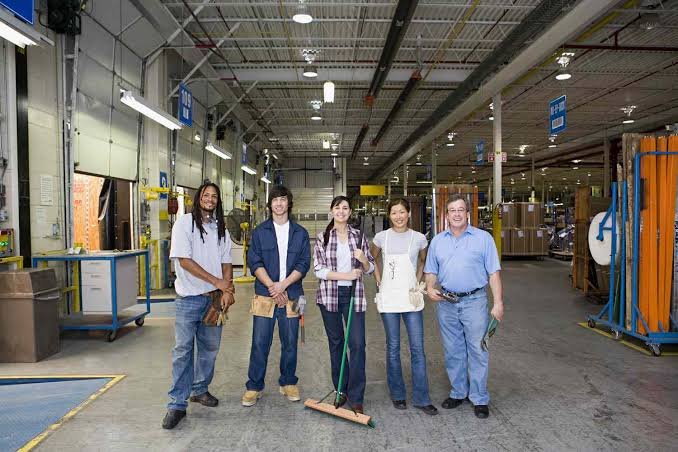
Brands can explore the complete service through Private Label Clothing Manufacturing.
How Private Label Casual Wear Works
The brand owns the customer-facing identity, while the manufacturer manages the agreed production work.
The Brand Usually Controls
- Brand name
- Target customer
- Product direction
- Retail price
- Logo and visual identity
- Sales channels
- Marketing
- Customer service
The Manufacturer Usually Handles
- Material sourcing
- Pattern or product preparation
- Sampling
- Cutting and sewing
- Decoration
- Quality control
- Garment finishing
- Packing
The exact responsibilities depend on the supplier and production agreement.
Some manufacturers offer only existing garments with custom labels. Others can develop new fabrics, patterns, measurements, trims, and packaging.
That is why brands should ask what “private label” means before comparing prices.
The Four Levels of Private Label Production
I find it useful to divide private label production into four levels.
Level 1: Branded Ready-Made Products
The product already exists. The brand adds simple decoration or packaging.
Possible changes include:
- Printed logo
- Embroidery
- Hang tag
- Packaging sticker
This is the fastest option, but product differentiation is limited.
Level 2: Existing Product With Custom Branding
The manufacturer uses an established garment base but adds the brand’s identity.
Possible changes include:
- Main label
- Care label
- Size label
- Printing
- Embroidery
- Custom packaging
This works well for simple first collections.
Level 3: Semi-Custom Private Label
The brand starts with an existing product base but changes selected product details.
Possible changes include:
- Fabric weight
- Colors
- Garment length
- Fit adjustments
- Pocket details
- Rib or trim selection
- Wash finish
This provides more product identity without developing everything from zero.
Level 4: Fully Developed Private Label
The garment is created around the brand’s requirements and sold only under that brand.
It may include:
- Custom pattern
- Original measurements
- Exclusive fabric
- Custom construction
- Brand-specific trims
- Full packaging system
This level is close to full OEM production and normally requires more development, sampling, time, and investment.
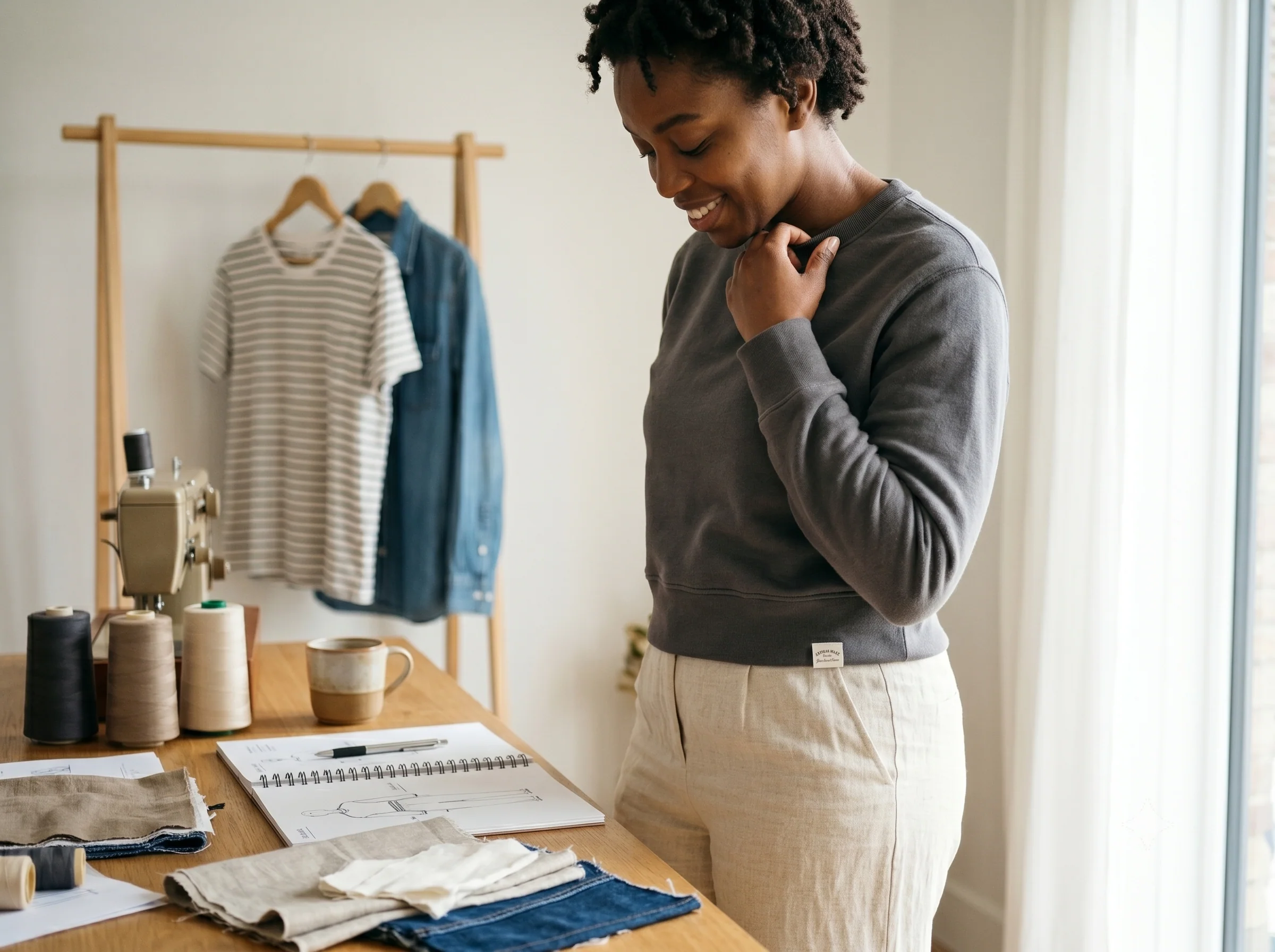
Before requesting a quotation, identify which private label level you actually need.
Private Label vs Other Production Models
| Factor | Wholesale Blanks | Private Label | OEM | ODM |
|---|---|---|---|---|
| Base Product | Already produced | Existing or customized | Based on brand design | Developed with supplier support |
| Branding | Basic | Extensive | Extensive | Extensive |
| Custom Fit | Usually unavailable | Sometimes available | Fully available | Available |
| Fabric Control | Very limited | Moderate to high | High | High |
| Development Time | Short | Short to medium | Medium to long | Medium to long |
| Product Uniqueness | Low | Medium to high | High | High |
| Best For | Events and merchandise | New and growing brands | Brands with tech packs | Brands with concepts |
Choose Wholesale Blanks When
- You need products quickly.
- Your main value is the graphic or logo.
- You are producing merchandise for an event.
- You do not need a unique fit.
Choose Private Label When
- You want your own labels and packaging.
- You need a branded collection.
- You want moderate product customization.
- You need a repeatable production system.
Choose OEM When
- You have complete technical designs.
- Fit and construction are important.
- You need full control over specifications.
Choose ODM When
- You have ideas but no complete tech pack.
- You need help with patterns, fabrics, or construction.
Brands can compare custom development options through OEM and ODM Manufacturing Services.
What Can Be Customized?
Customization depends on the manufacturer, order quantity, material availability, and budget.
| Product Area | Possible Customization |
|---|---|
| Fabric | Composition, weight, texture, stretch, finish |
| Fit | Slim, regular, relaxed, oversized |
| Color | Stock colors or custom-dyed colors |
| Construction | Seams, pockets, panels, hoods, waistbands |
| Decoration | Printing, embroidery, patches, appliqué |
| Labels | Main, size, care, heat-transfer labels |
| Trims | Zippers, buttons, snaps, cords, elastic |
| Packaging | Polybags, boxes, tissue, inserts, stickers |
Fabric Customization
Fabric affects comfort, durability, appearance, cost, and minimum quantity.
Brands can develop specific weights, textures, compositions, and finishes through Custom Fabric Development.
Use available fabric when:
- You are testing demand.
- You need a shorter timeline.
- Your order quantity is limited.
- An existing option meets the product requirements.
Consider custom fabric when:
- Material is a major selling point.
- You need a special weight or texture.
- You expect repeat production.
- Your order can meet the material minimum.
Labels and Trims
Private label components may include:
- Woven labels
- Printed care labels
- Heat-transfer labels
- Custom zippers
- Branded buttons
- Drawcords
- Patches
- Hang tags
You can review these options through Customized Accessories and Trims.
Best Products for Private Label Casualwear
Simple, repeatable casual products are often suitable for a first private label collection.
| Product | Why It Works |
|---|---|
| T-shirt | Familiar, versatile, easy to style |
| Hoodie | Strong branding space and repeat demand |
| Sweatshirt | Simple construction and broad appeal |
| Joggers | Suitable for matching sets |
| Casual Pants | Useful for complete outfits |
| Polo Shirt | Works for lifestyle and uniform markets |
| Loungewear | Comfort-focused and easy to coordinate |
| Pajamas | Clear customer use and collection potential |
Brands can compare categories through the Custom Clothing Products Catalog.
A Practical First Collection
Instead of launching many unrelated items, I normally recommend:
- One core T-shirt
- One hoodie or sweatshirt
- One matching bottom
- Two core colors
- One clear fit direction
This creates a coordinated collection and makes fabric, labels, photography, and inventory easier to manage.
Private Label Production Process
Step 1: Define the Brand Direction
Confirm:
- Target customer
- Product category
- Style direction
- Target price
- Sales market
- Required launch date
Step 2: Select or Develop Products
You may choose an existing product base or request a customized design.
Provide:
- Reference images
- Measurements
- Fabric preferences
- Colors
- Logo artwork
- Quantity
Step 3: Confirm Materials and Branding
Approve:
- Fabric
- Color
- Labels
- Printing or embroidery
- Trims
- Packaging
Step 4: Develop a Sample
The sample allows you to check:
- Fit
- Measurements
- Fabric
- Construction
- Comfort
- Branding
- Wash performance
Do not approve bulk production only from a digital mockup.
Step 5: Approve the Final Standard
The final sample and specification sheet should become the main bulk-production reference.
Step 6: Begin Bulk Production
The manufacturer prepares materials, cuts fabric, completes decoration, sews garments, and finishes the products.
Step 7: Inspect and Pack
Bulk goods should be checked for:
- Measurements
- Workmanship
- Fabric defects
- Branding
- Labels
- Quantity
- Packaging
A structured Quality Control Service helps compare bulk products with the approved standard.
Step 8: Ship the Order
The goods are packed and prepared for the selected freight method and destination.
Costs and MOQ
Private label costs depend on the product rather than the label alone.
Main Cost Factors
- Product category
- Fabric composition and weight
- Order quantity
- Number of colors
- Pattern changes
- Printing or embroidery
- Custom trims
- Packaging
- Sample revisions
- Inspection and shipping
What Affects MOQ?
MOQ means minimum order quantity.
A supplier may set separate minimums for:
- Garments
- Each color
- Custom fabric
- Labels
- Zippers
- Packaging
- Printing methods
For example, the garment manufacturer may accept your order quantity, but a custom-dyed fabric or branded zipper may require a larger minimum.
Lower-Risk Approach
Choose:
- Available fabrics
- Fewer colors
- Standard trims
- Simple packaging
- One decoration technique
- A focused product range
Higher-Customization Approach
Choose:
- Custom fabric
- Exclusive colors
- Original patterns
- Branded hardware
- Special washes
- Premium packaging
The second approach creates stronger differentiation but normally requires more time, investment, and production planning.
Who Should Choose Private Label?
Private Label Is Suitable When You
- Want to launch your own clothing brand.
- Need more identity than wholesale blanks provide.
- Do not own a factory.
- Want product development and manufacturing support.
- Need custom labels and packaging.
- Plan to reorder successful products.
- Want to scale gradually.
It May Not Be the Best Choice When You
- Need only a few garments.
- Require immediate delivery.
- Have no clear target customer.
- Have not prepared a production budget.
- Want completely unique construction but cannot allow development time.
- Are unwilling to test physical samples.
Decision Table
| Situation | Recommended Choice |
|---|---|
| First logo merchandise order | Wholesale blanks |
| Small branded collection | Private label |
| Signature custom-fit product | OEM |
| Product idea without technical documents | ODM |
| Established bestseller | Custom private label or OEM |
| Urgent event clothing | Ready-made products |
Choose private label when you want to build a branded product system, not only place a logo on clothing.
How to Choose a Manufacturer
Do not compare suppliers using unit price alone.
Check the following areas:
| Evaluation Area | What to Ask |
|---|---|
| Product Experience | Have you produced similar casualwear? |
| Customization | Which product details can be changed? |
| MOQ | Is it per style, color, fabric, or order? |
| Sampling | How are revisions and approvals managed? |
| Fabric | Are stock and custom options available? |
| Branding | Can labels, trims, and packaging be customized? |
| Quality Control | Which checks happen during production? |
| Communication | How are problems and delays reported? |
| Scalability | Can repeat orders remain consistent? |
Useful Supplier Scorecard
| Area | Maximum Score |
|---|---|
| Product Experience | 20 |
| Sample Quality | 20 |
| Fabric and Development Support | 15 |
| Quality Control | 15 |
| Communication | 10 |
| Pricing Transparency | 10 |
| Reorder Capability | 10 |
| Total | 100 |
A low price should not compensate for poor samples, unclear materials, or weak communication.
Common Private Label Mistakes
Treating Private Label as Logo Printing
Strong private label products also require suitable fabric, fit, construction, labels, and consistent sizing.
Starting With Too Many Styles
A large first collection increases sampling, inventory, photography, and marketing costs.
Start with a smaller, connected range.
Overcustomizing Before Testing Demand
Custom fabric and hardware can be useful, but they may create higher MOQs and longer lead times.
Use them when they support a clear product advantage.
Skipping the Sample Stage
A digital design cannot confirm:
- Fabric feel
- Fit
- Comfort
- Stitch quality
- Wash performance
- Trim function
Approving With Unresolved Comments
Do not approve a sample while expecting major fit, fabric, or construction problems to be corrected during bulk production.
Ignoring Packaging Until the End
Packaging should be planned before production finishes because it affects costs, packing work, and shipping.
Brands can explore options through Private Packaging Solutions.
Choosing a Supplier Only by MOQ
A very low MOQ is not helpful when the supplier cannot deliver consistent quality or repeat the product later.
Labeling and Brand Protection
Private label products must follow the requirements of the market where they are sold.
For clothing sold in the United States, brands should review the FTC Clothing and Textile Guidance.
Relevant garment information may include:
- Fiber content
- Country of origin
- Manufacturer or responsible business identity
- Care instructions
The FTC Care Labeling Guide explains care-instruction responsibilities for many clothing manufacturers and importers.
Before printing labels and packaging, also check whether your brand name could conflict with existing trademarks. U.S.-focused brands can begin research through the USPTO Trademark Search.
Market research should also be completed before choosing products and quantities. The SBA Market Research Guide provides a framework for reviewing customers and competitors.
These resources provide general information and do not replace professional legal advice.
FAQ
Is private label clothing already made?
Sometimes. Some private label programs use existing garments, while others allow fabrics, patterns, measurements, and construction to be developed for the brand.
Is private label the same as wholesale?
No. Wholesale usually means buying an existing finished product. Private label adds the buyer’s brand and may include product customization.
Is private label the same as OEM?
They can overlap. Private label describes clothing sold under your brand, while OEM usually describes manufacturing based on your design and specifications.
Can private label casual wear have custom sizing?
Yes, when the manufacturer supports pattern and measurement changes. Simple ready-made private label programs may offer only existing sizes.
Can I choose my own fabric?
Often, yes. You may select available fabrics or develop a custom fabric, depending on the supplier, quantity, budget, and timeline.
Do I need a clothing sample?
Yes. A physical sample helps confirm fit, fabric, construction, branding, and wash performance before bulk production.
Does private label clothing require an MOQ?
Usually, yes. The MOQ may apply to the style, color, fabric, trim, decoration, or total order.
Is private label suitable for startups?
It can be suitable because brands can choose a level of customization that matches their budget and experience. Start with a focused collection and test products before expanding.
Can private label products be reordered?
Yes, but materials, trims, specifications, and production records should be documented to maintain consistency.
How can I make private label clothing feel unique?
Focus on fit, fabric, colors, garment details, branding, packaging, and a consistent product direction rather than relying only on a logo.
Conclusion
Private label casual wear is clothing manufactured for sale under your own brand.
Depending on the production model, you may customize:
- Products
- Fabrics
- Fits
- Colors
- Decoration
- Labels
- Trims
- Packaging
Choose private label when you want more control and brand identity than ready-made clothing provides, but still need a manufacturing partner to manage development and production.
From my experience, the safest approach is to start with a focused collection, approve physical samples, confirm every cost and MOQ in writing, and inspect bulk goods before shipping.
Bless Clothing supports casualwear brands with private label development, custom fabrics, sampling, OEM and ODM manufacturing, quality control, packaging, and bulk production.