
One of the first questions every clothing brand asks when starting a production project is:
"What is the MOQ for custom clothing manufacturing?"
MOQ, or Minimum Order Quantity, directly impacts your budget, inventory risk, production costs, and growth strategy. Whether you're launching a startup clothing brand or scaling an established business, understanding MOQ is essential for making smart manufacturing decisions.
Having worked with apparel brands of all sizes, I've found that many people misunderstand MOQ. Some believe lower MOQs are always better, while others assume high MOQs guarantee lower costs. In reality, the ideal MOQ depends on your product type, manufacturing method, and business goals.
In this guide, I'll explain how MOQs work, what affects them, typical MOQ ranges, and how to choose the right manufacturing partner for your brand.
Table of Contents
- Quick Answer
- What Does MOQ Mean in Clothing Manufacturing?
- Why Do Manufacturers Have MOQs?
- Factors That Affect MOQ Requirements
- 1. Fabric Type
- 2. Customization Level
- 3. Garment Complexity
- 4. Production Method
- 5. Factory Size
- Typical MOQ Ranges for Custom Clothing
- Low MOQ vs High MOQ Comparison
- How Startups Should Approach MOQ
- How Bless Clothing Supports Flexible MOQs
- FAQs
- Final Thoughts
Quick Answer
The MOQ for custom clothing manufacturing typically ranges from:
| Manufacturer Type | Typical MOQ |
|---|---|
| Startup-Friendly Factory | 50–100 pcs |
| Mid-Size Factory | 100–300 pcs |
| Large Factory | 500+ pcs |
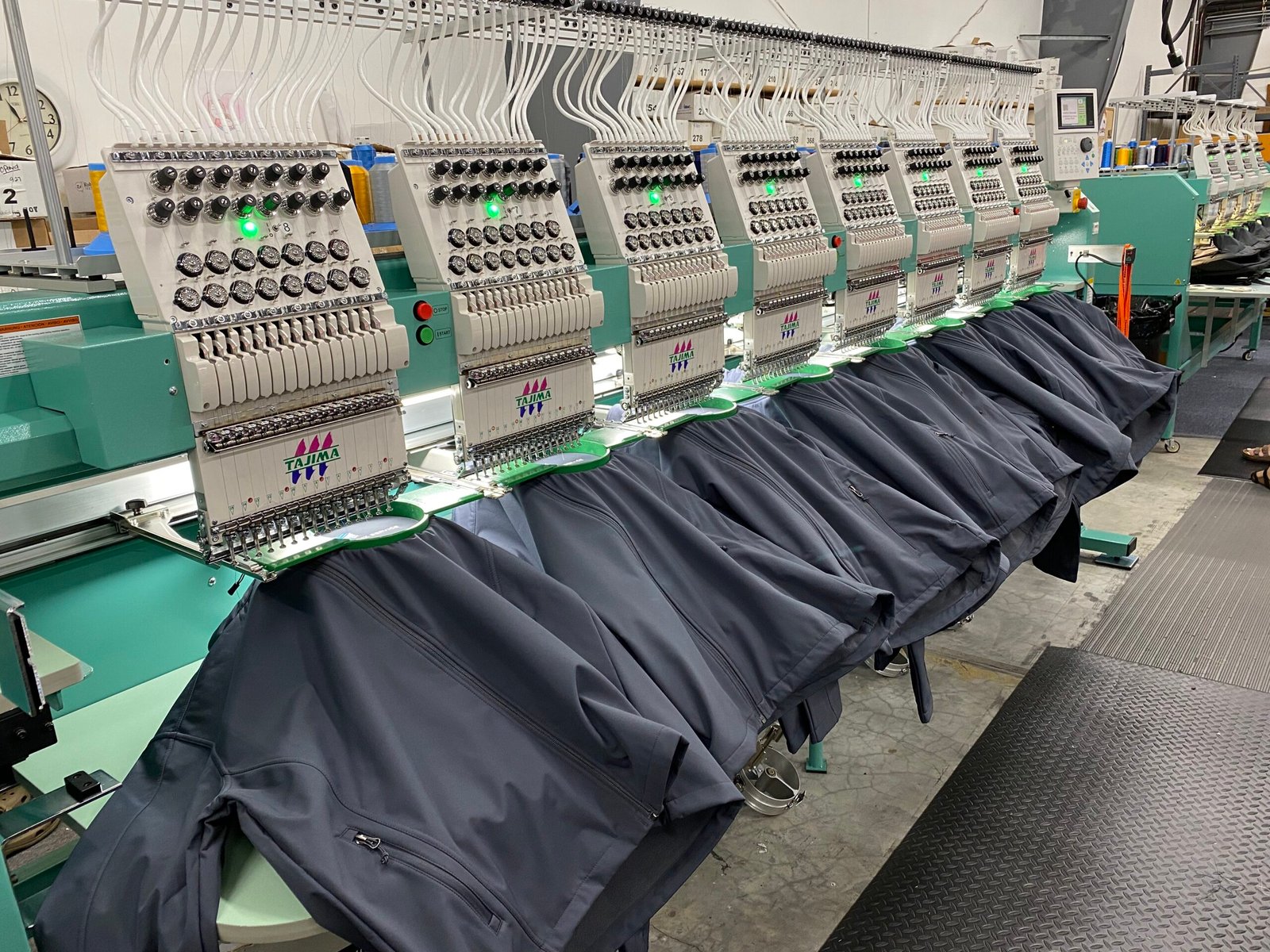
At Bless Clothing, many custom apparel projects start at 100 pieces per style, making production accessible for startups and growing brands.
However, the actual MOQ depends on factors such as fabric sourcing, customization requirements, and production complexity.
What Does MOQ Mean in Clothing Manufacturing?
MOQ stands for Minimum Order Quantity.
It represents the smallest number of units a manufacturer is willing to produce for a particular order.
Example
If a factory has an MOQ of 100 pieces:
- You must order at least 100 garments.
- Ordering fewer may not be economically feasible for the factory.
Why It Matters
MOQ affects:
- Production costs
- Inventory investment
- Cash flow
- Product testing opportunities
Understanding MOQ helps brands plan production more effectively.
Why Do Manufacturers Have MOQs?
Factories incur setup costs before production even begins.
Fixed Costs Include
- Pattern making
- Fabric sourcing
- Sample development
- Machine setup
- Production planning
Key Insight
MOQs exist because manufacturers need enough volume to make production efficient and profitable.
Without minimum quantities, production costs would often become unsustainable.
Factors That Affect MOQ Requirements
Not every clothing project has the same MOQ.
Several variables influence the minimum quantity required.
1. Fabric Type
Fabric sourcing is one of the biggest MOQ drivers.
Common Scenarios
| Fabric Type | Typical MOQ Impact |
|---|---|
| Stock Fabric | Lower MOQ |
| Custom Fabric | Higher MOQ |
| Specialty Fabric | Highest MOQ |
Example
Using stock cotton fabric may allow production at 100 pieces.
Developing a custom-dyed fabric could require several hundred pieces.
2. Customization Level
The more customization involved, the higher the MOQ may become.
Low Customization
- Basic logo printing
- Standard sizing
- Stock fabric
High Customization
- Custom fabric development
- Unique trims
- Special washes
- Complex branding
Comparison
| Customization Level | MOQ Impact |
|---|---|
| Low | Lower MOQ |
| Medium | Moderate MOQ |
| High | Higher MOQ |
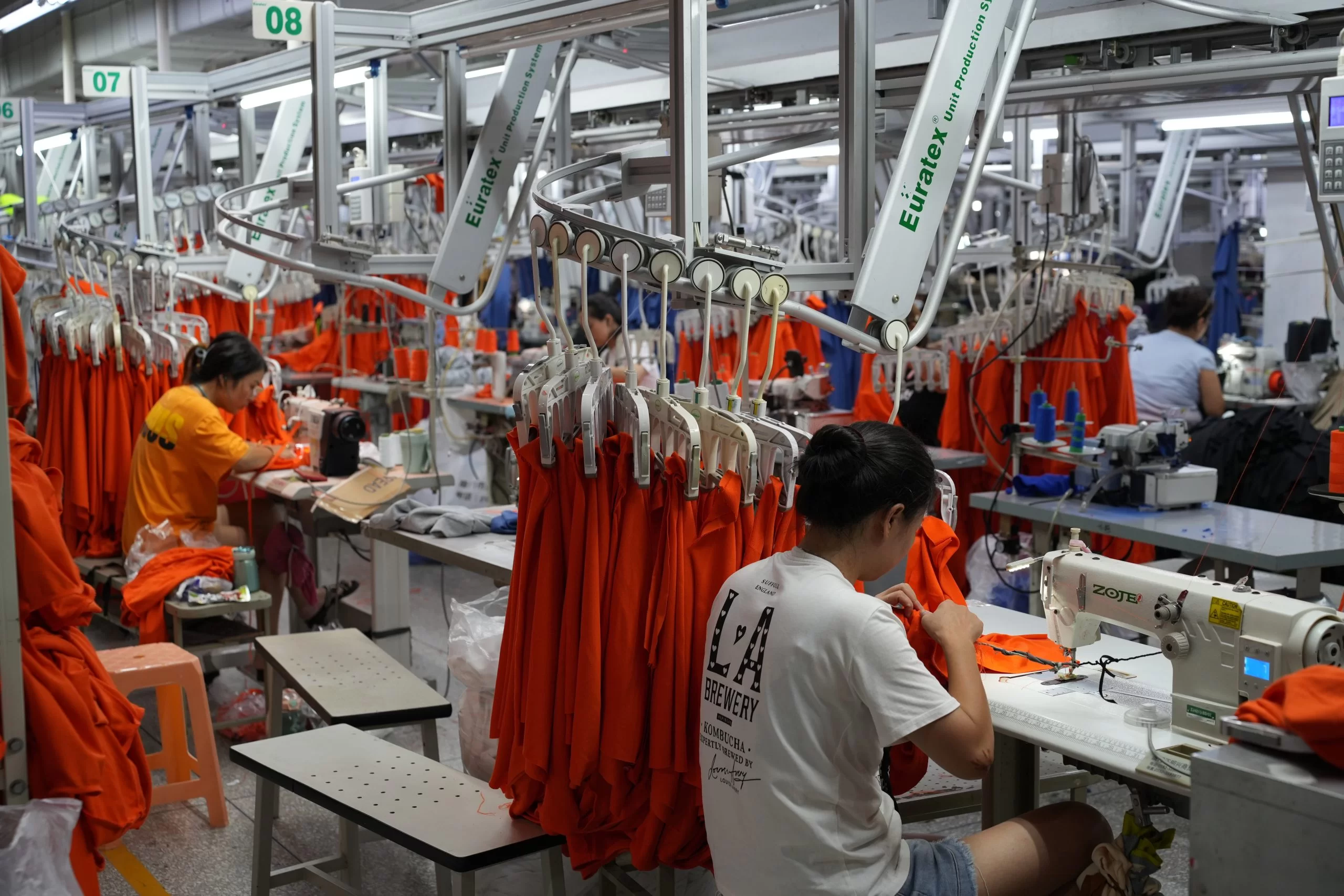
Customization increases production complexity.
3. Garment Complexity
Different products require different production resources.
Lower Complexity Products
- Basic T-shirts
- Simple hoodies
- Sweatshirts
Higher Complexity Products
- Jackets
- Technical outerwear
- Multi-panel garments
Example
A simple T-shirt may have a lower MOQ than a heavily detailed jacket.
4. Production Method
Manufacturing techniques can influence MOQ requirements.
Common Processes
- Screen printing
- Embroidery
- Sublimation
- Garment washing
Typical Impact
| Production Method | MOQ Influence |
|---|---|
| Basic Sewing | Low |
| Screen Printing | Moderate |
| Embroidery | Moderate |
| Specialty Washes | High |
Additional processes increase setup costs.
5. Factory Size
Factory size often determines MOQ flexibility.
Startup-Focused Factories
Benefits:
- Lower MOQ
- More flexibility
- Greater support
Large Factories
Benefits:
- Larger capacity
- Lower unit costs at scale
Challenges:
- Higher MOQs
- Less flexibility
Choosing the right factory size is important.
Typical MOQ Ranges for Custom Clothing
The following ranges are common throughout the apparel industry.
| Product Category | Typical MOQ |
|---|---|
| T-Shirts | 50–100 pcs |
| Hoodies | 100–200 pcs |
| Sweatshirts | 100–200 pcs |
| Joggers | 100–200 pcs |
| Jackets | 200–500 pcs |
| Activewear | 100–300 pcs |
Actual requirements vary by manufacturer.
Low MOQ vs High MOQ Comparison
| Factor | Low MOQ | High MOQ |
|---|---|---|
| Startup Friendly | ✓ | ✕ |
| Lower Inventory Risk | ✓ | ✕ |
| Lower Upfront Investment | ✓ | ✕ |
| Lower Unit Cost | ✕ | ✓ |
| Easier Product Testing | ✓ | ✕ |
| Better Scaling Efficiency | ✕ | ✓ |
Key Insight
Low MOQ reduces risk, while high MOQ often improves cost efficiency.
The right choice depends on your business stage.
How Startups Should Approach MOQ
Many startup brands worry about committing to large production quantities.
Recommended Approach
- Start with proven products.
- Use stock fabrics when possible.
- Focus on a limited number of SKUs.
- Test demand before scaling.
Example
Instead of launching 20 products at 50 pieces each, launch 5 products at stronger quantities.
This often improves inventory management and sales performance.
How Bless Clothing Supports Flexible MOQs
At Bless Clothing, we understand the challenges facing startup and growing apparel brands.
Our Services
- Low-risk production planning
- Flexible MOQ options
- Fabric sourcing
- Sampling services
- Product development
- Private labeling
- Bulk production
Helpful Resources
- Private Label Clothing Manufacturer
- OEM & ODM Services
- Custom Fabric Solutions
- Quality Control Services
Industry Resource
Our goal is to help brands balance production efficiency with manageable inventory risk.
FAQs
What is a typical MOQ for custom clothing?
Most custom clothing manufacturers require between 50 and 300 pieces depending on the product and customization level.
Why do factories require MOQs?
Factories have setup costs, material sourcing requirements, and production planning expenses that require minimum production volumes.
Can startups work with low MOQs?
Yes. Many startup-focused manufacturers offer MOQs between 50 and 100 pieces.
Does a higher MOQ mean better pricing?
Usually, yes. Higher quantities often reduce per-unit production costs.
How can I reduce MOQ requirements?
Using stock fabrics, simplifying designs, and limiting customization can often help lower MOQ requirements.
Final Thoughts
MOQ is one of the most important considerations in custom clothing manufacturing.
The ideal MOQ depends on:
- Product type
- Fabric selection
- Customization requirements
- Production methods
- Business goals
Rather than simply looking for the lowest MOQ, brands should focus on finding the right balance between cost efficiency and inventory risk.
If you're planning a custom clothing project, explore Bless Clothing to learn how our team helps brands develop high-quality apparel with flexible manufacturing solutions and scalable production support.