
Building a successful clothing brand is about much more than creating attractive products.
Every year, thousands of fashion brands enter the market. Some grow into recognizable businesses, while others disappear after only a few seasons.
After working with startup brands, private label businesses, and established apparel companies, I've noticed that successful clothing brands often share similar habits. They focus on long-term growth, create strong systems, and make decisions based on customer value rather than short-term trends.
In this guide, I'll explain what successful clothing brands do differently and how you can apply these strategies to strengthen your own fashion business.
Table of Contents
- Quick Answer
- What Makes a Clothing Brand Successful?
- Why Some Brands Outperform Competitors
- 1. They Build a Clear Brand Identity
- 2. They Understand Their Target Audience
- 3. They Focus on Product Quality
- 4. They Create Cohesive Product Collections
- 5. They Prioritize Customer Experience
- 6. They Develop Reliable Manufacturing Systems
- 7. They Use Data Instead of Guesswork
- 8. They Invest in Customer Retention
- 9. They Adapt to Market Changes
- 10. They Think Long Term
- How Bless Clothing Supports Successful Brands
- Successful Brands vs Average Brands
- FAQs
- Final Thoughts
Quick Answer
Successful clothing brands typically:
- Build a strong brand identity
- Understand their customers
- Maintain high product quality
- Create consistent customer experiences
- Develop reliable supply chains
- Focus on long-term growth
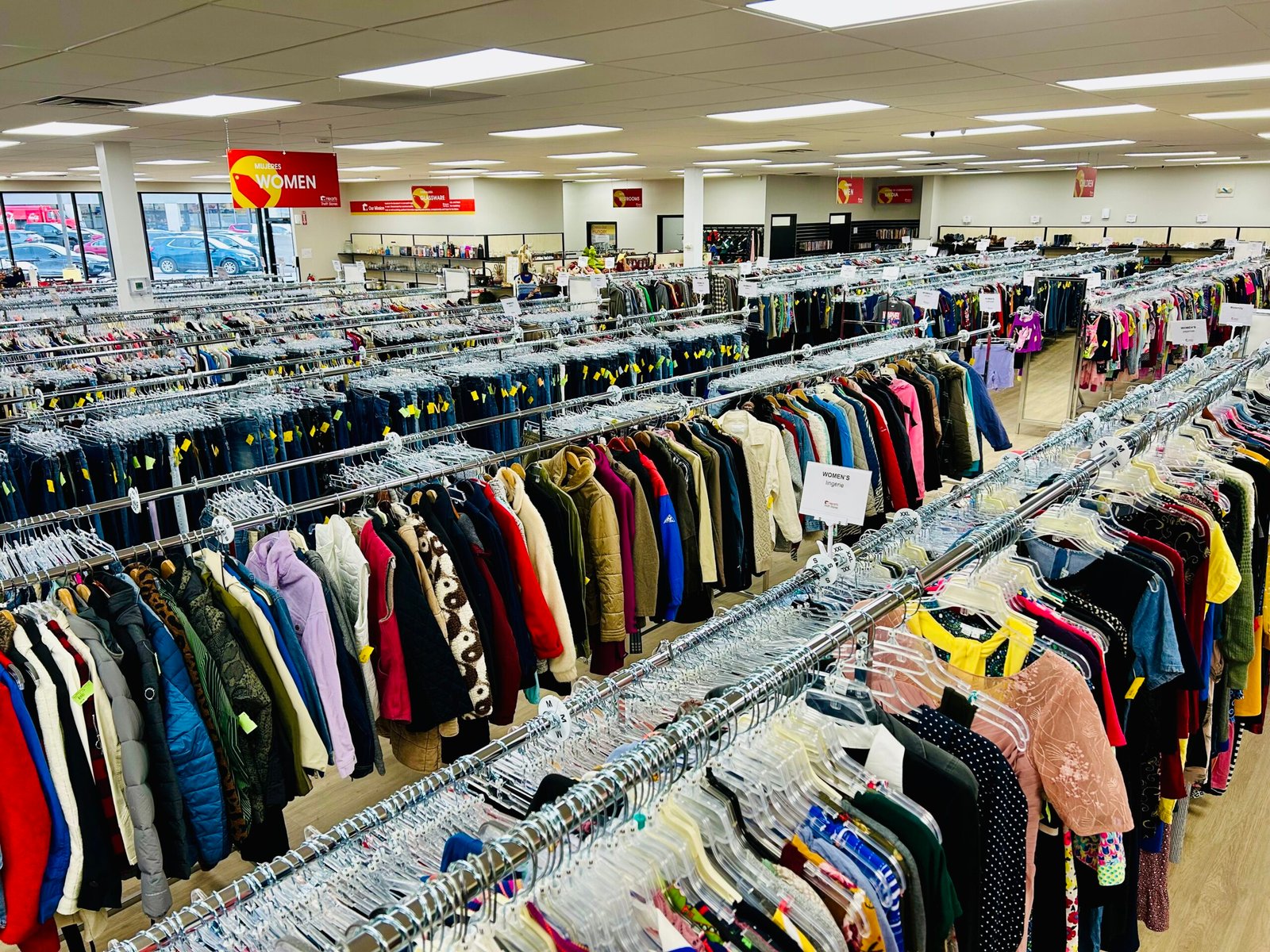
The biggest difference is that successful brands build systems that support growth instead of relying on individual products or trends.
👉 Learn more about apparel manufacturing solutions at https://blessclothing.com/
What Makes a Clothing Brand Successful?
Success is about more than sales.
Strong brands create repeat customers, maintain healthy profit margins, and continue growing year after year.
Key Characteristics
- Strong customer loyalty
- Reliable product quality
- Clear market positioning
- Efficient operations
- Consistent branding
Key Insight
Successful brands focus on building trust, not just generating transactions.
Why Some Brands Outperform Competitors
Many brands have access to similar fabrics, factories, and marketing channels.
The difference often comes down to execution.
Common Reasons Brands Struggle
- Poor positioning
- Inconsistent quality
- Weak customer retention
- Operational inefficiencies
- Lack of differentiation
Why Successful Brands Win
They create systems that deliver value consistently.
1. They Build a Clear Brand Identity
Customers remember brands that stand for something specific.
Strong Brand Identity Includes
- Consistent visual style
- Clear brand values
- Recognizable messaging
- Defined target audience
Comparison
| Strong Identity | Weak Identity |
|---|---|
| Easy to recognize | Easy to forget |
| Clear positioning | Customer confusion |
| Stronger loyalty | Lower retention |
Brand identity helps customers understand why your brand exists.
2. They Understand Their Target Audience
Successful brands know exactly who they serve.
Important Questions
- Who is the customer?
- What problems do they have?
- What styles do they prefer?
- What price range do they expect?
Benefits
| Customer Understanding | Guess-Based Decisions |
|---|---|
| Better products | Higher risk |
| Stronger marketing | Lower conversion rates |
| Better retention | More wasted spending |
Customer understanding drives better decisions.
3. They Focus on Product Quality
Quality creates repeat customers.
No marketing strategy can consistently overcome poor product quality.
Quality Factors
- Fabric selection
- Construction quality
- Fit consistency
- Durability
Comparison
| High Quality | Low Quality |
|---|---|
| Positive reviews | Customer complaints |
| Repeat purchases | High return rates |
| Better reputation | Brand damage |
Quality becomes a long-term competitive advantage.
4. They Create Cohesive Product Collections
Successful brands don't launch random products.
They build collections that work together.
Examples
- Matching tops and bottoms
- Seasonal releases
- Core essentials
- Coordinated color palettes
Benefits
| Cohesive Collections | Random Products |
|---|---|
| Higher average order value | Lower basket size |
| Stronger identity | Weak positioning |
Collections help strengthen brand perception.
5. They Prioritize Customer Experience
Every interaction shapes customer perception.
Important Touchpoints
- Website experience
- Packaging
- Product presentation
- Customer service
Comparison
| Positive Experience | Poor Experience |
|---|---|
| Higher loyalty | Customer churn |
| More referrals | Negative reviews |
Experience influences purchasing decisions.
6. They Develop Reliable Manufacturing Systems
Manufacturing affects nearly every aspect of a clothing brand.
Why It Matters
- Product quality
- Delivery performance
- Cost control
- Scalability
Benefits
| Reliable Manufacturing | Unstable Manufacturing |
|---|---|
| Consistent quality | Product variation |
| On-time delivery | Frequent delays |
| Better planning | Operational stress |
Manufacturing systems support sustainable growth.
7. They Use Data Instead of Guesswork
Successful brands track performance.
Metrics They Monitor
- Best-selling products
- Customer retention
- Return rates
- Inventory turnover
- Marketing performance
Benefits
| Data-Driven Decisions | Assumptions |
|---|---|
| Better outcomes | Higher risk |
| Smarter investments | Wasted resources |
Data helps brands improve continuously.
8. They Invest in Customer Retention
Acquiring new customers is expensive.
Retaining existing customers is often more profitable.
Retention Strategies
- Consistent quality
- Loyalty programs
- Excellent service
- Product reliability
Benefits
| Strong Retention | Weak Retention |
|---|---|
| Stable revenue | Constant acquisition pressure |
| Higher lifetime value | Lower profitability |
Loyal customers drive long-term growth.
9. They Adapt to Market Changes
Fashion trends evolve quickly.
Successful brands stay relevant without abandoning their identity.
Examples
- New fabrics
- Updated fits
- Seasonal color trends
- Sustainability initiatives
Avoid
- Chasing every trend
- Constant repositioning
Adaptation should strengthen the brand.
10. They Think Long Term
Many brands focus on immediate sales.
Successful brands focus on sustainable growth.
Long-Term Priorities
- Customer trust
- Product quality
- Brand reputation
- Operational efficiency
Key Insight
Short-term tactics create sales. Long-term thinking builds brands.
How Bless Clothing Supports Successful Brands
At Bless Clothing, we help fashion brands build the operational foundation needed for long-term success.
Our Services
- Product development
- Fabric sourcing
- Sampling
- Quality control
- Bulk production
- Private label manufacturing
Helpful Resources
Private Label Manufacturing
https://blessclothing.com/private-label-clothing-manufacturer/
Custom Fabric Solutions
https://blessclothing.com/custom-fabric-solutions/
Quality Control Services
https://blessclothing.com/quality-control/
OEM & ODM Services
https://blessclothing.com/oem-odm-service/
Industry Resource
OEKO-TEX®
https://www.oeko-tex.com/
These systems help brands maintain quality and consistency while scaling production.
Successful Brands vs Average Brands
| Successful Brands | Average Brands |
|---|---|
| Clear positioning | Unclear identity |
| Consistent quality | Quality variation |
| Customer-focused | Product-focused only |
| Reliable operations | Frequent disruptions |
| Long-term planning | Short-term thinking |
| Strong retention | High customer turnover |
FAQs
What is the biggest difference between successful and unsuccessful clothing brands?
Consistency. Successful brands consistently deliver quality products, strong branding, and positive customer experiences.
Is product quality more important than marketing?
Both matter, but poor quality can quickly undermine even the best marketing efforts.
Why is customer retention important?
Repeat customers are often more profitable and easier to serve than constantly acquiring new buyers.
How important is manufacturing?
Manufacturing affects quality, delivery performance, customer satisfaction, and scalability.
How does Bless Clothing help brands succeed?
We provide sourcing, product development, quality control, and scalable apparel manufacturing solutions that support long-term growth.
Final Thoughts
Successful clothing brands rarely achieve growth by accident.
They focus on fundamentals:
- Strong branding
- Customer understanding
- Product quality
- Reliable manufacturing
- Long-term thinking
Over time, these advantages compound and create sustainable business growth.
👉 If you're looking for a manufacturing partner that supports long-term success, visit https://blessclothing.com/ to learn how Bless Clothing helps fashion brands build high-quality products and scalable production systems.