
Table of Contents
- Quick Answer
- Brand Origin Explained
- My Perspective From Apparel Manufacturing
- Historical Background
- Where Products Are Made Today
- Brand Positioning and Identity
- Fruit of the Loom vs Other Brands
- Strengths and Limitations
- Who Should Choose This Brand
- FAQ
- Final Verdict
Quick Answer
Fruit of the Loom is a brand from the United States.
👉 It originated in Rhode Island and is one of the oldest textile brands in American history.
Brand Origin Explained
Key facts:
- Country: United States
- State: Rhode Island
- Founded: 1851
👉 The brand started as a textile company producing cotton fabrics before evolving into apparel.
My Perspective From Apparel Manufacturing
From a production standpoint:
Fruit of the Loom represents a classic American manufacturing model that evolved into a global supply chain.
What I’ve observed:
- Originally focused on domestic textile production
- Later shifted to global manufacturing
- Maintains strong control over basic apparel categories
👉 This is typical for legacy brands adapting to modern markets.
Historical Background
Timeline overview:
| Period | Development |
|---|---|
| 1800s | Textile manufacturing in the U.S. |
| Early 1900s | Expansion into apparel |
| Late 1900s | Global distribution growth |
| Today | International basics brand |
Interesting fact:
👉 Fruit of the Loom is considered one of the oldest clothing brands still in operation.
Where Products Are Made Today
Although the brand is American:
👉 Most products are now manufactured in:
- Honduras
- El Salvador
- Dominican Republic
- Other global locations
Why?
- Lower labor costs
- Scalable production
- Efficient global logistics
👉 From my experience:
This is standard for large-scale apparel brands.
Brand Positioning and Identity
Fruit of the Loom focuses on:
- Basic clothing essentials
- Affordable pricing
- Mass-market accessibility
Product categories:
- T-shirts
- Underwear
- Active basics
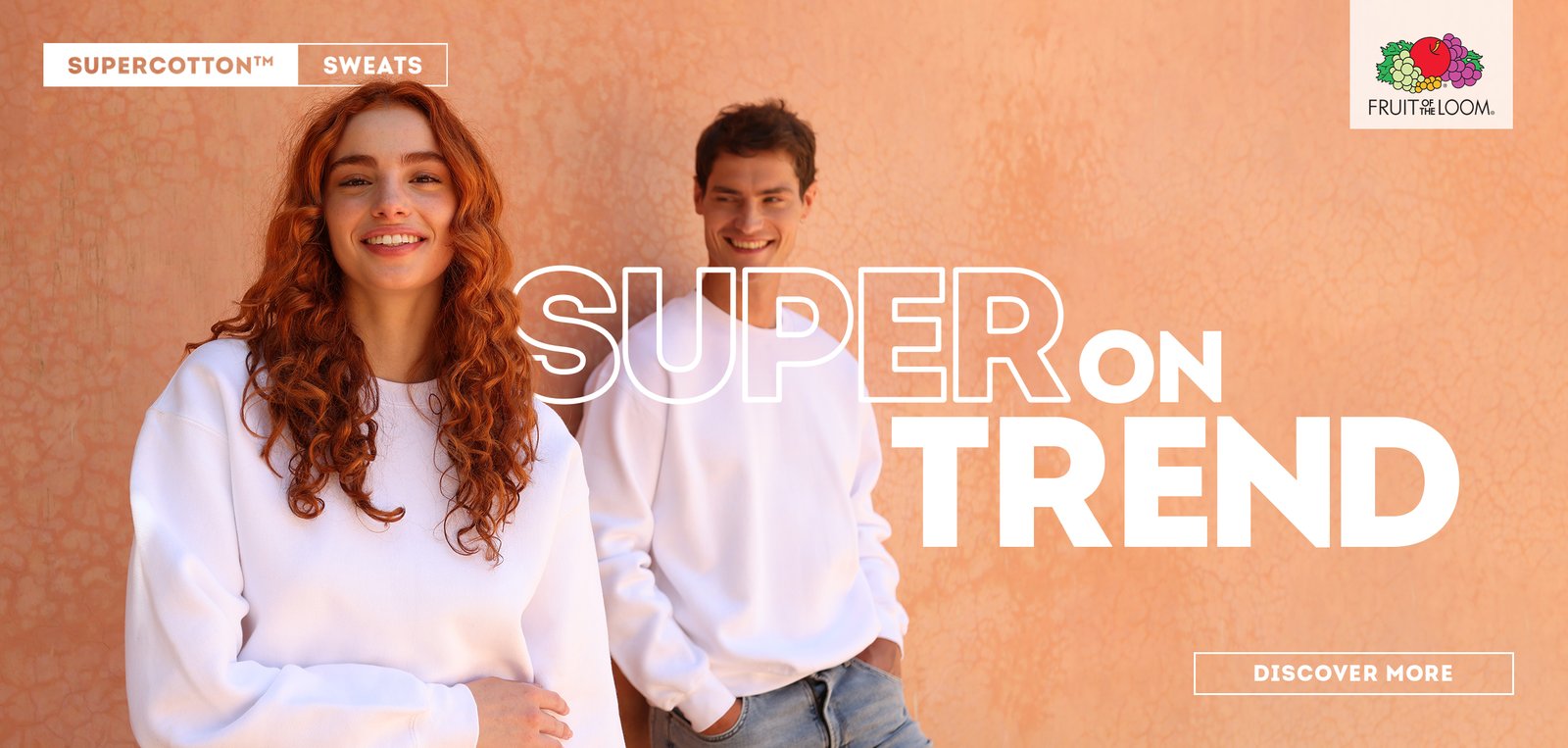
👉 It is not a fashion brand — it’s a functional basics brand.
Fruit of the Loom vs Other Brands
| Brand Type | Focus | Position |
|---|---|---|
| Fruit of the Loom | Basics & essentials | Budget–mid |
| Premium brands | Quality & design | Higher-end |
| Fast fashion | Trends | Low–mid |
| Luxury brands | Prestige | High-end |
👉 If you're building your own apparel brand, working with a manufacturer like blessclothing allows you to:
- Choose your positioning
- Control product quality
- Scale production efficiently
Strengths and Limitations
✅ Strengths
- Long brand history
- Affordable pricing
- Reliable product consistency
- Global availability
❌ Limitations
- Limited fashion appeal
- Basic design focus
- Less premium positioning
Who Should Choose This Brand
Best for:
- Everyday basics
- Budget-conscious consumers
- Bulk purchases
Not ideal for:
- Fashion-forward buyers
- Luxury consumers
- Trend-driven users
👉 Fruit of the Loom is about function over fashion.
FAQ
1. Is Fruit of the Loom an American brand?
Yes — it originated in the United States.
2. Are Fruit of the Loom products still made in the USA?
Mostly no — production is now global.
3. Why is the brand so popular?
Because of:
- Affordability
- Availability
- Consistency
4. Is Fruit of the Loom a premium brand?
No — it is a mass-market basics brand.
Final Verdict
So, where is the Fruit of the Loom brand from?
👉 The United States.
From my experience, the brand represents:
- American textile heritage
- Global manufacturing efficiency
- Affordable everyday essentials
👉 It’s a brand built for scale, reliability, and practicality — not fashion trends.
Internal Reference
If you're planning to build your own apparel brand and want to combine global production with strong positioning:
👉 You can explore private label and custom manufacturing solutions with blessclothing to develop scalable, high-quality products.