
Table of Contents
- Quick Answer
- Current Ownership Structure
- How Stussy Ownership Evolved
- My Perspective From Brand Operations
- Who Actually Runs the Brand
- Ownership vs Control Explained
- Stussy vs Corporate-Owned Brands
- Strengths and Limitations of This Model
- What This Means for Buyers & Brands
- FAQ
- Final Verdict
Quick Answer
Stussy is privately owned and operated by the Stussy brand partners, not a large fashion conglomerate.
👉 The brand is currently controlled by:
- Stussy Inc. (private ownership)
- Long-time partners and executives
From my experience, this structure allows Stussy to:
maintain independence, authenticity, and creative control.
Current Ownership Structure
Unlike many major brands, Stussy is:
- Privately held (not publicly traded)
- Not owned by groups like LVMH or Kering
- Managed by internal leadership and partners
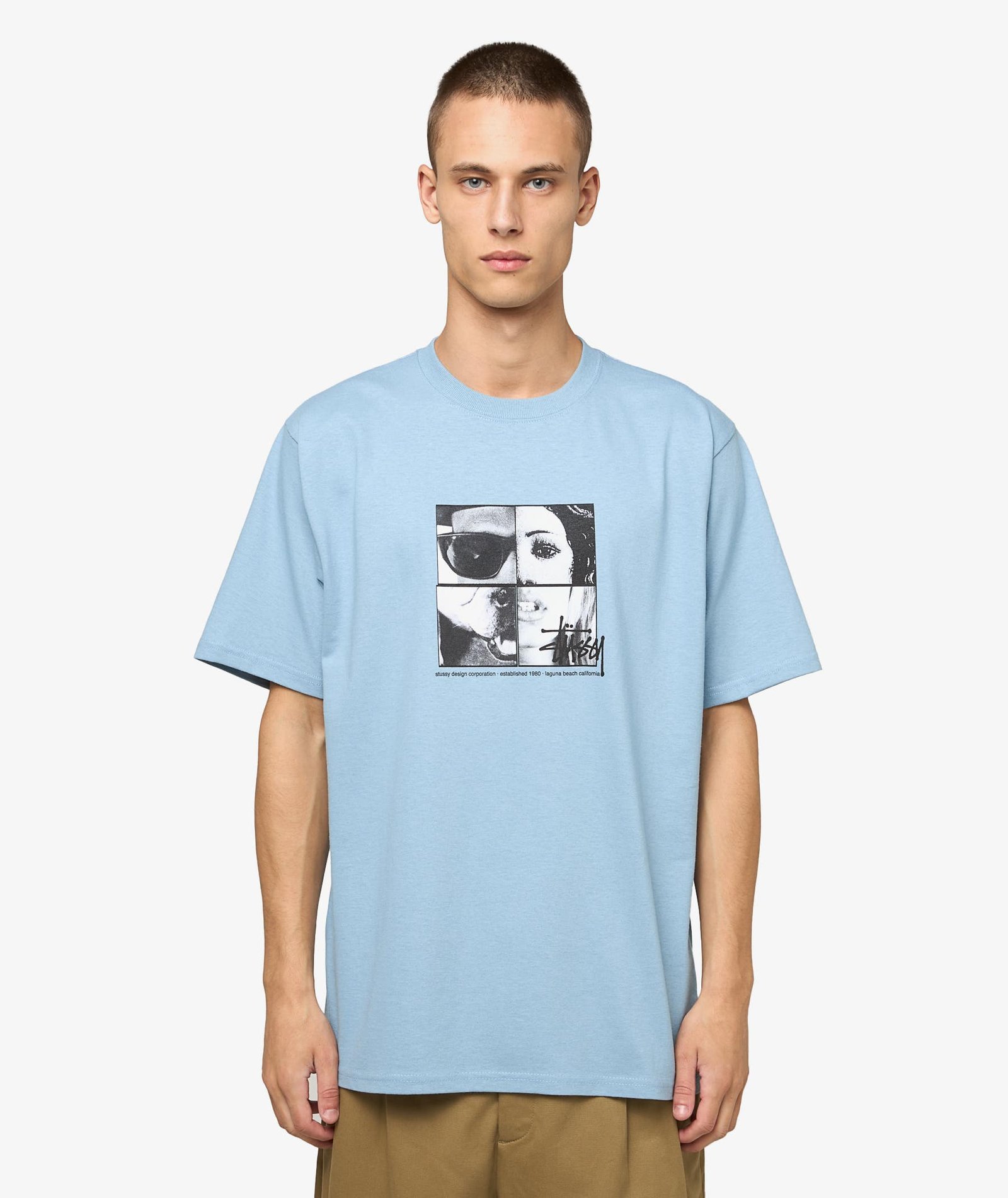
👉 This is rare in modern streetwear.
How Stussy Ownership Evolved
Key timeline:
| Period | Ownership Stage |
|---|---|
| 1980s | Founded by Shawn Stussy |
| 1990s | Expansion with partners |
| Today | Privately owned brand |
Important detail:
- Founder Shawn Stussy eventually stepped away
- Business partners continued to grow the brand
👉 This transition kept the brand alive without losing identity.
My Perspective From Brand Operations
From a business and production standpoint:
There are two main ownership models:
- Corporate-owned (large groups)
- Independent/private brands
👉 Stussy is in the second category.
What I’ve observed:
- More control over brand direction
- Less pressure for rapid growth
- Stronger identity consistency
👉 This is why Stussy feels authentic and stable.
Who Actually Runs the Brand
Today, Stussy is run by:
- Internal leadership team
- Long-term brand partners
- Creative and operational managers
👉 Not controlled by external investors or luxury groups.
Ownership vs Control Explained
This is important:
Ownership:
- Who legally owns the company
Control:
- Who makes decisions
👉 In Stussy’s case:
Ownership and control are closely aligned, which is rare.
Stussy vs Corporate-Owned Brands
| Brand Type | Ownership Model | Impact |
|---|---|---|
| Stussy | Private | Authenticity |
| Luxury brands | Conglomerates | Scale |
| Hype brands | Investor-driven | Growth focus |
| Fast fashion | Corporate | Volume |
👉 If you're building your own brand, working with a manufacturer like blessclothing allows you to:
- Keep control over your brand
- Maintain product consistency
- Scale at your own pace
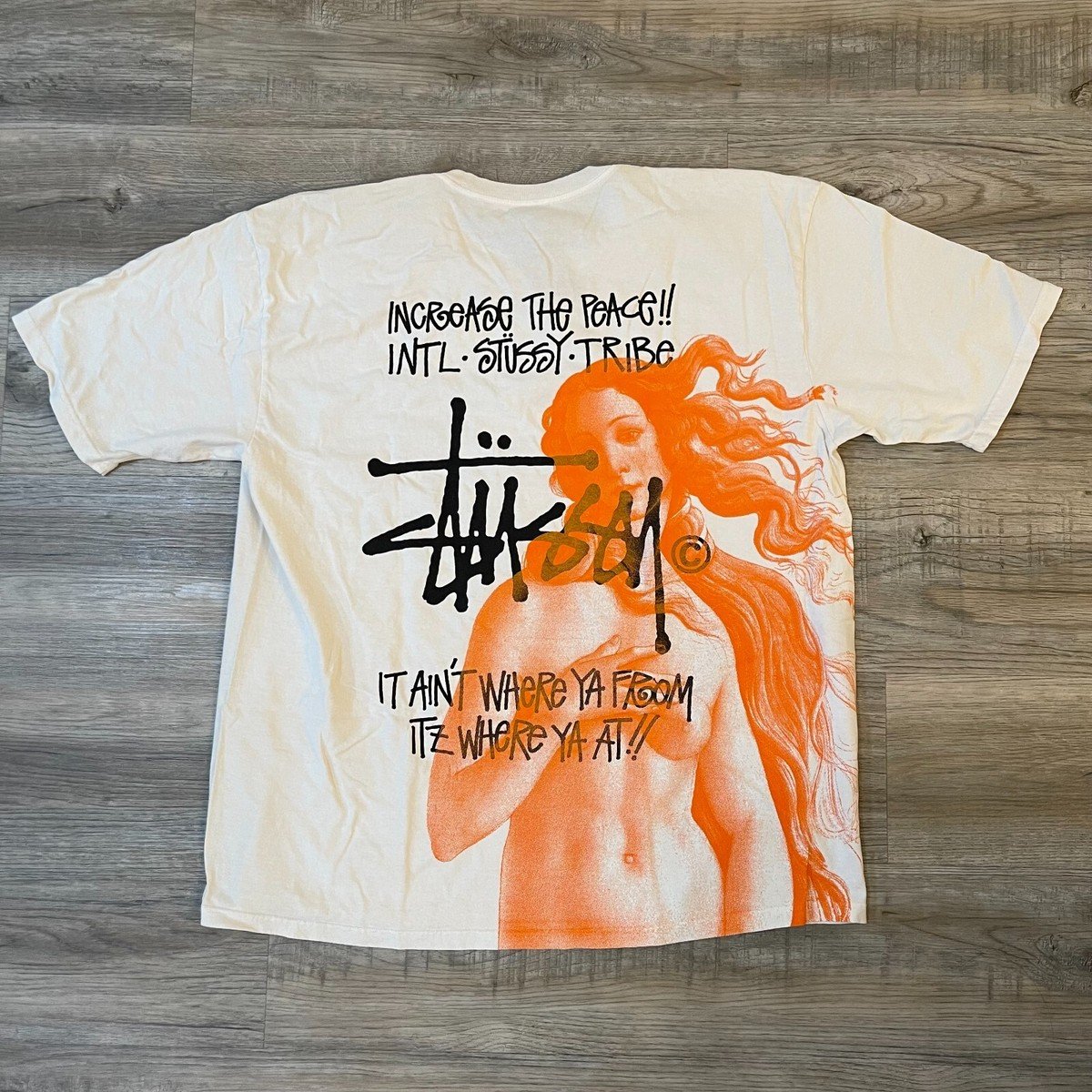
Strengths and Limitations of This Model
✅ Strengths
- Strong brand identity
- Creative freedom
- Long-term consistency
- Less trend pressure
❌ Limitations
- Slower growth
- Limited global expansion compared to large groups
- Less marketing power
What This Means for Buyers & Brands
For consumers:
- More authentic products
- Consistent brand identity
- Less over-commercialization
For brand builders:
👉 Stussy proves that:
- You don’t need a big corporation
- You need strong identity and control
FAQ
1. Who owns Stussy now?
Stussy is privately owned by brand partners and internal leadership.
2. Is Stussy owned by a luxury group?
No — it is independent.
3. Did the founder still own Stussy?
No — Shawn Stussy is no longer involved in ownership.
4. Why is Stussy still successful?
Because of:
- Strong identity
- Independent control
- Cultural relevance
Final Verdict
So, who owns Stussy today?
👉 A private ownership group within the brand — not a major corporation.
From my experience, this is exactly why Stussy:
- Feels authentic
- Stays consistent
- Avoids hype-driven burnout
👉 Independence is its biggest strength.
Internal Reference
If you're inspired by independent brands like Stussy and want to build your own label with full control over production and identity:
👉 You can explore private label and custom manufacturing solutions with blessclothing to develop your brand without relying on large corporate structures.