
Fabric quality matters in casual clothing because the fabric directly affects how a garment feels, fits, looks, washes, and lasts.
Customers may first notice the color or design, but after wearing the product, they judge the fabric. A T-shirt that twists after washing, a hoodie that pills quickly, or pants that lose their shape can damage the entire customer experience.
From my experience developing casualwear, fabric problems are often more expensive than they first appear. They can cause incorrect measurements, production delays, customer returns, negative reviews, and difficulty repeating a successful product.
Fabric quality is not only about softness or fiber content. It is the ability of a material to deliver the required comfort, appearance, performance, and consistency throughout the life of the garment.
This guide explains why fabric quality matters, how it affects casual clothing, which warning signs brands should watch for, and how to approve fabrics before bulk production.
Table of Contents
- Quick Answer
- What Does Fabric Quality Mean
- The FABRIC Quality Framework
- How Fabric Quality Affects Comfort
- How Fabric Quality Affects Fit
- How Fabric Quality Affects Appearance
- How Fabric Quality Affects Durability
- How Fabric Quality Affects Production
- How Fabric Quality Affects Pricing
- How Fabric Quality Affects Brand Trust
- Common Fabric Quality Problems
- Why Fiber Content and GSM Are Not Enough
- How to Evaluate Fabric Quality
- Fabric Quality by Product Category
- Stock Fabric vs Custom Fabric
- Fabric Approval Process
- Fabric Quality Scorecard
- Where Brands Should Spend More
- Questions to Ask a Manufacturer
- Common Mistakes
- FAQ
- Conclusion
Quick Answer
Fabric quality affects almost every part of a casual garment.
| Fabric Quality Area | Effect on the Garment |
|---|---|
| Hand feel | Comfort against the skin |
| Weight and structure | Shape, drape, and perceived value |
| Shrinkage control | Finished measurements after washing |
| Recovery | Ability to return to the original shape |
| Pilling resistance | Surface appearance after wear |
| Colorfastness | Fading and color transfer |
| Strength | Resistance to tearing and abrasion |
| Bulk consistency | Similar quality across every garment |
| Care performance | Appearance after washing and drying |
High-quality fabric does not necessarily mean the heaviest, softest, or most expensive fabric.
It means the material is suitable for the product and performs consistently.
My practical recommendation is:
- Define the garment’s required performance.
- Compare physical fabric swatches.
- Confirm composition, structure, weight, and finish.
- Make a complete garment sample.
- Wash and wear-test the sample.
- Compare bulk fabric with the approved standard.
- Inspect fabric before cutting.
Brands can begin by reviewing different fabric constructions through the Custom Fabric Catalog.
What Does Fabric Quality Mean?
Fabric quality is the combination of material properties that determine whether a fabric is suitable for its intended garment.
These properties may include:
- Fiber composition
- Yarn quality
- Fabric construction
- Weight
- Density
- Width
- Stretch
- Recovery
- Softness
- Surface appearance
- Color consistency
- Shrinkage
- Pilling resistance
- Abrasion resistance
- Finishing quality
A fabric can be high quality for one product but unsuitable for another.
For example:
- A soft lightweight jersey may be excellent for loungewear.
- The same jersey may be too unstable for a structured oversized T-shirt.
- Heavy canvas may be excellent for a utility jacket.
- The same canvas may be uncomfortable for pajamas.
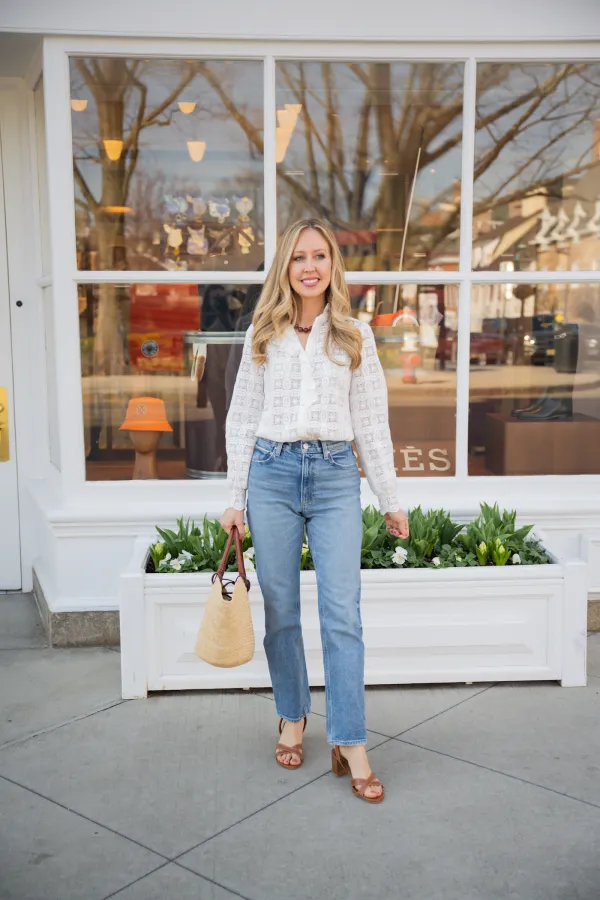
Fabric quality must always be judged in relation to the final garment and its intended use.
The FABRIC Quality Framework
I use the FABRIC framework to evaluate casualwear materials.
| Letter | Quality Area | Main Question |
|---|---|---|
| F | Feel | Is it comfortable for the intended use? |
| A | Appearance | Does it maintain the expected surface and color? |
| B | Bulk Consistency | Can the same standard be repeated across production? |
| R | Recovery | Does it keep its dimensions and shape? |
| I | Intended Use | Is it suitable for the garment and customer? |
| C | Care and Compliance | Can it be cared for and labeled correctly? |
Feel
Evaluate:
- Softness
- Roughness
- Weight
- Breathability
- Drape
- Skin comfort
Appearance
Evaluate:
- Color depth
- Surface texture
- Pilling
- Fuzzing
- Wrinkling
- Shine
- Wash appearance
Bulk Consistency
Evaluate:
- Shade variation
- Fabric weight
- Width
- Stretch
- Surface defects
- Repeat-order availability
Recovery
Evaluate:
- Stretch recovery
- Rib recovery
- Shrinkage
- Twisting
- Bagging
- Shape retention
Intended Use
Ask whether the fabric works for:
- The product
- The fit
- The climate
- The decoration
- The target price
- The customer’s lifestyle
Care and Compliance
Confirm:
- Suitable washing method
- Drying method
- Ironing requirements
- Fiber-content information
- Care-label instructions
- Supporting test results
This framework prevents brands from judging fabric only by how it feels in the hand.
How Fabric Quality Affects Comfort
Casual clothing is normally worn for long periods, so comfort is one of the first areas customers notice.
Fabric affects:
- Skin feel
- Breathability
- Moisture absorption
- Heat retention
- Stretch
- Garment weight
- Freedom of movement
Softness Is Only One Part of Comfort
A very soft fabric can still be uncomfortable when it:
- Becomes too warm
- Holds moisture
- Clings to the body
- Has poor recovery
- Becomes transparent when stretched
- Develops a rough surface after washing
Product-Based Comfort
| Product | Important Comfort Factors |
|---|---|
| T-shirt | Softness, breathability, weight |
| Hoodie | Warmth, interior feel, flexibility |
| Casual shirt | Airflow, surface comfort, movement |
| Pants | Stretch, recovery, friction, structure |
| Loungewear | Skin comfort, softness, drape |
| Jacket | Weight, lining, movement, temperature |
A customer wearing loungewear may prioritize softness and drape.
A customer wearing casual work pants may prioritize movement, breathability, and durability.
The correct comfort standard changes with the product.
How Fabric Quality Affects Fit
Patterns create the garment shape, but fabric determines how that shape behaves.
Two garments made from the same pattern can fit differently when their fabrics have different:
- Weights
- Stretch
- Recovery
- Thickness
- Shrinkage
- Drape
- Surface finishes
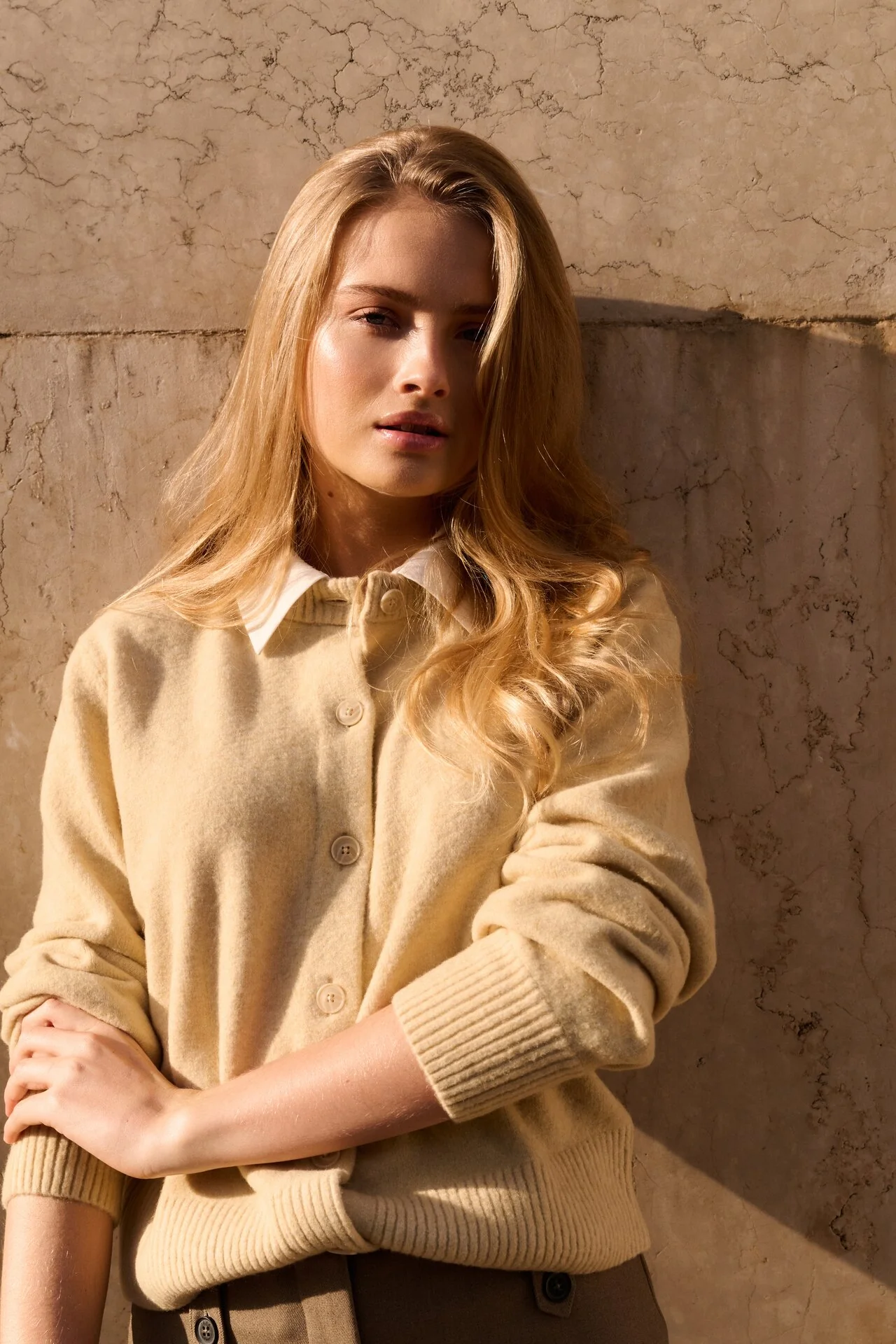
Fabric Drape
Drape describes how fabric hangs on the body.
A fluid fabric may create a relaxed silhouette. A dense fabric may create a more structured shape.
Stretch and Recovery
Stretch allows the fabric to expand.
Recovery describes how well it returns to its original dimensions.
Poor recovery may cause:
- Baggy knees
- Stretched necklines
- Loose waistbands
- Elbow deformation
- Garments becoming wider during wear
Shrinkage
Shrinkage can change:
- Body length
- Sleeve length
- Chest width
- Waist
- Inseam
- Neck opening
The ISO 5077 Dimensional Change Standard describes a method for measuring dimensional changes after washing and drying.
A pattern cannot remain accurate when the fabric is dimensionally unstable.
That is why fabric testing should happen before finalizing bulk measurements.
How Fabric Quality Affects Appearance
Customers often connect fabric appearance with overall product value.
Fabric quality influences:
- Color depth
- Surface smoothness
- Texture
- Drape
- Opacity
- Wrinkling
- Pilling
- Shine
- Wash aging
Surface Quality
A smooth surface may support:
- Clean printing
- Refined basics
- Clear embroidery
- Premium presentation
A textured surface may support:
- Washed styling
- Heritage casualwear
- Workwear
- Natural-looking products
Neither option is automatically better. The surface should match the intended design.
Appearance After Washing
A garment may look excellent before washing but develop:
- Fuzzing
- Pilling
- Color fading
- Seam puckering
- Twisting
- Wrinkling
- Loss of shape
The ISO 15487 Appearance Standard covers the assessment of apparel and textile appearance after domestic washing and drying.
The first sample should therefore be reviewed both before and after washing.
How Fabric Quality Affects Durability
Casual clothing is often washed and worn frequently.
Durability determines whether the garment continues to look and function as expected.
Important durability areas include:
- Tensile strength
- Tear strength
- Abrasion resistance
- Pilling resistance
- Seam performance
- Colorfastness
- Shape retention
The CottonWorks Garment Durability Guide explains that durability testing may evaluate strength, abrasion resistance, and pilling according to the intended product and end use.
Common Durability Failures
| Failure | Possible Fabric Cause |
|---|---|
| Holes appear quickly | Weak yarn or low fabric strength |
| Inner thighs wear out | Poor abrasion resistance |
| Surface becomes fuzzy | Fiber and finishing problems |
| Fabric pills | Low resistance to repeated friction |
| Color fades | Weak dyeing or colorfastness |
| Fabric tears near seams | Insufficient strength or unsuitable construction |
| Knees become baggy | Poor recovery |
Durability Is Not Only Fabric Weight
A heavier fabric may still have:
- Weak yarn
- Poor finishing
- Loose construction
- Excessive pilling
- Color problems
A lighter fabric can perform well when its yarn, construction, finishing, and garment use are suitable.
How Fabric Quality Affects Production
Poor fabric quality creates manufacturing problems before the customer ever sees the garment.
Cutting Problems
Unstable fabric may:
- Curl at the edges
- Stretch during cutting
- Shift between layers
- Produce inaccurate pattern pieces
- Increase fabric waste
Sewing Problems
Fabric may cause:
- Needle damage
- Seam puckering
- Uneven feeding
- Fabric stretching
- Broken stitches
- Weak seams
- Visible needle holes
Decoration Problems
Printing and embroidery depend on the fabric surface and stability.
Poor fabric compatibility may cause:
- Print bleeding
- Uneven ink coverage
- Cracking
- Peeling
- Embroidery puckering
- Distorted logos
- Poor color reproduction
Finishing Problems
Washing, pressing, brushing, or dyeing may change:
- Measurements
- Color
- Hand feel
- Surface quality
- Garment shape
From my experience, fabric should be connected to pattern making, sewing, decoration, and finishing rather than selected as a separate purchasing decision.
Brands can use Custom Fabric Development when available fabrics do not meet the required structure, weight, performance, or production needs.
How Fabric Quality Affects Pricing
Better fabric can increase the initial garment cost, but poor fabric can create larger hidden costs.
Direct Fabric Costs
Fabric pricing may depend on:
- Fiber composition
- Yarn
- Weight
- Structure
- Finishing
- Dyeing
- Certifications
- Order quantity
- Width
Hidden Costs of Poor Fabric
Poor fabric may create:
- Higher cutting waste
- More sewing defects
- Additional repairs
- Failed testing
- Production delays
- Customer returns
- Replacement shipments
- Discounted inventory
- Difficulty making repeat orders
Compare Cost per Successful Garment
Do not compare only fabric price per meter or kilogram.
Use this broader concept:
True Fabric Cost = Purchase Cost + Waste + Defects + Repairs + Returns + Reorder Risk
A slightly more expensive fabric may provide better value when it:
- Cuts more efficiently
- Sews more consistently
- Passes wash testing
- Reduces returns
- Maintains quality across reorders
Quality does not mean selecting the most expensive option. It means choosing the material with the best balance of performance and commercial value.
How Fabric Quality Affects Brand Trust
Customers may not know the fabric code, yarn count, or finishing process.
They do notice when:
- A neckline becomes loose
- A T-shirt twists
- A hoodie pills
- Pants lose their shape
- Colors fade
- A garment feels different from the product description
These experiences affect:
- Reviews
- Returns
- Repeat purchases
- Product recommendations
- Brand reputation
First Order vs Repeat Order
Marketing can help generate a first purchase.
Consistent product quality helps generate a second purchase.
Fabric quality turns a visual product promise into a physical customer experience.
For casualwear brands, this is especially important because basic products depend heavily on fit, comfort, and repeat use rather than complicated design.
Common Fabric Quality Problems
| Problem | What the Customer Sees | Possible Cause |
|---|---|---|
| Shrinkage | Garment becomes shorter or tighter | Unstable fabric or poor finishing |
| Spirality | Side seams twist forward or backward | Knit construction instability |
| Pilling | Small fiber balls appear | Fiber, yarn, construction, or abrasion |
| Fading | Color becomes lighter | Dyeing or care performance |
| Color Transfer | Color stains other surfaces | Weak colorfastness |
| Bagging | Knees or elbows stay stretched | Poor recovery |
| Seam Puckering | Seams look wavy | Fabric and sewing incompatibility |
| Shade Variation | Garments look like different colors | Poor dye-lot control |
| Transparency | Fabric becomes see-through | Low density or excessive stretch |
| Snagging | Threads pull from the surface | Structure unsuitable for use |
| Curling | Edges roll during production | Knit structure instability |
| Roughness After Washing | Hand feel becomes unpleasant | Fiber or finishing issue |
A single failure may result from several connected factors.
For example, seam puckering may involve fabric shrinkage, thread tension, stitch type, and pressing.
The correct response is to investigate the system rather than blaming only one production worker.
Why Fiber Content and GSM Are Not Enough
Brands often compare fabrics using only fiber content and GSM.
These details are important, but incomplete.
Fiber Content
Fiber content tells you which fibers are present.
It does not fully explain:
- Yarn quality
- Fabric construction
- Density
- Surface finish
- Shrinkage
- Pilling
- Durability
- Hand feel
Two fabrics labeled “100% cotton” may perform very differently.
GSM
GSM means grams per square meter.
It describes fabric weight, but not complete quality.
Two 300 GSM fabrics may differ in:
- Thickness
- Density
- Yarn
- Stretch
- Recovery
- Softness
- Pilling
- Shrinkage
Other Important Specifications
Ask for:
- Fabric construction
- Yarn information where relevant
- Usable width
- Stretch percentage
- Recovery
- Finish
- Shrinkage results
- Colorfastness
- Pilling performance
- Bulk tolerance
Composition tells you what the fabric contains. GSM tells you how much it weighs. Neither one alone tells you how well it will perform.
How to Evaluate Fabric Quality
Fabric quality should be evaluated in several stages.
Stage 1: Review the Specification
Confirm:
- Composition
- Structure
- Weight
- Width
- Stretch
- Finish
- Color
- Intended use
- Care method
Stage 2: Check the Swatch
Review:
- Hand feel
- Surface
- Color
- Drape
- Opacity
- Stretch
- Recovery
- Edge curling
Stage 3: Compare Several Options
Do not approve the first fabric simply because it feels soft.
Compare the options under the same conditions.
| Evaluation Area | Fabric A | Fabric B | Fabric C |
|---|---|---|---|
| Hand Feel | |||
| Structure | |||
| Recovery | |||
| Opacity | |||
| Surface Quality | |||
| Price | |||
| MOQ | |||
| Lead Time |
Stage 4: Make a Garment Sample
A garment sample reveals:
- Fit
- Drape
- Seam behavior
- Comfort
- Decoration compatibility
- Overall appearance
Stage 5: Wash and Wear-Test
Check:
- Measurements
- Color
- Surface
- Shape
- Pilling
- Twisting
- Recovery
- Decoration
Stage 6: Review Bulk Fabric
Bulk fabric should be compared with the approved standard before cutting.
A physical swatch is useful, but the complete garment and bulk fabric provide stronger evidence.
Fabric Quality by Product Category
Different casualwear products require different fabric priorities.
T-Shirts
Prioritize:
- Neckline recovery
- Dimensional stability
- Surface quality
- Opacity
- Printing compatibility
- Twisting control
Brands can review product development options through the Custom T-Shirt Catalog.
Hoodies and Sweatshirts
Prioritize:
- Pilling resistance
- Interior softness
- Rib recovery
- Shrinkage
- Weight consistency
- Brushing quality
Explore relevant product options through the Custom Sweatshirt Catalog.
Casual Shirts
Prioritize:
- Wrinkle behavior
- Shrinkage
- Colorfastness
- Breathability
- Seam appearance
- Collar stability
Casual Pants
Prioritize:
- Abrasion resistance
- Recovery
- Tear strength
- Color rubbing
- Waistband stability
- Drape
Loungewear and Pajamas
Prioritize:
- Skin comfort
- Breathability
- Softness after washing
- Shrinkage
- Colorfastness
- Surface stability
Jackets
Prioritize:
- Strength
- Abrasion resistance
- Coating performance where relevant
- Seam compatibility
- Lining compatibility
- Color stability
The best fabric-quality standard should be product-specific rather than copied across the entire collection.
Stock Fabric vs Custom Fabric
Both stock and custom fabrics can provide good quality.
The correct option depends on your product and business stage.
| Factor | Stock Fabric | Custom Fabric |
|---|---|---|
| Availability | Usually faster | Requires development |
| MOQ | Often lower | Often higher |
| Uniqueness | Limited | Greater control |
| Testing History | May already be proven | Must be confirmed |
| Color Options | Available colors | Custom colors possible |
| Repeatability | Depends on supplier stock | Can be planned |
| Best For | Tests and early collections | Signature or repeat products |
Choose Stock Fabric When
- You are launching a first collection.
- You have limited sales data.
- You need a shorter lead time.
- A proven fabric already meets the requirements.
- You need a more manageable MOQ.
Choose Custom Fabric When
- Fabric is a central product advantage.
- Existing materials fail your requirements.
- You need a specific weight, texture, or composition.
- You expect repeat production.
- Your order can support the material minimum.
A stock fabric should not be selected simply because it is available.
A custom fabric should not be developed simply because it sounds more premium.
Choose according to product value and commercial need.
Fabric Approval Process
I recommend using four approval gates.
Gate 1: Specification Approval
Confirm what the fabric must achieve.
Include:
- Composition
- Weight
- Structure
- Color
- Hand feel
- Performance
- Target price
Gate 2: Swatch Approval
Approve the physical fabric direction.
Record:
- Supplier
- Fabric code
- Color
- Date
- Approved version
Gate 3: Garment Approval
Approve the fabric inside the final product.
Check:
- Fit
- Comfort
- Sewing
- Decoration
- Washing
- Appearance
Gate 4: Bulk Fabric Approval
Before cutting, confirm that bulk fabric matches the approved standard.
Check:
- Weight
- Width
- Color
- Shade
- Shrinkage
- Surface
- Stretch
- Defects
Bulk fabric inspection can be connected with structured Quality Control Services.
Do not approve bulk production when the sample and bulk order will use different fabrics without further testing.
Fabric Quality Scorecard
Use this 100-point scorecard to compare materials.
| Quality Area | Maximum Score |
|---|---|
| Suitability for Product | 20 |
| Comfort and Hand Feel | 15 |
| Dimensional Stability | 15 |
| Surface and Appearance | 10 |
| Durability | 15 |
| Color Performance | 10 |
| Production Compatibility | 5 |
| Bulk Consistency | 5 |
| Price and Availability | 5 |
| Total | 100 |
Score Interpretation
| Score | Recommended Decision |
|---|---|
| 85–100 | Strong production candidate |
| 70–84 | Suitable after remaining risks are checked |
| 55–69 | Further testing or improvement required |
| Below 55 | Search for another fabric |
Do not rely only on the total score.
A fabric should not pass when it has a critical failure such as:
- Excessive shrinkage
- Severe color transfer
- Serious tearing
- Unsupported fiber claims
- Unacceptable bulk variation
Where Brands Should Spend More
Not every product needs the most expensive fabric.
Brands should invest where fabric quality creates the greatest customer value.
Spend More When
- The garment is a core bestseller.
- Fabric is the main selling point.
- The product touches the skin directly.
- The garment will be washed frequently.
- Fit depends heavily on recovery.
- The retail price creates higher expectations.
- You need stable repeat orders.
- Returns would be expensive.
A Proven Lower-Cost Fabric May Be Suitable When
- You are testing an unproven product.
- Decoration is the main selling point.
- The product is event merchandise.
- The garment has a short selling period.
- A standard material already meets the requirements.
Protect These Areas
Do not reduce costs by ignoring:
- Shrinkage control
- Colorfastness
- Fabric strength
- Recovery
- Required testing
- Bulk inspection
- Legal labeling
A better cost-reduction approach may be to:
- Reduce colors
- Simplify construction
- Use standard trims
- Share fabric across products
- Simplify packaging
- Improve production planning
Questions to Ask a Manufacturer
Ask these questions before approving fabric:
- What is the exact fiber composition?
- What is the fabric construction?
- What is the target GSM and tolerance?
- What is the usable width?
- Is the fabric available from stock?
- What is the MOQ per fabric and color?
- Can the fabric be reordered consistently?
- Has shrinkage been tested?
- Has pilling performance been checked?
- How is colorfastness controlled?
- Is the fabric suitable for the intended printing or embroidery?
- How does it perform after washing?
- Will bulk fabric match the sample fabric?
- How are shade differences managed?
- Which bulk fabric inspections are completed?
- Can supporting test reports be provided?
- Will any finishing process change the measurements?
- What happens if the bulk fabric fails inspection?
Brands that need integrated material sourcing, sampling, pattern development, and manufacturing can review OEM and ODM Manufacturing Services.
Common Mistakes
Choosing by Softness Alone
Softness does not prove durability, stability, or wash performance.
Assuming Higher GSM Means Higher Quality
Weight is only one specification.
Approving From Photos
Photos cannot show hand feel, recovery, opacity, stretch, or durability.
Testing Only the Fabric Swatch
A swatch cannot show complete garment fit, seams, or decoration performance.
Ignoring Bulk Variation
The sample fabric and bulk fabric may differ in color, weight, shrinkage, or hand feel.
Changing Fabric After Fit Approval
A different fabric can change the garment measurements, shape, and drape.
Using One Fabric Standard for Every Product
T-shirts, pants, jackets, and loungewear have different performance needs.
Ignoring Customer Care Habits
A fabric that requires difficult care may not suit an everyday product.
Making Unsupported Fiber Claims
For clothing sold in the United States, most covered textile products require appropriate fiber-content, origin, and business-identity information.
Review the FTC Textile Labeling Guide.
Manufacturers and importers should also review the FTC Care Labeling Guide before approving care instructions.
FAQ
Why is fabric quality important in casual clothing?
Fabric quality affects comfort, fit, appearance, durability, washing, production consistency, customer returns, and repeat purchases.
Does expensive fabric always mean better quality?
No. A more expensive fabric may use higher-cost fibers or finishing, but it must still be suitable for the garment and pass the required performance checks.
Is heavier fabric always better?
No. Heavier fabric may provide structure, but it can also feel too warm, stiff, or unsuitable for the product.
Can two fabrics with the same composition have different quality?
Yes. Yarn, construction, density, finishing, dyeing, and quality control can make them perform very differently.
What fabric problems appear after washing?
Common problems include shrinkage, twisting, fading, pilling, fuzzing, seam puckering, and loss of shape.
How can I check fabric quality before ordering?
Review physical swatches, compare specifications, make a garment sample, perform washing and wear tests, and inspect bulk fabric before cutting.
What is the difference between fabric weight and fabric density?
Fabric weight describes mass per area. Density relates to how closely the yarns or loops are arranged. Two fabrics with similar weight can have different structures and performance.
Why does fabric change garment fit?
Fabric weight, stretch, recovery, drape, and shrinkage affect how a pattern sits and moves on the body.
Should startups use custom fabric?
Startups may benefit from proven stock fabrics when order quantities and customer demand are still uncertain. Custom fabric is more useful when it creates a clear product advantage.
How can brands reduce fabric costs safely?
Use shared fabrics, available colors, practical finishes, suitable stock materials, and efficient fabric widths without removing essential performance testing.
What should be checked in bulk fabric?
Check color, shade, weight, width, surface defects, shrinkage, stretch, recovery, and consistency with the approved sample.
Can Bless Clothing support fabric development?
Bless Clothing supports brands with fabric sourcing, custom material development, garment sampling, OEM and ODM manufacturing, bulk inspection, and quality control.
Conclusion
Fabric quality is the foundation of casual clothing performance.
It influences:
- Comfort
- Fit
- Shape
- Appearance
- Durability
- Manufacturing
- Pricing
- Customer satisfaction
- Repeat orders
From my experience, the best fabric is not simply the softest, heaviest, or most expensive material.
It is the fabric that:
- Matches the intended garment
- Performs after washing and wear
- Supports the required fit
- Works with the production process
- Remains consistent in bulk
- Delivers value at the target price
Good design attracts attention, but fabric quality determines how customers experience the product after they begin wearing it.
Bless Clothing helps casualwear brands select, develop, sample, test, manufacture, and inspect fabrics for reliable private label clothing collections.