
When brands start developing a new clothing collection, many focus on designs, logos, and marketing first. However, one decision often determines the final product quality more than anything else:
Fabric selection.
The fabric affects how a garment feels, fits, performs, and how customers perceive the value of your brand.
From my experience working with apparel brands, I have seen many production problems caused by choosing the wrong fabric. A design may look perfect, but if the material does not match the product purpose, customers will notice the difference immediately.
In this guide, I will explain why fabric selection is important in apparel manufacturing, how to choose the right materials, and what brands should consider before bulk production.
Table of Contents
- Why Fabric Selection Matters in Apparel Manufacturing
- How Fabric Affects Clothing Quality
- Key Factors When Choosing Apparel Fabrics
- Understanding Fabric Weight and GSM
- Why Fabric Composition Matters
- Fabric Testing Before Bulk Production
- Popular Fabrics Used in Apparel Manufacturing
- How Brands Choose the Right Fabric
- Common Fabric Selection Mistakes
- How Bless Clothing Supports Fabric Development
- FAQs
- Final Thoughts
Why Fabric Selection Matters in Apparel Manufacturing
Fabric is the foundation of every garment.
Before a product reaches the cutting, sewing, printing, or packaging stage, the fabric has already determined many important characteristics.
The right fabric choice affects:
| Fabric Factor | Impact on Clothing |
|---|---|
| Weight | Garment structure and appearance |
| Softness | Wearing comfort |
| Stretch | Movement and flexibility |
| Durability | Product lifespan |
| Texture | Brand perception |
For example:
- Heavyweight cotton creates a premium streetwear look.
- Soft cotton jersey creates comfortable everyday clothing.
- Performance fabrics improve activewear functionality.
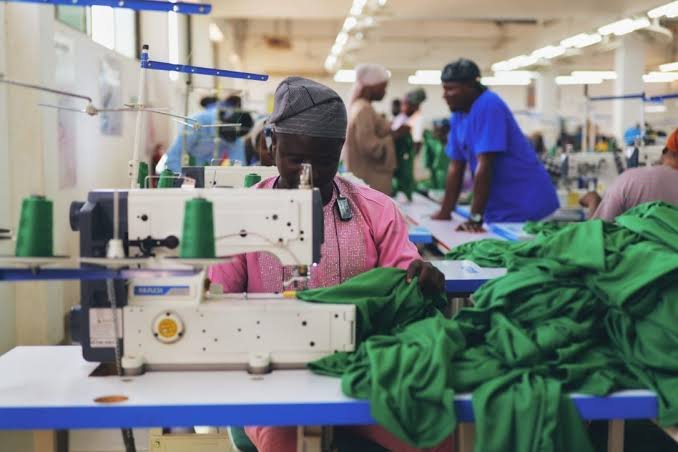
A skilled manufacturer cannot completely fix poor fabric selection later. The material decision must be correct from the beginning.
How Fabric Affects Clothing Quality
Fabric influences almost every part of a garment's performance.
Comfort and Customer Experience
The first thing customers notice is how clothing feels.
Important comfort factors include:
- Softness
- Breathability
- Moisture management
- Skin-friendly texture
A premium fabric can increase customer satisfaction and improve repeat purchase rates.
Fit and Garment Structure
Different fabrics create different silhouettes.
| Fabric Type | Garment Effect |
|---|---|
| Heavyweight cotton | Structured and premium shape |
| Lightweight cotton | Soft and relaxed drape |
| Stretch fabric | Flexible and body-friendly |
| Fleece | Warm and thicker appearance |
For example, oversized streetwear requires fabrics with enough weight and structure to maintain the intended shape.
Durability and Product Lifespan
Fabric quality directly affects how long a garment maintains its original condition.
A suitable fabric should maintain:
- Color after washing
- Shape stability
- Surface quality
- Strength
Poor fabric choices often lead to:
- Shrinkage problems
- Pilling
- Color fading
- Customer complaints
Key Factors When Choosing Apparel Fabrics
Professional clothing brands usually evaluate fabrics based on several important factors.
Understanding Fabric Weight and GSM
GSM means grams per square meter and indicates fabric thickness.
| GSM Range | Common Use |
|---|---|
| 120–180 GSM | Lightweight T-shirts |
| 180–240 GSM | Casual apparel |
| 240–400 GSM | Heavyweight streetwear |
Example:
A premium oversized T-shirt may use 240–300 GSM cotton to create a structured fit.
A summer basic T-shirt may use 160–200 GSM cotton for a lighter feel.
Choosing the wrong GSM can completely change the final appearance of a garment.
Why Fabric Composition Matters
Fabric composition determines performance, comfort, and cost.
Common apparel materials include:
| Material | Characteristics |
|---|---|
| 100% Cotton | Soft, breathable, natural |
| Cotton Blend | Stable and cost-effective |
| Polyester | Durable and quick drying |
| Nylon | Strong and flexible |
| Spandex | Adds stretch and recovery |
The best composition depends on the product category.
Examples:
- Streetwear → Heavyweight cotton
- Activewear → Nylon/spandex blends
- Casualwear → Cotton jersey
- Hoodies → Cotton fleece or French terry
Helpful resource:
Fabric Testing Before Bulk Production
Before starting bulk manufacturing, professional brands test fabrics to avoid expensive problems.
Common fabric tests include:
| Test | Purpose |
|---|---|
| Shrinkage Test | Check size stability |
| Color Fastness Test | Check color durability |
| Pilling Test | Check surface quality |
| Stretch Recovery Test | Check elasticity |
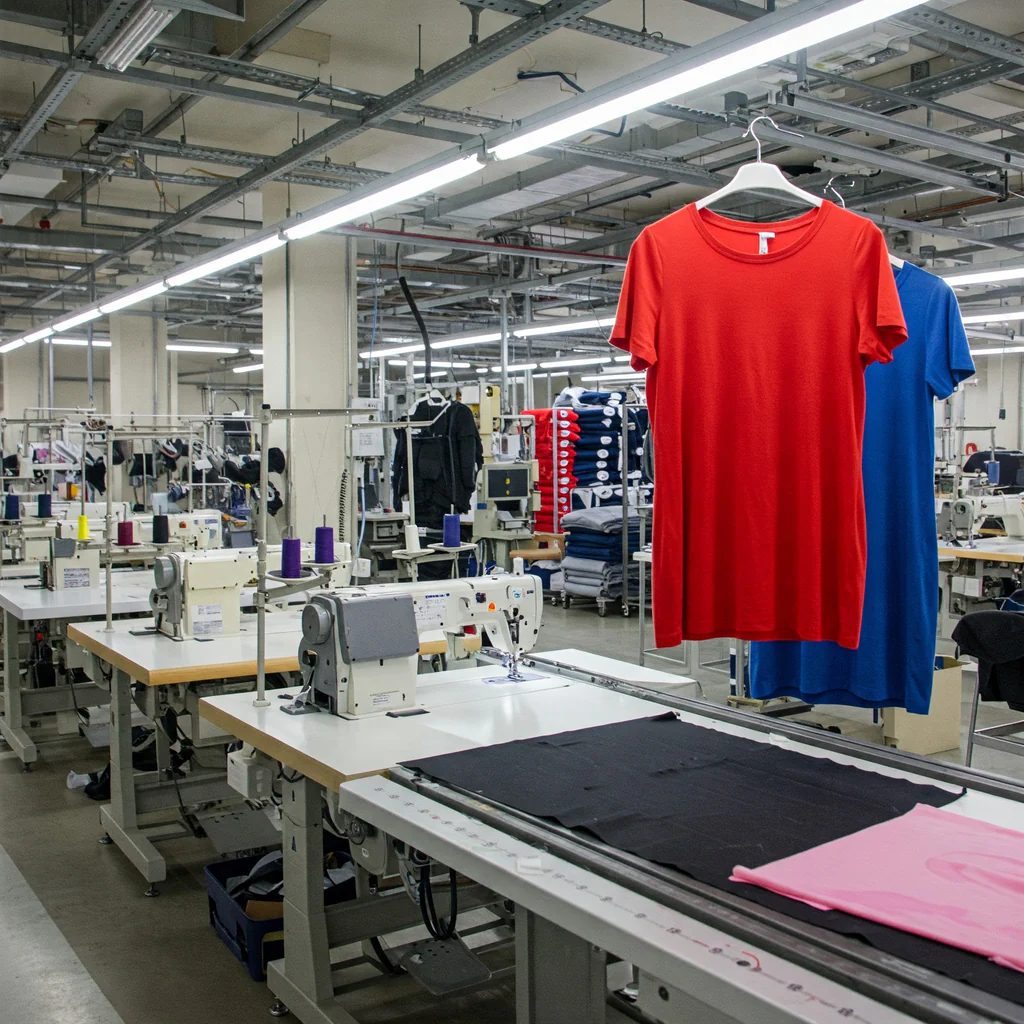
Fabric testing helps brands confirm:
- The material matches expectations
- The product performs correctly
- The final garment meets quality standards
Recommended resource:
Popular Fabrics Used in Apparel Manufacturing
Different clothing categories require different materials.
Cotton
Commonly used for:
- T-shirts
- Hoodies
- Sweatshirts
Advantages:
- Comfortable
- Breathable
- Natural feel
French Terry
Commonly used for:
- Lightweight sweatshirts
- Casual collections
Advantages:
- Soft interior texture
- Comfortable weight
Fleece
Commonly used for:
- Hoodies
- Winter apparel
Advantages:
- Warm
- Thick
- Premium feeling
Performance Fabrics
Commonly used for:
- Sportswear
- Activewear
Advantages:
- Stretch
- Moisture control
- Quick drying
How Brands Choose the Right Fabric
The best fabric depends on your brand positioning and product goals.
For Streetwear Brands
Recommended:
- Heavyweight cotton
- Garment-dyed fabrics
- Premium fleece
Focus on:
- Structure
- Texture
- Visual impact
For Casualwear Brands
Recommended:
- Cotton jersey
- French terry
- Cotton blends
Focus on:
- Comfort
- Daily usability
- Easy care
For Activewear Brands
Recommended:
- Nylon blends
- Polyester performance fabrics
- Spandex blends
Focus on:
- Stretch
- Breathability
- Performance
Common Fabric Selection Mistakes
Choosing Only Based on Price
The cheapest fabric is not always the best choice.
Low-cost materials may create:
- Poor customer experience
- Lower product value
- More complaints
Ignoring Fabric Shrinkage
Some fabrics change after washing.
Brands should always test:
- Before production
- After washing
- After finishing treatments
Selecting Fabric Without Considering Design
The fabric must match the product style.
Example:
A lightweight fabric may not create the structured oversized look required for premium streetwear.
Skipping Fabric Samples
Before bulk production, brands should check:
- Hand feel
- Weight
- Color
- Performance
- Final appearance
How Bless Clothing Supports Fabric Development
At Bless Clothing, we help brands select suitable fabrics based on product requirements, target customers, and market positioning.
Our fabric development support includes:
- Fabric sourcing
- Material recommendations
- Fabric testing
- Sample development
- Bulk manufacturing
- Quality inspection
Helpful Resources:
- Custom Fabric Solutions
- Private Label Clothing Manufacturer
- OEM & ODM Services
- Quality Control Services
Industry Reference:
We help clothing brands choose fabrics that improve product quality, customer experience, and long-term brand value.
FAQs
Why is fabric selection important in apparel manufacturing?
Fabric selection affects comfort, durability, appearance, fit, and customer satisfaction.
What fabric is best for premium clothing brands?
Heavyweight cotton, premium fleece, and high-quality natural fabrics are popular choices for premium apparel.
Should brands test fabrics before production?
Yes. Fabric testing helps prevent shrinkage, color, and durability issues.
Does fabric affect manufacturing costs?
Yes. Fabric is one of the biggest factors influencing apparel production costs.
Can manufacturers help brands choose fabrics?
Yes. Experienced manufacturers can recommend fabrics based on product goals and budget.
Final Thoughts
Fabric selection is one of the most important decisions in apparel manufacturing.
The right material helps brands create:
- Better product quality
- Stronger brand identity
- Higher customer satisfaction
- Fewer production problems
Great clothing starts with the right fabric choice.
If you are developing a new apparel collection, visit Bless Clothing to learn how we help brands select the right fabrics and manufacture high-quality clothing.