
We’ve all been there: You get an initial quote that fits your budget perfectly, but by the time the final invoice arrives, the "per unit" cost has climbed. In my decade on the factory floor, I’ve seen brand owners get blindsided by these increases.
The truth? Most "hidden costs" aren't scams—they are the result of technical oversights or market shifts. At Bless Custom Apparel, we believe in radical transparency. In this guide, I’ll pull back the curtain on why prices fluctuate and how you can lock in your budget.
Table of Contents
- Quick Answer: The Top 3 Budget Killers
- The "Scope Creep" Trap: Design Changes Mid-Stream
- Raw Material Volatility: Why Fabric Prices Shift
- The Hidden Cost of Compliance and Lab Testing
- Comparison: Initial Quote vs. Final Invoice Realities
- Insider Tips: How to "Price-Proof" Your Order
- FAQs: Troubleshooting Your Production Budget
- Final Section: Avoiding Surprises with Bless Clothing
Quick Answer
Clothing orders usually become more expensive due to "Scope Creep" (adding small design details after the quote), Fabric Surcharge (fluctuations in cotton/oil prices), or Logistics Volatility. To avoid this, ensure your Tech Pack is 100% finalized before requesting a quote and always ask your manufacturer for a "Landed Cost" estimate that includes duties and shipping.
The "Scope Creep" Trap: Design Changes Mid-Stream
In the manufacturing world, a "small tweak" to you can mean a "complete re-tooling" for us. I’ve seen a $0.50 increase per garment just because a brand decided to switch from a standard plastic button to a custom-engraved metal one.
- The Sample-to-Bulk Gap: If your sample used one fabric, but you requested a "slightly heavier" version for bulk, the price will jump. Fabric weight (GSM) is a direct pricing driver.
- Labeling After-Thoughts: Deciding to add woven sleeve tags or custom neck tapes after the initial quote adds both material costs and extra SAM (Standard Allowed Minutes) for sewing labor.
Raw Material Volatility: Why Fabric Prices Shift
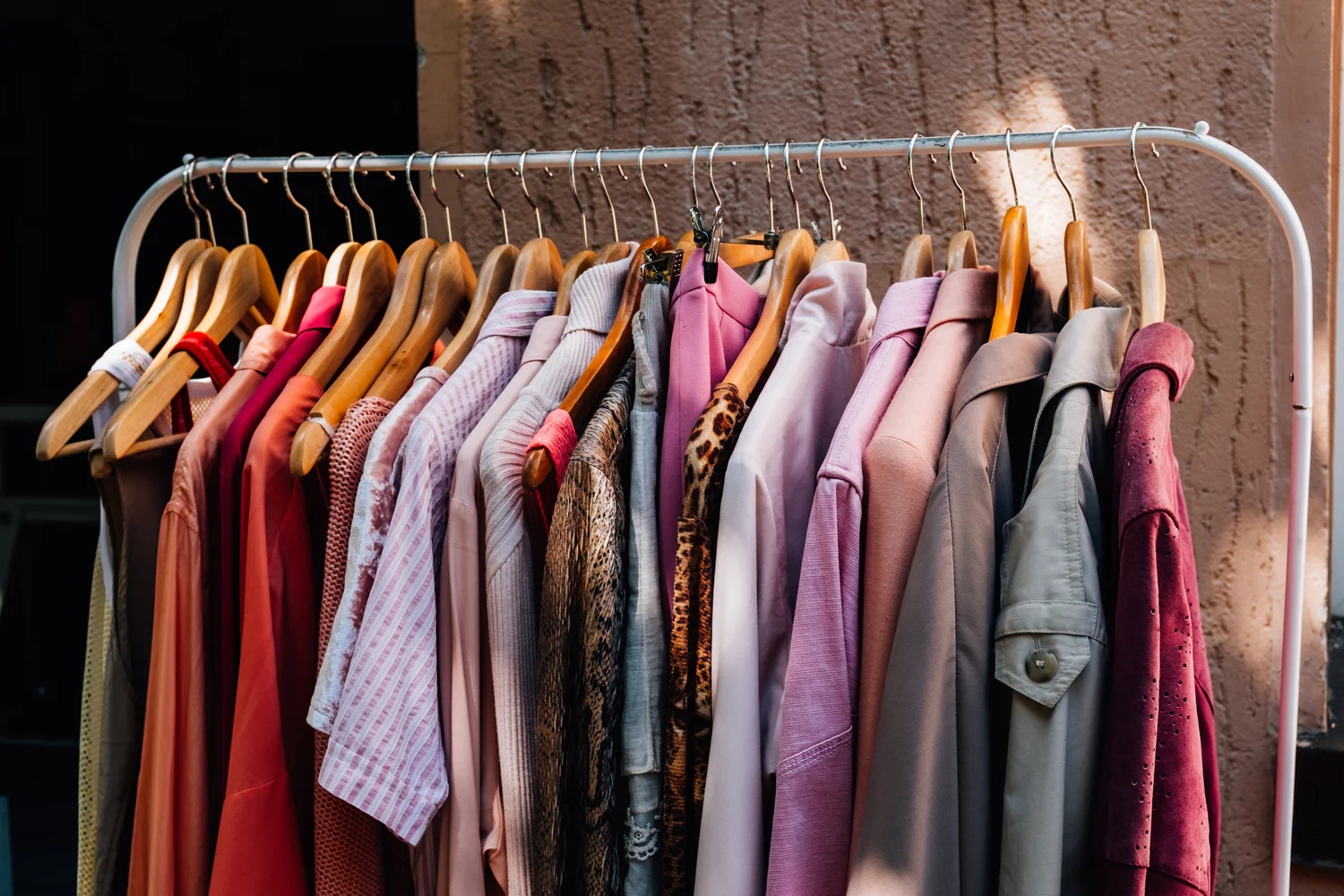
Fabric isn't a fixed-price commodity like a book. It’s more like produce.
- The Cotton Index: Since most casual wear is cotton-based, global Cotton Price Indices affect us daily. If you wait 3 months between a quote and a deposit, the market may have shifted.
- Dye House Minimums: If your order falls short of a standard dyeing vat size, factories often apply a "Surcharge for Small Color Lots."
- Specialty Yarn Availability: Organic or recycled fibers have smaller supply chains. A sudden shortage can spike prices mid-order.
The Hidden Cost of Compliance and Lab Testing
If you are selling in the US, EU, or UK, "being legal" costs money. Many first-time founders forget to budget for:
- Third-Party Inspections: Hiring a firm like QIMA to check your goods before they leave the factory.
- Chemical Testing: Ensuring your pajamas are lead-free and phthalate-free according to CPSIA standards.
- Duty and Tariffs: Depending on the "Country of Origin," your import tax could range from 0% to over 30%. Always check the Harmonized Tariff Schedule.
Comparison: Initial Quote vs. Final Invoice Realities
| The Component | Initial Quote (Estimate) | Final Invoice (Reality) | Why the Difference? |
|---|---|---|---|
| Unit Price | Based on Tech Pack | Actual Labor + Materials | Design tweaks or fabric weight changes. |
| Shipping | Estimated Air Freight | Actual Volumetric Weight | Fuel surcharges or oversized boxes. |
| Packaging | Standard Polybags | Branded/Eco-Packaging | Upgrade to premium presentation. |
| Bank Fees | Not included | TT / Wire Transfer Fees | International transaction costs ($30-$50). |
Insider Tips: How to "Price-Proof" Your Order
I always give these three pieces of advice to my long-term partners at Bless Clothing to keep their CFOs happy:
- The 10% Buffer: Always budget 10% more than the quote. This covers currency fluctuations, extra samples, or shipping spikes.
- Lock-in Fabric Early: If you like a quote, pay the fabric deposit immediately. This "locks" the price against market inflation.
- Minimize "A La Carte" Features: Every extra pocket, zipper, or tag is a new cost center. If your budget is tight, stick to the MVP (Minimum Viable Product) design.
FAQs: Troubleshooting Your Production Budget
Q: Why did my shipping cost double from the estimate?
A: Shipping quotes are often based on weight, but the airline charges based on volume. If your hoodies are "puffier" than expected, they take up more space, triggering "Volumetric Weight" pricing.
Q: Does the factory keep the extra money?
A: Rarely. In high-transparency factories like Bless Custom Apparel, price increases usually reflect raw material hikes or extra labor hours required to meet your updated specs.
Q: Can I negotiate the price down after production starts?
A: No. Once the fabric is cut, the costs are sunk. Negotiate before you pay the deposit, and ensure your Sales Contract defines how price changes are handled.
Avoiding Surprises with Bless Clothing
Manufacturing shouldn't feel like a gamble. The reason brands stay with Bless Clothing is that we provide a "Guaranteed Quote" once the tech pack is frozen. No surprises, no hidden fees—just high-quality casual wear delivered on budget.
Tired of fluctuating quotes?
Send us your Tech Pack today for a comprehensive, line-item breakdown that you can actually plan your business around.