
Gucci is one of the most recognizable luxury fashion brands in the world. But many people ask a more specific question:
Which conglomerate owns Gucci?
The answer is straightforward:
Gucci is owned by Kering, a global luxury conglomerate based in France.
From my experience working with apparel brands and industry structures, understanding conglomerates is key. Today, most major luxury brands are no longer independent—they are part of large groups that manage multiple brands, supply chains, and global distribution.
In this guide, I’ll explain which conglomerate owns Gucci, what that means, and how Kering compares to other luxury groups.
Table of Contents
- Quick Answer
- What Is a Luxury Conglomerate?
- Which Group Owns Gucci?
- What Other Brands Does Kering Own?
- Kering vs Other Luxury Conglomerates
- Why Luxury Brands Join Conglomerates
- What This Means for Gucci
- FAQ
- Conclusion
Quick Answer
Gucci is owned by Kering, a French luxury conglomerate.
| Brand | Conglomerate | Country |
|---|---|---|
| Gucci | Kering | France |
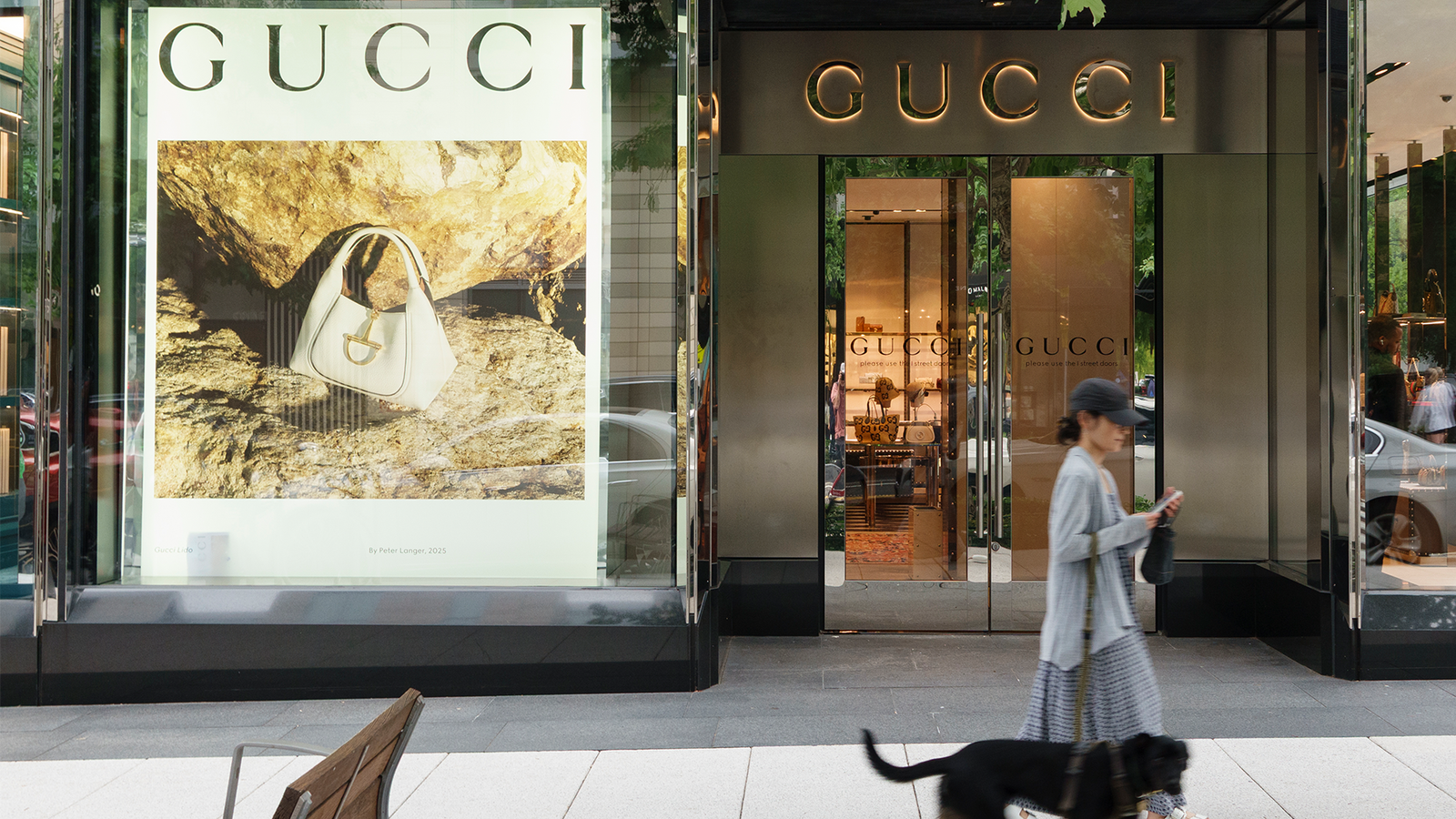
Kering is one of the largest luxury groups globally, alongside LVMH.
What Is a Luxury Conglomerate?
A luxury conglomerate is a company that owns multiple luxury brands.
Key Characteristics
- Manages several brands
- Shares resources across brands
- Controls global retail networks
- Invests in brand growth
Examples include:
| Group | Known Brands |
|---|---|
| Kering | Gucci, Balenciaga |
| LVMH | Louis Vuitton, Dior |
| Richemont | Cartier, Montblanc |
These groups dominate the global luxury industry.
Which Group Owns Gucci?
Gucci is part of Kering’s portfolio.
Kering acquired Gucci gradually, completing its takeover in the early 2000s.
Ownership Overview
| Category | Detail |
|---|---|
| Parent Company | Kering |
| Headquarters | France |
| Industry | Luxury fashion |
Gucci is now one of Kering’s core brands and main revenue drivers.
What Other Brands Does Kering Own?
Kering owns several major luxury brands.
Key Brands in the Group
| Brand | Category |
|---|---|
| Gucci | Luxury fashion |
| Saint Laurent | High fashion |
| Balenciaga | Designer luxury |
| Bottega Veneta | Leather goods |
Each brand targets a different segment of the luxury market.
Kering vs Other Luxury Conglomerates
To understand Kering better, it helps to compare it with competitors.
| Group | Strength |
|---|---|
| Kering | Fashion-focused luxury |
| LVMH | Largest global luxury group |
| Richemont | Jewelry and watches |
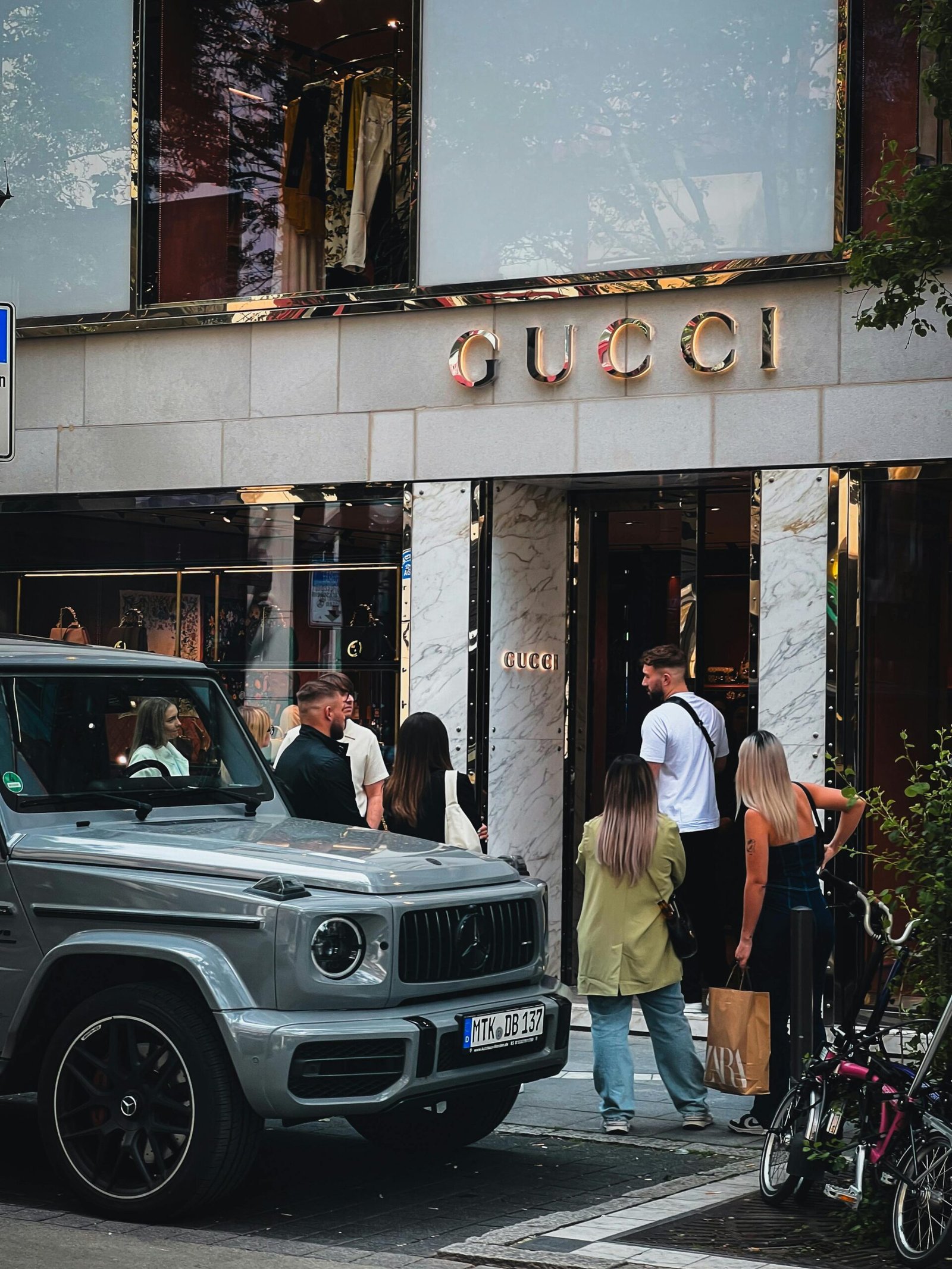
Kering focuses heavily on fashion and leather goods, while others diversify across categories.
Why Luxury Brands Join Conglomerates
Luxury brands often become part of larger groups for strategic reasons.
Key Benefits
| Benefit | Explanation |
|---|---|
| Global expansion | Access to international markets |
| Financial support | Investment for growth |
| Supply chain | Shared production systems |
From an industry perspective, conglomerates allow brands to scale while maintaining identity.
Modern fashion companies rely on strong supply chains, production systems, and product development strategies. If you're interested in how clothing brands build collections and manage manufacturing, you can explore more insights at blessclothing.
What This Means for Gucci
Being part of Kering has helped Gucci:
- expand globally
- strengthen brand positioning
- increase production capabilities
At the same time, Gucci maintains its distinct design identity and heritage.
FAQ
Which conglomerate owns Gucci?
Gucci is owned by Kering, a French luxury group.
Is Gucci owned by LVMH?
No. Gucci is owned by Kering, not LVMH.
What brands are under Kering?
Kering owns brands like Saint Laurent, Balenciaga, and Bottega Veneta.
Why is Gucci part of a conglomerate?
To support global growth, financial stability, and operational scale.
Conclusion
Gucci is owned by Kering, one of the world’s leading luxury conglomerates.
This ownership structure allows Gucci to operate on a global scale while maintaining its unique identity as a luxury fashion house.
Understanding how conglomerates like Kering work also helps explain how modern fashion brands grow, scale, and compete internationally.
If you're interested in how clothing brands develop products, manage manufacturing, and build strong fashion businesses, you can explore more insights at blessclothing.