
Understanding custom casual wear costs is one of the first challenges every clothing brand faces when developing a new collection.
Many new brands ask me:
"How much does it cost to manufacture custom casual clothing?"
The honest answer is: it depends on many factors. The price is not only determined by the garment itself, but also by fabric choice, customization level, order quantity, production process, and quality requirements.
From my experience working with apparel brands, many businesses make the mistake of focusing only on the lowest unit price. However, successful brands understand that the real goal is finding the right balance between cost, quality, and product value.
This guide explains how custom casual wear costs are calculated, what factors influence pricing, typical production costs, and how brands can manage their budget effectively.
Table of Contents
- Quick Answer
- How Much Does Custom Casual Wear Cost?
- Main Factors That Affect Custom Clothing Costs
- Fabric Costs and Material Selection
- Customization Costs Explained
- How MOQ Affects Pricing
- Sample Costs vs Bulk Production Costs
- Hidden Costs Brands Should Consider
- How to Reduce Custom Casual Wear Costs
- Cost Differences Between Casual Wear Products
- Common Budget Mistakes
- How Bless Clothing Helps Brands Control Costs
- FAQs
- Final Thoughts
Quick Answer
The cost of custom casual wear depends on:
- Product type
- Fabric selection
- Order quantity
- Design complexity
- Printing or embroidery
- Packaging requirements
- Manufacturing location
Typical manufacturing price ranges:
| Product | Estimated Production Cost |
|---|---|
| Custom T-Shirt | $5–$15 per piece |
| Custom Hoodie | $15–$40 per piece |
| Custom Sweatshirt | $12–$35 per piece |
| Custom Joggers | $12–$30 per piece |
| Custom Jacket | $25–$80+ per piece |
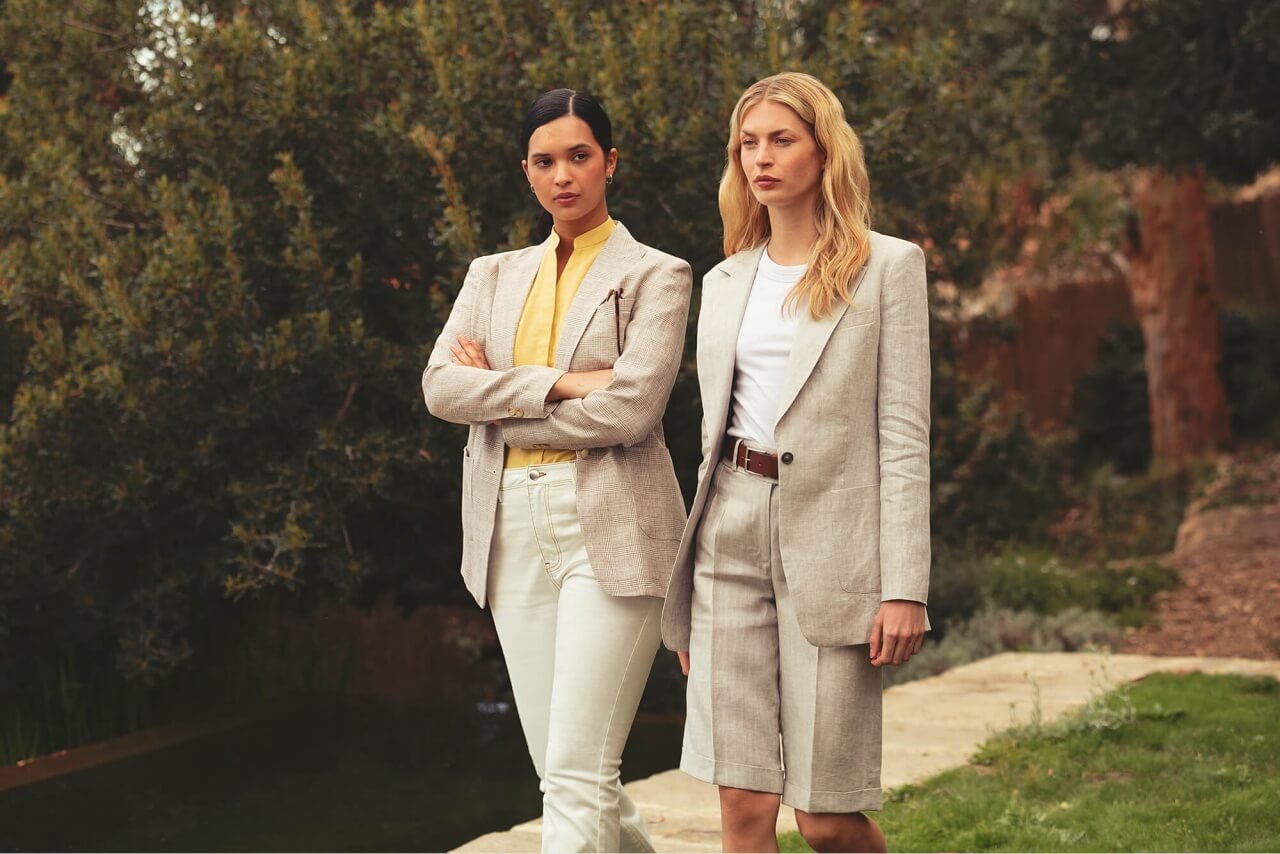
Premium fabrics and complex designs will increase costs, but they can also increase perceived product value.
How Much Does Custom Casual Wear Cost?
There is no fixed price for custom clothing because every product is different.
For example, two hoodies may have completely different costs:
Basic Hoodie
Features:
- Standard cotton fabric
- Simple logo printing
- Basic packaging
Lower production cost.
Premium Streetwear Hoodie
Features:
- Heavyweight fabric
- Oversized fit
- Custom washing
- Embroidery
- Special labels
Higher production cost.
The final price depends on how you want customers to perceive your brand.
Main Factors That Affect Custom Clothing Costs
Several factors influence the final manufacturing price.
Fabric Selection
Fabric is usually one of the biggest cost factors.
Common casual wear fabrics:
| Fabric | Cost Level | Best For |
|---|---|---|
| Cotton Jersey | Low-Medium | T-shirts |
| French Terry | Medium | Sweatshirts |
| Cotton Fleece | Medium-High | Hoodies |
| Organic Cotton | Higher | Premium brands |
| Special Blends | Higher | Unique products |
Premium brands often invest more in fabric because customers directly feel the difference.
Helpful resource:
Product Construction
More complex garments require more labor.
Cost increases with:
- Multiple panels
- Special stitching
- Complex patterns
- Unique silhouettes
- Additional trims
For example:
A basic T-shirt has fewer production steps than a structured jacket.
Customization Costs
Brand details strongly affect production costs.
Common customization options:
| Customization | Cost Impact |
|---|---|
| Neck Label | Low |
| Hang Tag | Low |
| Screen Printing | Medium |
| Embroidery | Medium |
| Puff Printing | Medium |
| Custom Packaging | Medium-High |
| Special Wash | High |
Printing Costs
Printing price depends on:
- Design size
- Number of colors
- Printing method
- Quantity
Common methods:
- Screen printing
- DTG printing
- Puff printing
- Silicone printing
Embroidery Costs
Embroidery depends on:
- Stitch count
- Logo size
- Number of locations
It usually creates a more premium appearance.
How MOQ Affects Pricing
MOQ (Minimum Order Quantity) has a major impact on unit cost.
Generally:
Higher quantity = lower cost per piece.
Example:
| Quantity | Unit Cost |
|---|---|
| 100 pcs | Higher |
| 500 pcs | Medium |
| 1000+ pcs | Lower |
However, ordering more products only makes sense if you can sell the inventory.
Helpful resource:
Sample Costs vs Bulk Production Costs
Many brands underestimate sample development costs.
Samples usually include:
- Pattern development
- Fabric preparation
- Labor
- Adjustments
- Testing
A sample may cost more per piece than bulk production because the factory is producing only a small quantity.
Why Samples Are Important
Samples help confirm:
- Fit
- Fabric quality
- Construction
- Design details
Skipping samples can create expensive problems during bulk production.
Hidden Costs Brands Should Consider
Many new brands only consider garment prices.
Other costs may include:
Labels and Packaging
Examples:
- Woven labels
- Hang tags
- Poly bags
- Custom boxes
Shipping
Shipping costs depend on:
- Weight
- Quantity
- Destination
- Shipping method
Quality Control
Inspection helps prevent:
- Defective products
- Customer complaints
- Returns
Recommended resource:
How to Reduce Custom Casual Wear Costs
Reducing costs does not always mean choosing cheaper materials.
Better strategies include:
Start With Fewer Products
Instead of creating a large collection:
Start with:
- One signature hoodie
- One T-shirt
- One bottom style
Use Existing Fabrics
Custom fabric development increases costs.
Using available premium fabrics can reduce investment.
Simplify Initial Designs
Reduce unnecessary details:
- Too many trims
- Complex construction
- Multiple decoration methods
Order Based on Demand
Avoid excessive inventory before understanding customer response.
Cost Differences Between Casual Wear Products
Different products have different production requirements.
| Product | Cost Level | Main Cost Factors |
|---|---|---|
| T-Shirt | Low | Fabric and printing |
| Sweatshirt | Medium | Fabric weight |
| Hoodie | Medium-High | Fabric and construction |
| Joggers | Medium | Fit and details |
| Jacket | High | Materials and complexity |
Common Budget Mistakes
Choosing the Cheapest Supplier
Low price may create:
- Poor quality
- Production issues
- Brand damage
Ignoring Product Positioning
A premium brand should not choose materials only because they are cheap.
Forgetting Development Costs
Samples and adjustments are part of product development.
Producing Too Much Inventory
Large orders reduce unit cost but increase financial risk.
How Bless Clothing Helps Brands Control Costs
At Bless Clothing, we help casual wear brands create products that balance quality and cost.
Our services include:
- Fabric recommendations
- Product development
- Sample production
- Private label manufacturing
- Printing and embroidery
- Quality inspection
- Bulk production
Helpful Resources:
- Private Label Clothing Manufacturer
- Custom Fabric Solutions
- OEM & ODM Services
- Quality Control Services
Industry Reference:
We help brands choose practical production solutions that match their budget, quality expectations, and growth stage.
FAQs
How much does it cost to make custom clothing?
The cost depends on the product type, fabric, quantity, customization, and production requirements.
Is custom clothing expensive for startups?
Not necessarily. Startups can control costs by starting with fewer products and practical MOQs.
What makes custom clothing more expensive?
Factors include premium fabrics, complex designs, special printing, embroidery, and lower production quantities.
How can I reduce custom clothing costs?
Use suitable fabrics, simplify designs, optimize quantities, and work with an experienced manufacturer.
Is a higher price always better quality?
No. The goal is choosing the right combination of quality, durability, and customer value.
Final Thoughts
Custom casual wear costs depend on many decisions made during product development.
The most successful brands do not simply search for the cheapest production price. They focus on creating products that customers value.
The best approach is to balance:
- Fabric quality
- Production quantity
- Custom details
- Manufacturing experience
- Quality control
A well-planned product can provide better customer satisfaction and stronger long-term brand growth.
If you are developing custom casual wear, visit Bless Clothing to learn how we help brands create quality apparel with professional manufacturing support.