
Table of Contents
- Quick Answer
- The Real Reason Quince Is So Cheap
- How Quince Cuts Costs (Breakdown)
- Is Quince Actually Good Quality?
- Quince vs Traditional Retail Pricing
- What Most People Get Wrong About “Cheap”
- Who Should (and Shouldn’t) Buy Quince
- What Brands Can Learn From Quince
- FAQ
- Conclusion
Quick Answer
Quince is affordable because it removes traditional retail markups and sells directly to consumers, not because it uses low-quality materials.
👉 In simple terms:
You’re paying closer to factory cost — not retail price.
The Real Reason Quince Is So Cheap
From my experience analyzing apparel supply chains, Quince’s pricing comes down to one thing:
👉 They redesigned the pricing structure—not the product.
Most brands follow this model:
- Factory → Brand → Distributor → Retail → Customer
Quince removes multiple layers:
- Factory → Quince → Customer

That alone can cut 50%–70% of the final price.
How Quince Cuts Costs (Breakdown)
Here’s a clear breakdown of where savings come from:
1. No Retail Stores
- No rent
- No in-store staff
- No visual merchandising costs
2. Limited SKU Strategy
- Focus on best-selling basics only
- Lower inventory risk
- Easier production planning
3. Direct Factory Partnerships
- No middlemen
- Better control over pricing
4. Minimal Branding & Marketing
- No celebrity endorsements
- No heavy ad spend like luxury brands
Cost Comparison Table
| Cost Layer | Traditional Brand | Quince |
|---|---|---|
| Wholesale markup | ✔️ | ❌ |
| Retail markup | ✔️ | ❌ |
| Physical store cost | ✔️ | ❌ |
| Branding overhead | High | Low |
| Final price | High | Lower |
👉 This is why a $200 sweater elsewhere can be $60–$80 on Quince.
Is Quince Actually Good Quality?
This is the most common concern.
Short Answer:
Yes—for the price, the quality is strong.
Why?
- Uses materials like:
- Cashmere
- Silk
- Organic cotton
But here’s the honest insight:
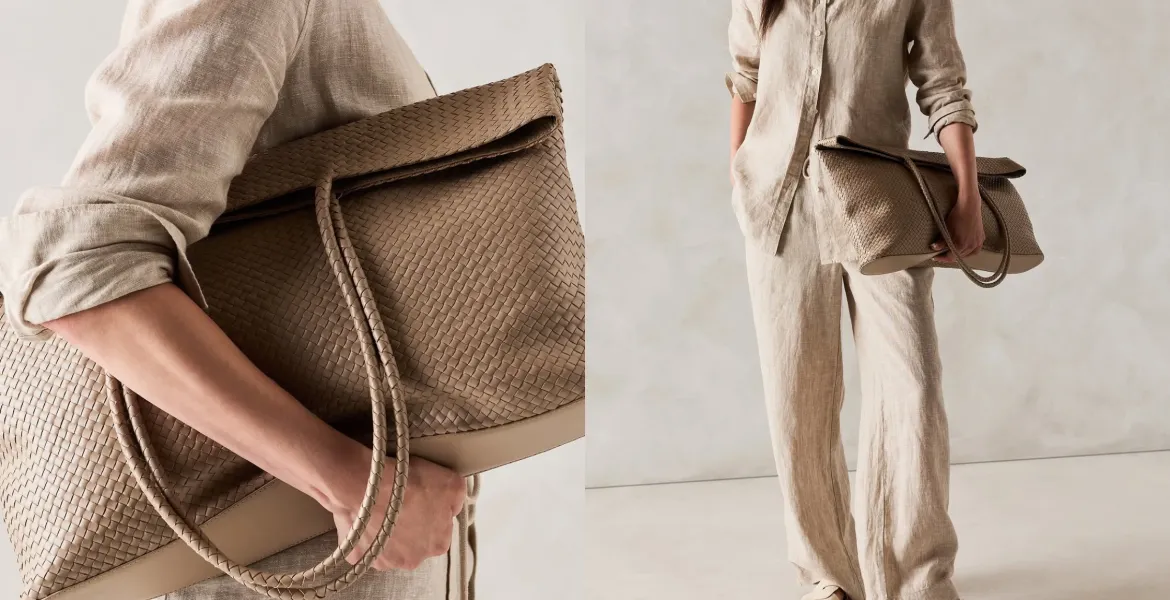
👉 You’re getting good value, not “ultra luxury.”
Realistic Expectation Table
| Expectation | Reality |
|---|---|
| Same as $500 luxury? | ❌ No |
| Better than fast fashion? | ✔️ Yes |
| Worth the price? | ✔️ Definitely |
Quince vs Traditional Retail Pricing
Let’s look at real positioning:
| Product | Traditional Brand | Quince |
|---|---|---|
| Cashmere sweater | $150–$300 | $50–$80 |
| Silk blouse | $120–$250 | $40–$70 |
| Basic tee | $40–$80 | $15–$30 |
👉 Key takeaway:
Quince competes on value—not brand prestige.
What Most People Get Wrong About “Cheap”
A lot of people assume:
“Cheap = low quality”
That’s not always true.
In Quince’s case:
- Cheap = efficient supply chain
- Not = cutting corners
3 Common Misunderstandings
-
“They must use bad materials”
→ Actually, materials are often comparable to premium brands -
“It’s just fast fashion”
→ Not really—they focus on timeless basics -
“There’s a hidden catch”
→ The trade-off is mainly branding and experience, not product
Who Should (and Shouldn’t) Buy Quince
✅ Good Fit For:
- Value-focused buyers
- Minimalist wardrobes
- Everyday essentials
❌ Not Ideal For:
- Luxury brand lovers
- Trend-driven shoppers
- Statement fashion buyers
👉 My advice:
If you care about cost-performance ratio, Quince is a smart choice.
What Brands Can Learn From Quince
This is especially important if you’re building your own apparel brand.
1. Control Your Supply Chain
Direct production = pricing power
2. Focus on Core Products
Don’t over-expand SKUs early
3. Sell “Value”, Not Just Product
Customers buy logic, not just design
Real Industry Insight
Many startups try to copy Quince pricing but fail because:
- MOQ is too high
- Factories are unstable
- Costs are unpredictable
👉 To make this model work, you need flexible manufacturing partners.
That’s why many growing brands work with platforms like
blessclothing to balance:
- Low MOQ
- Custom production
- Scalable growth
FAQ
Why is Quince cheaper than other brands?
Because it removes middlemen and sells directly to consumers.
Does Quince sacrifice quality to reduce price?
Not significantly—the main savings come from business model changes.
Is Quince sustainable?
They claim to focus on responsible sourcing, but sustainability varies by product.
Is Quince better than fast fashion?
Yes, especially in materials and durability.
Conclusion
Quince is cheap for one simple reason:
👉 They cut the system—not the quality.
By removing retail layers and focusing on essentials, they deliver:
- Better pricing
- Decent quality
- Strong value
If you're just buying clothes, that’s great.
But if you're building a brand, the real lesson is this:
👉 Pricing power comes from how you build your supply chain
And if you're looking to create a similar cost-efficient apparel model, working with the right manufacturing partner—like blessclothing—can be the difference between high margins and constant cost pressure.